





Blog
Metalworking Abrasives Buyers Guide
A flap disc that burns out in half a shift, a cutting disc that wanders off line, or a grinding wheel that loads up on stainless can turn a routine job into wasted time and rework. That is why a proper metalworking abrasives buyers guide matters. For fabrication shops, maintenance teams and site crews, abrasive choice affects cut quality, finish, labour time, consumable spend and, just as importantly, safety.
The mistake most buyers make is treating abrasives as generic. They are not. Two products can look similar on the shelf and perform very differently once they meet steel, stainless or aluminium. The right choice depends on the material, the operation, the machine, the duty cycle and the finish you need at the end of the process.
Metalworking abrasives buyers guide – start with the job
Before comparing product codes or grit sizes, define the application properly. Are you cutting bar, removing a weld cap, blending a corner, preparing for paint, cleaning oxidation, or putting a final finish on stainless? Each task places different demands on the abrasive.
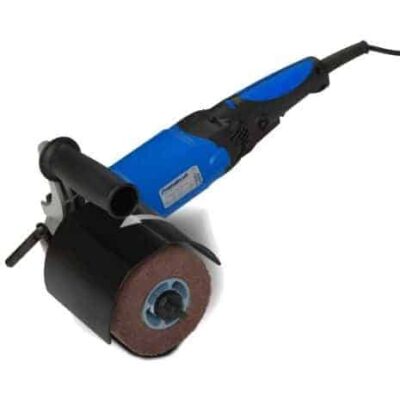
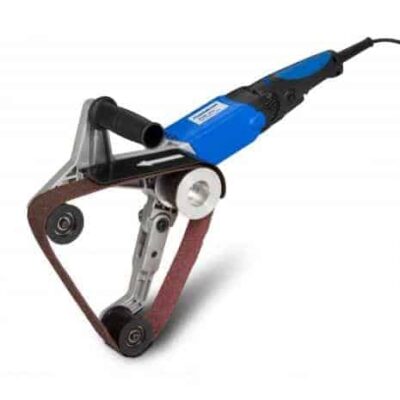
For heavy stock removal, grinding discs and fibre discs are typically the working options. If you need both removal and a presentable finish in one pass, flap discs often make more sense. For thin sheet or tube, cutting discs are the standard choice, but disc thickness and bond quality make a real difference to control and heat input. If the work is on curved surfaces, inside radii or awkward profiles, belts, rolls or non-woven abrasives may be more efficient than forcing an angle grinder to do everything.
This is where buyers should resist the cheapest line item. A lower unit price can mean shorter life, slower cut rate and more changeovers. On jobs with tight labour margins, consumable performance usually matters more than sticker price.
Know the main abrasive types
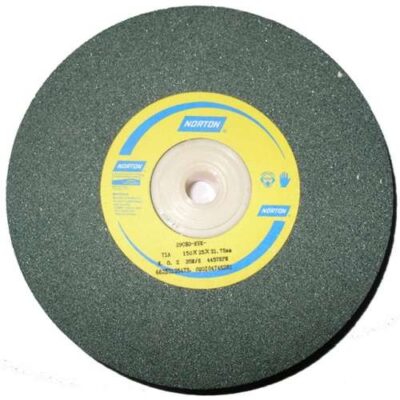
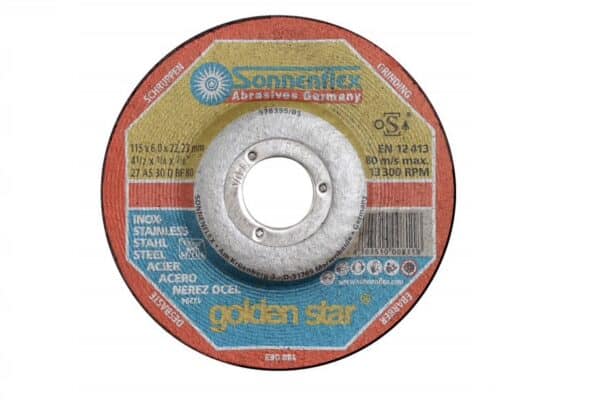
Bonded abrasives include cutting discs, grinding discs and bench grinding wheels. These are built for defined tasks and should be selected carefully for speed rating, thickness and intended material. Cutting discs are for cutting only, not side loading. Grinding discs are for stock removal and weld dressing, not plunge cutting.
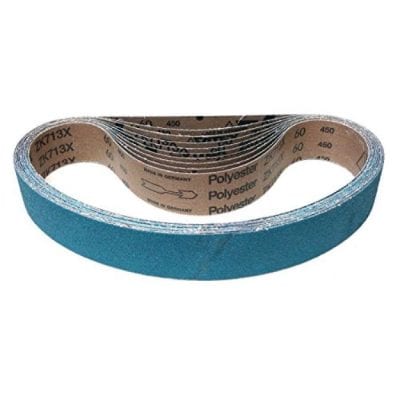
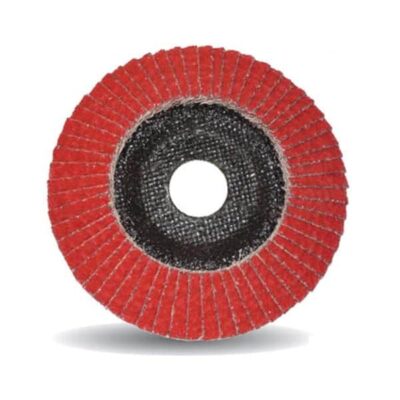
Coated abrasives include flap discs, fibre discs, sanding belts and sheets. These are generally more flexible in how they cut and finish. A flap disc is often the practical choice for fabrication because it can remove weld material and leave a cleaner finish than a hard grinding disc. Fibre discs tend to offer aggressive removal, especially on flat surfaces, but usually need a suitable backing pad and a bit more operator control.
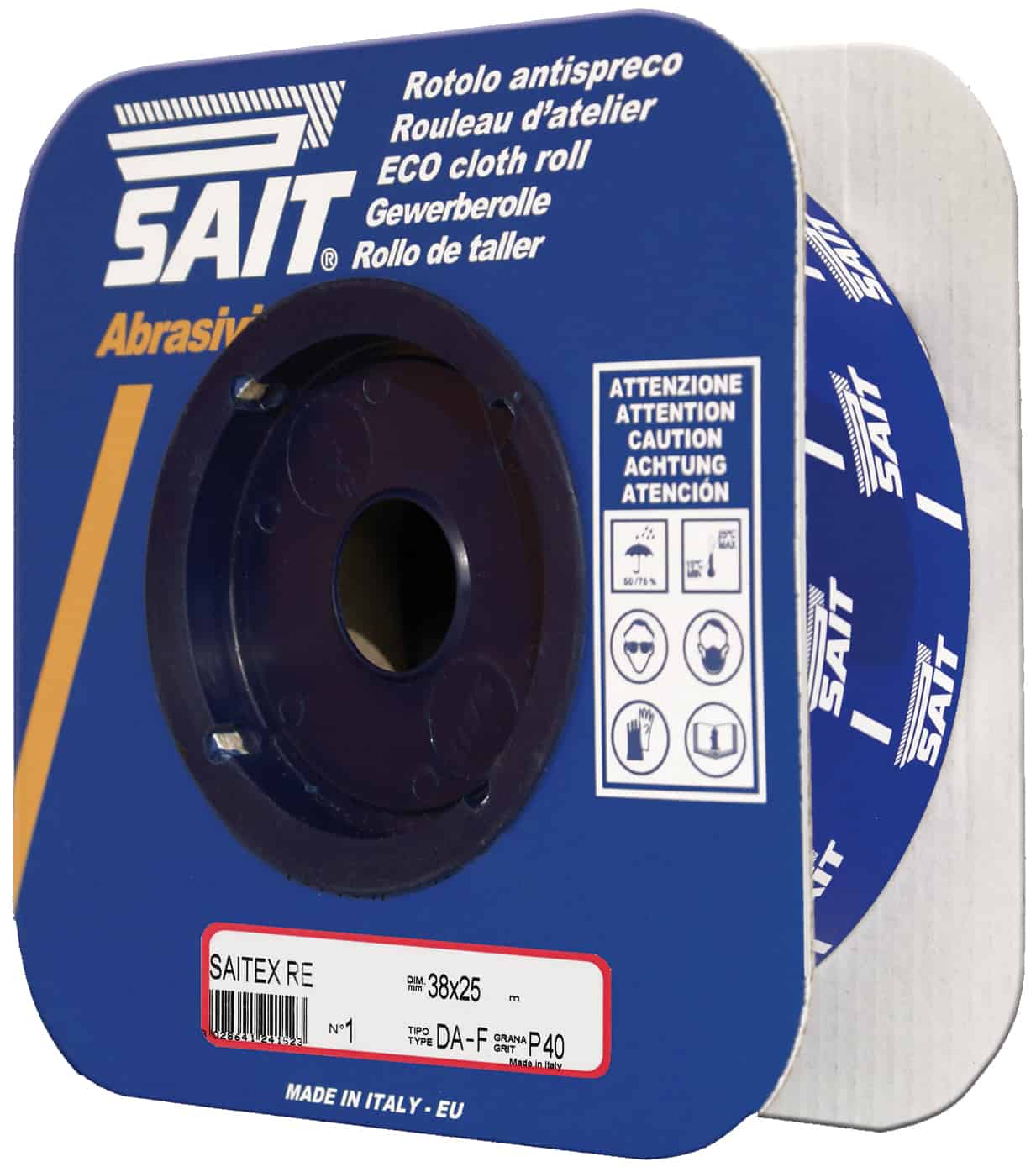
Non-woven abrasives are used for cleaning, blending and finishing rather than heavy removal. They are useful for taking out light surface contamination, refining scratch patterns and preparing metal where appearance matters.
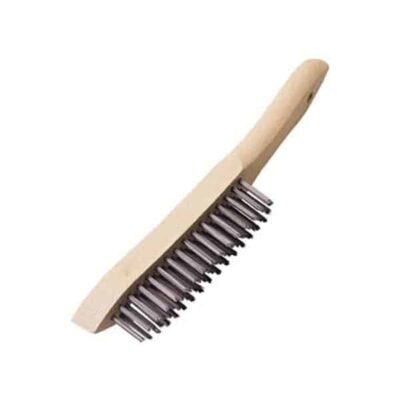
Wire products sit alongside abrasives rather than replacing them. They are useful for rust, scale and spatter removal, but they do not produce the same controlled finish as an abrasive product.
Abrasive grain matters more than many buyers think
The abrasive grain determines how the product cuts, how long it lasts and how it behaves on different metals.
Aluminium oxide is a common general-purpose grain and is often suitable for mild steel applications. It is widely used and cost-effective, but it is not always the best option for harder materials or where long life is required.
Zirconia alumina is a stronger choice for more demanding grinding and blending work. It suits higher pressure applications and is often a sensible step up for fabrication environments where discs see regular use on carbon steel and structural material.
Ceramic grain is usually the premium option. It cuts fast, stays sharp and performs well under high demand, especially in production environments. The higher purchase price is often justified where removal rate and disc life affect throughput.
Silicon carbide is sharp and brittle, making it suitable for non-ferrous metals, cast iron and certain finishing applications. It is not the default answer for every metalworking job, but in the right application it works well.
For stainless steel, contamination control matters. Abrasives marked for stainless should be low in iron, sulphur and chlorine to reduce the risk of corrosion problems after finishing.
Grit selection and finish quality
Choosing grit is a trade-off between removal speed and surface finish. Coarse grits remove material quickly but leave a deeper scratch pattern. Fine grits produce a cleaner finish but remove less stock per pass.
For aggressive weld removal, a coarse grit is usually appropriate. For blending and surface preparation, medium grits are often the practical middle ground. For finishing stainless, decorative work or preparation before coating, finer grades are normally required.
One of the most common buying errors is expecting one grit to do every stage. It can be done, but it is rarely efficient. If the job requires both removal and finish quality, plan for more than one abrasive step. That usually gives a better result in less time than forcing a coarse disc to do a finishing job or a fine disc to remove heavy weld.
Match the abrasive to the material
Mild steel is the most forgiving category, but that does not mean any disc will do. General-purpose abrasives may cope, yet better-grade zirconia or ceramic products often improve cut rate and life significantly in busy workshops.
Stainless steel needs more care. Heat discolouration, contamination and finish quality all matter. A disc that runs too hot or smears the surface can create extra work downstream. Buyers should look for stainless-suitable abrasives and avoid products that sacrifice finish control for low cost.
Aluminium is different again. It loads abrasives quickly, especially closed-coat products not designed for softer metals. Where aluminium work is common, choose abrasives intended to resist loading and keep cutting. Otherwise operators end up replacing discs early or pushing harder than they should.
Galvanised and coated materials can also affect performance. Coatings clog some abrasives and generate fumes and residue that complicate the job. In these cases, product choice and extraction arrangements should be considered together.
Machine compatibility is not optional
An abrasive is only as good as the machine running it. Diameter, bore size, maximum RPM and mounting arrangement must match. That sounds basic, but mis-specification still happens, especially where multiple grinder sizes are in use across a site.
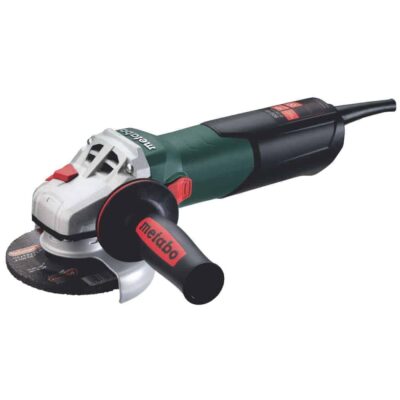
Angle grinder performance also changes how abrasives behave. A high-powered grinder can get the best from ceramic and zirconia products. Lower-powered machines may not deliver the same benefit. Likewise, a fibre disc on the right backing pad can outperform a poor flap disc choice, but only if the tool setup is correct.
Buyers should also consider ergonomics and access. Large discs remove material quickly on open fabrication, but smaller formats can be safer and more controllable on tighter work. The fastest option on paper is not always the most productive in real operating conditions.
Cost per disc is the wrong benchmark
Trade buyers should measure abrasives by cost per job, not cost per unit. A disc that costs more but lasts twice as long and cuts faster is usually the better buy. It also reduces stoppages, disc changes and operator fatigue.
This is particularly relevant in production welding and fabrication. If an operator changes discs six times instead of three over a run, the labour cost quickly exceeds any saving on the consumable line. The same applies to finish quality. If a poor abrasive leaves a rougher surface that needs a second pass, the product was not cheaper in any meaningful sense.
A sensible buying approach is to standardise around a small number of proven products for core tasks, then keep specialist abrasives for less frequent materials and finishing requirements. That makes stockholding easier and reduces the chance of the wrong disc being used on the job.
Safety and storage should influence buying decisions
Abrasives are consumables, but they are not disposable in the casual sense. Poor storage, expired stock and incorrect handling create avoidable risk. Resin-bonded products can degrade if stored badly. Discs damaged in transport or left loose in vans and site boxes should not be treated as fit for service.
Buyers should choose products with clear markings, consistent quality and reliable packaging. Operators need to be able to identify the application, speed rating and material suitability without guesswork. Safety also means resisting the temptation to buy one disc for every task. Using a cutting disc for grinding because it is close at hand is still a common and dangerous mistake.
A practical buying approach for workshops and trade counters
For most professional users, the best purchasing method is to build an abrasive range around actual workshop tasks. Start with your highest-volume work – typically cutting steel sections, grinding welds, blending fabricated parts and preparing surfaces for coating or finishing. Then select products that fit those jobs properly, rather than trying to cover everything with general-purpose discs.
If your business works mainly on structural steel, durability and stock removal will probably outweigh cosmetic finish. If you fabricate stainless balustrade, food-grade equipment or visible architectural work, finish consistency becomes far more important. Maintenance teams often need a broader range because they move between materials and repair conditions, so flexibility may matter more than absolute peak performance in one niche task.
That is also where a specialist supplier earns its place. A trade-focused range is easier to buy from because the products are selected around real industrial use, not casual DIY overlap. For buyers who want fewer failures, cleaner finishes and less time wasted at the grinder, that matters.
Choose abrasives the same way you choose welding consumables or fasteners – by specification, application and reliability. When the product matches the job, the whole process runs cleaner, quicker and with fewer surprises.