













Blog
How to Choose Welding Consumables

A weld that looks acceptable on the bench can still fail in service if the consumables were wrong from the start. For fabrication shops, maintenance teams and site welders, knowing how to choose welding consumables is less about preference and more about matching the filler, flux or gas to the base material, process and job conditions.
Consumable choice affects arc stability, deposition rate, weld profile, mechanical properties and rework levels. It also affects cost, but not always in the way buyers expect. The cheapest wire, rod or electrode on paper can create more spatter, more cleaning, more rejects and more downtime. A sound decision starts with the job specification and works outward from there.
How to choose welding consumables for the job
The first question is not which brand or pack size to buy. It is what the weld needs to achieve. Structural fabrication, pipe repair, stainless food-grade work and general maintenance all place different demands on the consumable.
Start with the parent material. Mild steel, high-strength steel, stainless steel, aluminium and dissimilar metal joints all require different filler characteristics. In many cases the consumable should match the base metal closely, but there are exceptions. Some maintenance and repair applications use fillers designed to tolerate contamination, unknown steel grades or mixed joints. That can be useful on older plant, but it is not a substitute for proper material identification where code compliance matters.
Joint design and section thickness come next. A thin sheet job may favour a wire and shielding gas combination that gives a soft, controllable arc with low heat input. A heavier section may need a consumable that supports higher deposition and deeper penetration. Position also matters. Consumables that run well in the flat position do not always perform the same overhead or vertical up.
If a welding procedure specification is in place, it should lead the decision. Where work is coded or inspected, the consumable must align with the approved process, classification and required mechanical properties. In production environments, ignoring that point creates problems later, usually when time is shortest.
Match the consumable to the welding process
Consumables are process-specific, and the process largely determines what “right” looks like.
For MIG and MAG welding, solid wire is common for clean steel and stainless work where productivity and finish matter. Flux-cored wire can be the better option when higher deposition rates, positional welding or outdoor conditions are involved. Gas-shielded flux-cored wire gives strong mechanical performance, while self-shielded wire can reduce dependence on cylinders on site. The trade-off is that self-shielded options may produce more fume and slag, and weld appearance can be rougher.
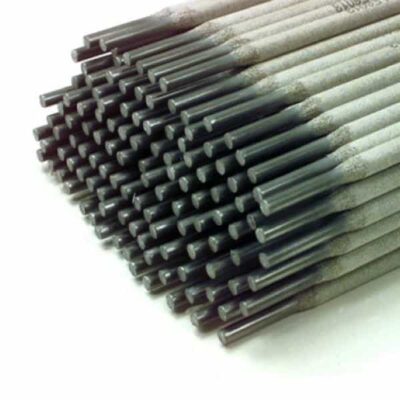
For MMA welding, electrode type matters as much as size. Rutile electrodes are widely used because they strike easily, run smoothly and suit general fabrication. Basic low-hydrogen electrodes are more demanding in handling and storage, but they are often the correct choice for higher-strength steels and critical structural work where hydrogen cracking is a concern. Cellulosic electrodes have their place in pipe and field work because of their penetrating arc, but they are not a general-purpose answer.
For TIG welding, filler rod choice is more exacting because the process is often used where weld quality, cleanliness and control are priorities. The rod must suit the parent material and service conditions, particularly for stainless and aluminium. Diameter selection also matters. Too large a rod can make heat control clumsy on thin material, while too small a rod can slow the job unnecessarily on thicker sections.
Base material matters more than price
A common buying mistake is to group metals too broadly. “Steel wire” is not a single category in practice.
Mild steel fabrication is usually the most straightforward. Standard solid wires and general-purpose electrodes cover a large share of workshop work, but even here you need to consider tensile strength, coating condition and whether the steel is clean, galvanised or carrying mill scale. Surface condition affects both arc behaviour and weld quality.
Stainless steel demands closer control. The filler needs to match not only the stainless family but the service requirement. Corrosion resistance, operating temperature and the risk of sensitisation all influence selection. Choosing a stainless filler simply because it is labelled as general-purpose can be an expensive shortcut if the fabricated part sees chemical exposure or repeated heat cycles.
Aluminium is less forgiving again. Alloy series, crack sensitivity and colour match can all affect filler choice. Wire feedability is also part of the decision, especially with softer aluminium wires. The right filler is not only about the finished weld properties but whether the wire will run consistently through the setup you have on the shop floor.
Dissimilar metal welding needs caution. There are specialist consumables for joining different steels and for maintenance repair where metallurgy is uncertain, but they should be chosen for a clear reason. If the joint has a service-critical role, guessing is not acceptable.
Consider service conditions, not just fabrication conditions
A weld can pass visual inspection and still be wrong for the application. Consumables should be selected with the end use in mind.
If the component will see impact loading, low temperature service or cyclic fatigue, the consumable must provide suitable toughness and mechanical performance. If the weld will be exposed to moisture, chemicals or salt, corrosion behaviour becomes part of the specification. Heat-resistant work introduces another layer, as not all fillers maintain strength and stability at elevated temperatures.
This is where classification and test data matter. Professional buyers should look beyond the headline description and check whether the consumable meets the relevant standard and property requirements. For workshop purchasing, that means comparing actual application needs against the data sheet, not simply reordering what was used on a different job.
Shielding gas, flux and diameter all influence results
When buyers ask how to choose welding consumables, they often focus on the wire or electrode and overlook the supporting variables. That is where avoidable problems start.
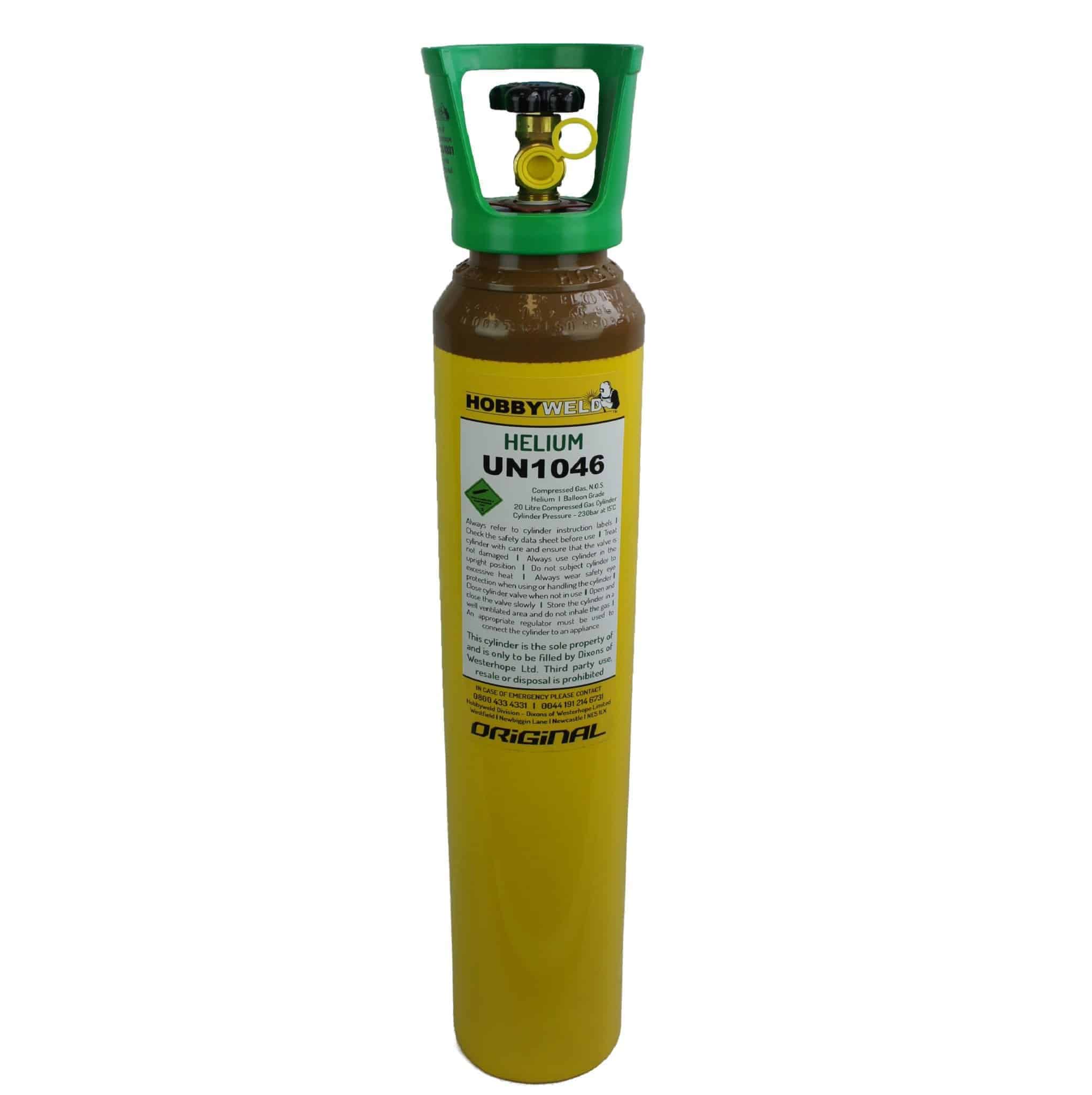
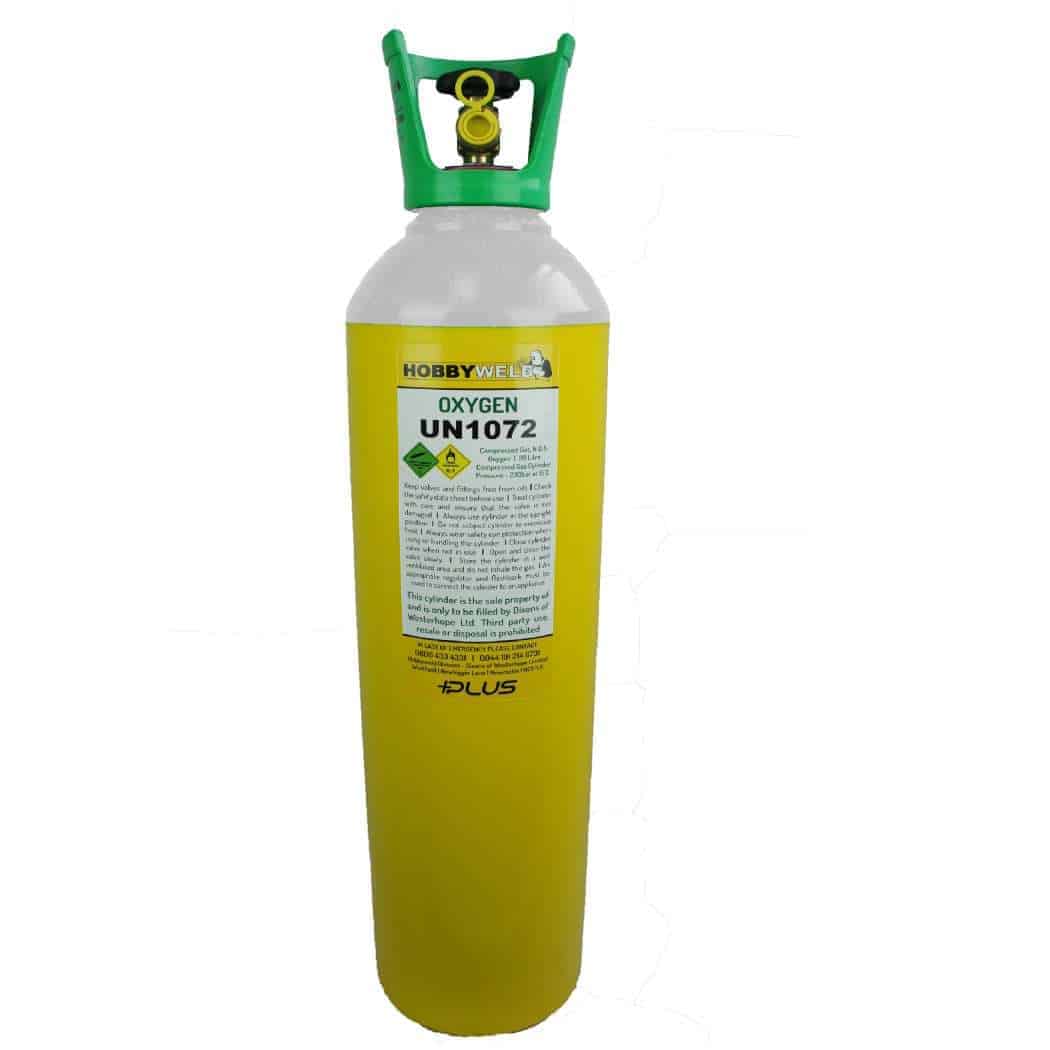
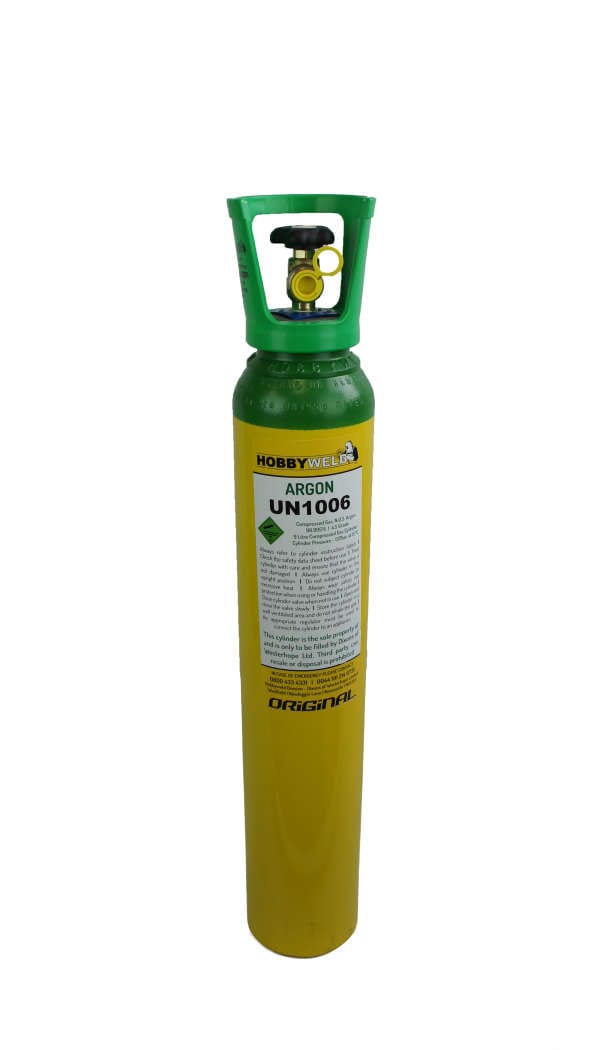
With MIG and MAG, shielding gas has a direct effect on arc characteristics, penetration profile and spatter levels. A wire that performs well with one gas mix may feel completely different with another. If finish quality matters, or if the work is positional, gas selection should be treated as part of the consumable package rather than a separate purchase.
Wire diameter and electrode diameter also need to suit the job. Larger diameters support higher output and thicker sections, but they reduce control on lighter work. Smaller diameters are better for thin materials and root passes, though productivity can drop if they are stretched beyond their sensible range.
Flux characteristics deserve the same attention. On flux-cored and MMA products, slag release, bead shape and positional capability are not small details. They affect cleaning time, welder efficiency and the consistency of the finished result.
Storage and handling are part of consumable selection
A technically correct consumable can still underperform if storage is poor. Low-hydrogen electrodes are the obvious example. If they absorb moisture, the risk of hydrogen-related cracking increases, particularly on thicker and higher-strength steels. Storage ovens and disciplined handling are not optional where these electrodes are specified.
Wire condition matters too. Damaged spools, contamination and damp storage can all cause feed issues and arc instability. TIG rods need to stay clean. Aluminium wire needs careful handling to avoid deformation and feed problems. In practical terms, it makes little sense to buy a premium consumable if it will then be stored in conditions that compromise it before use.
For busy workshops, pack size should also reflect usage rate. Oversized packs can become a false economy if they sit too long or are exposed repeatedly to poor conditions. Reliable stock rotation is part of quality control.
Buying for workshop efficiency
There is also an operational side to choosing consumables. Standardising where sensible can reduce setup errors, simplify training and improve stock control. That does not mean forcing one product into every application. It means narrowing the range to the products that genuinely cover your routine work without compromising weld quality.
For fabrication managers, the best consumable is often the one that gives consistent results across multiple operators and shifts. Slightly higher purchase cost can be justified if it reduces cleaning time, rework and parameter chasing. In that respect, consumables should be judged on total job cost, not line-item price alone.
A specialist supplier such as ProWeld can help here because the decision is rarely about a single item. Wire, rod, electrode, gas compatibility, storage and application all need to line up with the work being done.
The right consumable is the one that suits the parent material, welding process, service condition and working environment without creating avoidable problems elsewhere. Get that match right, and the weld becomes more predictable, the job moves faster and the finished work stands up as it should.