



























Blog
Plasma Cutter Review: What Professionals Need
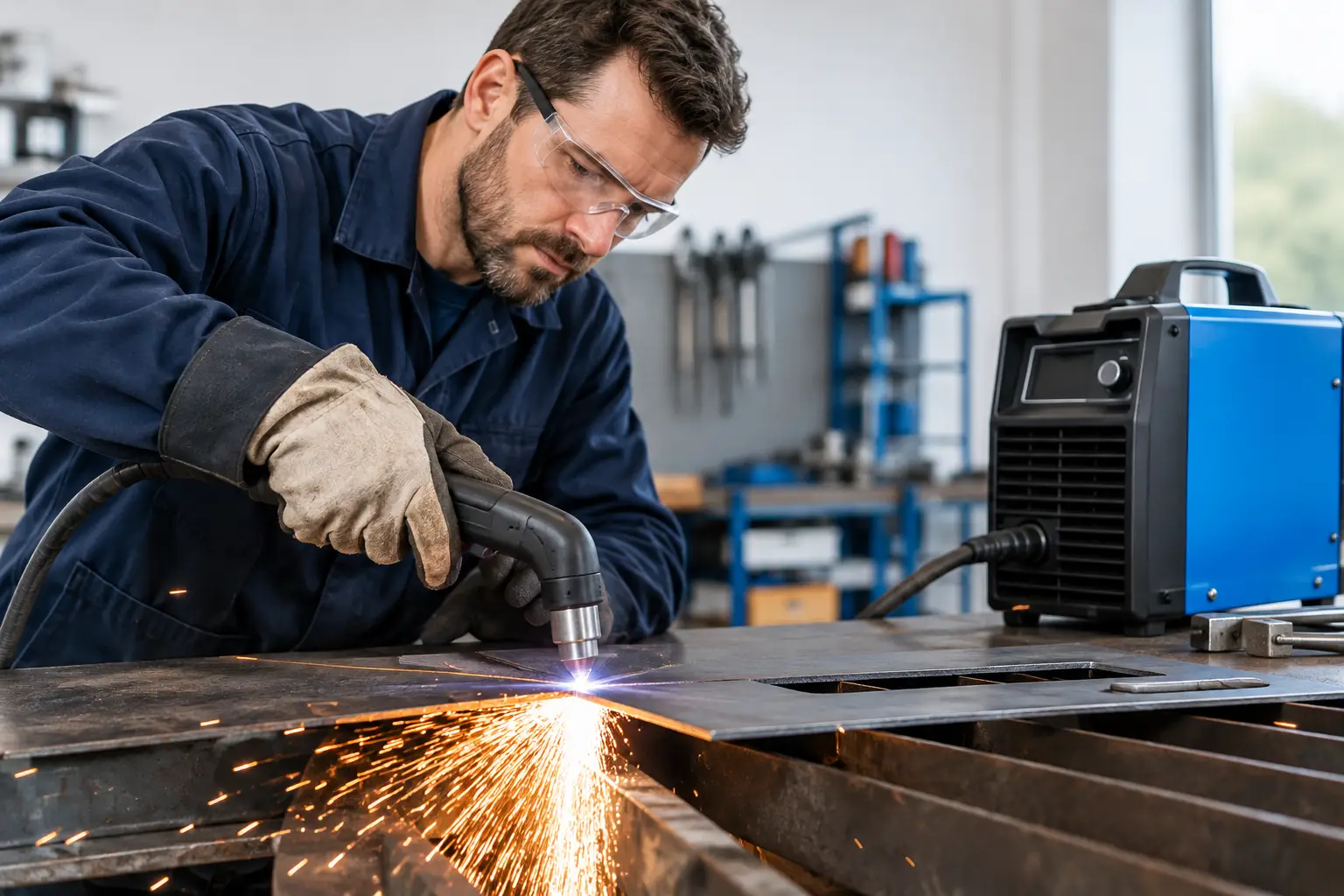
A plasma cutter that looks capable on a specification sheet can still become a bottleneck once it reaches the workshop. In a proper plasma cutter review, the useful question is not simply how much steel a machine can sever. It is whether it will cut the materials, thicknesses and volumes your team handles without excessive bevel, repeated thermal trips or expensive consumable changes.
For fabrication, maintenance and site work, the right machine is usually the one with enough headroom to work consistently rather than the one carrying the highest headline amperage for the lowest initial cost. Power source quality, torch design, air preparation and parts availability all affect the result on the job.
Start with the cut you need to make
Manufacturers commonly publish three thickness figures: recommended cut, maximum severance cut and sometimes pierce capacity. These figures are not interchangeable. Recommended cut thickness is the figure that matters for routine production work because it is where cut speed, edge condition and consumable life remain sensible.
Maximum severance capacity means the arc can get through the plate, often slowly and with a rougher edge. It may be acceptable when removing damaged steel or splitting material for scrap, but it is not a reliable basis for choosing equipment for repetitive fabrication. Pierce capacity is particularly relevant for mechanised cutting, where the torch must start away from an edge without excessive spatter returning into the nozzle.
A workshop regularly cutting 10 mm mild steel should not buy a unit whose 10 mm figure is its maximum claim. Select a cutter with a recommended capacity above the normal workload. That reserve improves travel speed and gives the operator more control at corners, holes and starts.
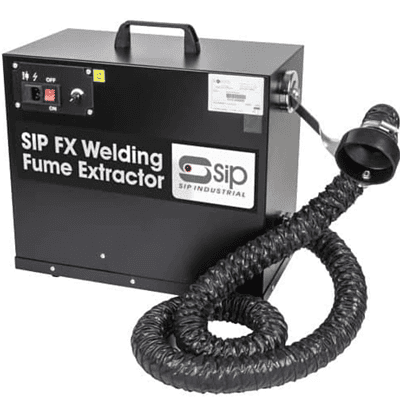
Material type also changes the decision. Mild steel generally produces the most straightforward results. Stainless steel and aluminium can be cut effectively, but surface condition, heat input and dross behaviour differ. Galvanised material demands effective fume control and appropriate respiratory protection because the coating creates hazardous fumes when heated.
Plasma cutter review: output is only one specification
Amperage determines potential cutting power, but it does not describe the whole machine. A 40 A cutter can be an excellent choice for thin sheet, brackets, repair work and mobile maintenance. A 65 A or 80 A unit may be the more productive choice for general fabrication where plate work is routine. Higher-output systems make sense where thicker sections, longer duty cycles or mechanised tables justify them.
The practical comparison should cover the following factors together:
- Recommended cutting thickness at the stated output
- Duty cycle at the actual current you expect to use
- Single-phase or three-phase input requirements
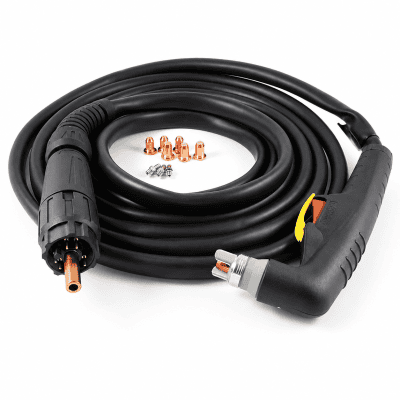
- Torch lead length, trigger design and consumable range
- Air pressure, air flow and air-quality requirements
- Availability and cost of electrodes, nozzles, shields and retaining caps
This is not a case of buying the largest machine by default. A high-amperage unit on an unsuitable supply can be more troublesome than a correctly sized cutter running reliably from the available electrical installation. Confirm supply voltage, phase, breaker rating and cable requirements before committing to a machine, particularly on older sites or temporary installations.
Duty cycle protects productivity
Duty cycle states how long a machine can operate within a ten-minute period at a specific output and ambient temperature. A 60 per cent duty cycle at 80 A means six minutes of cutting followed by four minutes of cooling under the stated test conditions. In real work, the duty cycle may be affected by warm weather, restricted airflow or dirty internal components.
For occasional cutting, this may not matter much. For a fabrication bay preparing components throughout the day, it matters a great deal. Thermal shutdown interrupts workflow, delays fitting and encourages operators to rush cuts when the machine becomes available again. Where long runs are expected, assess duty cycle at the current required for the material, not only at the machine’s maximum setting.
Air quality is part of the cutting system
Compressed air is often treated as an afterthought, yet poor air is one of the quickest ways to reduce cut quality and destroy consumables. Moisture and oil contaminate the plasma stream, making arc starting inconsistent and accelerating wear on electrodes and nozzles. The operator may see a wandering arc, wider kerf, heavier dross or repeated failure to transfer the arc.
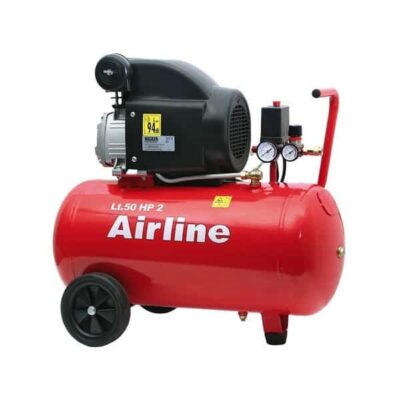
The compressor must supply the required pressure and flow continuously, not merely reach the required pressure in an empty line. Check the cutter’s air consumption against compressor free air delivery, then allow for other equipment sharing the system. A small compressor that continually drops pressure during a long cut will compromise performance regardless of the cutter’s stated capability.
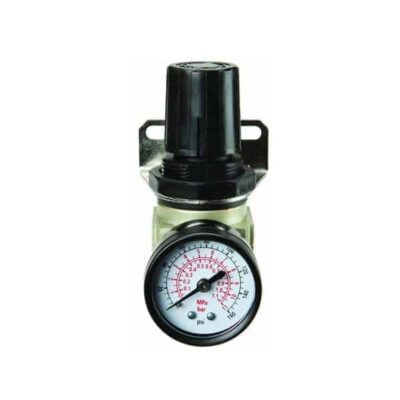
Fit suitable filtration and drainage. At minimum, use a properly maintained water separator close to the plasma cutter. In demanding applications, particularly where the compressor runs hard or the air system is old, additional coalescing filtration and drying may be justified. Clean, dry air costs less than prematurely replacing torches and consumables.
Consumables reveal the true operating cost
The electrode and nozzle are wear items, not faults waiting to happen. Their life depends on air quality, pierce technique, torch height, output setting and whether the operator keeps the torch moving. However, a cutter should use consumables that are readily available, clearly identified and practical to replace on site.
A low purchase price loses its appeal if compatible parts are difficult to obtain or if consumables need replacing after short periods of normal work. When reviewing a plasma cutter, ask whether standard consumables cover hand cutting, drag cutting, gouging and mechanised work if those applications are relevant. Also check whether the torch has sensible protection against accidental contact with the workpiece.
For hand cutting, drag-capable systems can improve consistency on light to medium material because they help maintain a usable stand-off. On thicker plate and detailed work, the operator still needs a steady hand and the correct travel speed. Holding the torch too close can damage the nozzle; holding it too far away weakens the arc and creates a broad, untidy cut.
Cut quality depends on technique as well as equipment
A plasma cutter will not replace a guillotine, laser or saw where tight tolerances and minimal finishing are essential. It is, however, fast and versatile for profiles, brackets, repair sections, access holes and dismantling work. The best results come from selecting the correct output, keeping the torch square to the plate and moving at a speed that allows the arc to exit cleanly from the underside.
Look at the arc trail beneath the workpiece. A trail that lags excessively behind the cut often indicates travel speed is too fast. Heavy dross may mean the machine is underpowered for the material, the current is set too low, the torch is travelling too slowly or the consumables are worn. There is no single setting that suits every thickness, so a short test cut on offcuts is worth the time.
For critical fabrication, plan for edge dressing. Plasma-cut edges can have a heat-affected zone, oxide layer and local hardness changes, depending on material and process conditions. Remove dross and prepare weld areas properly, particularly where fit-up, coating adhesion or weld integrity matters.
Hand-held, mechanised and site use
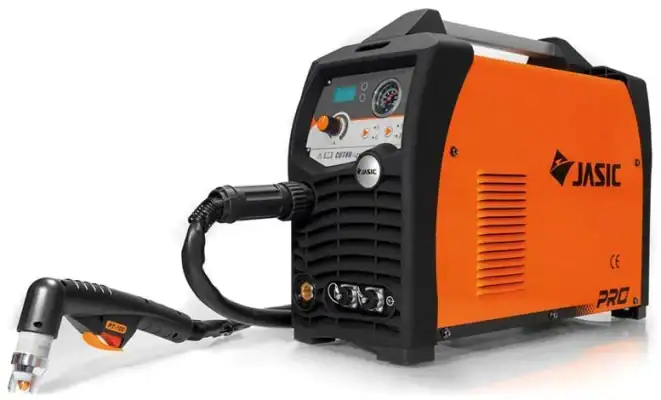
A hand-held cutter needs a durable torch, practical controls and leads long enough for the intended workspace. A very compact machine can be useful for maintenance teams moving around plant rooms, farms or construction sites, provided the power supply and compressor arrangements are realistic. Portability is more than machine weight – it includes lead management, protection during transport and the time needed to set up clean air.
For cutting tables, mechanised use places greater demands on pierce performance, duty cycle and torch-height control compatibility. A system that performs well for occasional manual trimming may not provide the consistency required for repeated profiles. If CNC cutting is a future possibility, consider this before purchase rather than treating it as an afterthought.
Safety remains non-negotiable. Plasma cutting produces intense arc radiation, sparks, hot metal and fumes. Use suitable eye and face protection, gloves, flame-resistant clothing, screens where others are nearby, and local extraction or suitable ventilation. Remove combustible materials from the cutting area and inspect the workpiece for sealed sections, coatings or residues that could create additional hazards.
Make the buying decision around the job
The strongest buying decision is based on the normal workload, not the occasional extreme job. Record the thickest material cut each week, the material types involved, expected cutting duration, available electrical supply and compressor capacity. Then choose a cutter with enough recommended capacity and duty cycle to handle that work without being constantly operated at its limit.
ProWeld customers working in fabrication and maintenance benefit most from treating the plasma cutter, air supply and consumables as one working system. A correctly matched setup gives cleaner cuts, steadier output and fewer avoidable interruptions. Before placing an order, put a sample of the material on the bench, define the finish you need, and buy for the work that keeps your operation moving.