






Blog
Weldable Elbows vs Fabricated Bends Compared
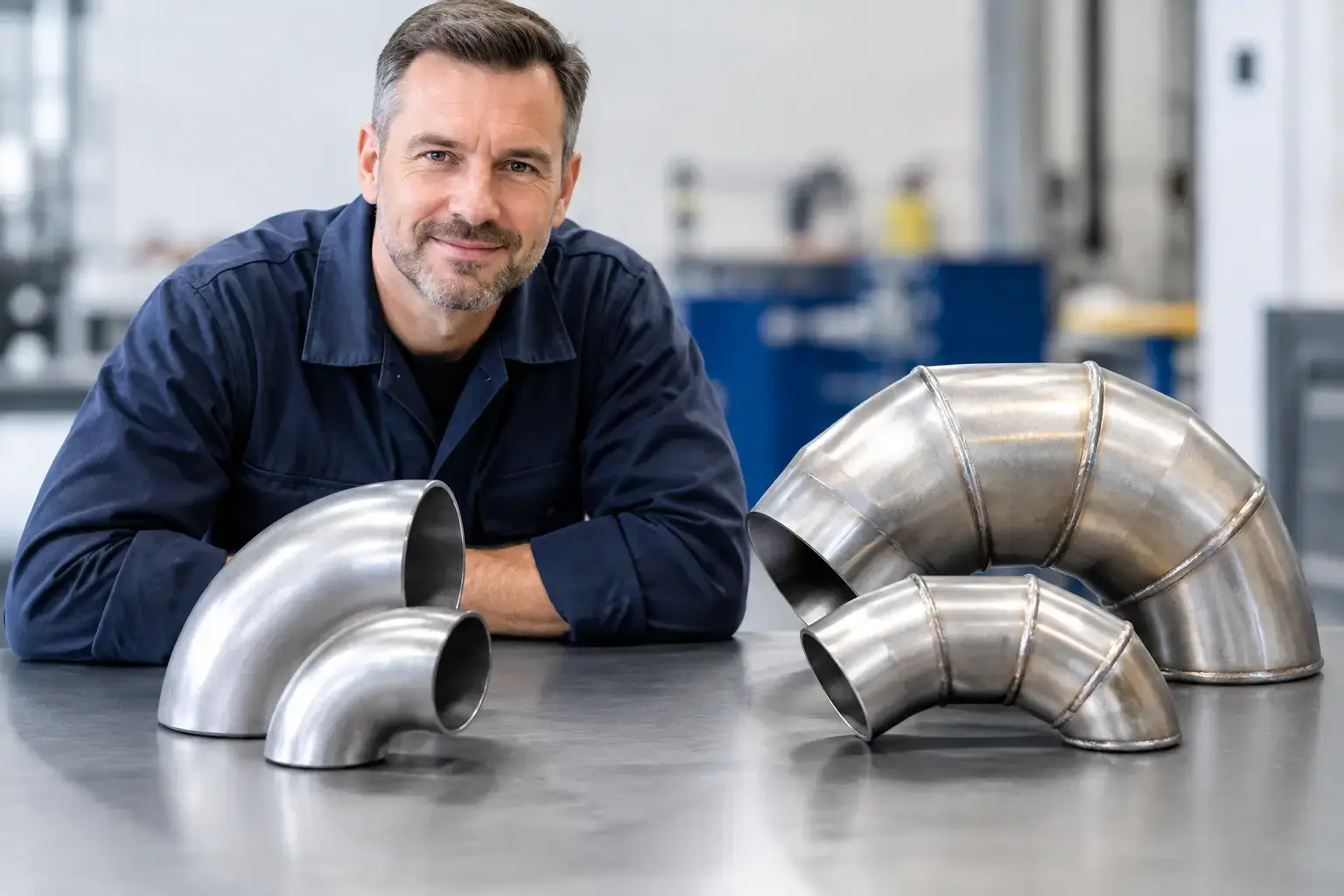
A change of direction in steelwork can look simple on a drawing. On the workshop floor, it affects fit-up, weld access, finished appearance, lead time and cost. The choice between weldable elbows vs fabricated bends is therefore not just about getting from point A to point B. It is about selecting a component that suits the tube, the load, the fabrication process and the standard expected on site.
For repetitive handrail, guardrail and tubular framework work, a weldable elbow is often the efficient answer. For non-standard radii, larger sections or projects where the route must follow an exact profile, a fabricated bend can be the better engineering solution. The right choice depends on the application rather than a blanket preference for one method.
What is a weldable elbow?
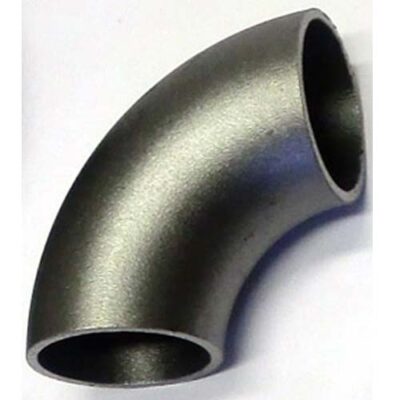
A weldable elbow is a pre-formed steel fitting designed to join two lengths of tube at a set angle, most commonly 90 degrees. Other angles are available for specific rail, frame and pipework layouts. The fitting is normally selected to match the outside diameter and wall thickness of the tube being used, allowing the fabricator to achieve a clean joint with minimal preparation.
In handrail fabrication, weldable elbows are commonly used for top rails, return ends, corner sections, gates and tubular frames. They provide a consistent swept corner that is difficult to reproduce accurately by hand on every job. Once correctly fitted, tack welded and fully welded, the elbow becomes an integral part of the assembly.
The key benefit is repeatability. A workshop producing several matching runs of railings does not need to mark, cut and assemble multiple mitred sections for each corner. The elbow establishes the angle and profile from the outset, reducing layout time and helping maintain a uniform finish across the project.
What is a fabricated bend?
A fabricated bend is a directional change made from cut and welded tube or section, rather than a single pre-formed fitting. It may be created as a mitred corner, a multi-piece segmented bend, or a purpose-made assembly with several short sections to form a larger radius. In some cases, the term can also refer to a bend made from tube that has been mechanically formed in a bending machine.
For fabrication purchasing and planning, the useful distinction is straightforward: a weldable elbow is a standard component with a fixed geometry, while a fabricated bend is made to suit the job. That flexibility is valuable when drawings call for an unusual angle, a large radius, an offset route or a section size outside the normal elbow range.
Fabricated bends are common in structural steelwork, industrial pipe runs, vehicle and plant modifications, and architectural metalwork where standard fittings would interrupt the required line. They can also be the practical option where a very heavy wall thickness or specialist material makes an off-the-shelf elbow unsuitable.
Weldable elbows vs fabricated bends: the practical differences
The most immediate difference is fabrication time. A weldable elbow needs the tube ends cut square and prepared for fit-up. The component is then positioned, tacked, checked and welded. This is usually faster than producing a fabricated bend, particularly where the same angle appears repeatedly.
A fabricated bend involves more marking out, more cuts and more joints. Even a simple two-piece mitre must be cut accurately to hold the intended angle. A segmented radius requires consistent segment lengths and precise alignment, otherwise the finished bend can wander, twist or show uneven flats. The additional preparation is justified where the geometry demands it, but it should be allowed for in estimating.
Appearance is another deciding factor. A swept weldable elbow generally gives a neater, more continuous line in handrails and visible tubular work. There is one fitting seam at each connection rather than a sharp mitre or a series of welded segments. After dressing and coating, this can produce a professional finish with less fettling.
That does not mean fabricated bends necessarily look poor. A correctly made mitre can suit square, rectangular or industrial-style steelwork, where crisp lines are part of the design. Segmented bends can also be finished to a high standard, but they demand more welding, grinding and inspection. If the assembly will be galvanised, powder coated or painted, consider how each weld line may show through the final finish.
Strength, load and weld quality
Neither option is automatically stronger. The finished strength comes from the component specification, material compatibility, joint design, weld quality and the loads applied in service.
A properly selected weldable elbow has the advantage of a continuous formed curve through the change in direction. This can reduce stress concentration compared with a sharp mitre, especially in tubular rails that may see regular lateral loading. However, the elbow still needs to match the parent tube. An undersized fitting, poor internal alignment or an incomplete weld removes the benefit of using a formed component.
Fabricated bends can be designed around demanding structural requirements. A larger bend radius may be preferable where material flow, repeated movement or clearance is important. In high-load work, the fabricator may need to consider wall thickness, reinforcement, weld procedure, distortion control and whether the bend forms part of a certified structural arrangement. A standard handrail elbow should not be assumed suitable for every structural or pressure-related application.
Weld access matters as much as nominal strength. If an elbow creates a tight internal area that cannot be cleaned, welded or protected properly, it may be the wrong fitting for the job. Likewise, a multi-segment fabricated bend may introduce so many joints that inspection and finishing become disproportionately time-consuming.
Material, size and compatibility checks
Before ordering, confirm the tube outside diameter, wall thickness and material grade. Nominal pipe size is not always enough, particularly where tube and pipe are sourced from different standards. A fitting that looks close can leave excessive gaps, sit proud of the tube or require unnecessary build-up during welding.
For mild steel handrails, matching mild steel weldable elbows are usually the straightforward choice. Stainless steel work requires compatible stainless components, suitable filler material and appropriate contamination control. Mixing materials without considering corrosion behaviour, coating system and service environment can create problems long after installation.
Also check whether the fitting is intended for structural tube, handrail tube or pipework. The dimensions and intended duty can differ. Where the finished item must comply with a project specification, refer to the approved drawings and material requirements rather than substituting a visually similar component.
When weldable elbows are the better choice
Choose weldable elbows where the work calls for standard angles, repeatable production and a clean curved finish. They are particularly effective for balustrades, guardrails, access platforms, barriers, gates and general tubular fabrication. They reduce cutting time, simplify jigs and help less experienced team members maintain consistent corner geometry.
They are also useful when site measurement is controlled and the project has predictable dimensions. In a busy workshop, that consistency can improve throughput. The cost of the fitting is often offset by saved labour, reduced weld dressing and fewer opportunities for alignment errors.
A weldable elbow is less suitable when the required angle is unusual, the radius must be much larger than the fitting profile, or the route needs to avoid an obstruction. It may also be unsuitable where internal flow, pigging access or specialist engineering criteria govern the geometry.
When fabricated bends make more sense
Use fabricated bends when the design is bespoke. This includes non-standard angles, variable radii, large-diameter work, transitions between sections and offsets that cannot be achieved with a fixed elbow. They are often the only practical route when modifying existing steelwork, where real site conditions do not match original drawings.
Fabricated bends can also make commercial sense on one-off projects. Buying or sourcing a specialist elbow for a single unusual detail may cost more and delay the job, while a competent fabricator can produce the required geometry from available stock. The calculation should include labour, consumables, welding time and finishing, not just the unit price of the component.
For visible architectural work, consider whether the design benefits from the deliberate geometry of a mitred joint or requires the smooth sweep of a formed elbow. The answer is often aesthetic as well as technical.
Make the decision before cutting steel
The best time to choose is during take-off and fabrication planning, not when the first rail is already on the bench. Check the drawing, establish the tube specification, identify the required angle and radius, then consider production volume, finish standard and service load. A quick trial fit with the actual tube and fitting can prevent wasted material on a larger batch.
For most standard tubular rail work, a correctly matched weldable elbow gives speed, consistency and a cleaner line. Where the route is unique or the geometry is governed by the job rather than the catalogue, a fabricated bend gives the control needed to make the steel fit properly. Choose the option that reduces compromise in the finished assembly, not simply the one that appears quickest before the first cut.