










Blog
Metal Fabrication Tools List for Workshops
A workshop usually shows its weak points in the first hour of a job. Material is on the bench, drawings are approved, and the hold-up turns out to be something basic – the wrong clamp, a tired cutting disc, a square that is no longer square, or a drill not built for production use. That is why a proper metal fabrication tools list matters. It is not about owning every tool available. It is about having the right equipment for accurate preparation, controlled assembly and consistent throughput.
For fabrication companies, tool choice affects more than convenience. It affects fit-up quality, weld integrity, rework time and how quickly work leaves the floor. A small workshop making gates and frames will not buy in the same way as a plant maintenance team or a heavier structural fabricator, but the core categories stay largely the same. The difference is in capacity, duty cycle and the level of precision required.
Metal fabrication tools list: core workshop categories
Most fabrication shops can break their tooling needs into six areas: measuring and marking, cutting, forming, drilling and holemaking, welding and joining, and finishing. If one of those areas is under-equipped, jobs slow down immediately.
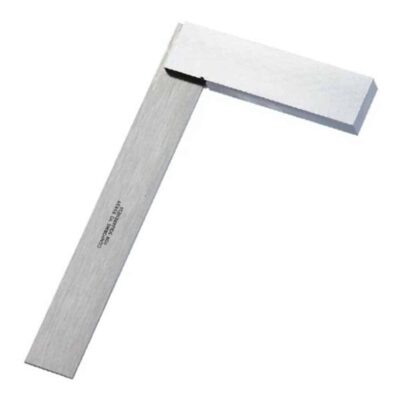
Measuring and marking tools are often overlooked because they are not seen as production assets in the same way as a welder or saw. In practice, they set the standard for everything that follows. Steel rules, tape measures, engineer’s squares, combination squares, protractors, scribers, soapstone markers and centre punches all belong on any serious metal fabrication bench. Vernier callipers and digital callipers are equally important where repeatability matters, especially on machined interfaces, brackets and assemblies with tight tolerances. If fabricated parts must align first time on site, layout tools are not optional.
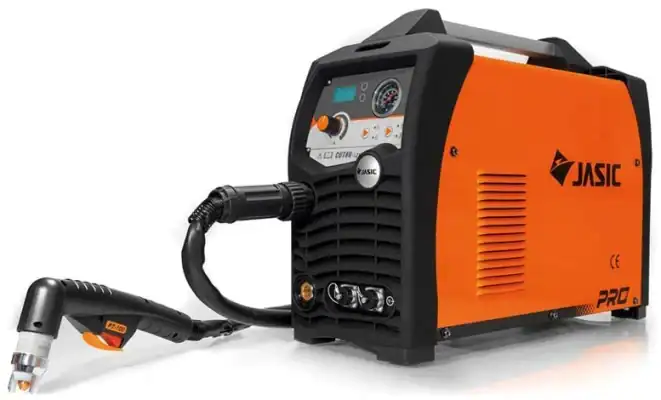
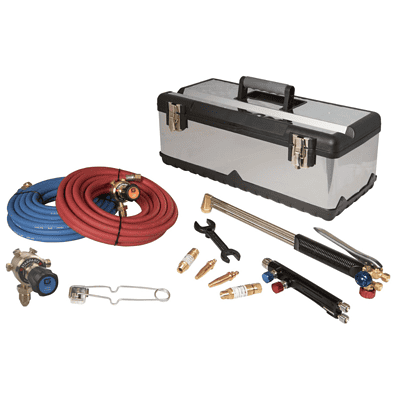
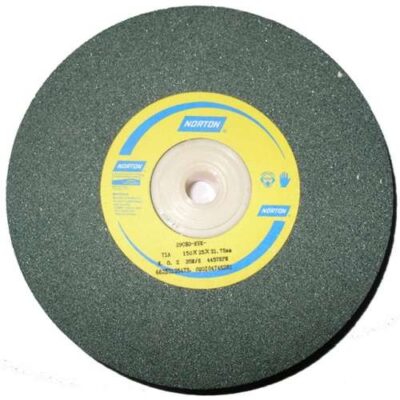
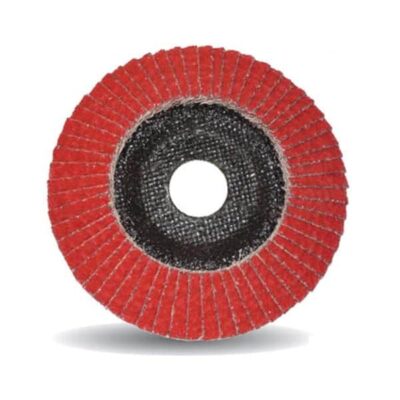
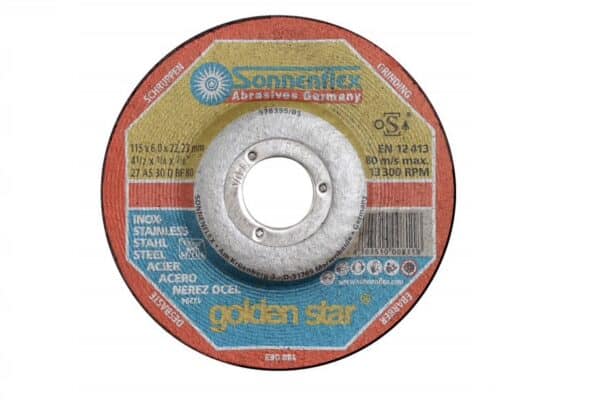
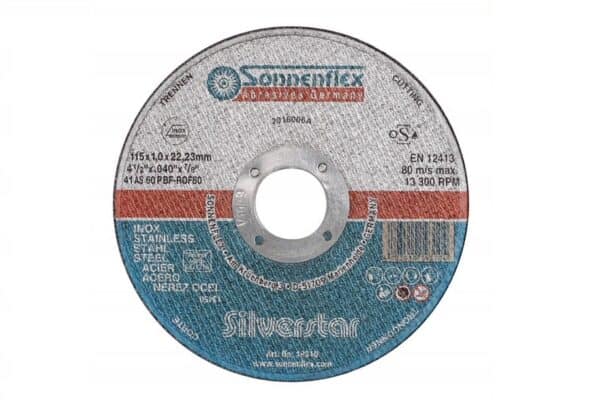
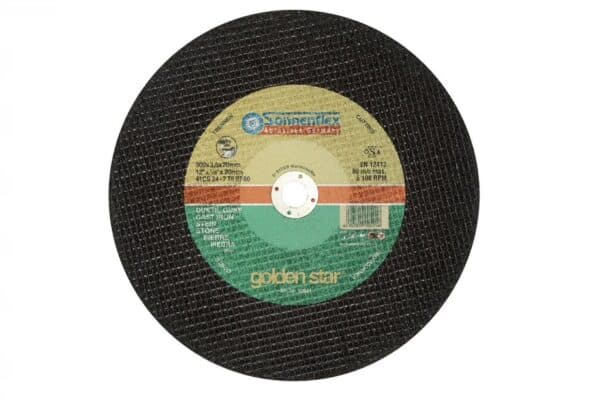
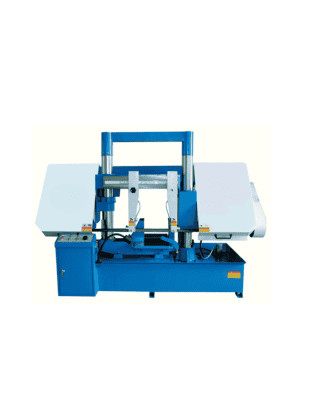
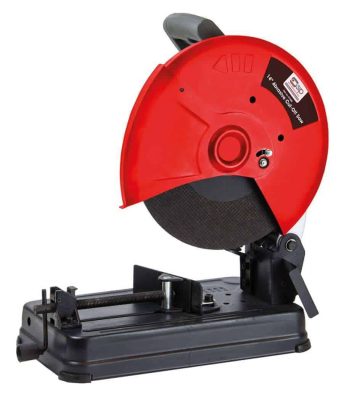
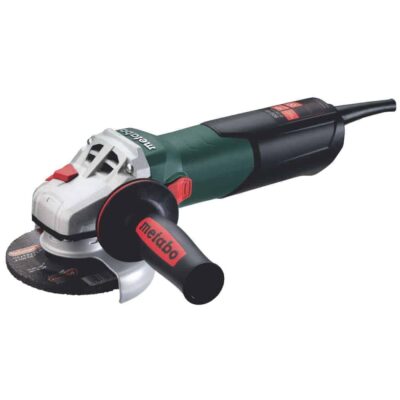
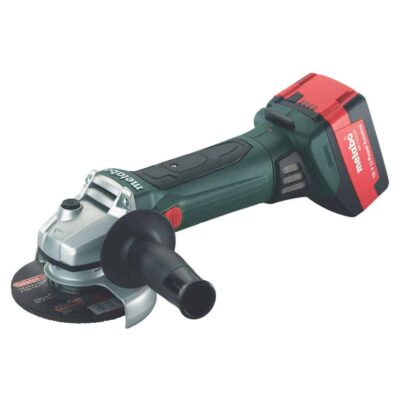
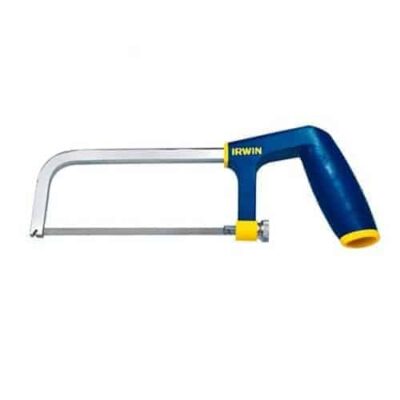
Cutting tools are the next priority. For day-to-day shop use, an angle grinder remains one of the most versatile items on any metal fabrication tools list. It handles cutting, grinding, flap disc work and weld prep, but it is only as effective as the consumables fitted to it. Thin cutting discs suit cleaner, faster cuts on lighter sections, while grinding discs and flap discs are better for edge prep and dressing. Beyond grinders, chop saws and bandsaws are standard choices for repeat cutting of bar, tube and section. A chop saw is fast and straightforward, but a bandsaw usually gives better control, less spark and more efficient cutting for higher volumes. Where sheet work is involved, guillotines, plasma cutting equipment or nibblers may be more suitable depending on thickness and finish requirements.
Cutting and shaping equipment
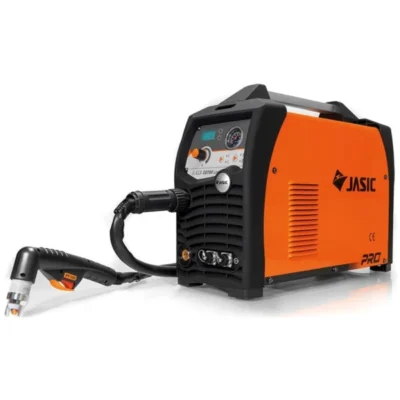
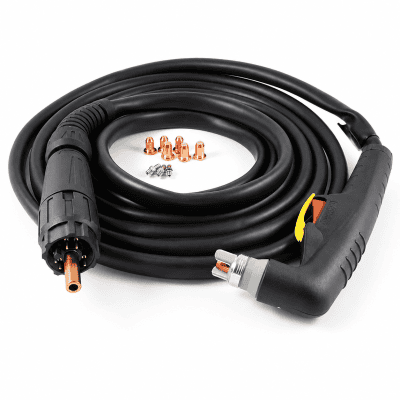
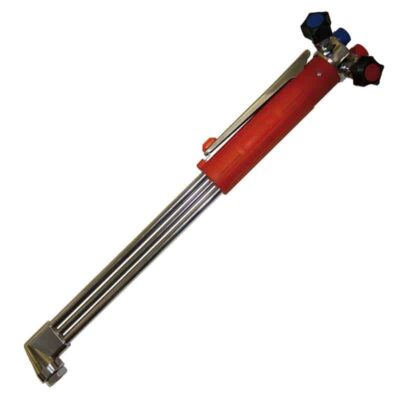
Not every shop needs the same cutting setup. If you mainly process box section, angle and pipe, a reliable saw and a stock of grinder consumables may cover most work. If you are handling plate regularly, thermal cutting becomes more relevant. Plasma systems offer speed and flexibility, particularly for profile work and awkward access, but cut quality can vary depending on power, setup and operator technique. For cleaner edge definition on thinner material, mechanical shearing may still be the better option.
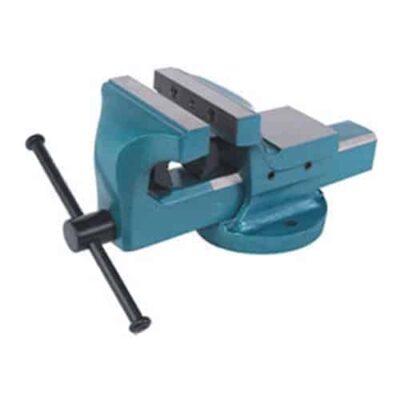
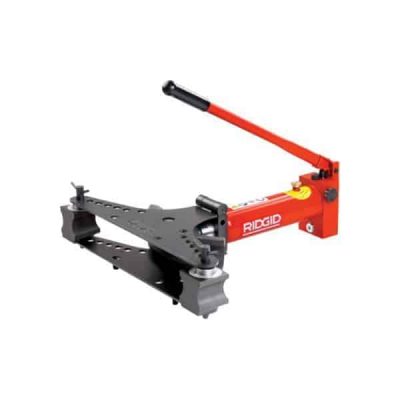
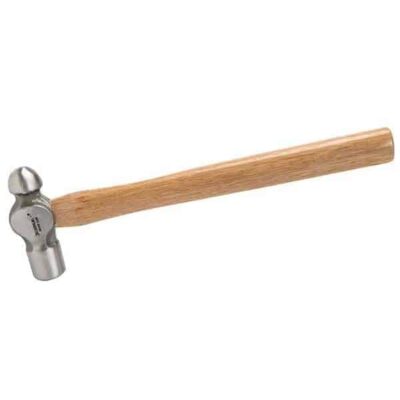
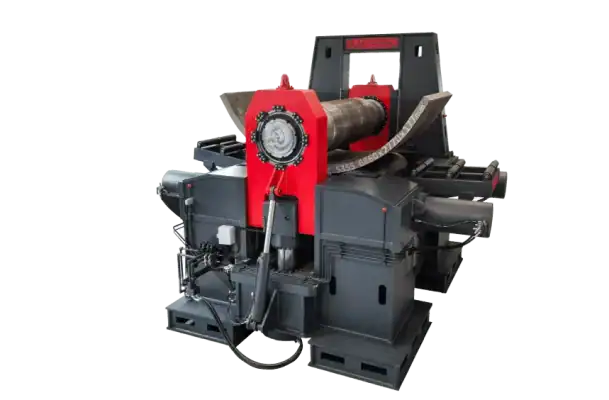
Forming tools depend heavily on what you fabricate. Bench vices, pipe benders, sheet folders and press brakes all have their place, but they solve different problems. A heavy vice is a basic requirement in almost every workshop because it supports holding, straightening and small assembly tasks. Pipe and tube fabrication may need dedicated benders and notching tools, especially where repeatable angles or handrail work are involved. For general steelwork, hammers, mallets and pry bars still earn their place because minor correction work is part of real fabrication, even in well-run shops.
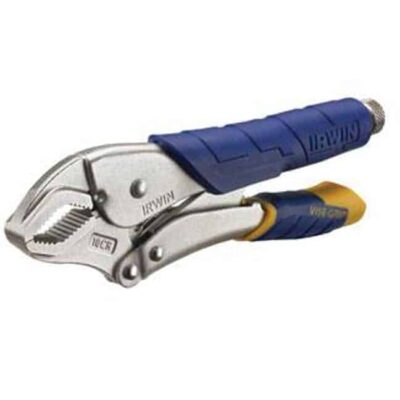
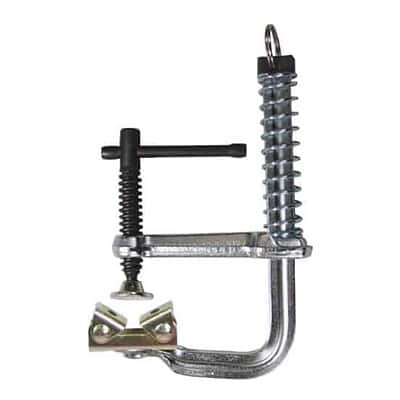
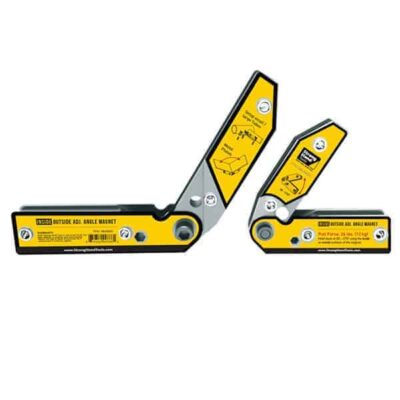
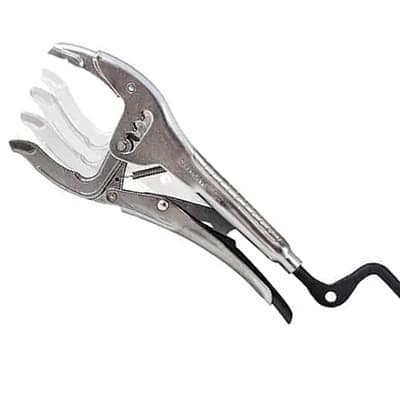
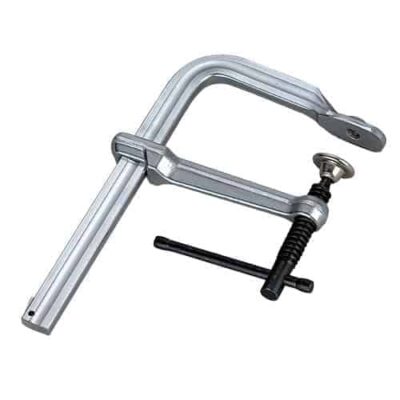
Clamping deserves more attention than it usually gets. Locking pliers, G-clamps, F-clamps, welding magnets, corner clamps and positioning squares all contribute to fit-up speed. On paper, clamps look like low-cost accessories. On the floor, they are what allow one fabricator to hold alignment, maintain gap and tack quickly without fighting the job. Poor clamping increases distortion risk and wastes time during assembly.
Drilling, holemaking and bench tools
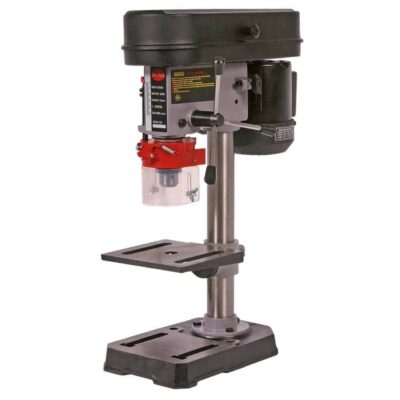
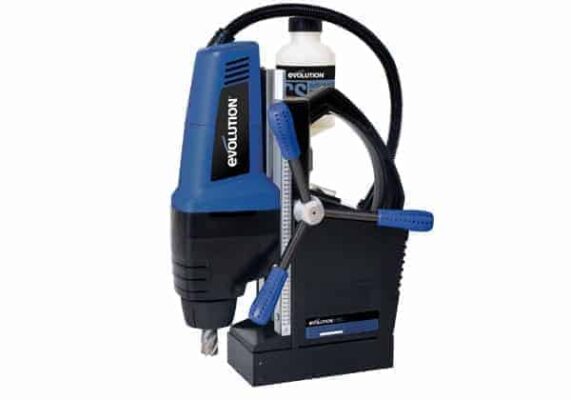
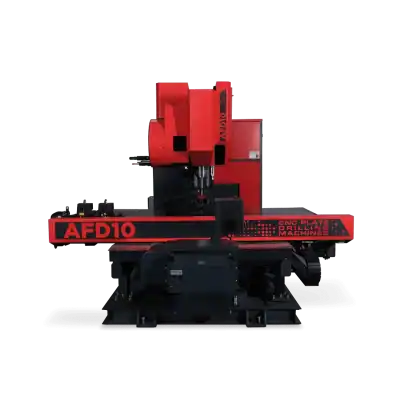
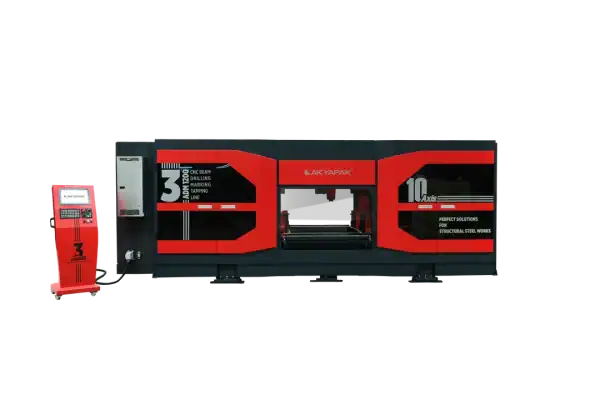
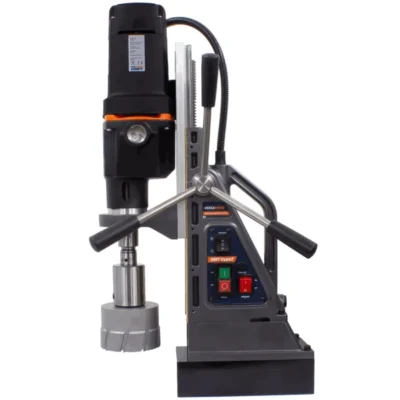
A strong drilling setup is essential if your work includes base plates, cleats, brackets, channel, platework or site repair. A handheld drill has its place, but for workshop consistency a pillar drill gives far better control over perpendicularity, hole depth and repeatability. Magnetic drills are equally valuable when working on larger fabricated sections, installed steelwork or structural members that cannot be brought easily to a machine.
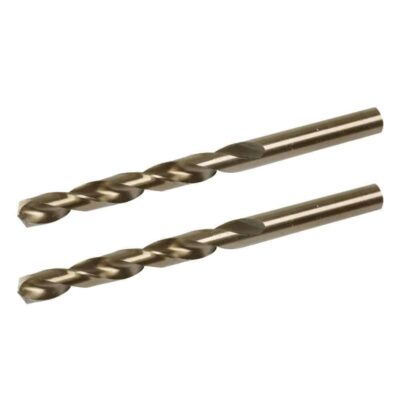
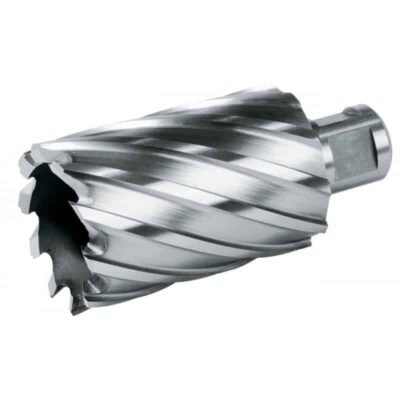
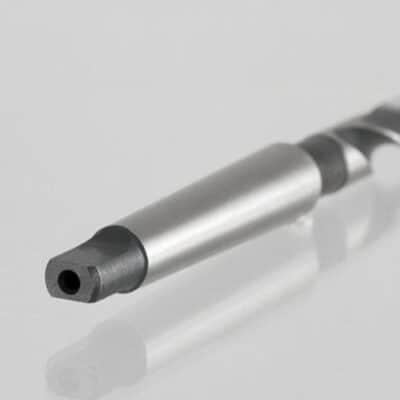
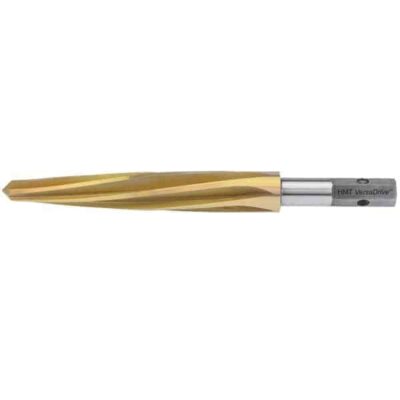
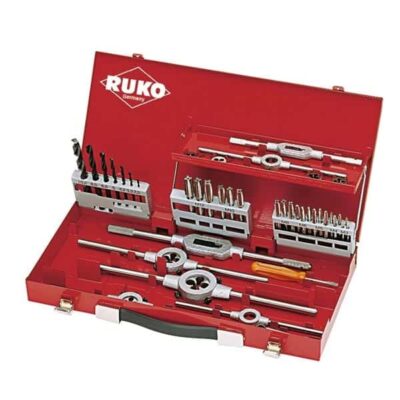
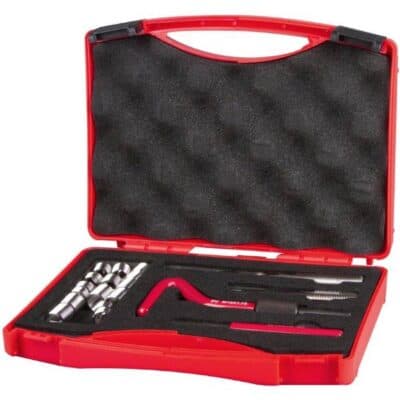
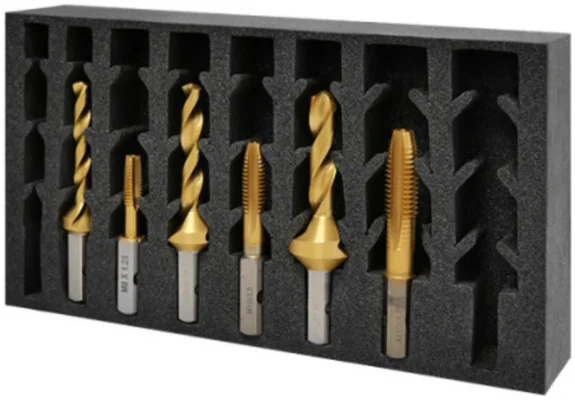
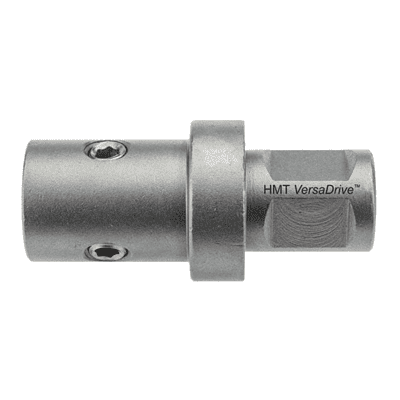
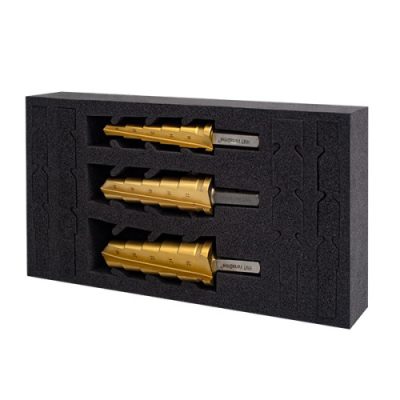
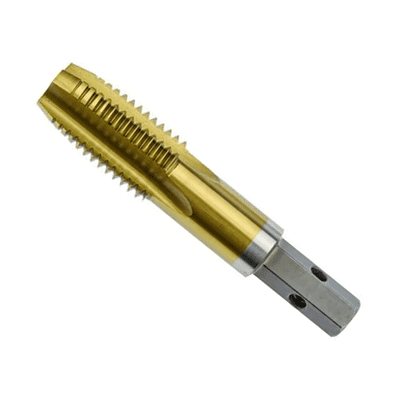
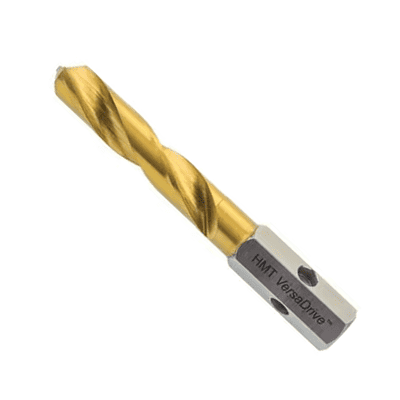
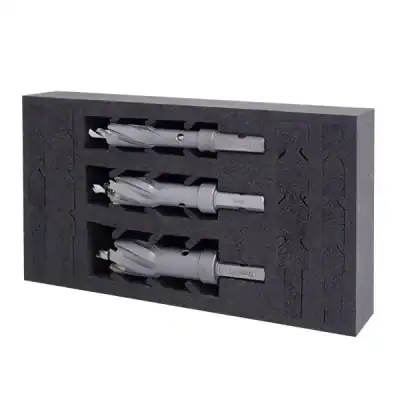
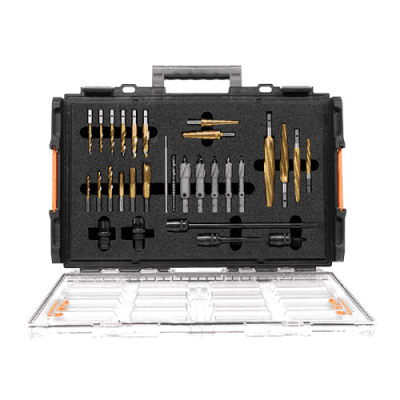
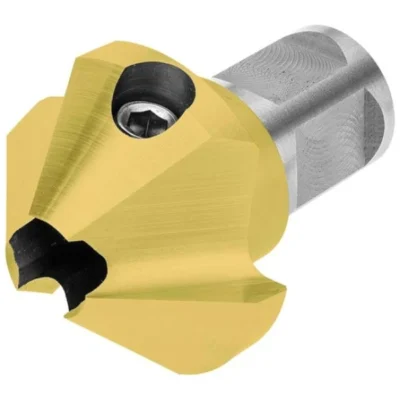
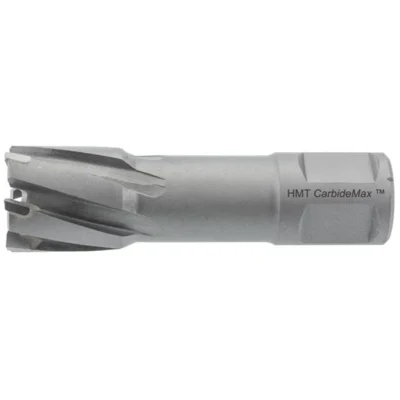
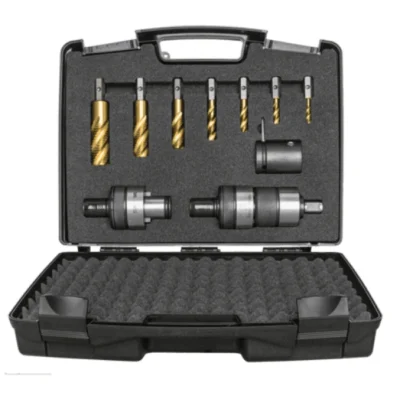
The tooling around the drill matters just as much. Quality HSS drill bits, cobalt bits for tougher materials, step drills, annular cutters, countersinks and cutting fluids should all be considered standard stock rather than occasional purchases. Tapping sets are also worth keeping close to hand for maintenance, assembly and threaded component work. If a shop drills metal daily, tool storage and stock control become practical issues. Missing bits and worn cutters are not minor inconveniences – they directly affect output.
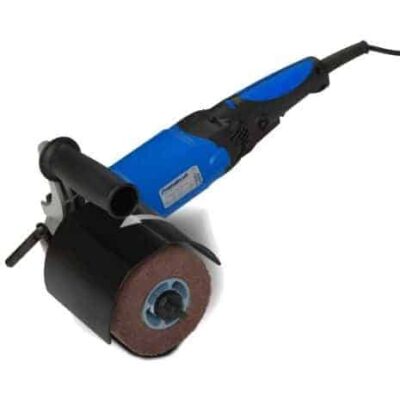
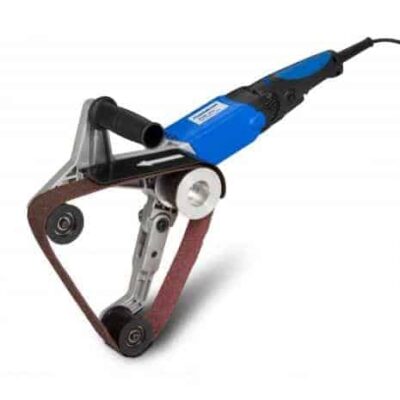
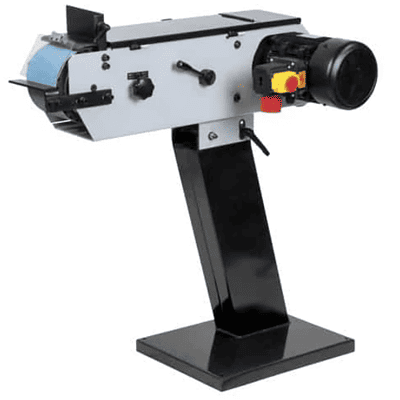
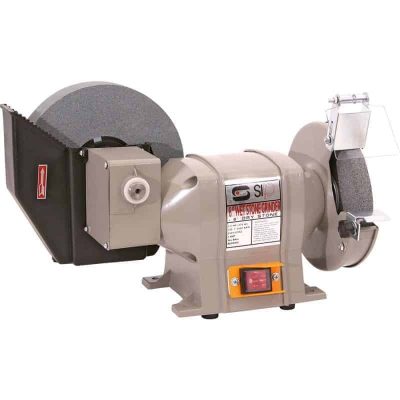
Workbench equipment belongs in this category too. Bench grinders, deburring tools and belt grinders support preparation and finishing between operations. A decent vice-mounted setup can handle a surprising amount of remedial and prep work, particularly in smaller fabrication shops where one station often serves several functions.
Welding and joining tools
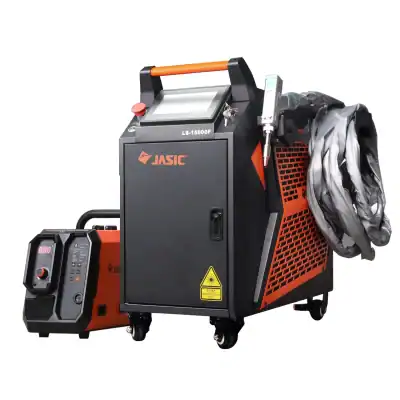
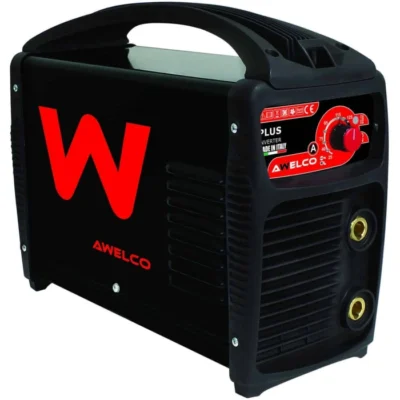
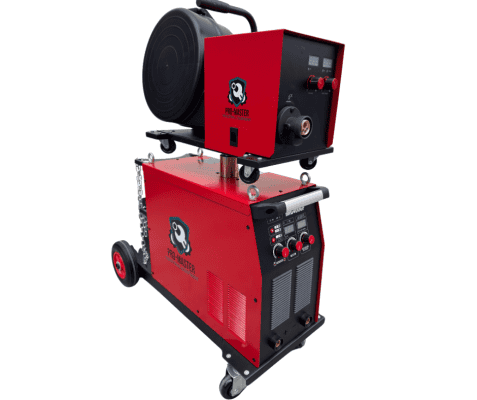
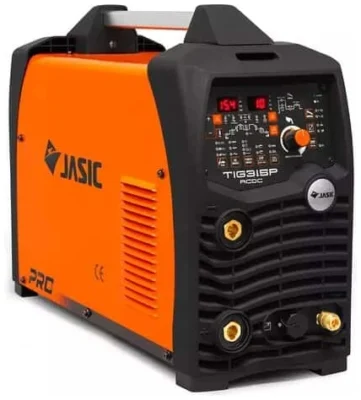
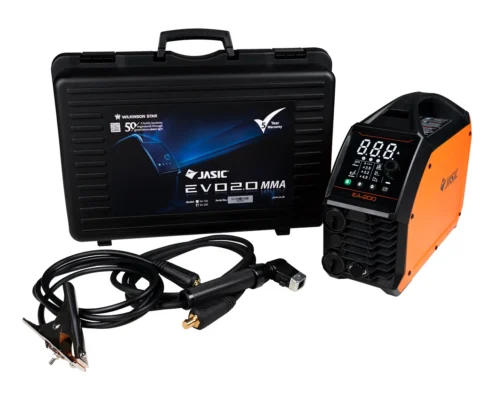
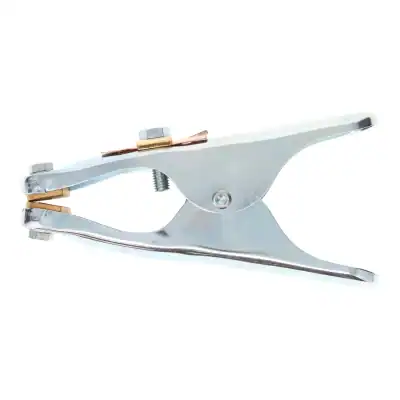
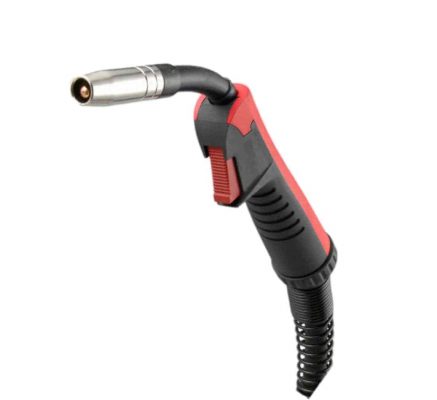
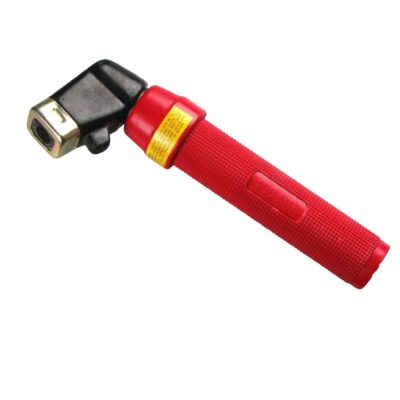
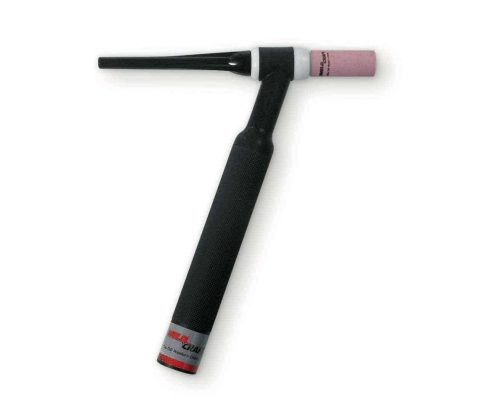
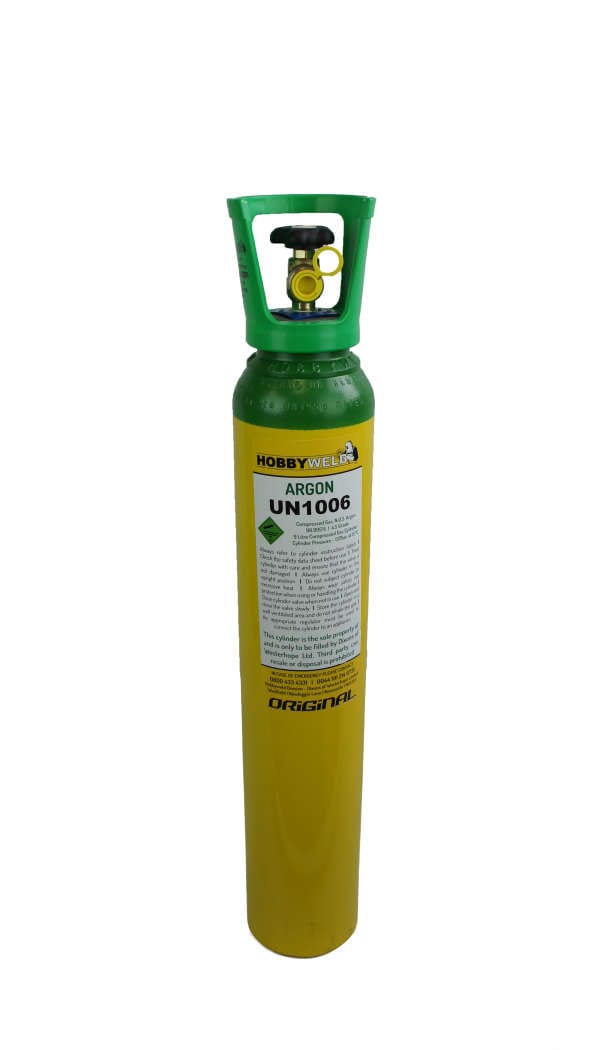
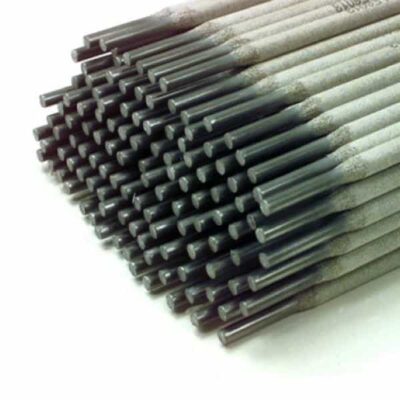
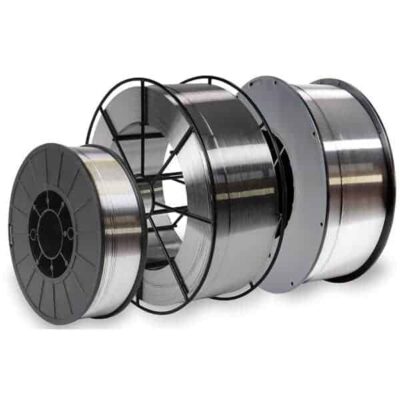
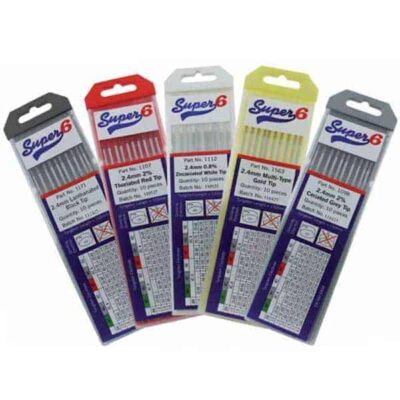
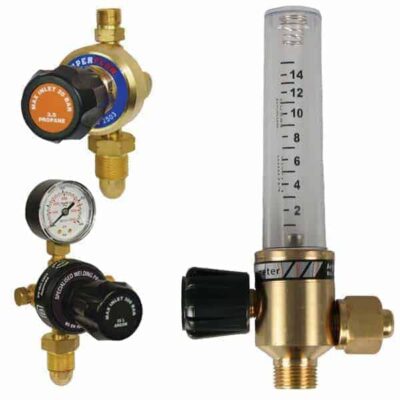
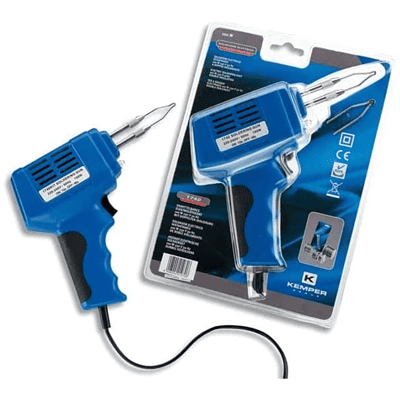
For many fabrication businesses, welding is the centre of the process rather than just one step. That means the welding section of a metal fabrication tools list needs to go beyond the power source itself. The basic requirement includes the welding machine suited to the work, a dependable torch or holder setup, work return leads, earth clamps, contact tips, nozzles, liners and the correct consumables for the material and application.
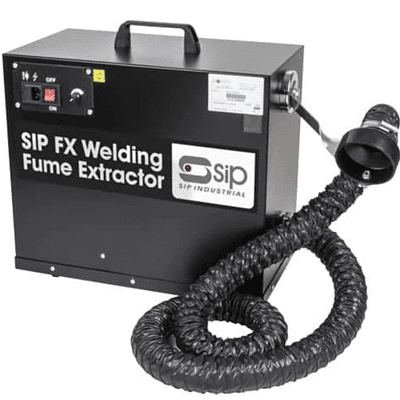
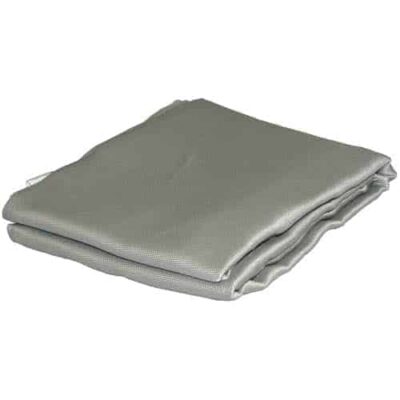
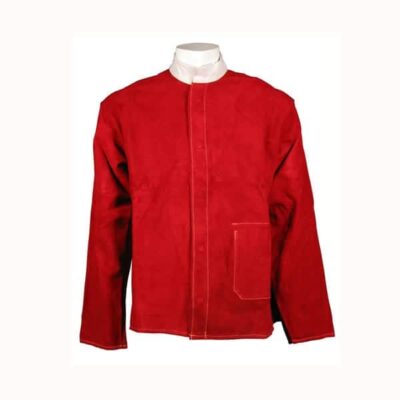
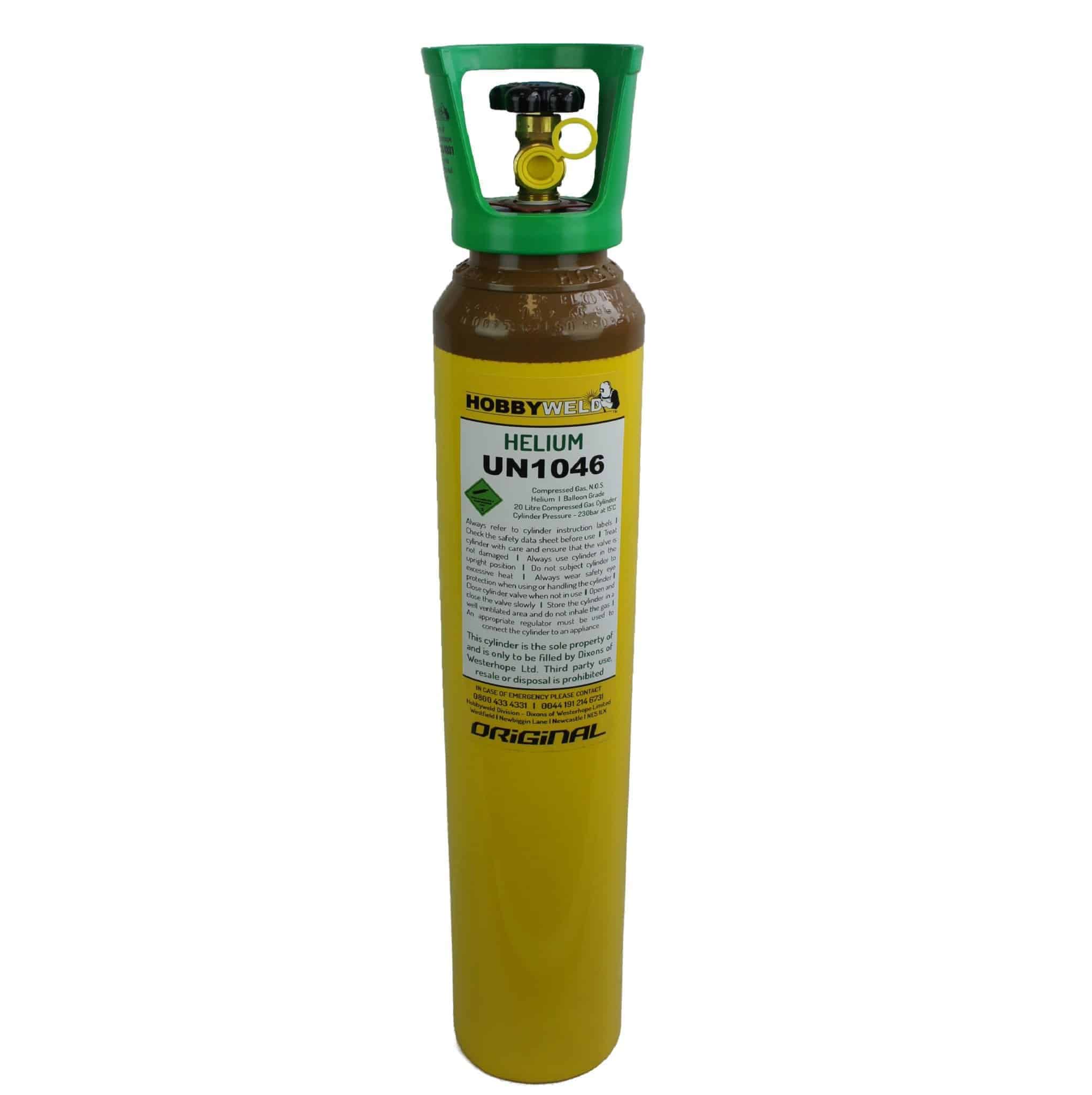
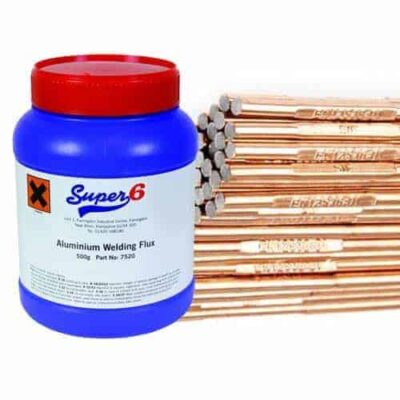
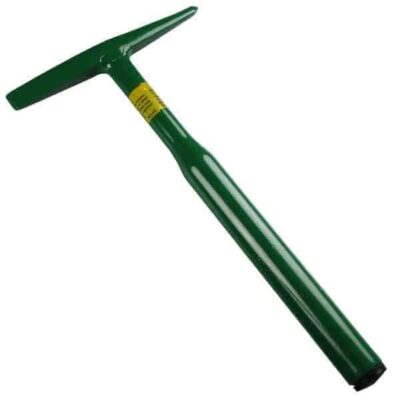
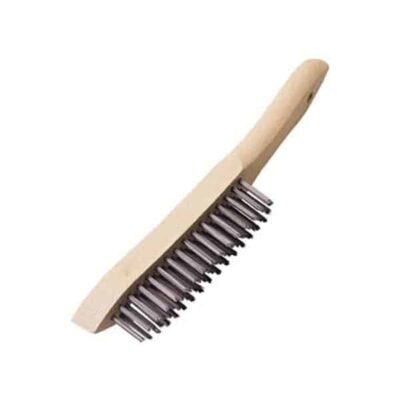
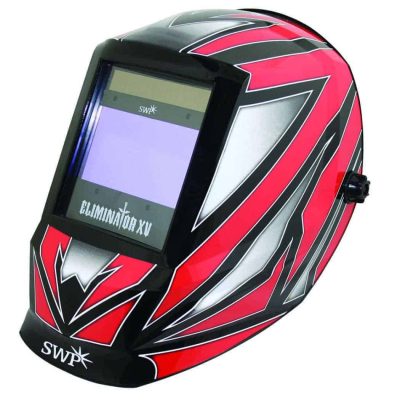
Preparation tools around welding are equally important. Chipping hammers, wire brushes, weld cleaning tools and dedicated stainless steel prep accessories should be available where relevant. If you switch between mild steel, stainless and aluminium, separation of tools is good practice to reduce contamination risk. Welding curtains, screens and extraction equipment should also be treated as working essentials, not afterthoughts.
Positioners and welding tables can make a measurable difference in productivity. A flat, properly grounded table with fixture points helps maintain accuracy during tack-up and final weld. For repetitive work, jigs and stops are often worth more than another general-purpose hand tool because they remove variation from the process.
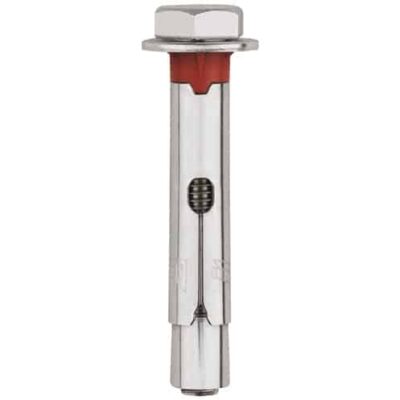
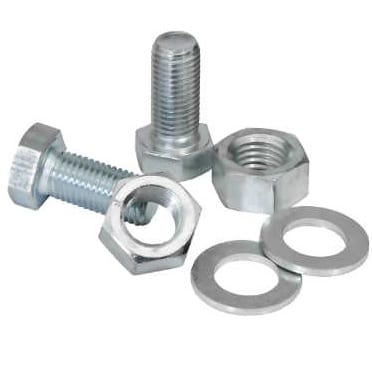
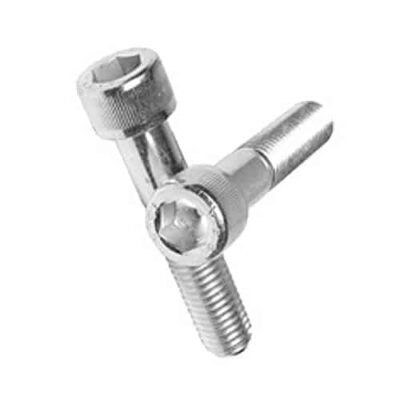
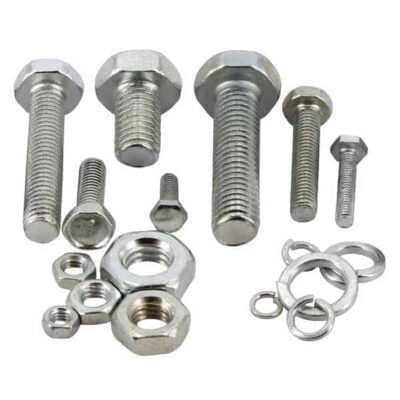
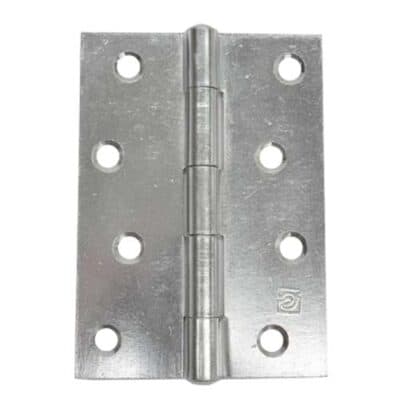
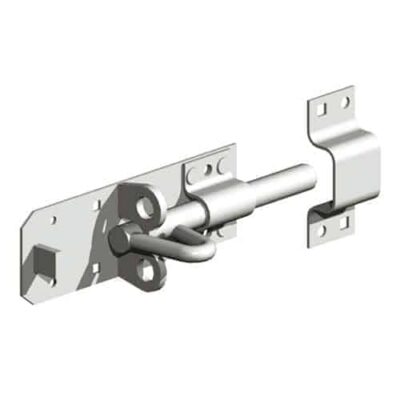
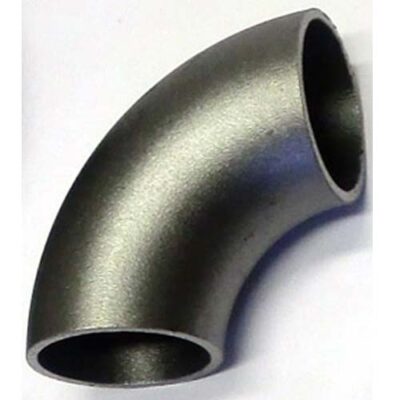
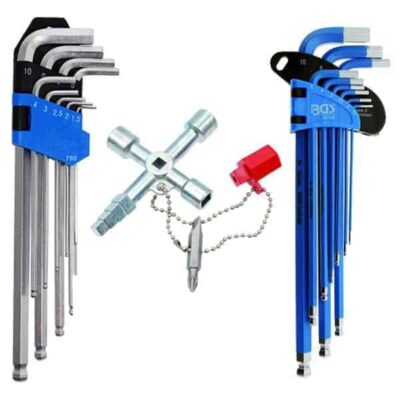
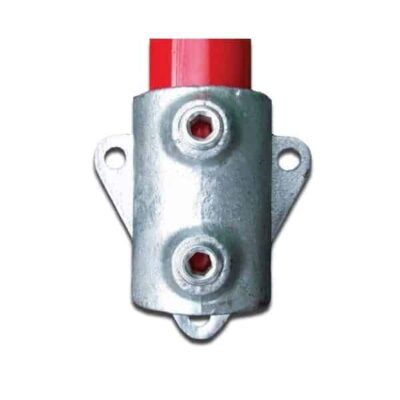
Fastening and hardware can sit alongside welding in mixed fabrication environments. Not every assembly is fully welded. Bolts, nuts, washers, key clamps, weldable hinges and weldable elbows all support jobs where the final build includes both welded and mechanical connections. In those cases, the right stockholding is part of the tooling strategy because it reduces delays between fabrication and final assembly.
Finishing, cleaning and inspection
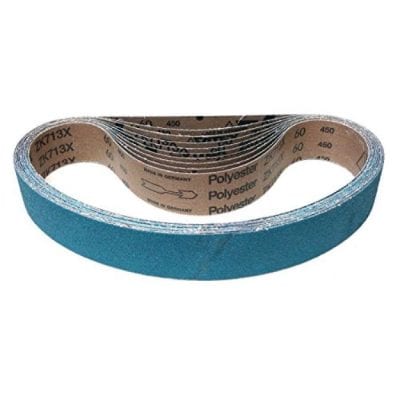
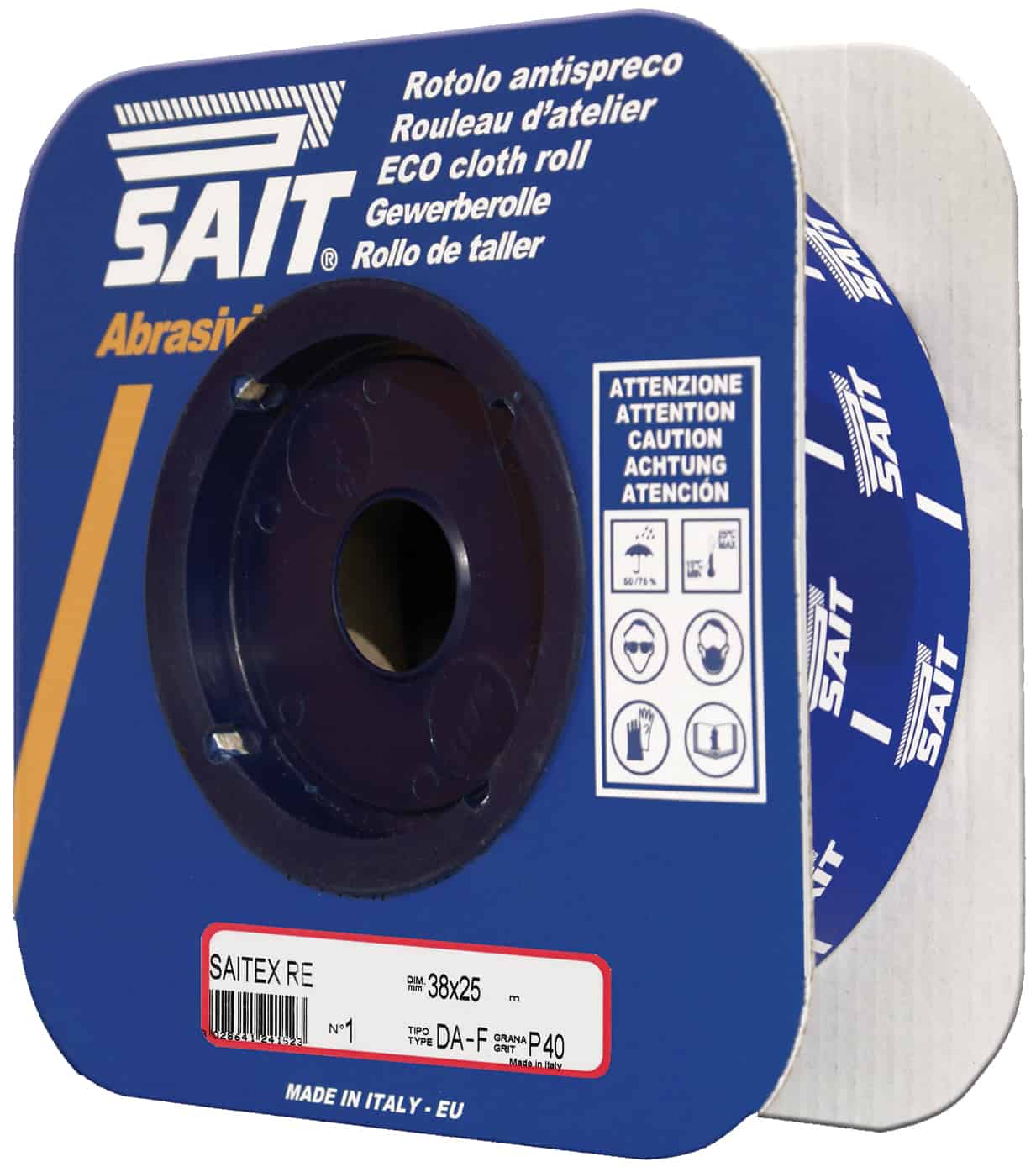
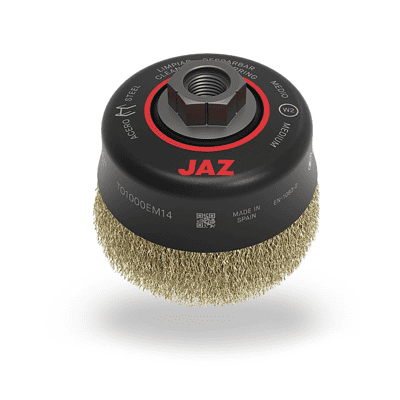
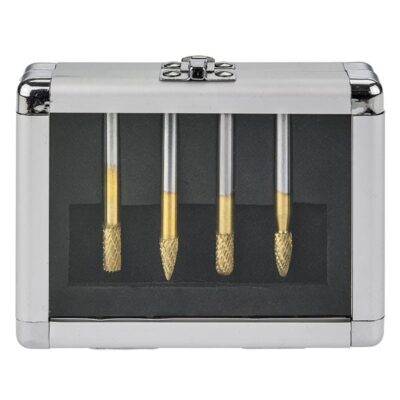
Finishing tools are where many jobs are either signed off confidently or sent back for rework. Angle grinders return here, but so do flap wheels, surface conditioning discs, files, carbide burrs and polishing accessories where finish quality is specified. Deburring is not cosmetic only. Removing sharp edges improves handling safety, fit-up and coating performance.
Inspection tools should be part of standard workshop equipment. Fillet weld gauges, straight edges, levels, thread gauges and inspection mirrors are useful in different settings depending on the type of work being produced. If your shop works to coded standards or customer inspection requirements, this category becomes more important again. There is no value in fabricating quickly if the job fails dimensional or visual checks.
Cleaning equipment matters as well. Solvent-resistant cloths, anti-spatter products and surface prep materials help keep weld zones clean and finished parts ready for coating or dispatch. If paint, galvanising or site installation is the next stage, surface condition needs to be considered from the start rather than left until the end.
Building the right metal fabrication tools list
The best approach is to build your tool list around the type of work you actually quote for most often. A fabrication shop focused on handrails, frames and brackets needs flexibility, accurate measuring tools, saw capacity and efficient welding support. A heavier workshop producing structural assemblies may need more lifting support, larger drilling capability and stronger clamping systems. Maintenance teams often place more value on portable tools because access and response time matter as much as finish.
It also pays to separate essential tools from productivity tools. Essential tools let you complete the job. Productivity tools reduce setup time, improve repeatability and limit rework. Businesses often buy the first group quickly and delay the second, but the second group is usually what improves margin over time.
Durability should guide purchasing. Trade and industrial users do not need the cheapest option if it wears out mid-contract, but they also do not need to over-specify equipment that will be used twice a month. Duty cycle, material range, operator skill and available space should all shape the decision. A well-chosen mid-range machine used correctly can outperform a higher-cost machine bought without a clear application in mind.
If you are reviewing workshop equipment, start with the tasks that cause the most delay – poor cut quality, slow fit-up, inaccurate drilling, difficult positioning or excessive finishing time. The gaps in your current setup usually show you what belongs on your next metal fabrication tools list. Good tooling does not remove skill from fabrication. It gives skilled people a more reliable way to do the job properly, every time.