





Blog
Industrial Abrasives for Fabrication Work
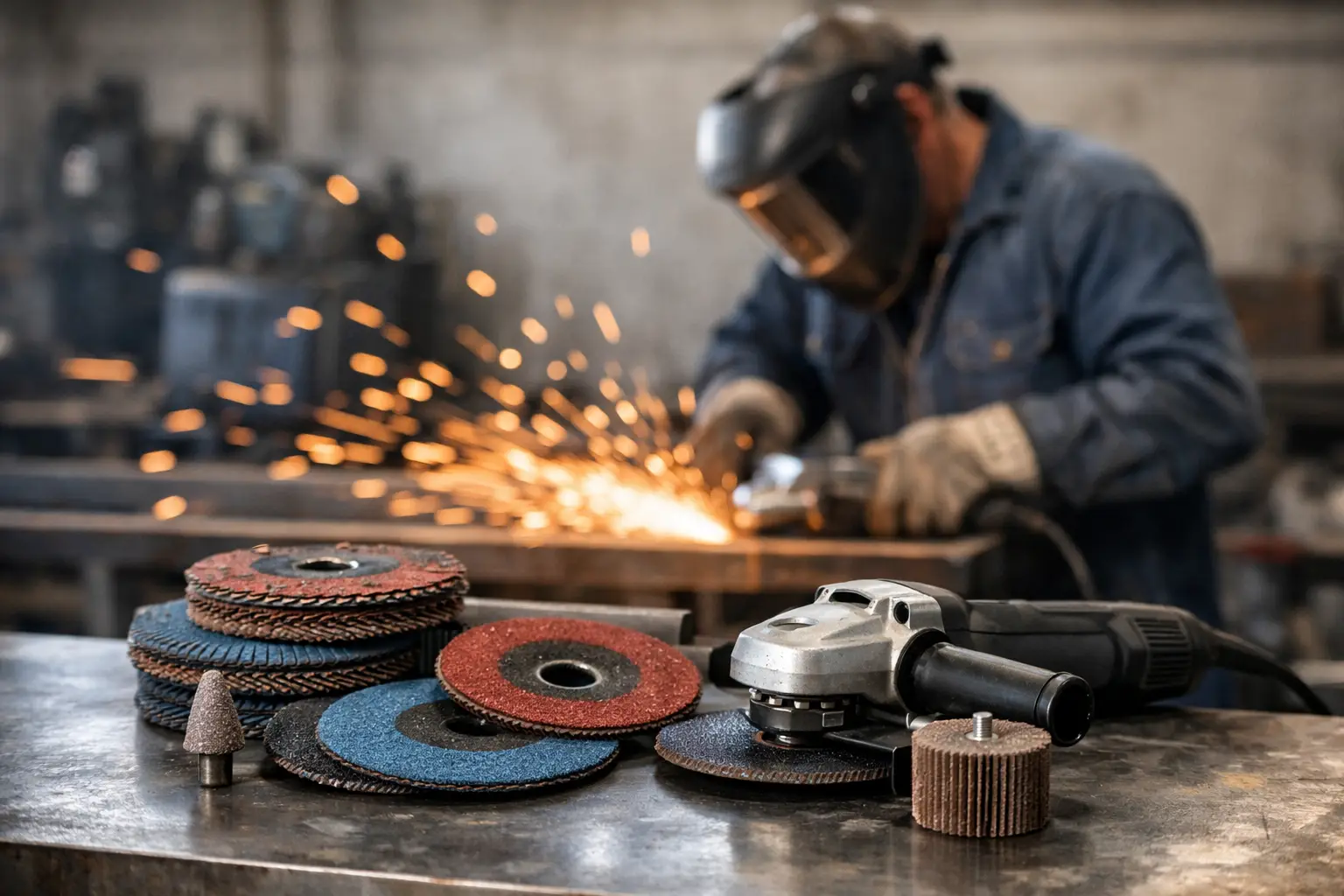
A cutting disc that stalls in heavy section, a flap disc that loads up on stainless, or a grinding wheel that leaves excessive heat marks all create the same problem: lost workshop time. Industrial abrasives are consumables, but they have a direct effect on cut quality, weld preparation, operator effort and the usable life of tools. Selecting by diameter alone is rarely enough.
For fabrication, maintenance and site work, the right abrasive must suit the base material, the task, the grinder or stationary machine, and the finish required afterwards. A disc that removes metal quickly is not automatically the best choice if it gouges the parent material, contaminates stainless steel, or demands frequent changes.
What industrial abrasives need to do
Industrial abrasives remove material through hard cutting grains held in a bonded wheel, coated disc, belt or sheet. In metalworking, that removal may mean cutting bar, dressing a weld, removing mill scale, blending an edge, preparing a surface for coating, or producing a controlled finish on stainless steel or aluminium.
The abrasive grain breaks down during use to expose fresh, sharp cutting points. That is why a quality abrasive should cut consistently rather than simply wear away. Its performance is controlled by the grain type, grain size, bond or backing, disc construction and the pressure applied by the operator.
The practical objective is not maximum aggression in every case. It is to remove the required amount of material cleanly, with reasonable heat control and without wasting discs or damaging the workpiece. For a fabrication manager, that also means predictable consumption and fewer interruptions at the bench.
Match the abrasive to the job
Cutting steel and stainless steel
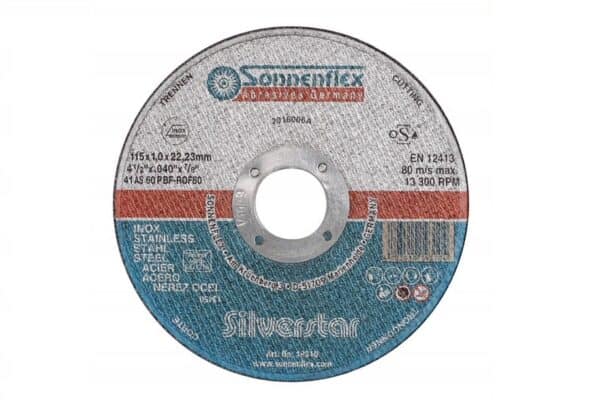
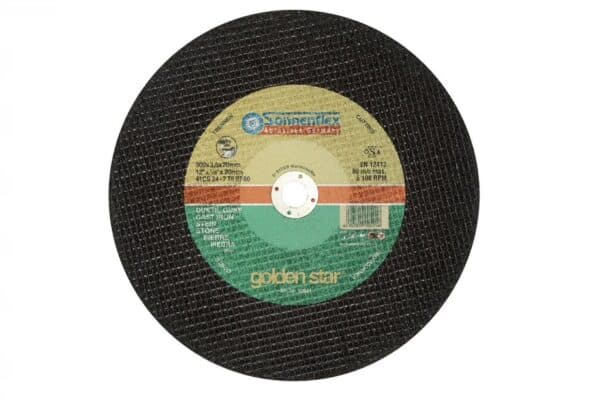
Thin cutting discs are generally the efficient choice for severing tube, box section, angle and sheet. A thinner kerf removes less material and normally cuts faster with less heat input, provided the disc is appropriate for the section and is not forced through the cut. Heavy-duty discs can be more suitable where greater side stability and durability are needed, but they will remove more material and can increase the effort required.
Use a disc specified for the metal being cut. In particular, stainless steel fabrication calls for contaminant-free abrasives designed for inox applications. Using an unsuitable disc can introduce contamination that later appears as staining or corrosion, undermining the purpose of working in stainless in the first place.
Cutting discs are for straight cutting only. They must not be used for grinding, twisting in the kerf or applying side pressure. This is both a performance issue and a safety issue.
Grinding welds and heavy stock removal
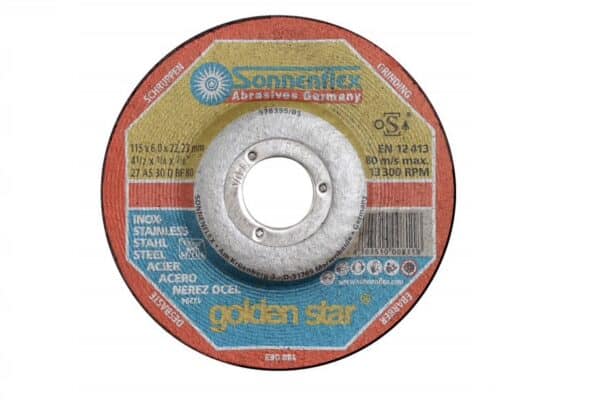
Depressed-centre grinding discs are built for more substantial material removal than cutting discs. They are suited to dressing weld caps, removing excess weld metal, cleaning rough edges and shaping carbon steel components before assembly. The operator needs enough disc face contact to work efficiently, but excessive pressure can generate heat, glaze the wheel and reduce its cutting action.
For a high weld or a thick repair, a grinding disc is often the correct first stage. Trying to complete the whole operation with a finer flap disc usually consumes more material, takes longer and can produce unnecessary heat. Grind the profile into shape first, then move to a flap disc where blending or finish quality matters.
Blending, deburring and surface preparation
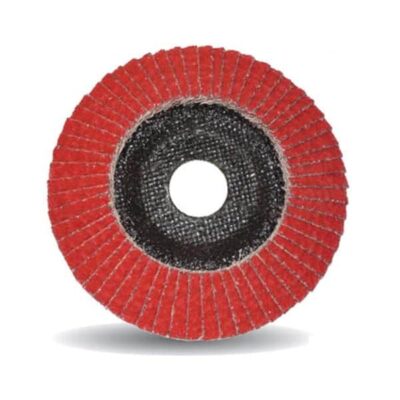
Flap discs combine coated abrasive flaps with a backing plate, providing a useful middle ground between grinding and finishing. They work well for softening weld transitions, deburring laser-cut edges, removing scale and preparing steel for paint. Their conformability makes them more forgiving on contours than a rigid grinding wheel.
Grain selection matters. Zirconia alumina is a dependable general-purpose choice for steel fabrication, offering good removal rates and service life. Ceramic grain is normally better suited to demanding applications where high stock removal, extended life and cooler cutting justify the higher unit cost. Aluminium oxide remains useful for general metal applications, while silicon carbide is commonly selected for non-ferrous metals, stone and certain specialist finishing tasks.
For stainless steel, choose abrasives dedicated to stainless work and keep them separate from carbon steel consumables. A clearly organised storage system prevents accidental cross-use at the workbench.
Aluminium and other non-ferrous metals
Aluminium can clog standard abrasive products quickly. The material smears into the grain, reducing cutting efficiency and increasing heat. Abrasives intended for aluminium often use a coating or grain arrangement that limits loading. They are worth specifying where aluminium work is regular rather than occasional.
The same principle applies to softer metals. An aggressive disc may remove material rapidly at first, but if it loads after a short period, its apparent saving disappears. Test performance over a complete job, not just the first minute of use.
The specifications worth checking before purchase
The label on an abrasive provides operational information, not just product identification. Diameter and bore size must match the tool correctly. The maximum permitted RPM must meet or exceed the no-load speed of the grinder. Never fit a disc rated below the machine speed, even if the dimensions appear correct.
Disc thickness affects both cut and control. Thin cutting discs are efficient for sectioning; thicker discs tend to offer more durability where the application is demanding. For flap discs, the grit determines the balance between removal rate and finish. Coarser grits such as 40 or 60 are practical for weld blending and scale removal, while 80 or 120 grit is more appropriate where a cleaner surface is needed before finishing.
Backing plate construction also changes the result. Fibreglass backing is a common option for general fabrication because it is strong, light and suited to routine grinding. Plastic backing can offer useful flexibility for finishing applications. The right choice depends on the required contact pressure, contour of the component and whether the disc needs to reach into tight areas.
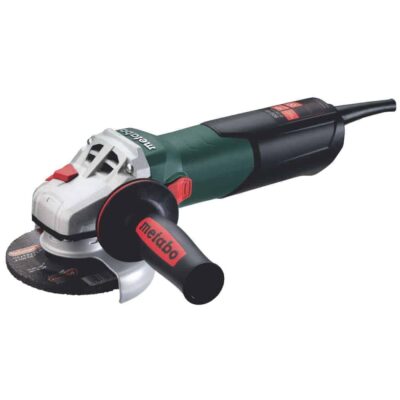
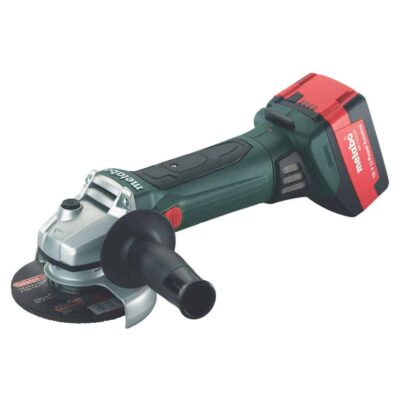
Do not overlook the machine itself. A 115 mm angle grinder suits general bench work and restricted spaces, while 125 mm and 230 mm machines provide greater coverage or cutting depth for larger components. Larger discs are not automatically more productive if the work is intricate or access is poor. A well-matched tool and abrasive combination is usually faster than forcing a large disc into a small task.
Getting better service life from abrasive discs
Abrasive life is influenced as much by handling as by product quality. Operators should allow the grain to cut rather than lean heavily on the tool. Too much pressure creates heat, damages the abrasive and puts unnecessary load on the grinder. A steady approach, correct working angle and sensible contact area normally produce a better rate of removal.
Storage matters as well. Keep discs dry, protected from impact and away from conditions that could affect their integrity. A damaged, dropped or contaminated disc should not be put back into service. Before fitting, inspect it for cracks, chips, distorted backing plates or visible damage.
For larger teams, standardising a small range of proven abrasives can reduce waste. Stocking every possible grit and disc type may sound comprehensive, but it can lead to duplication, incorrect use and slow replenishment. A practical core range for steel fabrication often includes cutting discs, grinding discs, coarse and medium flap discs, plus dedicated stainless and aluminium options where those materials are worked regularly.
Safe use is part of abrasive selection
Guards, correctly fitted flanges and suitable personal protective equipment are not optional extras. The grinder guard must be fitted and positioned to deflect debris away from the operator. Eye and face protection, hearing protection, gloves suited to the task and appropriate workwear should be selected alongside the abrasive.
Let the disc reach operating speed before contacting the work. Secure the component, maintain a stable stance and keep bystanders out of the line of sparks. When cutting, support both sides of the workpiece where practical so the kerf does not close and trap the disc. For stainless and coated materials, account for the sparks and fumes produced by the operation as part of the risk assessment.
Abrasives should also be within their stated expiry date where applicable. Bonded products have a defined shelf life because their bonding materials can deteriorate over time. Buying in bulk can be cost-effective, but only where stock rotation and storage conditions are properly controlled.
The best industrial abrasive is the one that produces the required result without creating a second operation. Start with the metal, define the removal or finish needed, then select the disc and grit around the machine and working conditions. That approach keeps consumable spend under control while giving welders and fabricators a cleaner, more reliable finish from the first pass.