
























Blog
How to Store Welding Consumables Properly
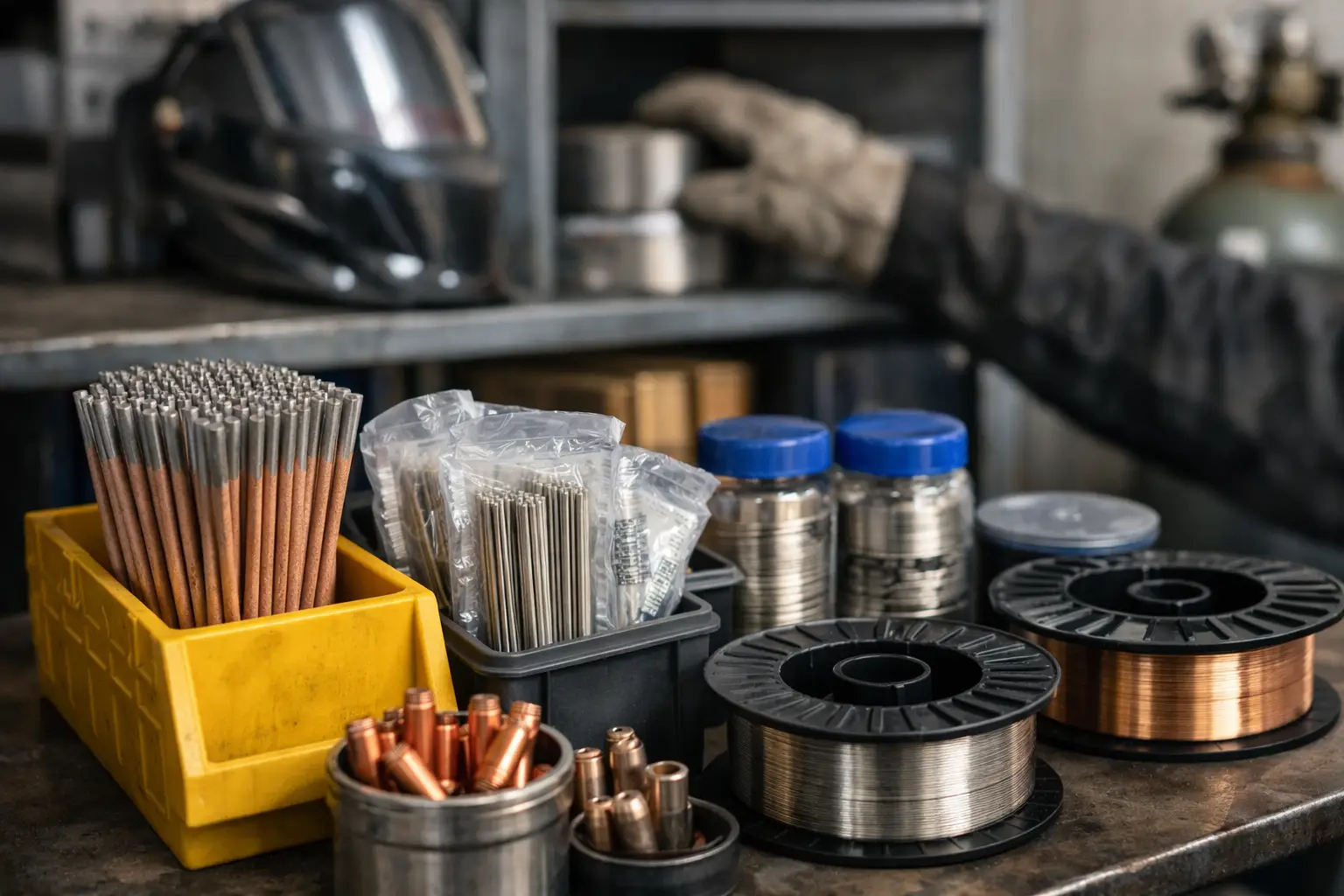
A packet of low-hydrogen electrodes left open on a damp workshop bench can turn a sound welding procedure into a porosity, cracking or hydrogen-control problem. Knowing how to store welding consumables is therefore not a housekeeping exercise. It is part of controlling weld quality, reducing rework and protecting the performance you paid for.
For fabrication shops, site teams and maintenance departments, the right arrangement depends on the consumable type, its coating or flux system, and the requirements of the job. The common rule is simple: keep consumables clean, dry, identified and protected from damage. The detail is where weld quality is won or lost.
Why welding consumable storage affects the weld
Many welding consumables are designed to work within a controlled moisture range. If an electrode coating or flux absorbs moisture, that moisture can break down in the arc and introduce hydrogen into the weld pool. The result may be visible porosity, unstable arc behaviour or excessive spatter. In more demanding carbon steel work, particularly thick restrained sections and higher-strength steels, diffusible hydrogen can contribute to delayed hydrogen cracking.
Wire can also suffer in poor storage. Moisture, dust, oil and workshop contaminants affect feed consistency and weld cleanliness. Bare wire left exposed may corrode, while aluminium filler can pick up surface contamination that leads to porosity. Submerged arc flux is especially vulnerable because its condition directly affects the weld deposit and slag system.
Storage also protects traceability. Once different grades, diameters or batch numbers become mixed in a consumables store, there is a genuine risk of using the wrong product for the welding procedure. A tidy store supports both quality control and efficient production.
Start with a dry, controlled store
The main consumables store should be indoors, dry and reasonably temperature-stable. Avoid unheated containers, open sheds and areas beside external roller doors where condensation is likely. It is not enough for a box to feel dry when opened. Repeated temperature swings can create condensation inside packaging and on metal wire surfaces.
Keep cartons and tins off the floor on shelving or pallets. This prevents damage from washdown, standing water and forklift traffic, while allowing air to circulate around stock. Do not position consumables directly against cold external walls. A clear, labelled shelving system is more useful than a large pile of apparently sealed cartons.
The store should be clean as well as dry. Grinding dust, oil mist and steel swarf have no place around exposed wire, TIG rods or opened flux. Separate consumables from corrosive chemicals, paint stores and cleaning products. Even where packaging remains intact, a clean storage area makes stock inspection and handling far more reliable.
Relative humidity targets and temperatures vary by product and manufacturer. Where a consumable data sheet or welding procedure gives storage requirements, that instruction takes priority. For critical coded work, record store conditions and oven temperatures as part of the quality system rather than relying on an occasional visual check.
How to store welding consumables by type
Stick electrodes
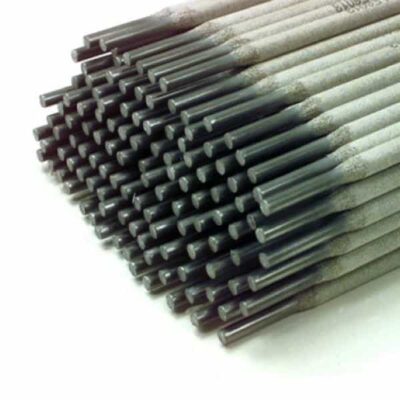
Stick electrodes require the most careful distinction between types. Basic low-hydrogen electrodes are highly sensitive to moisture pickup after opening. Keep unopened packs sealed until required, then transfer opened electrodes to a suitable heated holding oven where the job specification calls for it. A portable heated quiver can keep a small working quantity in acceptable condition at the point of use.
Do not assume every electrode needs the same oven setting. Holding temperatures and any re-drying requirements depend on the coating type and the manufacturer’s instructions. Re-drying is not simply warming damp rods. It needs controlled time and temperature, and some electrodes can be damaged if treated incorrectly. If electrodes have been exposed beyond the permitted period or their condition is uncertain, follow the product guidance or remove them from critical work.
Rutile and general-purpose electrodes are usually more tolerant than low-hydrogen types, but they still need a dry, sealed location. Keep opened packets closed between shifts and avoid leaving rods in open site boxes. Cellulosic electrodes need particular care because excessive heating may affect their intended operating characteristics. Store and condition these products only as specified for that electrode.
MIG, MAG and flux-cored wire
Keep wire in its original sealed packaging until needed. Once fitted to a machine, protect the spool from dust and moisture with the machine cover or a spool cover if available. At the end of a shift, remove exposed wire from harsh site conditions where practical, especially when equipment is stored in a vehicle, container or unheated area.
Avoid touching bare wire with oily gloves. Contamination can transfer into the liner and contact tip, affecting feeding and causing inconsistent arc performance. Check that the spool is correctly retained, the wire is not kinked and the outer wraps have not loosened. Damage at the spool often becomes a feeding issue later, when time on the job matters most.
Flux-cored wires need the same clean, dry discipline, with additional attention to packaging integrity. If a spool shows corrosion, damaged flux core, crushed edges or unexplained feeding problems, do not treat it as normal stock. Quarantine it for assessment.
TIG rods and aluminium filler
TIG filler rods should be stored in labelled tubes or racks that protect them from dust, moisture and mix-ups. Keep stainless, mild steel, nickel alloy and aluminium fillers physically separated. A rod rack with clear grade and diameter labels reduces the chance of grabbing a visually similar filler for the wrong application.
Aluminium filler deserves a clean, dedicated area. Keep it dry, covered and away from grinding dust and steel contamination. Do not place rods loose on benches, especially where they may be walked on, handled with dirty gloves or exposed to coolant and cutting fluids.
Submerged arc flux
Submerged arc flux must be kept in sealed, moisture-resistant containers in a dry store. Once opened, handle it with clean, dry scoops and keep the container closed when it is not in use. Never return used flux straight into fresh stock without an approved recovery and screening process. Recovered material can carry fines, slag fragments and contaminants that alter welding performance.
Flux conditioning and re-baking temperatures are product-specific. Follow the supplier’s technical information and the applicable welding procedure. For procedure-controlled production, label opened containers with the date and time, then apply a defined issue and return process.
Control stock at the point of use
A good central store can be undermined by poor handling on the workshop floor. Issue only the quantity needed for the shift or task. This limits exposure and makes it easier to identify what has been opened. For low-hydrogen electrodes, use heated quivers rather than improvised containers. For wire, keep spare spools sealed until a changeover is required.
Every opened pack, tube or container should retain its product identity. At minimum, labels should show consumable classification, diameter, batch or lot number where relevant, and the date opened. In coded fabrication, match this information to the welding procedure and material traceability system.
Use first-in, first-out stock rotation. It prevents older cartons being forgotten at the back of the rack and makes inspection manageable. Check packaging regularly for torn foil, water staining, crushed tins, rust, loose wire wraps and missing labels. Any suspect item should be separated from serviceable stock rather than returned to the shelf for someone else to use.
Common storage failures to avoid
The most frequent issue is treating all consumables alike. A dry cupboard may be adequate for sealed general-purpose wire but not for opened low-hydrogen electrodes required for structural work. Equally, an electrode oven is not a solution for every rod type.
Other avoidable failures include storing cartons on concrete floors, leaving spools on machines through damp weekends, combining different filler grades in one open rack, and returning unused flux directly to its original container. These shortcuts appear minor until defects, failed testing or lost production expose the cost.
Do not use visual condition as the only acceptance test. An electrode can look perfectly serviceable after moisture exposure, while a wire spool may look clean but carry contamination from poor handling. Storage rules should be based on the consumable specification and job requirements, not guesswork.
Set up a storage system that fits the work
For a small workshop, a dry lockable cabinet, labelled racks, sealed stock rotation and a correctly selected electrode oven may be sufficient. Larger fabrication operations benefit from a dedicated consumables room, controlled issue points, documented oven checks and batch traceability. Site work may require sealed transport cases, heated quivers and a clear rule that unused consumables return indoors at the end of each shift.
The system should match the consequence of failure. General repair work and procedure-controlled structural fabrication do not carry the same risk, but both benefit from clean, dry and identifiable consumables. When storage becomes a routine part of weld preparation, the workshop spends less time chasing preventable defects and more time producing consistent work.