


























Blog
Industrial Welding Supplies Guide for Fabricators
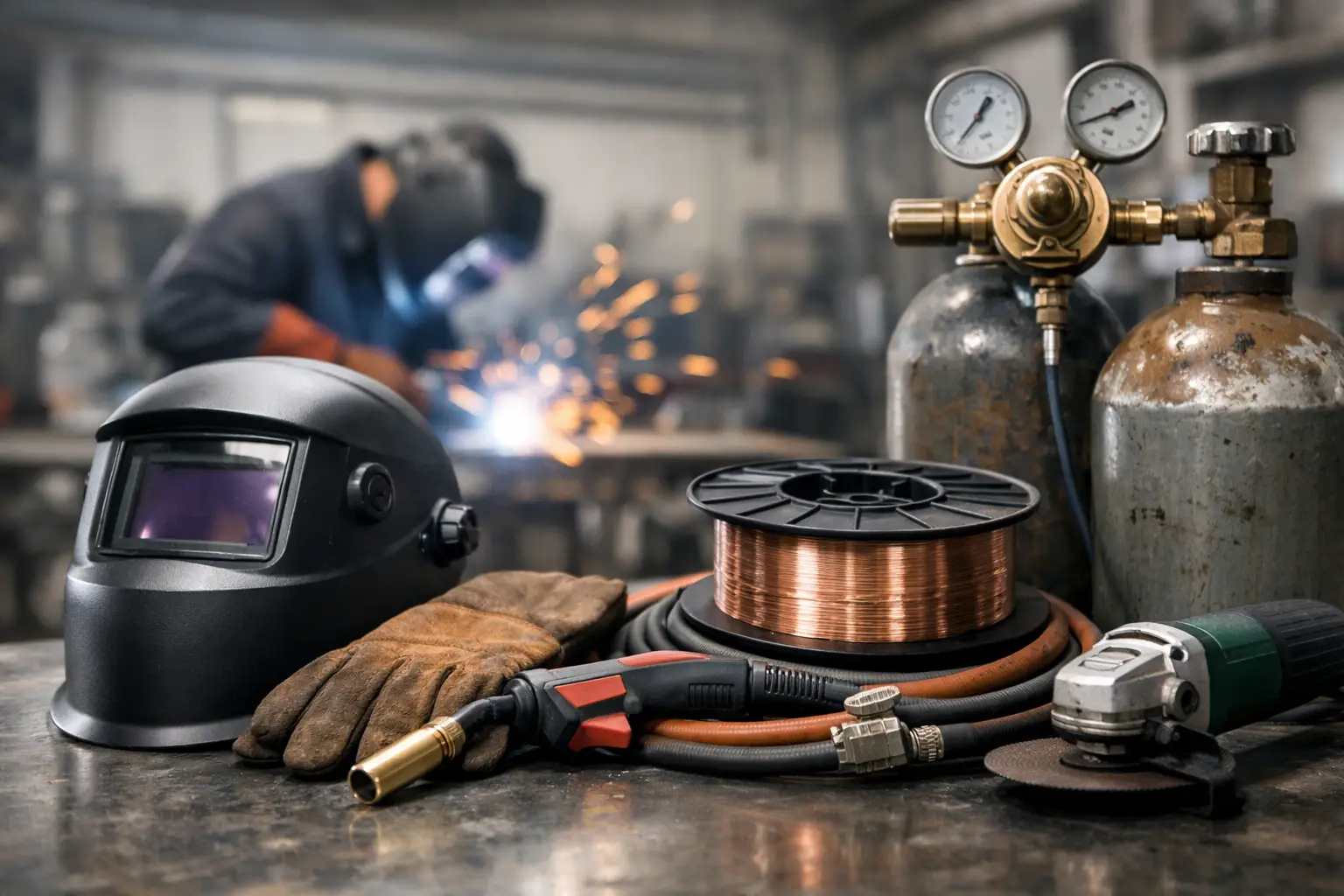
A fabrication job rarely stops because of the main welding set. It stops because the correct wire is unavailable, a torch consumable has worn out, a clamp is not suited to the assembly, or a replacement hinge is holding up final fit-out. A proper industrial welding supplies guide should therefore look beyond the welder itself. Product choice affects weld quality, labour time, rework, safety and the ability to keep work moving through the workshop.
For professional buyers, the right supply decision starts with the job specification: parent material, thickness, joint design, welding position, production volume and site conditions. Buying solely on unit price can create false economy where consumable life, deposition rate or consistency are compromised.
Start with the material and process
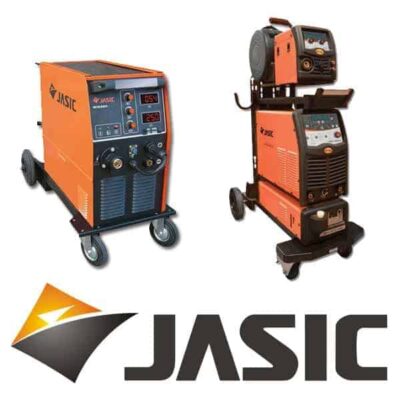
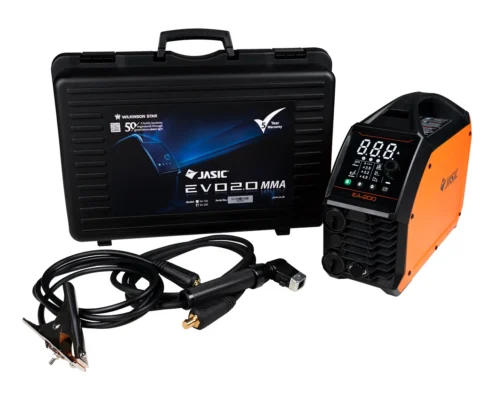
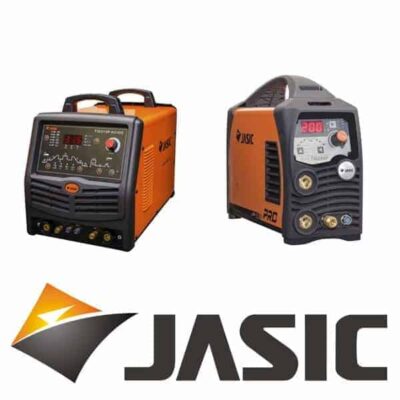
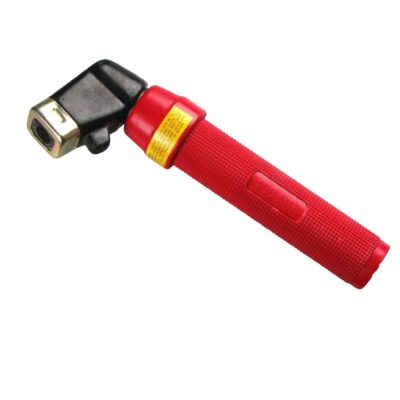
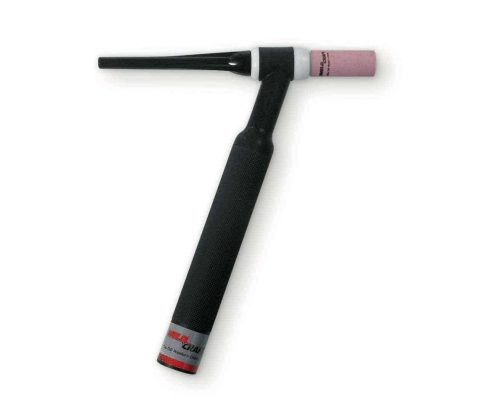
The parent material determines much of the purchasing decision. Mild steel fabrication commonly requires MIG equipment and compatible solid wire, while stainless steel and aluminium demand greater control over cleanliness, filler selection and shielding gas. Structural repair, erection work and maintenance tasks may favour MMA for its portability and tolerance of less-than-perfect working conditions. TIG remains the process of choice where appearance, heat control and precise work on thin or specialist materials matter.
Thickness and joint preparation are equally relevant. A light-gauge panel does not need the same wire diameter, amperage range or torch arrangement as a heavy structural bracket. Selecting a machine with excessive output can be as unhelpful as selecting one with too little. The useful range is the range in which the operator will work most often, with adequate duty cycle for the expected production demand.
Where several processes are used in one workshop, standardising equipment and consumables can simplify training, stocking and servicing. However, standardisation should not force every job through one process. A maintenance team may need a compact MMA unit for field repairs alongside dedicated MIG stations for repeat fabrication.
Industrial welding supplies guide: equipment that earns its place
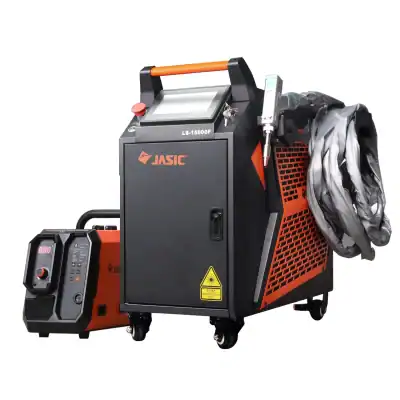
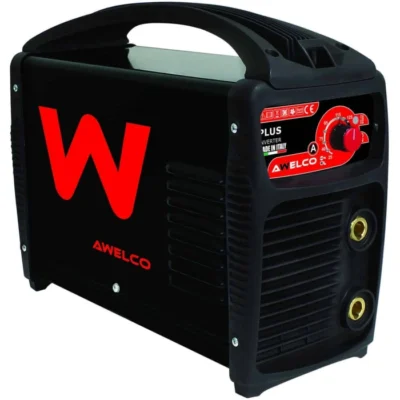
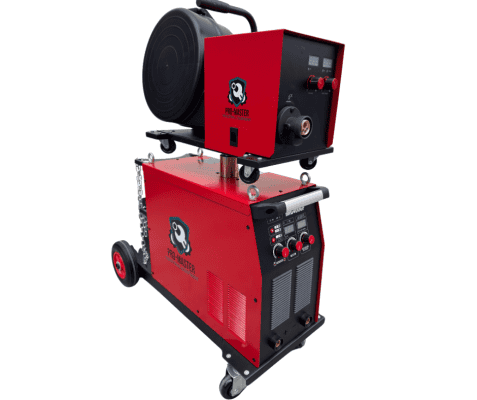
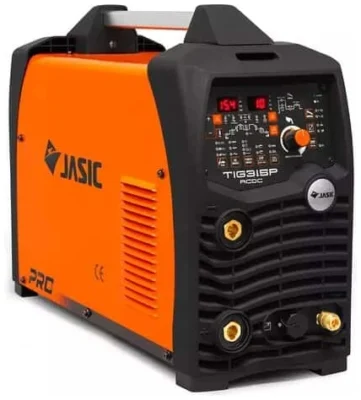
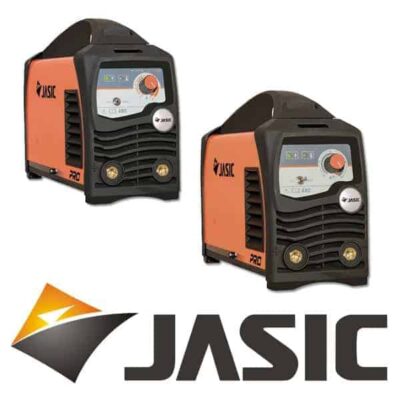
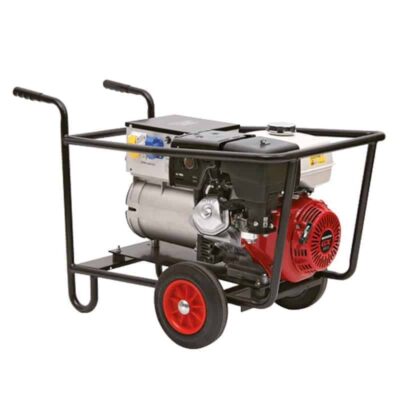
A welding power source should be assessed on more than maximum amperage. Duty cycle, input supply, portability, control layout and serviceability all affect day-to-day value. For a fixed fabrication bay, three-phase equipment may offer the output and sustained performance needed for regular production. For site work, weight, generator compatibility and cable durability may take priority.
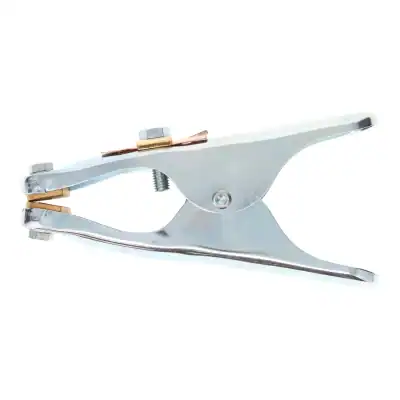
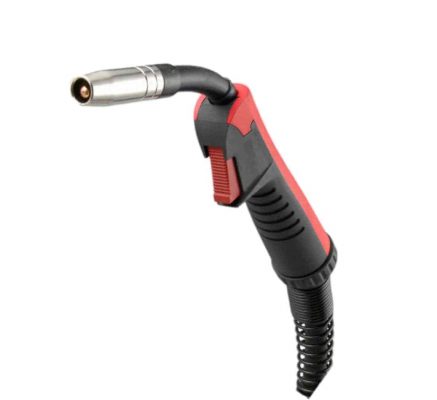
The torch and earth lead deserve the same scrutiny. An underspecified torch runs hot, increases operator fatigue and consumes parts quickly. Choose a torch rating that reflects real working current, allowing for the heat generated during continuous work. Check that common service items such as contact tips, shrouds, liners, electrodes and collets can be stocked consistently.
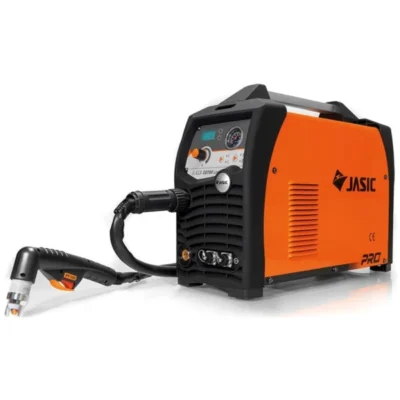
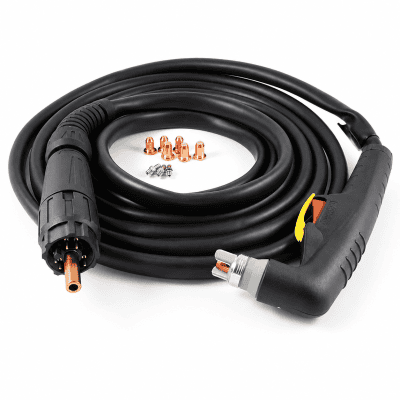
Plasma cutting equipment should be matched to the typical cut thickness rather than its maximum claim. A machine that can sever thick plate may not deliver the cut quality or speed required for routine production. Consider expected edge quality, consumable cost, duty cycle and whether the cutter will be used by hand, on a mechanised table or for occasional maintenance work.
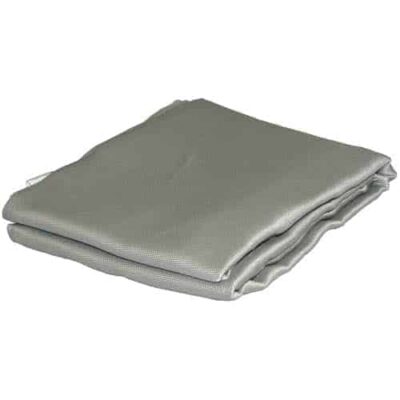
Do not overlook ancillary equipment. Welding curtains, cable management, extraction, benches, positioners and cylinder handling equipment have a direct effect on safety and throughput. A well-organised bay reduces set-up time and protects leads, torches and finished work from unnecessary damage.
Choose consumables by application, not habit
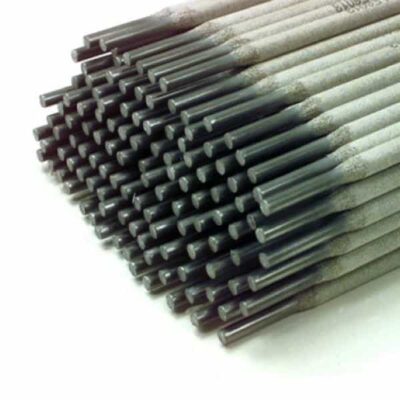
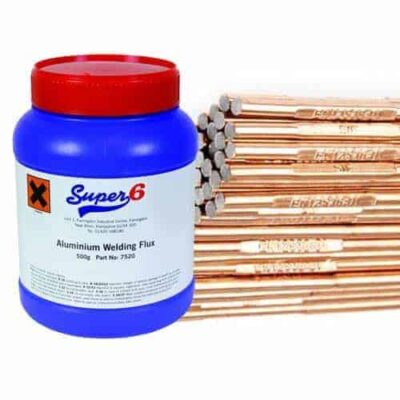
Filler metal is a controlled part of the welding procedure, not a generic workshop item. Wire, rods and electrodes must suit the parent material and the required mechanical properties. For structural or load-bearing work, traceability and conformity with the relevant procedure requirements may be essential. For general fabrication, consistent feed performance, bead profile and low-spatter operation may be the immediate priorities.
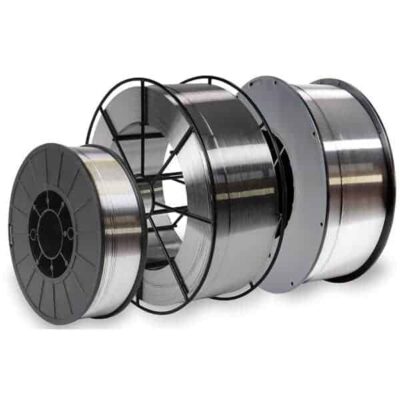
For MIG welding, wire diameter should match material thickness, current range and the required deposition rate. Fine wire provides control on thinner material, while larger diameters support higher-output work. The wire must also be kept clean and dry. Poor storage can lead to feed issues, porosity and erratic arc behaviour, particularly where wire is left exposed in a damp workshop.
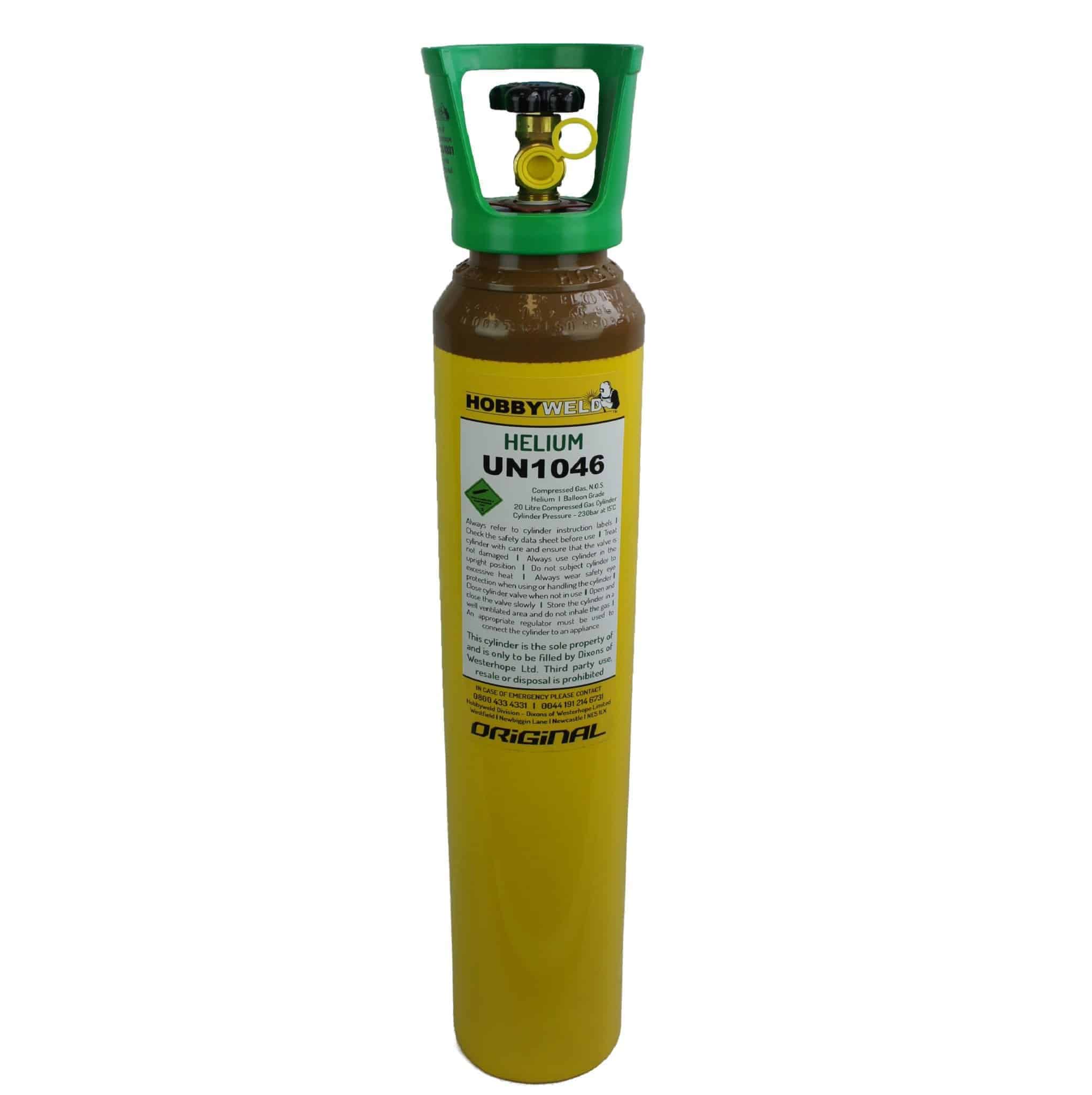
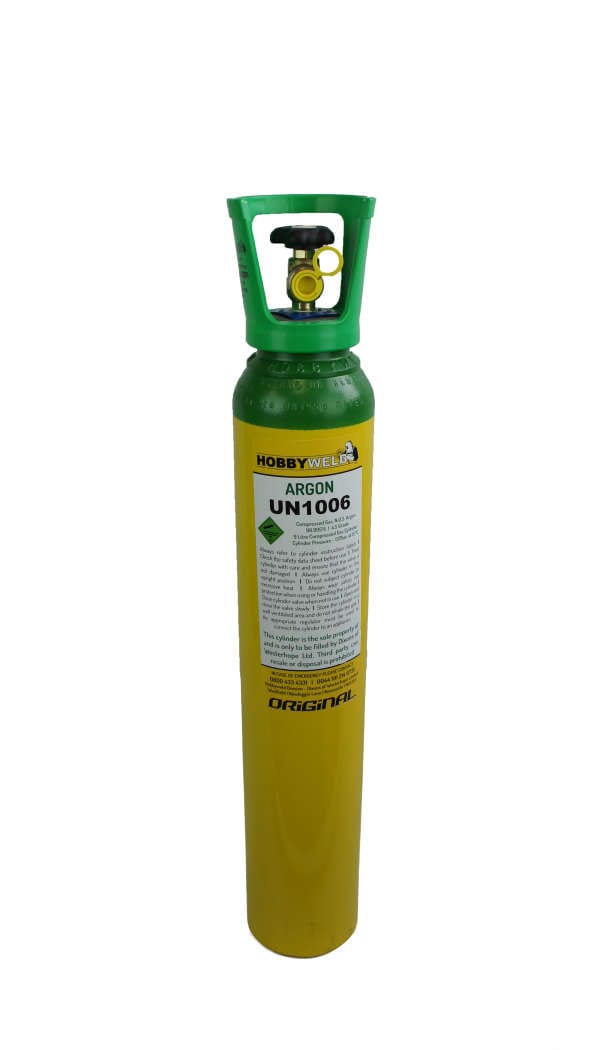
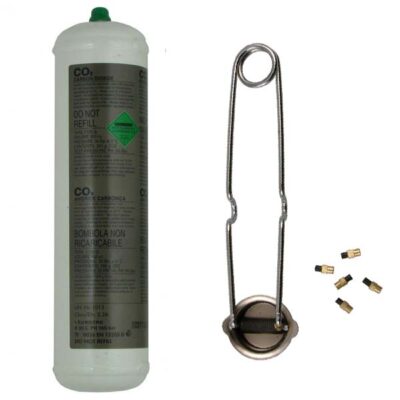
Shielding gas selection changes arc characteristics, penetration, spatter levels and final appearance. A general-purpose gas mix may cover a large amount of mild steel work, but it is not automatically the right answer for every material or finish requirement. Stainless steel, aluminium and specialist applications often require different gas choices. Confirm cylinder size against consumption and handling arrangements: frequent small-cylinder changes cost productive time, while oversized cylinders may be impractical for mobile teams.
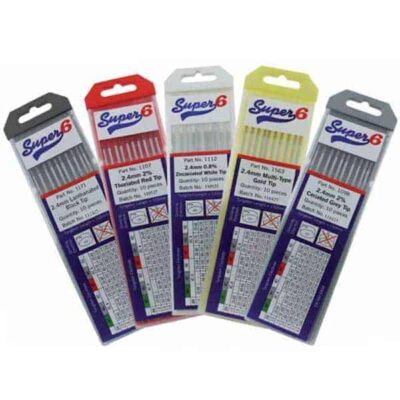
TIG consumables require particular discipline. Tungsten type and diameter, cup size, collet condition and gas lens selection all influence arc stability and shielding. Keeping these items clean, labelled and separated by application prevents contamination and avoids wasted set-up time.
Build the workshop around fit-up and repeatability
Weld quality begins before the arc is struck. Fit-up tools and metal components are therefore core industrial supplies, particularly in fabrication shops producing gates, frames, railings, plant guards and bespoke assemblies.
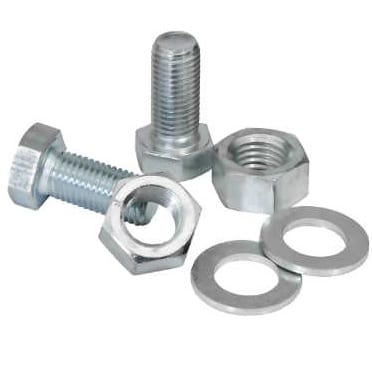
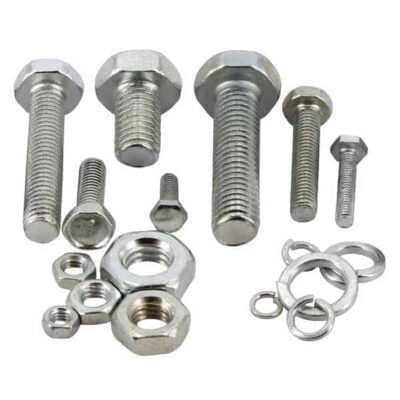
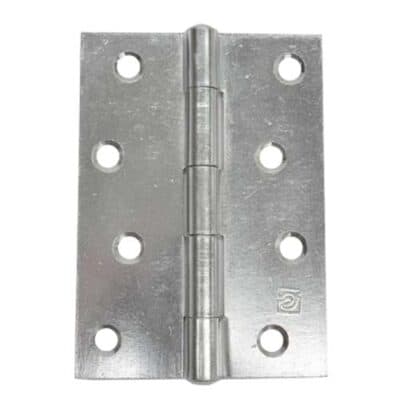
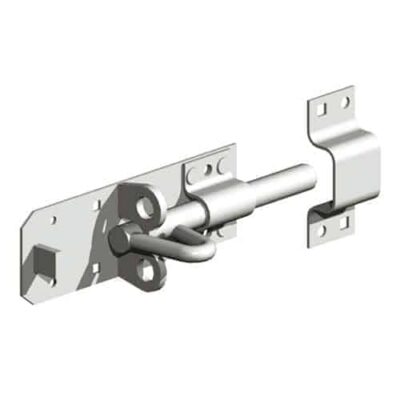
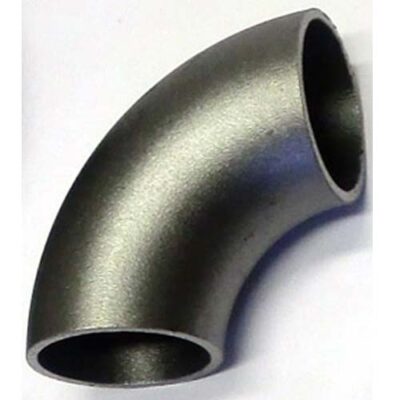
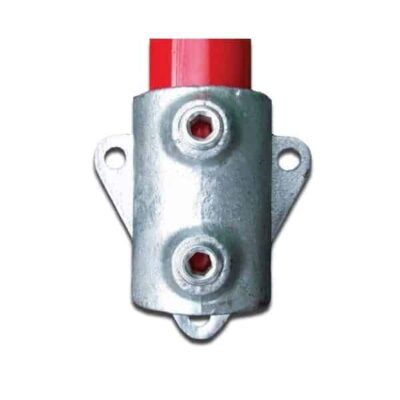
Weldable hinges, elbows, key clamps, bolts, nuts and washers must be selected by material grade, dimensions, loading and intended finish. A weldable component may save considerable fabrication time, but only if its wall thickness, geometry and weld area suit the design. Thin or poorly matched parts can distort during welding, while incompatible materials can create corrosion issues once the assembly is installed.
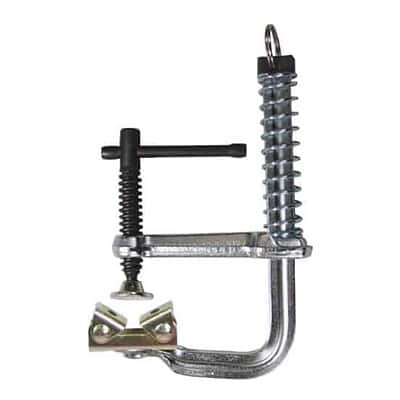
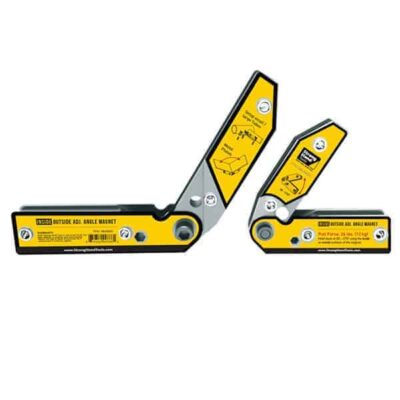
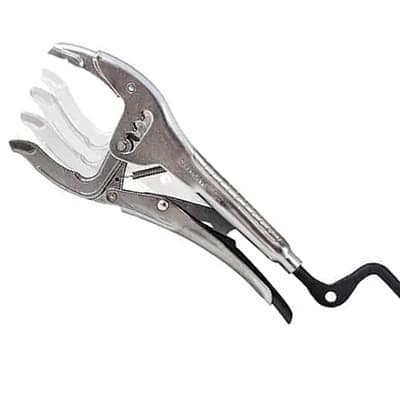
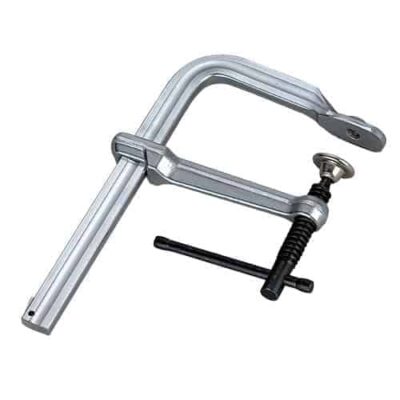
Clamping and fixturing are often treated as minor purchases, yet they determine consistency. Magnetic squares are useful for positioning, but should not replace secure mechanical clamping where accuracy matters. Strong magnets can also affect arc stability in some situations and attract grinding debris. Use purpose-made clamps, stops and jigs for repeat work, and inspect them for damage that could introduce misalignment.
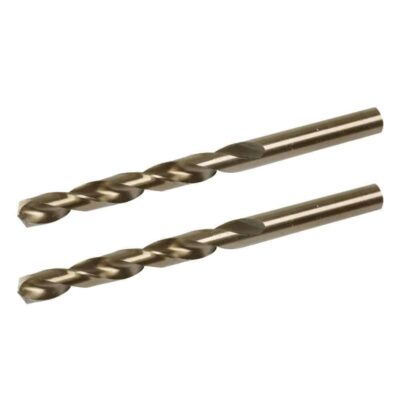
A sensible stockholding approach separates fast-moving items from job-specific parts. Contact tips, nozzles, discs, drill bits, gloves and common fixings should be available at the point of use. Specialist hinges, unusual profiles and certified fasteners may be ordered against confirmed work, unless regular demand justifies holding stock. This limits dead stock without leaving the workshop exposed to avoidable delays.
Abrasives, cutting tools and preparation products
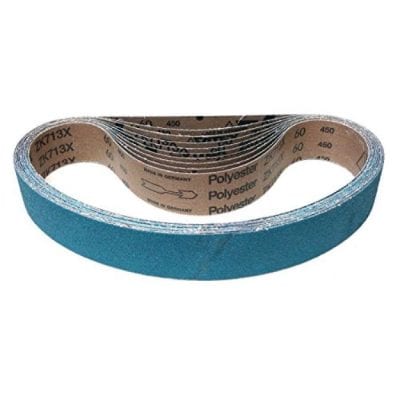
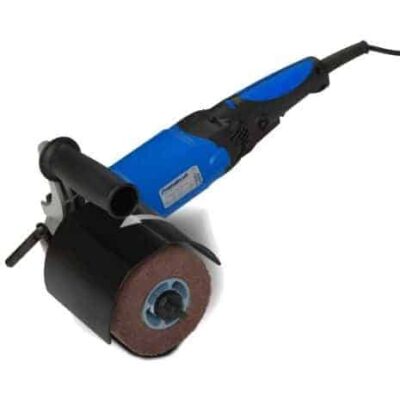
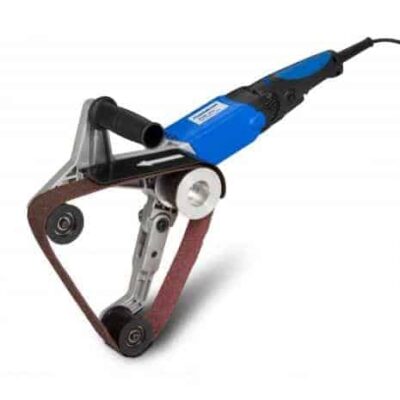
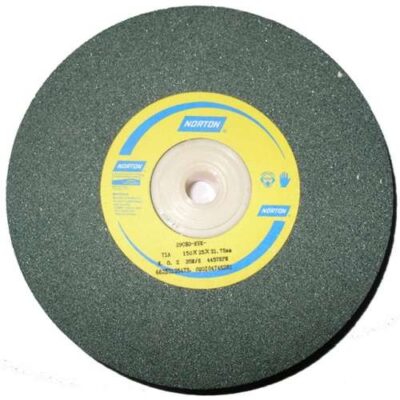
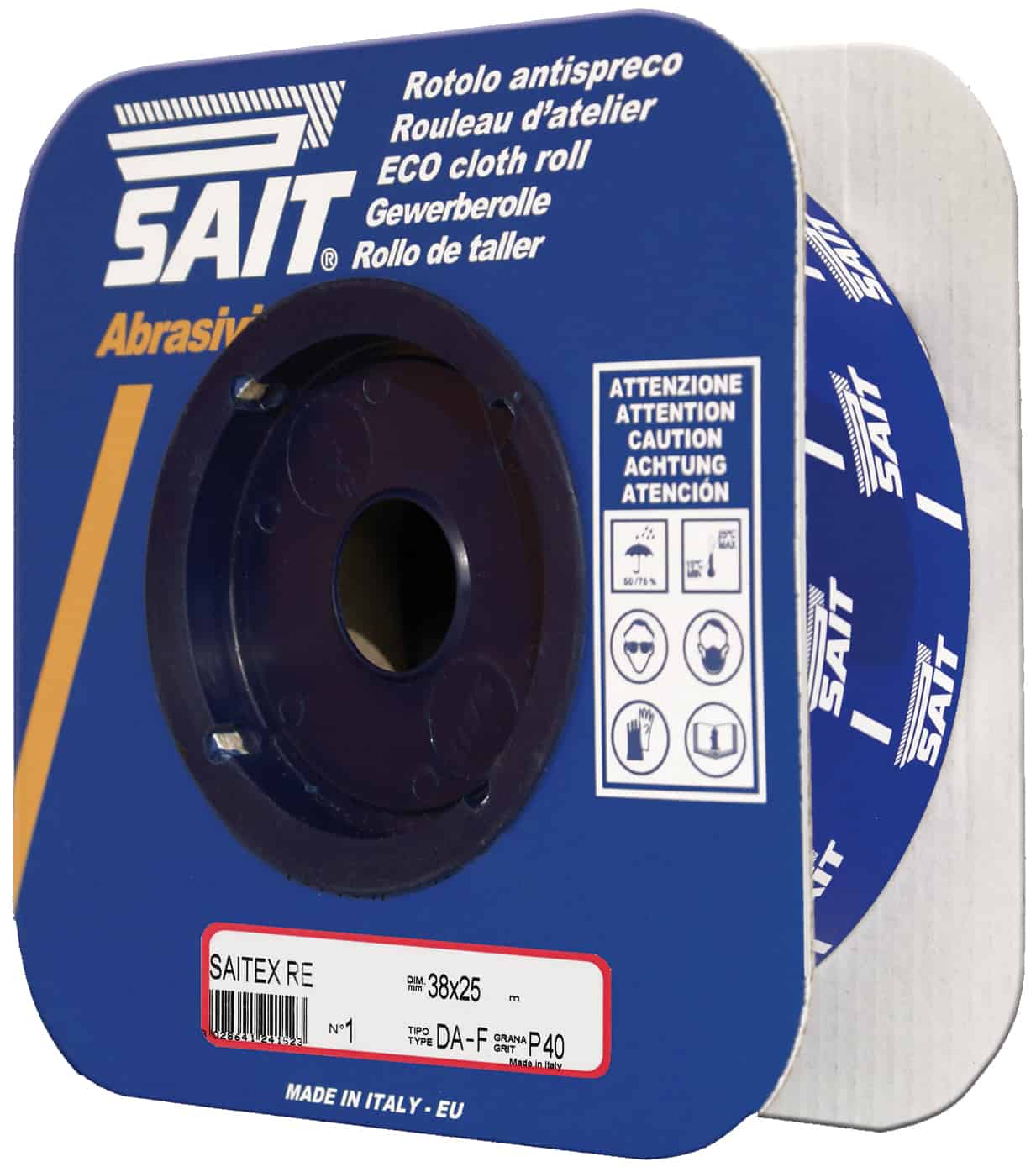
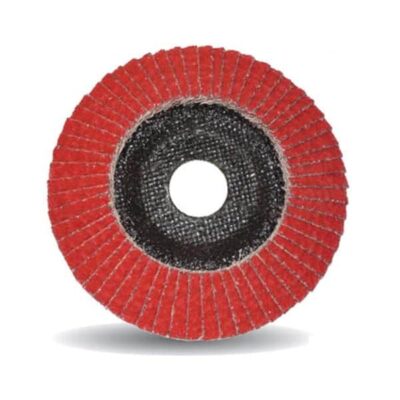
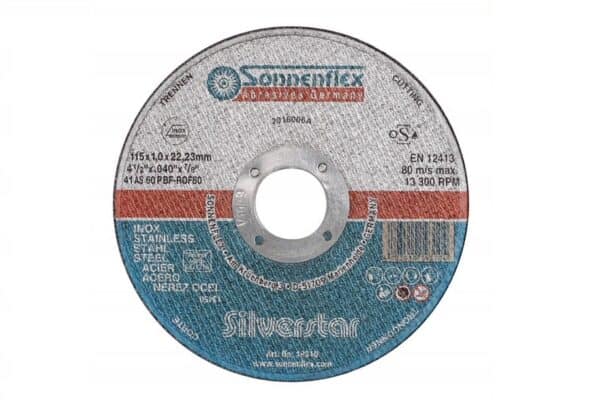
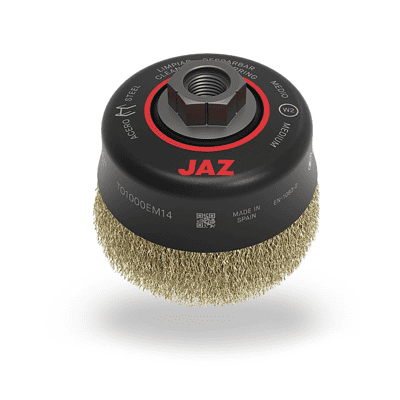
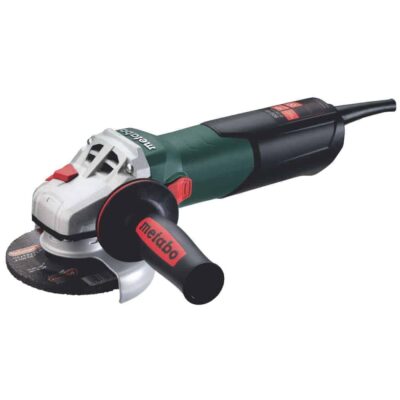
Grinding, cleaning and edge preparation consume time and materials long before welding begins. Select abrasive discs according to the task: cutting discs for sectioning, grinding discs for weld removal and heavier stock removal, flap discs for blending and finishing, and wire brushes for cleaning where the surface condition allows it.
Disc selection must account for the tool speed, disc diameter and material being worked. A disc that is technically compatible but poorly suited to the application can generate excess heat, clog quickly or leave an unacceptable finish. Store abrasives dry and protected from impact. Damaged discs should never be retained for occasional use.
Preparation products are particularly critical for stainless steel and aluminium. Cross-contamination from carbon steel tools can compromise corrosion resistance and spoil finished work. Dedicated stainless brushes, abrasives and work areas are a practical control, not an unnecessary extra.
Safety supplies are production supplies
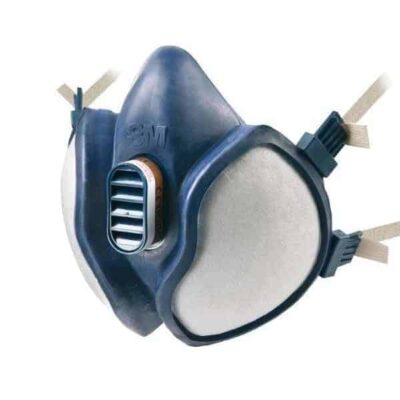
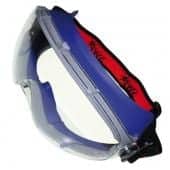
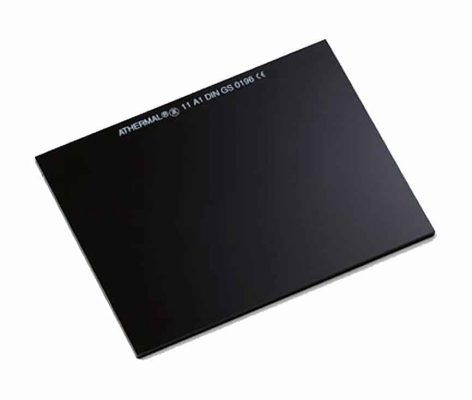
PPE and fume control should be specified with the same care as wire or electrodes. Welding helmets need the correct shade range, reliable sensors and a fit that operators will actually wear for a full shift. Gloves must provide suitable heat protection and dexterity for the task. Jackets, sleeves, safety footwear and hearing protection should match the hazards present in the bay.
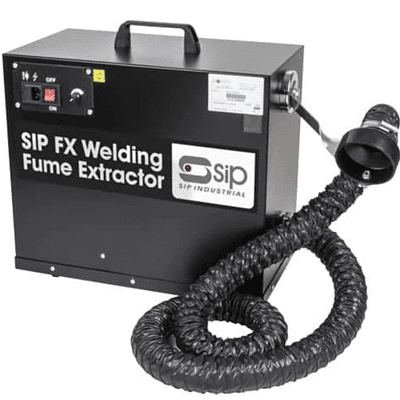
Extraction needs to capture fume close to source where possible. General ventilation alone is rarely sufficient for regular welding, cutting and grinding in enclosed areas. The correct arrangement depends on the process, material, workspace layout and whether work is fixed or mobile. A portable extraction unit may suit maintenance work, while dedicated local extraction is generally more effective for permanent welding stations.
Consumable management also supports safety. Clearly marked storage for gas cylinders, segregation of flammables, routine hose checks and prompt replacement of damaged regulators reduce risks that are easy to overlook when production is busy.
Buy for uptime, not just for the next job
A capable supplier should help buyers balance specification, availability and total operating cost. The lowest-priced contact tip or grinding disc may be expensive if it wears quickly, disrupts finish quality or requires repeated replacement. Equally, premium specification is not always justified for a short, non-critical repair. The practical decision depends on the consequences of failure and the hours tied to the task.
For workshop managers, a simple min-max stock level for high-use consumables prevents emergency purchasing. Base it on weekly usage, supplier lead time and a realistic buffer for larger jobs. Review consumption regularly: unusual increases can reveal poor machine set-up, incorrect consumable choice or operator technique issues before they become a major cost.
ProWeld supports fabrication and maintenance teams with trade-grade welding equipment, consumables, metal components and workshop essentials selected for demanding working conditions. The most effective buying process is straightforward: specify the work, match each supply to the process, and keep the items that stop production within reach before the next job reaches the bench.