












Blog
Best Metal Cutting Solutions for Fabrication
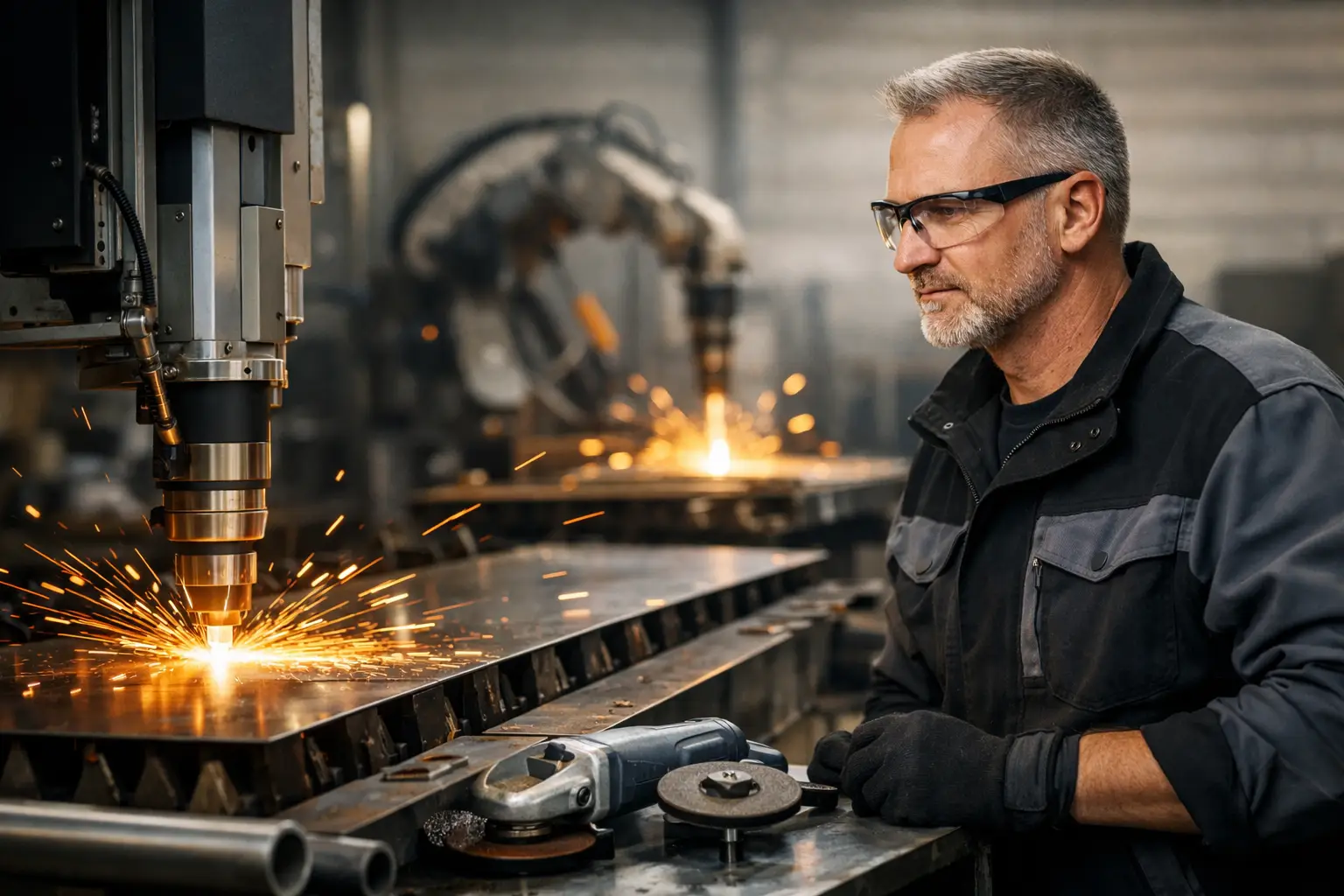
A clean cut is not simply a matter of getting through the steel. The best metal cutting solutions control cost, fit-up time, heat input and finishing work before the first weld is struck. For fabrication shops, maintenance teams and site contractors, choosing the wrong process can turn a straightforward job into wasted consumables, distorted material and unnecessary labour.
The right choice depends on the metal, thickness, required edge quality, job volume and whether the work is carried out at a bench or on site. There is no single cutting method that suits every task. A plasma cutter may be the sensible answer for fast plate processing, while a cut-off saw or abrasive disc may be more practical for section steel and repair work.
Start with the Material and the Required Finish
Material type is the first decision point. Mild steel is forgiving and can be cut effectively by plasma, oxy-fuel, abrasive products, saws and mechanical shears. Stainless steel and aluminium need more care. Oxy-fuel cutting is generally unsuitable for these materials because the process relies on oxidisation of the steel to sustain the cut. Plasma, saw cutting, abrasive cutting and specialist mechanical methods are usually the better options.
Thickness matters just as much. Thin sheet can distort quickly if too much heat is introduced, particularly when cutting narrow strips or detailed profiles. For this work, a guillotine, nibbler, shear or fine plasma set-up can reduce heat-affected zones and minimise dressing. Heavier plate may favour plasma or oxy-fuel, depending on the finish required and the equipment available.
Edge condition should be specified before work begins. If a component will be welded, a square, low-contamination edge can reduce preparation time and improve fit-up. If the piece is a rough repair section or a temporary bracket, speed may take priority over a machined finish. Buying a slower process to achieve a finish the job does not require is no more efficient than accepting a rough edge where precision matters.
Best Metal Cutting Solutions by Application
Plasma cutting for speed and general fabrication
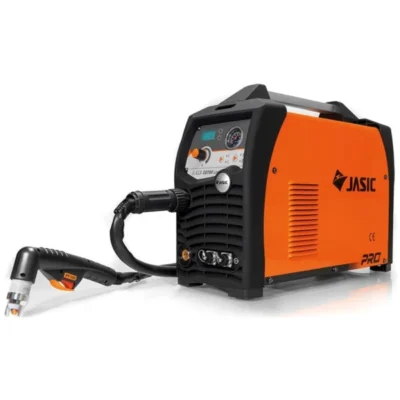
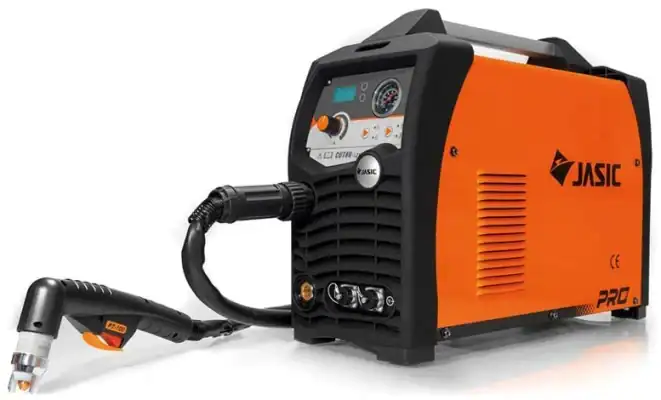
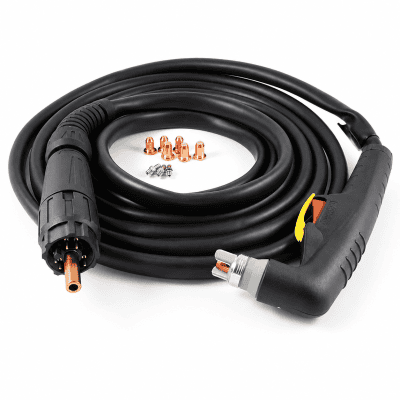
Plasma cutting is one of the most versatile options for workshops handling mild steel, stainless steel and aluminium. It uses an electrically conductive plasma arc to melt the material, while compressed air or gas removes molten metal from the kerf. It is well suited to plate profiling, brackets, gussets, holes, site alterations and repair work.
For many fabrication businesses, plasma offers the strongest balance between cutting speed, portability and material flexibility. It cuts faster than oxy-fuel on many common steel thicknesses and creates a narrower heat-affected zone. That can mean less distortion and less time at the grinder before assembly.
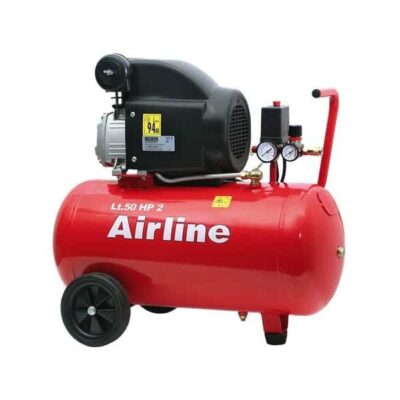
The trade-off is consumable management and cut quality. Torch components wear, and incorrect air pressure, poor air quality or an unsuitable amperage setting will quickly affect edge squareness and consumable life. Dry, clean compressed air is not optional if consistent performance is expected. Operators should also select the correct consumables for the amperage range and avoid dragging a torch unless the equipment is designed for contact cutting.
Oxy-fuel cutting for thick carbon steel
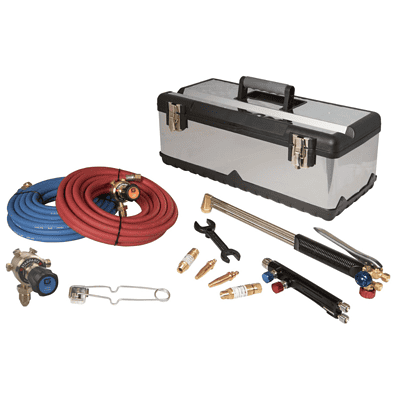
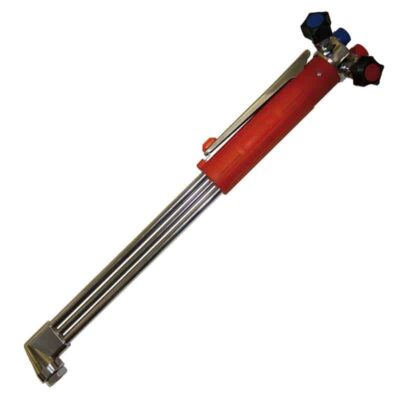
Oxy-fuel remains a practical process for heavy mild steel and carbon steel, especially where portability and long cutting lengths matter. The equipment is relatively straightforward, does not depend on electrical supply in the same way as plasma, and can handle thicknesses beyond the economic range of many portable plasma systems.
It is a useful choice for demolition, structural alteration, heavy repair and yard work. It is also valuable where preheating is required as part of the job. However, it produces a wider kerf and larger heat-affected zone than plasma. This can lead to more distortion in thinner material and may leave scale that needs to be removed before welding.
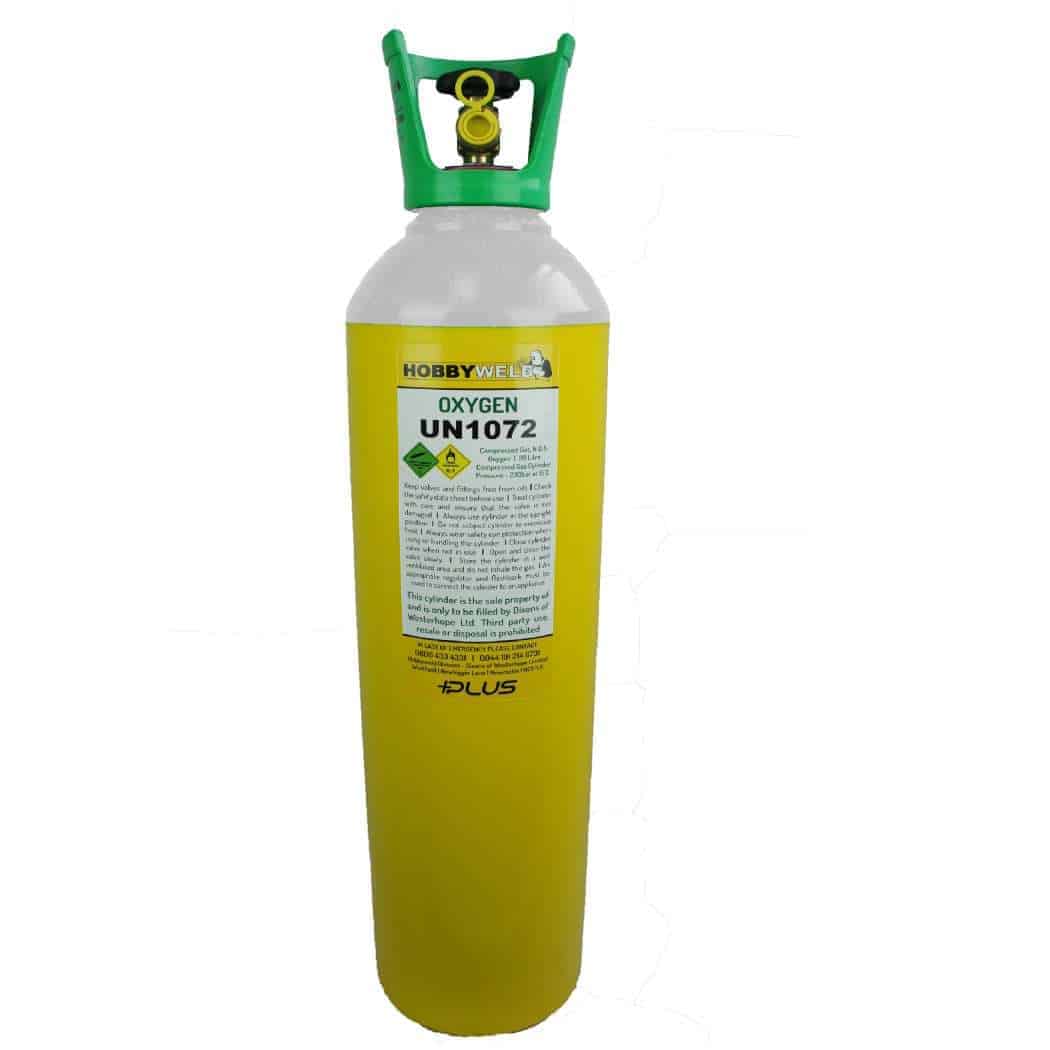
Gas handling and fire control demand disciplined working practices. Cylinders must be secured, hoses checked, flashback arrestors fitted correctly and hot-work controls followed. Oxy-fuel is effective, but it is not the quick answer for every steel-cutting job.
Abrasive cutting for sections and fast site work
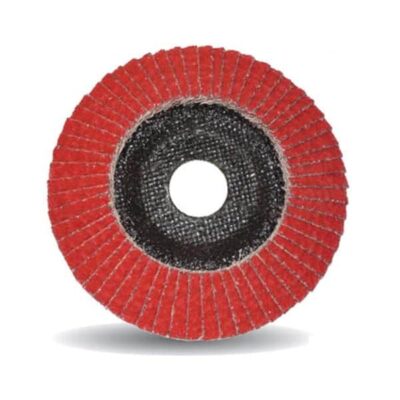
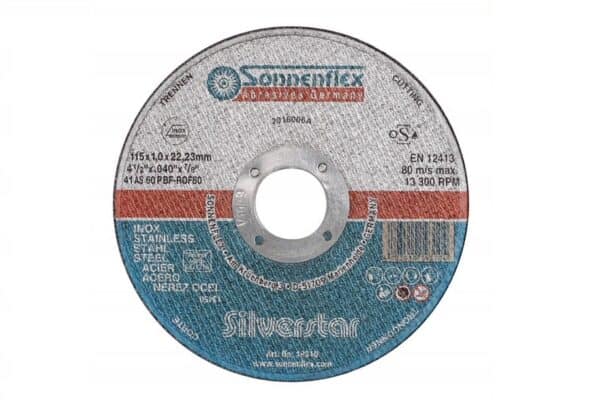
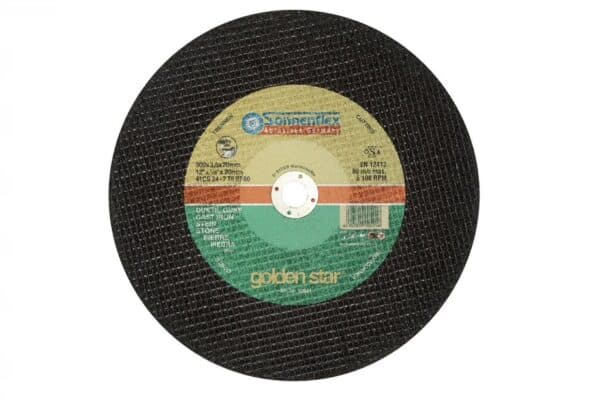
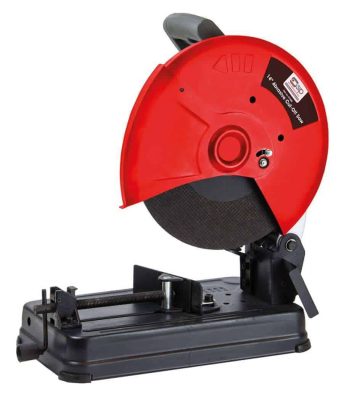
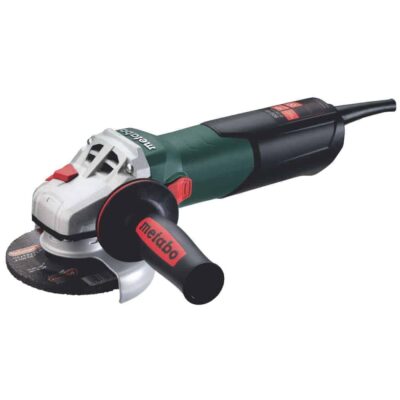
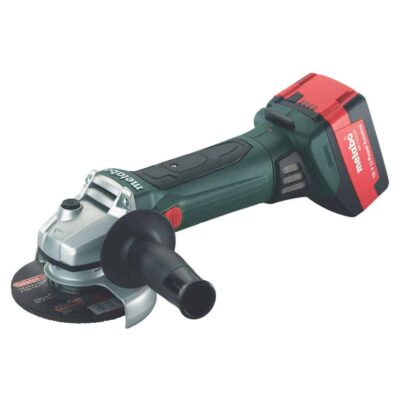
Angle grinders and cut-off saws fitted with suitable abrasive cutting discs remain essential in fabrication and maintenance. They are readily portable, useful for steel bar, box section, angle, pipe and bolts, and can make rapid adjustments where moving material to a cutting station is not realistic.
Their strength is flexibility rather than finish quality. A thin cutting disc can produce a clean enough cut for many workshop jobs, but it will not consistently match the accuracy of a cold saw, band saw or properly set plasma table. Abrasive cutting also creates sparks, noise and dust, so guarding, face protection, suitable gloves and controlled work areas are necessary.
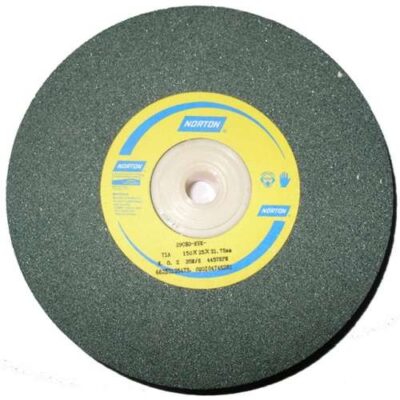
Disc selection matters. Use discs rated for the machine speed and suitable for the material being cut. Avoid forcing the disc through heavy section, as this raises heat, increases breakage risk and gives a poor edge. Let the abrasive do the work.
Band saws and cold saws for repeatable, low-heat cuts
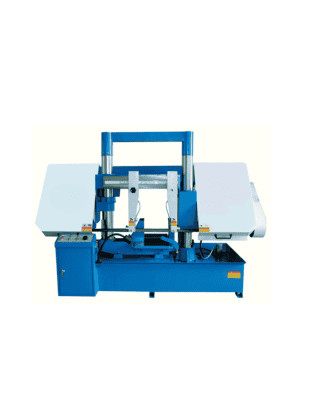
Where repeatability is a priority, saw cutting is often the better investment. Horizontal band saws are well suited to repeated cuts in tube, solid bar, channel and structural section. They generate less heat than abrasive cutting and can provide a controlled, square cut with limited burr formation.
Cold saws are particularly useful where accurate lengths and a clean finish are needed for production work. They are effective on many ferrous and non-ferrous materials when paired with the correct blade and coolant arrangement. Their lower heat input helps retain material condition close to the cut, which is useful where subsequent machining, welding or assembly tolerances are tight.
The compromise is speed on large solid sections and the need for sound set-up. Blade pitch, feed rate, clamping and coolant all affect blade life and cut quality. A saw is not a fit-and-forget machine. Poor clamping can produce inaccurate cuts, damage blades and create a safety issue.
Mechanical shearing and nibbling for sheet metal
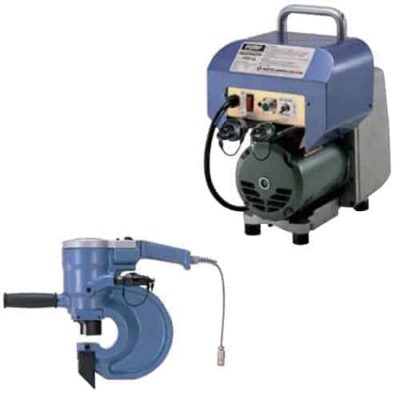
For sheet fabrication, a guillotine or shear can produce straight cuts quickly with no heat input. This is particularly valuable for thin sheet that would distort under thermal cutting. A nibbler is useful for curves, internal cut-outs and profile changes where a straight shear cannot reach.
These methods work best when the job allows for their limitations. A guillotine is highly productive on straight lines but is not the tool for complex shapes. Nibblers can be accurate but leave a narrow waste strip and may require edge finishing. Material thickness, grade and tool capacity should always be checked before cutting.
Control the Factors That Affect Cut Quality
Even the correct process will underperform if basic variables are ignored. Material must be supported properly on both sides of the cut to prevent pinching, movement and an unsafe drop. Marking-out should be clear, and clamps or stops should be used for repeated components rather than relying on tape-measure readings every time.
For thermal cutting, match power and travel speed to material thickness. Excessively slow travel creates a wide kerf, heavy dross and unnecessary heat. Travelling too quickly can leave incomplete penetration and an irregular edge. On plasma work, check consumables before blaming the machine. A worn electrode or nozzle often explains declining cut quality.
For saws, keep blades sharp and correctly tensioned. For abrasive equipment, inspect discs for damage, store them dry and replace them before performance falls away. Saving a small amount on a consumable rarely justifies lost production time or a failed cut.
Choose Equipment Around the Work You Actually Do
The best purchasing decision is based on the work passing through the workshop every week, not the occasional exceptional job. A fabricator regularly cutting 3 mm to 12 mm plate may gain more from a capable plasma system and reliable air supply than from equipment intended for very heavy plate. A maintenance team cutting pipe, angle and bolts may get better value from portable abrasive equipment, a quality band saw and the right range of discs and blades.
Look beyond the machine specification. Consider consumable availability, duty cycle, power supply, portability, service access and operator familiarity. A technically impressive machine that sits idle because it is awkward to move or costly to maintain does not improve throughput. Specialist suppliers such as ProWeld can help match cutting equipment and consumables to the material range and working conditions on site.
Safety Is Part of the Cutting Method
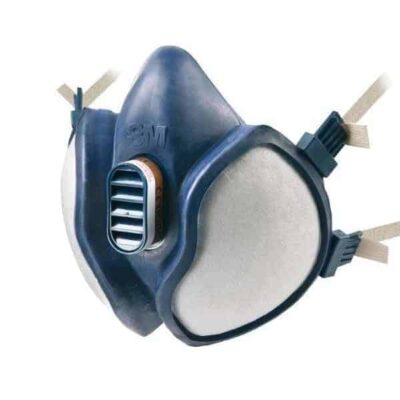
Cutting work produces hazards that change with the process: hot edges, sharp swarf, ultraviolet radiation, fumes, sparks, pressurised gas and high noise levels. Suitable PPE, extraction where required, fire prevention and secure workholding must be built into the job plan. Stainless steel and coated materials deserve particular attention, as their fumes can require more stringent control measures.
Keep the cutting area clear of combustible materials, inspect leads and hoses before use, and allow freshly cut parts to cool or identify them clearly as hot. A good cut is one that meets tolerance without creating an avoidable risk for the person handling it next.
The most effective cutting set-up is the one that gives the required edge quality at a sensible cost, with reliable consumables and safe working practice. Match the process to the job, set it correctly, and the welding and assembly stages will run more smoothly.