







Blog
Weldable Hinge Versus Bolted Hinge Choices
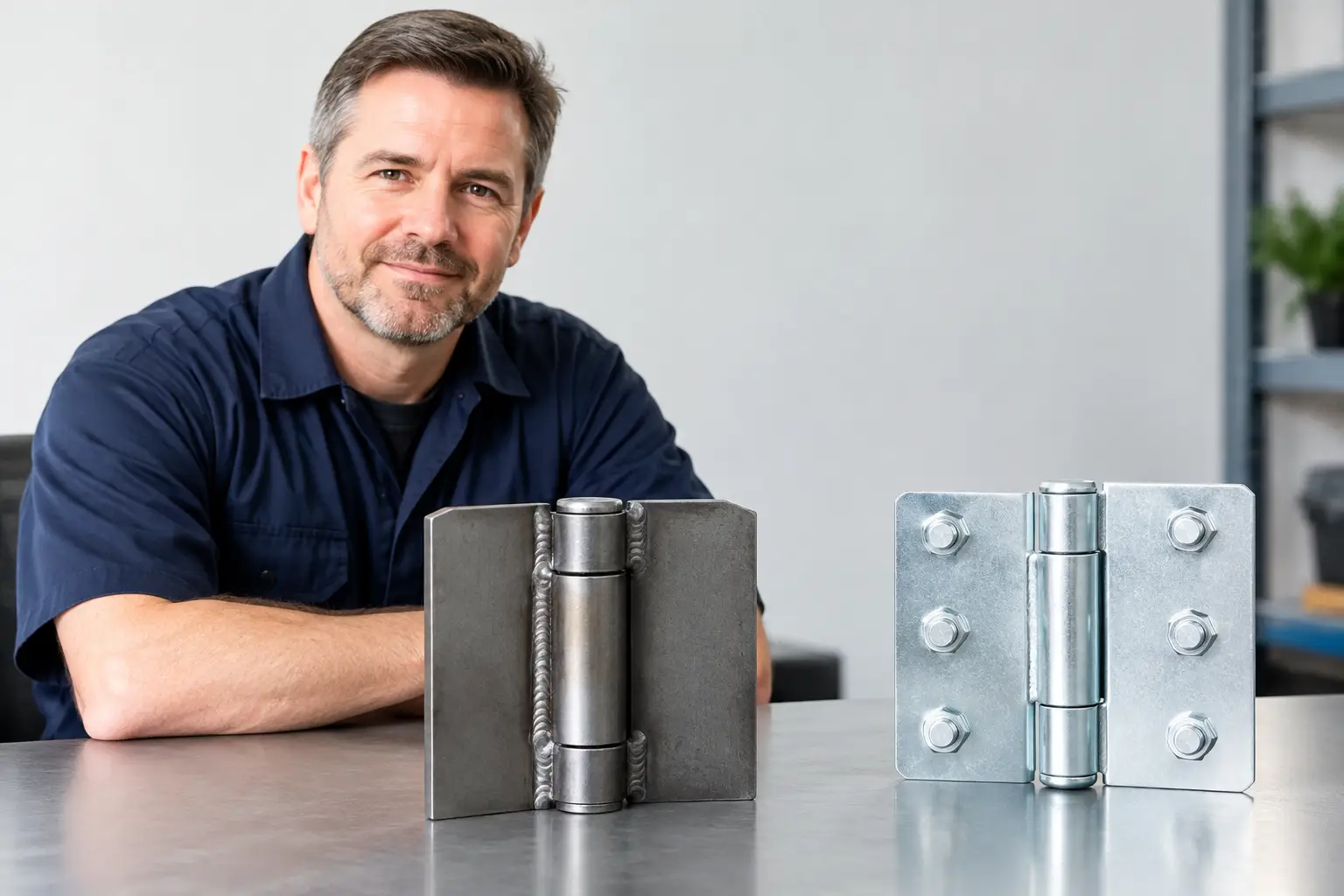
A hinge failure rarely starts at the pin. More often, the issue is poor load planning, distorted mounting faces, inadequate fixing, or a hinge type that does not suit the assembly. The weldable hinge versus bolted hinge decision should therefore be made before fabrication begins, not when the gate, guard or access door is ready to hang.
For fabrication shops, both types have a valid place. A weldable hinge can create a compact, permanent and high-strength installation. A bolted hinge can simplify replacement, protect finished coatings and allow adjustment or removal without cutting. The right choice depends on the load, duty cycle, material, site conditions and future maintenance requirements.
Weldable Hinge Versus Bolted Hinge: The Core Difference
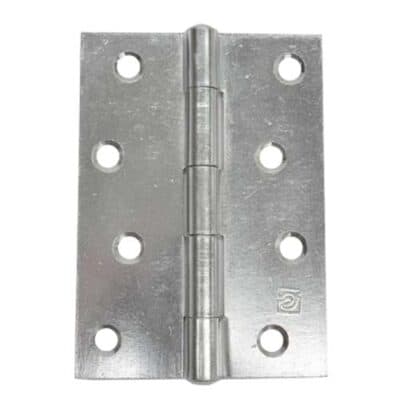
A weldable hinge is fixed directly to the parent material by welding. Common forms include steel butt hinges, barrel hinges, gate hinges and heavy-duty hinge bodies with weld-on leaves or mounting plates. Once installed correctly, the hinge becomes part of the fabricated structure.
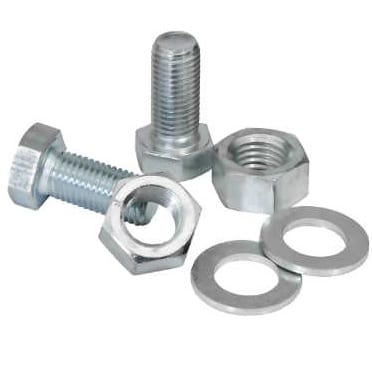
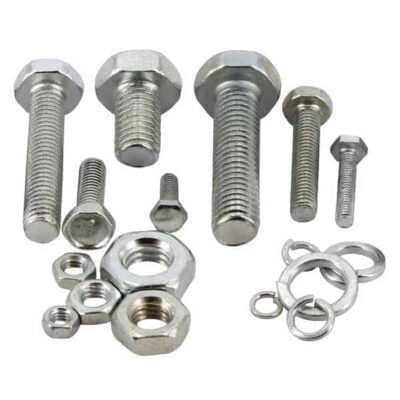
A bolted hinge is secured with bolts, nuts, washers or threaded fixings. It may be fitted to drilled steelwork, aluminium sections, timber, composite panels or machinery enclosures. The fixing arrangement carries the load rather than a weld joint, which makes hinge selection inseparable from bolt grade, fixing quantity, plate thickness and access to the rear of the assembly.
Neither solution is automatically stronger. A correctly sized welded hinge on suitable steel can carry substantial loading. Equally, a properly designed bolted installation using appropriate fasteners and backing can be highly durable. The weak point is usually the surrounding structure, not the hinge catalogue rating alone.
When a Weldable Hinge Is the Better Choice
Weldable hinges suit permanent fabricated items where strength, security and a clean profile matter. Steel gates, agricultural equipment, skips, machine frames, site barriers, access hatches and fabricated doors are typical examples.
The main advantage is direct load transfer. The hinge can be welded to a substantial upright, frame or plate, distributing forces through the welded area and parent metal. There are no projecting bolt heads to snag, loosen or create a point of attack on security-sensitive gates.
Welded hinges also give fabricators greater freedom over position. A hinge body can be tacked, checked for clearance and alignment, then fully welded once the swing is confirmed. This is useful on made-to-measure work where frame tolerances, cladding thicknesses or uneven site conditions make fixed hole patterns restrictive.
However, welding introduces heat. On a light-gauge frame, excessive heat input can pull the stile, close up a gap or leave the hinge axis out of line. A gate that swings freely after tack-up can bind after the final runs if welding sequence is ignored. Tack both hinge halves in position, verify the operating gap, and weld in controlled stages to limit distortion.
Hinge pins and bearings also need protection from weld spatter and heat. Where practical, remove the pin or shield the moving parts before welding. Do not weld across moving joints, grease nipples or bearing surfaces. If the hinge is galvanised, plated or painted, the coating must be removed from the weld area and the finished joint protected against corrosion afterwards.
A welded installation is less convenient when repair is likely. Replacing a damaged hinge normally means grinding out welds, preparing the surfaces again and repainting or treating the area. That may be acceptable on a permanent gate frame, but less attractive on equipment that must remain operational with minimal downtime.
When a Bolted Hinge Makes More Sense
Bolted hinges are often the practical answer where removal, adjustment or surface protection is a priority. They are well suited to equipment guards, control cabinet doors, access panels, removable machine covers, modular frames and finished assemblies that cannot be exposed to welding heat.
The most obvious benefit is serviceability. A worn hinge can be removed and replaced without cutting into the structure. A door can also be taken off for transport, painting, internal access or component replacement. For maintenance teams responsible for plant uptime, that is often more valuable than a permanent fixing.
Bolted installation is also preferable where welding is unsuitable or prohibited. This includes galvanised structures that must retain their coating integrity, aluminium assemblies without the correct welding process, finished powder-coated items, thin sheet that may distort, and locations where hot-work controls would delay the job.
Adjustment can be another deciding factor. Slotted mounting holes, shim packs or mounting plates allow the fitter to correct small variations in door position. This is particularly useful on long enclosures and heavy doors where minor frame movement can affect latch engagement and sealing.
The trade-off is that bolted hinges demand disciplined fixing design. Thin sheet alone may not provide enough thread engagement or resistance to pull-through. A backing plate, welded nut plate, rivnut or through-bolt arrangement may be required. Bolts must be tightened to the appropriate torque, and vibration-prone equipment may need prevailing-torque nuts, locking washers or a suitable threadlocking method.
Load, Duty Cycle and Hinge Geometry
Hinge choice should begin with the actual operating load. Door weight is only one part of the calculation. Consider the distance from the hinge centreline to the centre of gravity, how far the door opens, whether operators lean on it, wind loading on an external gate, and any shock loading when the item is slammed or stopped.
A wide gate can place significant bending force on its hinges even when its total weight appears modest. In these cases, hinge spacing and frame stiffness are as important as hinge size. Position hinges as far apart as practical to reduce load at each fixing point and improve resistance to sagging.
Duty cycle matters too. A lightly used pedestrian gate and a machine guard opened hundreds of times per shift should not be specified in the same way. Frequent operation increases wear at the pin, bush and bearing surfaces. Select a hinge designed for the cycle, provide lubrication where required, and ensure the hinge is accessible for inspection.
Do not assume that adding a third hinge solves every problem. An additional hinge can share load, but only if all hinge axes are accurately aligned. On a distorted or flexible frame, a third hinge may introduce binding rather than improve service life.
Installation Details That Affect Service Life
Whether the hinge is welded or bolted, alignment is critical. The pin centres must sit on a common vertical axis. Small errors become more noticeable on tall doors and long gates, where they cause drag, uneven gaps and premature wear.
For welded work, use a jig, straightedge or temporary alignment bar where the assembly allows it. Tack first, operate the door through its full travel, then complete the welds using a balanced sequence. Avoid long continuous welds on light sections unless the design specifically requires them.
For bolted work, drill accurately and keep holes free from burrs. Oversized holes can permit movement under cyclic loading, while holes too close to the edge of a plate can tear out. Use flat washers to spread bearing pressure where the material is thin or painted, and use corrosion-resistant fasteners where the installation is exposed.
External work needs particular attention. Water trapped around hinge barrels, bolt heads or mounting plates accelerates corrosion. Arrange the hinge orientation to shed water where possible, protect bare steel after welding, and avoid designs that create inaccessible corrosion pockets.
A Practical Selection Check
Before ordering hinges and fixings, confirm these points:
- The door or gate weight, centre of gravity, opening angle and expected duty cycle.
- The thickness, material and stiffness of both mounting members.
- Whether future removal, adjustment or hinge replacement is likely.
- Whether welding heat, access restrictions, coatings or hot-work rules limit the installation method.
- The environment, including moisture, chemicals, vibration, dust and outdoor exposure.
If the assembly is permanent steel fabrication with good access for controlled welding, a weldable hinge is usually the efficient, secure choice. If the assembly must be removable, adjustable, protected from heat or maintained quickly, a bolted hinge is often the better engineering decision.
The best hinge installation is the one that remains aligned, secure and serviceable after years of real use. Specify the hinge around the full assembly, not just the weight written on the drawing.