




Blog
Stainless Versus Galvanised Fasteners Compared
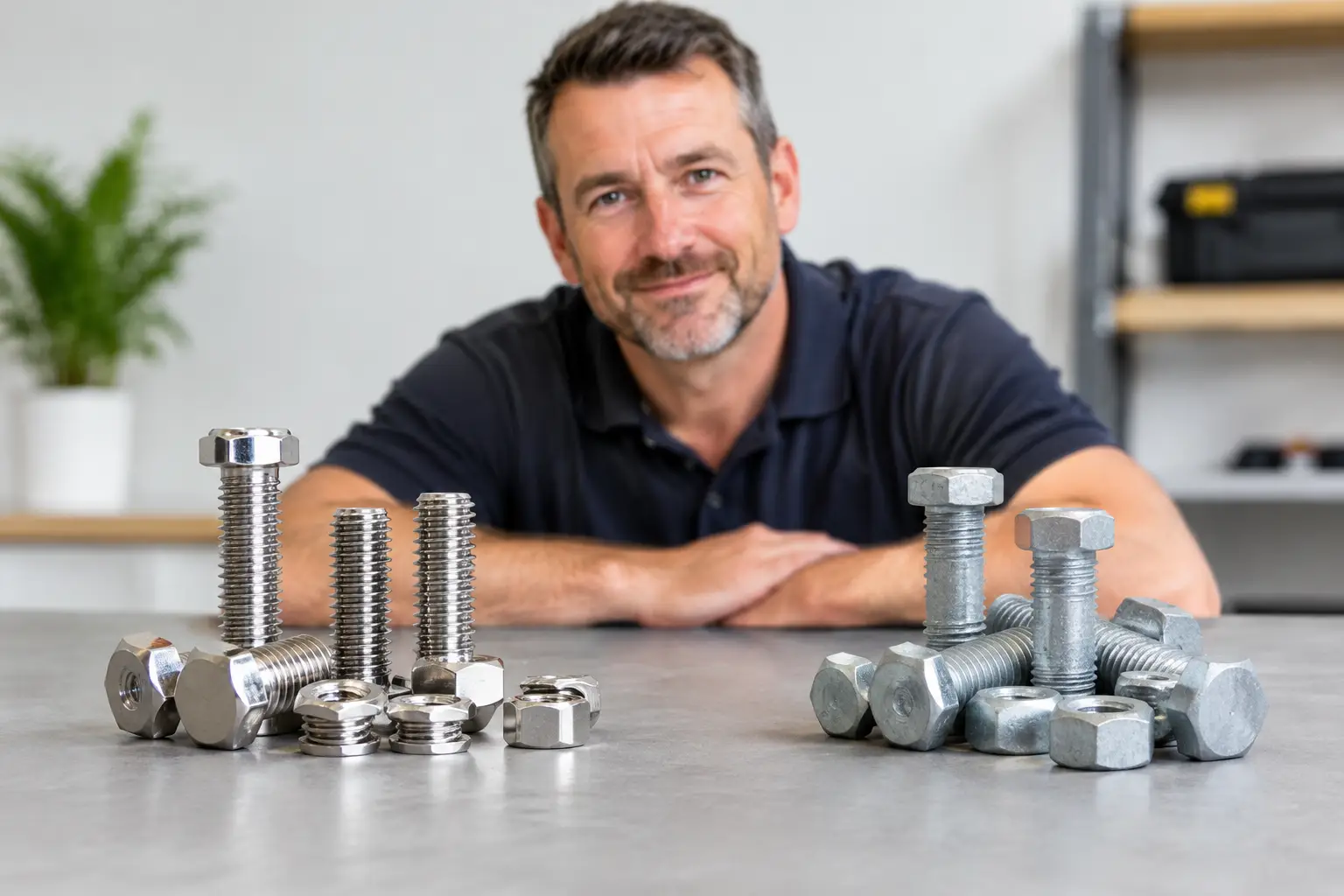
A fastening detail can outlast a fabricated assembly – or become the first point of failure. The choice between stainless versus galvanised fasteners affects corrosion performance, joint strength, appearance, maintenance intervals and, in some cases, site safety. For fabrication, construction and maintenance work, the right answer is not simply the material that looks best on the shelf. It is the one suited to the environment, the base material and the required fixing load.
Stainless versus galvanised fasteners: the essential difference
Stainless steel fasteners resist corrosion because the steel contains chromium, which forms a passive protective oxide layer on the surface. If that surface is scratched, it can reform provided oxygen is available. This makes stainless a sound choice for wet, exposed and hygienic environments, particularly where a clean, long-term finish matters.
Galvanised fasteners are generally carbon steel fasteners protected by a zinc coating. The zinc acts as a barrier, but it also provides sacrificial protection. Where the coating is damaged, zinc corrodes in preference to the steel beneath. This is a practical and cost-effective system for general outdoor steelwork, agricultural installations and structural applications.
The distinction matters because the protection mechanisms are different. A stainless bolt is corrosion-resistant throughout its section, while a galvanised bolt relies on the integrity and remaining life of its zinc coating. Neither is automatically suitable for every job.
Corrosion resistance depends on the actual environment
For ordinary outdoor exposure, hot-dip galvanised bolts, nuts and washers give reliable service at a sensible cost. The heavier zinc coating is well suited to gates, railings, structural steelwork, plant guards and general fabrication exposed to rain and changing weather. It is usually a better choice than bright zinc-plated fasteners for long-term exterior work.
Zinc plating is much thinner than hot-dip galvanising. It is appropriate for dry internal applications, machinery assembly and protected workshop environments, but should not be treated as equivalent to hot-dip galvanising outdoors. Once the coating is depleted, red rust can develop rapidly on the underlying steel.
Stainless is normally preferred where persistent moisture, washdown, food-processing conditions or coastal exposure would shorten the life of zinc-coated steel. A2 stainless, commonly associated with grade 304 stainless steel, is suitable for many external and damp environments. A4 stainless, commonly associated with grade 316, offers improved resistance to chlorides and is the stronger option for coastal, marine and chemically aggressive locations.
Even A4 stainless has limits. Continuous salt exposure, stagnant crevices and harsh chemical contact can still cause tea staining, pitting or crevice corrosion. Specifying stainless is not a substitute for considering drainage, trapped water, cleaning chemicals and joint design.
Strength is not interchangeable
A common mistake is to replace a high-tensile galvanised bolt with a stainless alternative solely for corrosion resistance. Stainless fasteners are available in different property classes, and their load capacity may not match the original specification.
Standard stainless bolts are often marked A2-70 or A4-70. The number refers to a nominal tensile strength of 700 N/mm². Higher-strength stainless grades are available, but they must be selected deliberately and checked against the joint design. Carbon steel structural bolts may be specified in property class 8.8, 10.9 or higher, with defined tensile and proof-load requirements.
For safety-critical, load-bearing or engineered connections, match the required bolt diameter, thread pitch, property class, tightening method and nut grade. Do not assume that a stainless M12 bolt is a like-for-like replacement for a galvanised M12 bolt. Size alone does not define performance.
This is particularly relevant in machinery repairs, brackets carrying dynamic loads, structural connections, lifting-related equipment and fabricated assemblies subject to vibration. If the original drawing calls for a specific bolt class, preserve that requirement unless an engineer has approved a change.
Think about the materials on both sides of the joint
Fastener selection is also a compatibility decision. Dissimilar metals exposed to moisture can create galvanic corrosion. The less noble metal may corrode faster when electrically connected to a more noble material.
Stainless fasteners installed in aluminium, galvanised steel or carbon steel can create issues in wet conditions, especially around coastal sites. The risk depends on the metals involved, the exposed surface areas and how often the joint stays wet. A small stainless fastener in a large steel component is often manageable, but it is still worth assessing where service life is critical.
Insulating washers, sleeves, jointing compounds or suitable coatings can reduce electrical contact and moisture ingress. More simply, using compatible materials across the assembly often avoids a preventable problem. Stainless fixings suit stainless fabrications well. Hot-dip galvanised fasteners generally suit hot-dip galvanised steelwork, as the coating system remains consistent.
Avoid fitting standard bright zinc-plated fasteners to hot-dip galvanised assemblies exposed outdoors. The thinner coating becomes the weak point, and early corrosion around the connection is likely.
Installation can decide the service life
A good fastener can fail early if it is installed badly. Galvanised threads may feel tighter because the coating adds thickness. Hot-dip galvanised nuts are commonly tapped oversize to work correctly with coated bolt threads. Mixing unsuitable nuts and bolts can lead to poor engagement, damaged threads or incorrect tightening.
Stainless threads introduce a different issue: galling. This is a form of cold welding where stainless threads seize during tightening. It is more likely with fine threads, high installation speed, dry threads and repeated assembly. Once galling starts, the nut can lock before the required clamp load is achieved.
Use a suitable anti-seize compound where appropriate, keep threads clean and tighten stainless fasteners at a controlled speed. Do not use an impact tool at full speed simply because the fastener is stainless. Correct torque should always reflect the bolt size, grade, lubrication condition and joint specification.
Washer selection matters as well. A washer spreads load, protects the surface and can help maintain clamp force. In exposed work, use washers with corrosion performance compatible with the bolt and the assembly. Mixing a stainless bolt with an ordinary steel washer can leave the washer as the first corroding component.
Welding and fabrication considerations
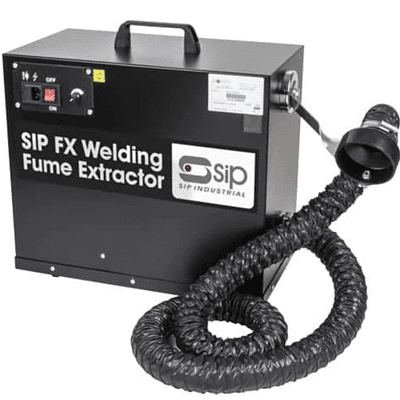
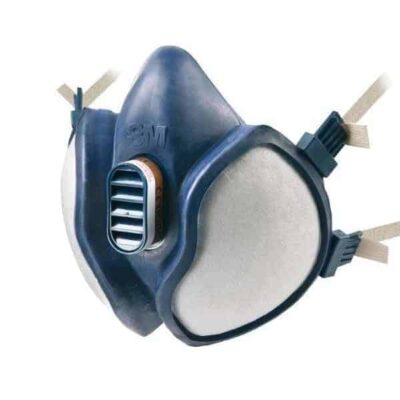
Galvanised steel requires care around welding, cutting and grinding. Heating the zinc coating produces fumes that are hazardous to breathe, while the coating near the weld is destroyed. Remove zinc from the weld area using suitable controls, maintain effective extraction and use the required respiratory protection. After welding, reinstate corrosion protection with an appropriate zinc-rich repair system or other approved coating method.
Do not weld through a galvanised bolted connection as a shortcut to stop it loosening. It compromises the coating, makes future maintenance difficult and may introduce unnecessary heat distortion.
Stainless steel also needs disciplined handling. Contamination from carbon steel tools, grinding debris or handling can lead to surface rust staining. Keep stainless fabrication areas, abrasives and wire brushes separate where finish and corrosion resistance are important. If stainless fasteners are being used on a visible fabricated job, poor fabrication practice can undermine the reason for choosing them.
Cost should be measured over the job life
Galvanised fasteners usually have the lower initial purchase cost and are readily available in sizes suited to general fabrication. For many dry, indoor or standard external applications, they offer the best value without over-specifying the job.
Stainless costs more upfront, particularly A4 grades and larger diameters. That extra cost can be justified where access for replacement is difficult, downtime is expensive or corrosion would affect hygiene, safety or appearance. A handrail on a coastal site, a washdown-area guard or an external plant enclosure may be cheaper to fit once with the correct stainless fixing than to revisit after premature corrosion.
The right comparison is not bolt price against bolt price. Consider installation labour, expected service environment, inspection access, replacement cost and the consequence of joint failure. A cheaper fastener is only economical if it lasts for the required design life.
A practical specification approach
Start with the service environment, then confirm strength and material compatibility. For protected indoor assemblies, zinc-plated steel may be sufficient. For general exterior steelwork, hot-dip galvanised fasteners are often the practical default. For frequent wetting, washdown, coastal exposure or stainless fabrications, A2 or A4 stainless may be the better choice, with A4 reserved for higher chloride exposure.
Then check the detail: bolt grade, nut compatibility, washer type, thread engagement, access for tightening and whether welding or coating repairs will take place nearby. These are the details that prevent a sound assembly becoming a maintenance problem.
Before ordering, specify the environment and required property class alongside the diameter and length. That gives the supplier enough information to help select a fastening system that performs properly long after the fabrication leaves the workshop.