















Blog
Mild Steel Cutting Methods for Fabrication
A 3 mm sheet bracket, a 20 mm base plate and a length of structural hollow section should not automatically be cut with the same tool. Mild steel cutting methods need to be selected around section thickness, cut quality, access, production volume and the work that follows. The quickest cut is not always the most economical one once grinding, fitting and weld preparation are included.
For fabrication shops, the practical question is not which process is best in general. It is which process produces an acceptable edge, at the required rate, with the equipment and operating conditions available.
Choosing Between Mild Steel Cutting Methods
Mild steel is comparatively straightforward to cut, but its performance varies considerably between processes. Thin sheet is easily distorted by excessive heat. Heavy plate can overwhelm saw blades and abrasive consumables. Profiled components may demand a cleaner edge than site repairs, while a part destined for a fillet weld can tolerate more scale than a visible finished assembly.
Start with five job variables: material thickness, required tolerance, edge condition, cut length or quantity, and whether the work is in the workshop or on site. Also consider access to electrical supply and compressed air, fume control, fire risk and the time available for secondary dressing.
An angle grinder and cutting disc may be the right answer for a single site alteration. For repeated straight cuts in box section, a bandsaw is usually more controlled and less labour-intensive. For plate profiling, plasma or oxy-fuel can be the more productive choice, depending mainly on thickness and required finish.
Abrasive Cutting Discs and Cut-Off Saws
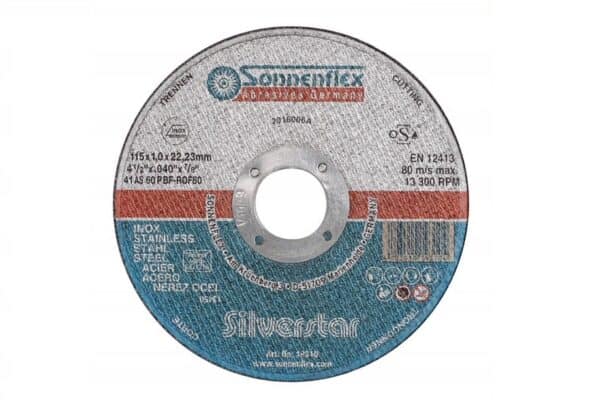
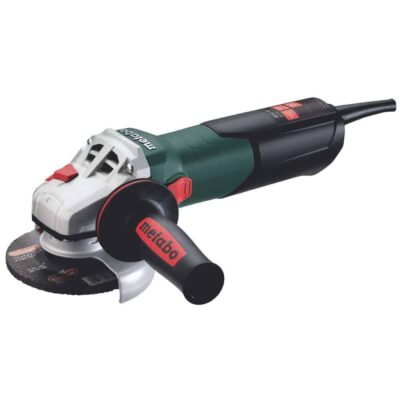
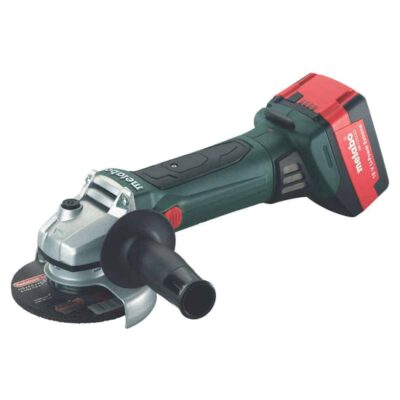
Abrasive cutting remains one of the most flexible methods for mild steel. A portable angle grinder can cut sheet, plate, bar, tube, rebar and structural sections with minimal setup. It is particularly useful where the component cannot be brought to a fixed machine or where a small adjustment is needed during fit-up.
The limitations are familiar to experienced fabricators. Abrasive discs create sparks, noise and dust, and the cut can wander if the operator forces the disc or works with poor visibility. The kerf is relatively wide, and the cut face commonly requires dressing before close-fit assembly or welding. On thin material, heat discolouration and local burrs may also need attention.
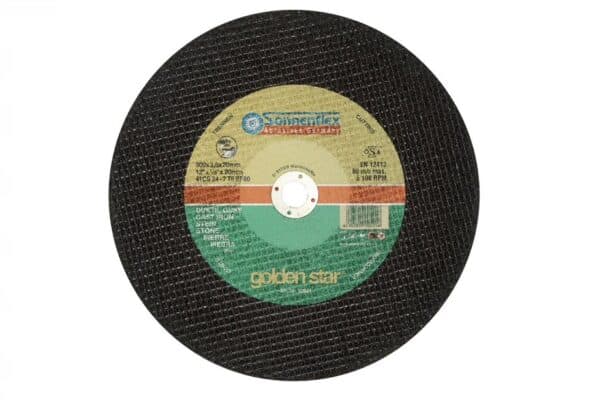
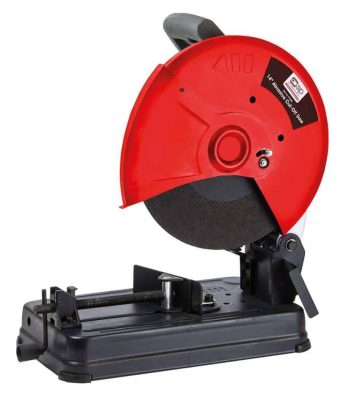
A chop saw improves repeatability for batch cutting of angle, flat bar, solid bar and smaller hollow sections. A correctly clamped workpiece and a sound abrasive wheel can produce fast square cuts, but the process remains abrasive and generates substantial sparks. It is rarely the first choice where a clean, low-burr production finish is needed.
Disc selection matters. Use a disc rated for the machine speed and material application, inspect it before use, and do not side-load a cut-off disc. Guard position, face protection, gloves and fire control are not optional details. Sparks can travel well beyond the immediate work area, particularly during site cutting.
Cold Saw, Bandsaw and Reciprocating Saw
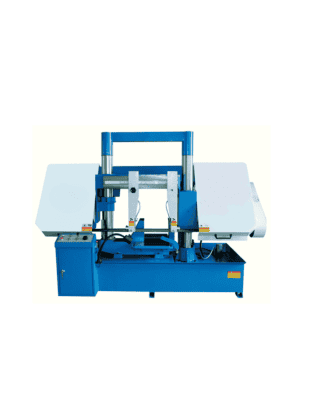
Where accuracy and finished edge quality matter, mechanical sawing has clear advantages. A horizontal bandsaw is a dependable workshop option for repeated cuts in tube, channel, angle and solid stock. It gives a narrow kerf, lower heat input and a cut that often needs little more than deburring.
Bandsaws are especially effective for fabrication work involving multiple lengths of the same section. Once the stop is set, the operator can achieve consistent dimensions without marking and cutting every piece individually. Blade pitch, feed rate and coolant must suit the section. Too fine a blade pitch can clog in heavier stock; too coarse a pitch can snag thin-wall tube and damage teeth.
Cold saws produce very accurate, clean cuts on bar and section, making them well suited to controlled workshop production. They are more capital-intensive than an abrasive chop saw, and blade care is essential, but the reduction in finishing time can justify the investment where volumes are steady.
A reciprocating saw is the portable mechanical alternative for maintenance and demolition work. It is useful in confined areas where sparks must be reduced or where an angle grinder cannot reach. It is slower than abrasive cutting and less precise than a fixed saw, but a quality bi-metal blade and stable support make it a practical site tool for pipe, bracketry and light structural steel.
Plasma Cutting for Plate and Profiles
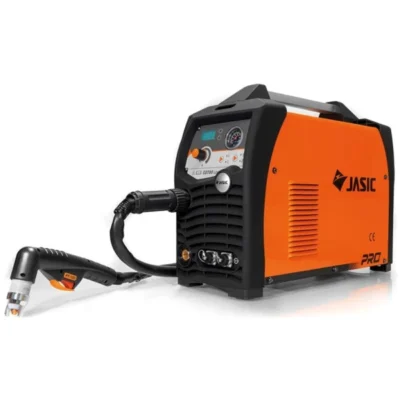
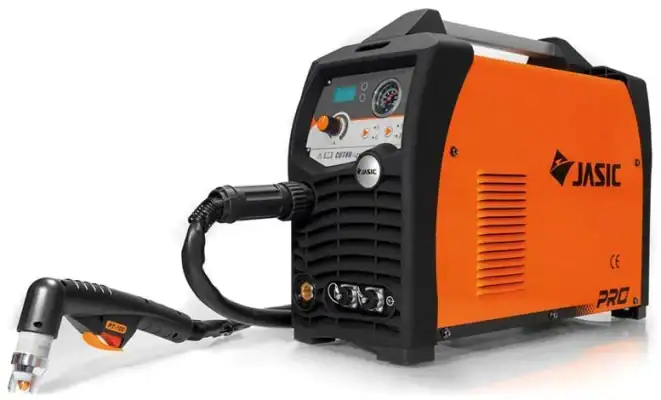
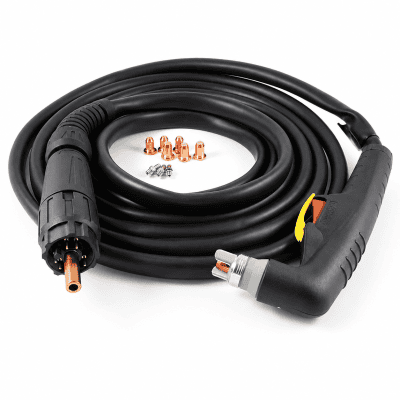
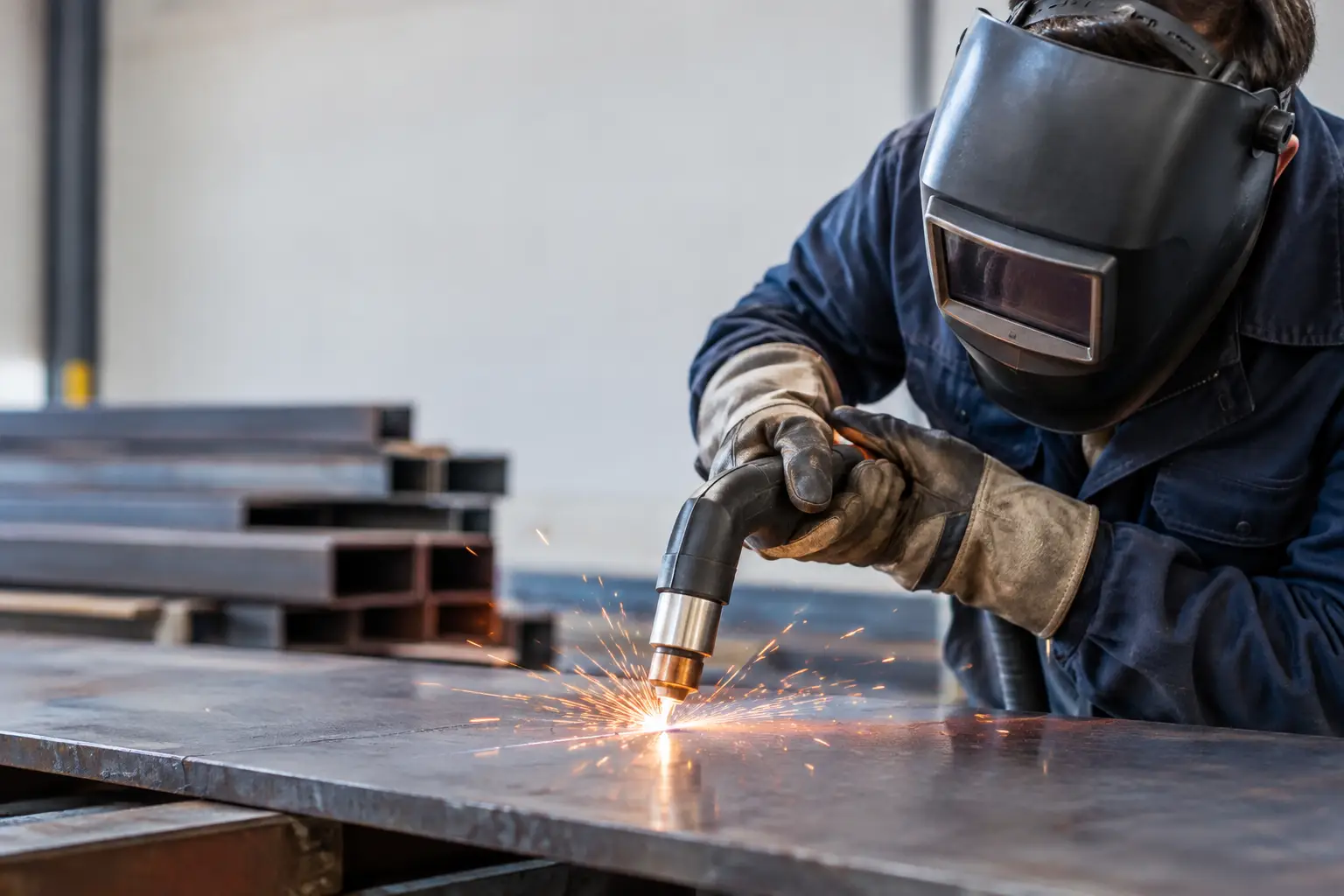
Plasma cutting uses an electrically conductive arc and compressed gas to melt and eject metal. It is one of the most versatile thermal methods for mild steel plate, offering far higher speed than oxy-fuel on thinner sections and greater freedom for curves, openings and irregular profiles than a saw.
Hand plasma systems are valuable for fabrication, repair and installation work. They can cut plate, remove damaged sections and create openings with a manageable heat-affected zone. On a cutting table or CNC system, plasma becomes a production process for repeatable profiles, gussets, cleats and base plates.
Cut quality depends on power source capability, torch consumables, air quality, travel speed and torch height. Poorly dried or contaminated compressed air shortens consumable life and can leave a rough, heavily oxidised edge. Travelling too slowly increases dross and widens the kerf; travelling too quickly can leave an incomplete cut or excessive bevel.
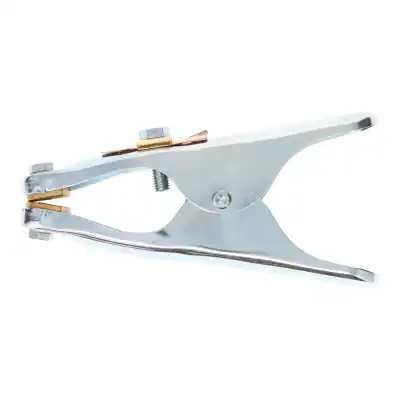
Plasma generally gives a cleaner result than oxy-fuel in light and medium plate, but it still requires realistic expectations. A hand-cut edge may need grinding before a precision assembly, and dross should be removed before welding. Keep the work lead connection sound and position the earth clamp on clean metal. Poor electrical contact produces inconsistent arc performance and avoidable downtime.
Oxy-Fuel Cutting for Heavy Mild Steel
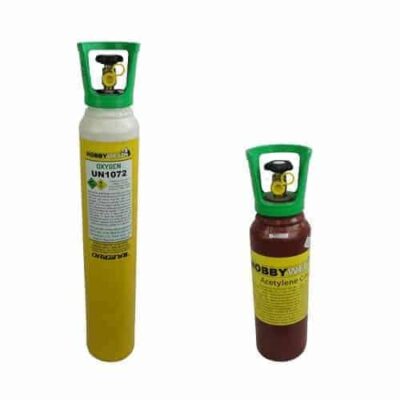
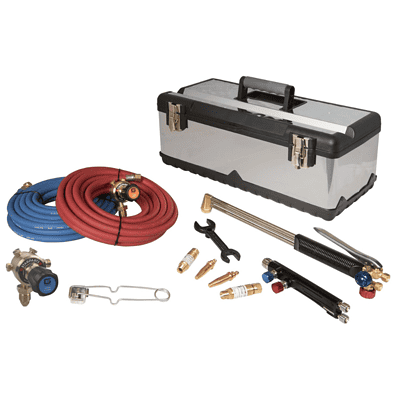
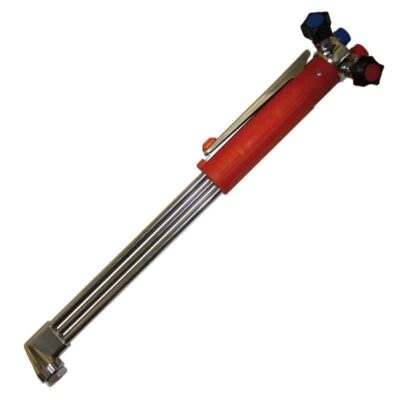
Oxy-fuel remains highly relevant for thicker carbon steel. The process preheats the steel to its ignition temperature, then uses a jet of oxygen to oxidise and blow away the material. It is not suitable for stainless steel or aluminium in the same way, but mild steel is exactly where oxy-fuel performs well.
For heavy plate, demolition, structural alterations and outdoor work, oxy-fuel equipment offers a combination of cutting depth, portability and straightforward setup that remains difficult to replace. It does not need a high-amperage electrical supply, which can be a significant advantage on remote sites.
The trade-off is heat input. Oxy-fuel creates a wider heat-affected zone than plasma or mechanical cutting, and thinner material can distort badly. The cut face is often oxidised, may show drag lines, and will usually need cleaning before welding or coating. Correct nozzle size, gas pressures, tip condition and travel speed have a direct effect on cut quality.
Gas handling demands disciplined practice. Cylinders must be secured upright, hoses inspected, flashback arrestors fitted and ignition sources controlled. Never treat oxy-fuel cutting as a casual alternative to a grinder. The process has serious fire and burn risks, particularly around old plant, coated steel, voids and areas where combustible material may be concealed.
Preparing the Cut Edge for Welding
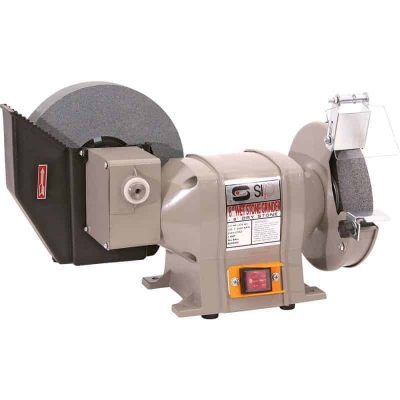
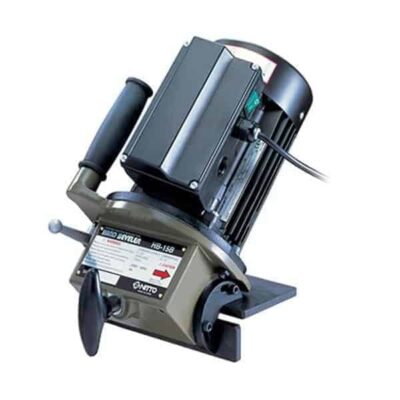
Cutting is only one stage of the job. Before welding, remove loose slag, dross, burrs, heavy oxide, paint, galvanising and oil from the joint area. A plasma or oxy-fuel edge may need grinding back to bright metal, particularly where the cut has left hard oxide or a pronounced bevel.
For thicker material, prepare the joint to the welding procedure rather than relying on the cut edge alone. A square saw cut may be suitable for a light fillet weld, while a full-penetration butt joint requires the correct bevel angle, root face and root gap. Accurate cutting reduces rework, but it does not replace proper fit-up.
Heat distortion should be considered before the first cut, not after the assembly has moved. Support sheet properly, avoid unnecessary thermal input and plan the sequence of cuts where several openings or profiles are required. For thin sheet, shearing or sawing may be preferable to thermal cutting if flatness is critical.
Match the Process to the Job
There is no single winner among mild steel cutting methods. Abrasive cutting is accessible and portable. Bandsaws and cold saws suit accurate repeated section cutting. Plasma offers speed and shape flexibility in light to medium plate. Oxy-fuel earns its place on heavy mild steel and outdoor structural work.
Choose the method that leaves the least total work after the cut, not simply the one that starts cutting first. A correctly specified machine, fresh consumables and a properly supported workpiece will save more time on the fabrication floor than rushing the initial cut.