




























Blog
Metalworking Trends Shaping Fabrication in 2026
Fabrication is being asked to deliver more with less tolerance for delay. Shorter lead times, tighter traceability requirements, skilled labour pressure and higher material costs are changing how workshops quote, plan and produce. The metalworking trends that matter are not novelty purchases or trade-show talking points. They are practical shifts that affect throughput, weld quality, rework, safety and the cost of every finished assembly.
For fabrication managers, maintenance teams and contractors, the useful question is not whether a technology is new. It is whether it removes a bottleneck without introducing another one. A machine that saves seconds per part may be valuable on repeat work, but less useful in a jobbing workshop handling one-off repairs and varied profiles. The right approach depends on the work mix, available skills, floor space and the level of control required.
Metalworking trends moving from interest to investment
Automation is becoming more targeted
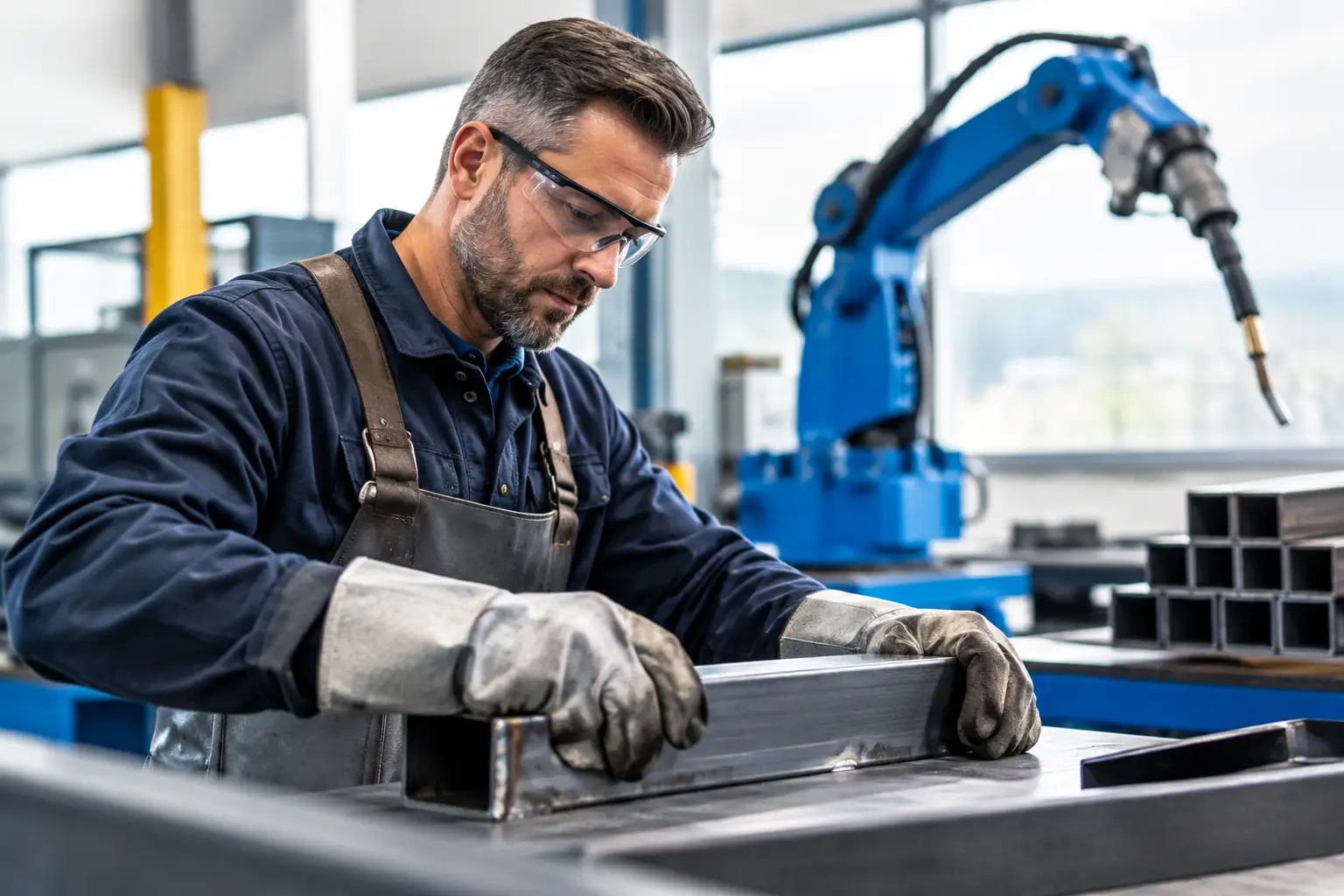
Automation is no longer limited to high-volume production lines. Smaller fabrication businesses are adopting it where the task is repetitive, physically demanding or difficult to staff consistently. Welding positioners, rotary tables, mechanised cutting, automated saws and collaborative robotic welding cells can all improve repeatability when the same joint or profile appears often enough.
The key point is that automation works best when the process around it is controlled. Parts need consistent fit-up, fixtures need to locate accurately, and consumables must be specified correctly. A robotic cell cannot compensate for poor preparation, distorted components or variable gaps without reducing the gain that justified the investment.
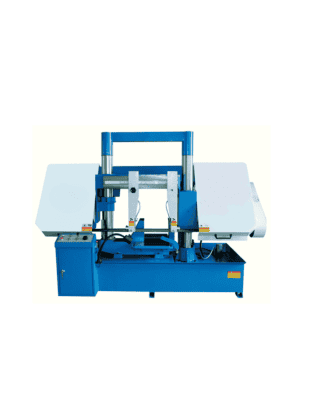
For low-volume workshops, partial automation can often provide the better return. A reliable positioner may increase arc-on time and reduce operator fatigue without the programming, guarding and fixturing demands of a full robotic installation. Similarly, a programmable cold saw or band saw can reduce measuring errors and free skilled staff for fabrication and welding work that needs judgement.
Digital job control is reaching the shop floor
Production information is increasingly moving from the office directly to the point of work. Digital drawings, cut lists, weld procedures, material certificates and inspection records are being accessed on tablets or workshop terminals rather than chased through paper folders. This is particularly useful where several operatives work on the same assembly or where traceability is part of the contract requirement.
The benefit is less about replacing paperwork for its own sake and more about preventing avoidable errors. Using the current drawing revision, confirming the correct material grade and recording inspection results against the job number all reduce the risk of costly rework. It also makes handovers more reliable when shifts change or a job moves between cutting, fitting, welding and finishing.
This does not require a complex factory management system from day one. A disciplined approach to file control, job travellers and material identification can deliver a meaningful improvement. The priority is making sure that information used at the bench matches the information approved by the customer.
Data is being used to protect margin
Many workshops know their hourly charge-out rate but have less certainty about where time is being lost. Machine downtime, repeated set-ups, consumable waste, delayed material deliveries and rework can erode margin long before a job reaches final inspection.
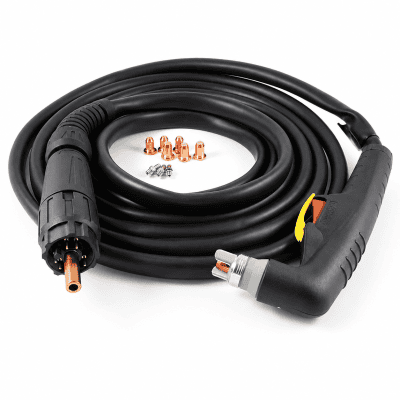
Basic machine monitoring and job tracking are helping firms identify these losses. If a plasma cutter is idle because programmes are not prepared, the answer may be better nesting and scheduling rather than another machine. If a welding bay repeatedly runs short of contact tips, wire or shielding gas, improving stock control may have a larger effect than changing welding equipment.
The value of data depends on action. Recording every available measure is not useful if nobody reviews it. Start with a small number of figures that relate directly to performance: quoted versus actual hours, reject rate, machine uptime, consumable use per job and on-time completion. These measurements show where process changes will have the strongest commercial effect.
Material choice is becoming a production decision
Rising material costs and supply uncertainty have made specification control more important. The lowest price per kilogram is not always the lowest cost in the finished component. Availability, cutting performance, weldability, corrosion resistance, finishing requirements and scrap value all need consideration before material is ordered.
High-strength steels can reduce section weight in suitable structural applications, but they may demand greater care with heat input, joint design and welding procedure qualification. Stainless steel requires disciplined segregation from carbon steel to avoid contamination. Aluminium can offer significant weight savings, while bringing different preparation, storage and welding requirements.
There is also growing pressure to account for material origin and recycled content, particularly on public, infrastructure and larger commercial projects. For a fabrication business, this makes mill certification, batch identification and supplier consistency more than an administrative concern. If the material cannot be traced, it may not be acceptable for the job.
Good nesting has become equally valuable. Reducing offcuts through accurate programming and standardising common sizes can lower waste, simplify storage and improve purchasing. This is not glamorous work, but it is one of the most direct ways to improve material yield.
Design for fabrication is gaining ground
The best time to reduce fabrication cost is before steel reaches the workshop. Designers and buyers are increasingly recognising that complex assemblies, difficult access and excessive tolerance demands create cost without always adding function.
A small change to a bracket profile, hole position or joint arrangement can make an assembly easier to cut, fixture and weld. Specifying standard plate thicknesses and readily available sections can shorten lead times. Designing welds that are accessible in the flat or horizontal position may improve productivity and reduce the need for costly manipulation.
Fabricators should be prepared to raise these points early, particularly on repeat work. This is not about cutting corners. It is about selecting practical details that meet the required strength, finish and service conditions while reducing unnecessary process time.
Welding quality is being managed more deliberately
As projects demand better documentation and more consistent finish, welding is receiving closer process control. This includes clearer welding procedures, more disciplined joint preparation, controlled storage of consumables and inspection that is planned rather than left until the end of the job.
A weld may look sound and still create a problem if penetration, profile, distortion or material compatibility does not meet the specification. The correct process is therefore determined by more than convenience. Material thickness, joint type, position, access, required appearance, production volume and available power supply all influence the choice.
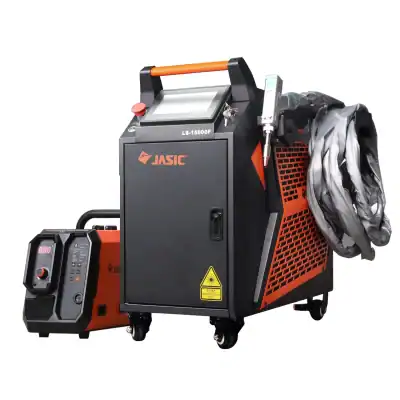
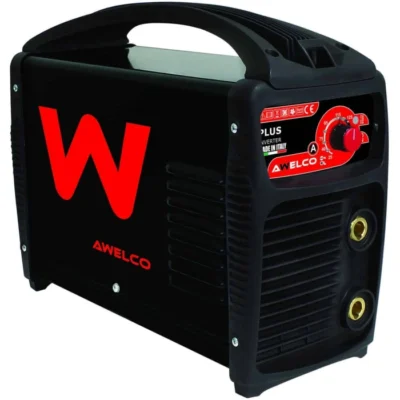
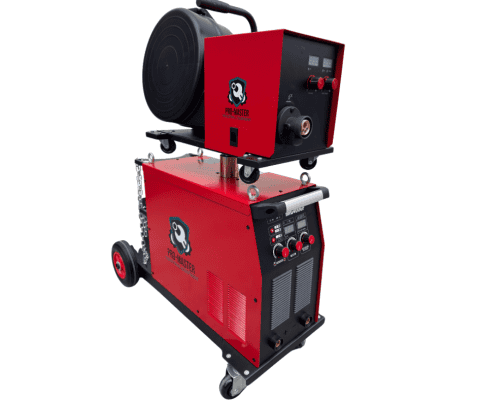
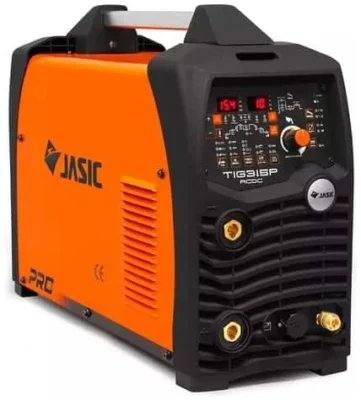
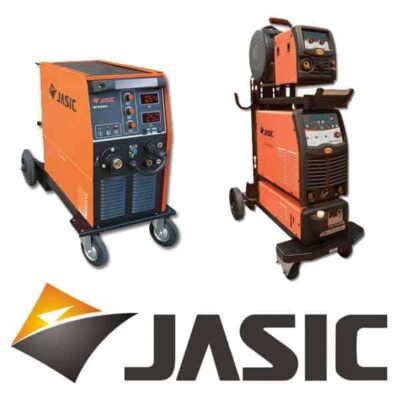
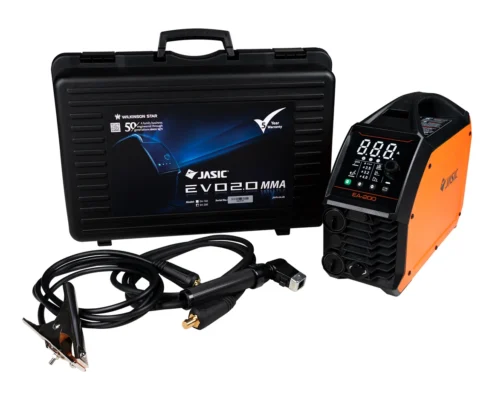
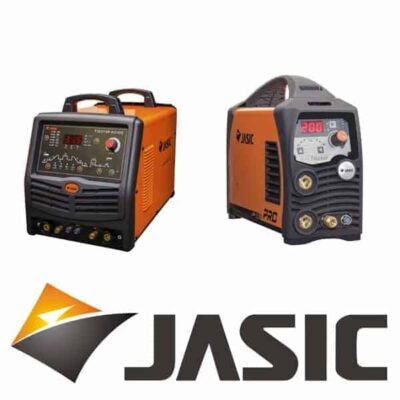
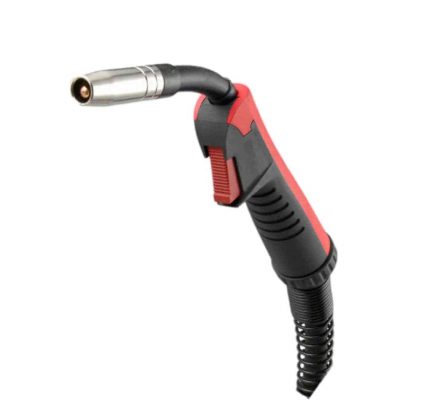
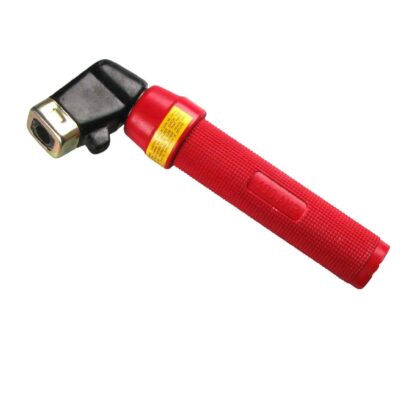
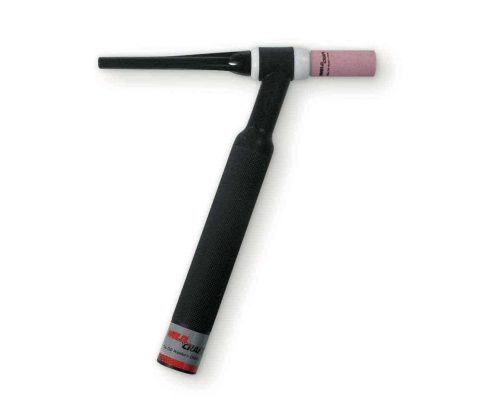
MIG welding remains a productive option for many carbon steel fabrication tasks, while TIG is often selected where control and finish are critical. MMA retains its place for site work, repair and outdoor conditions where portability matters. Each method has a cost and productivity profile, and the right selection should follow the job rather than habit.
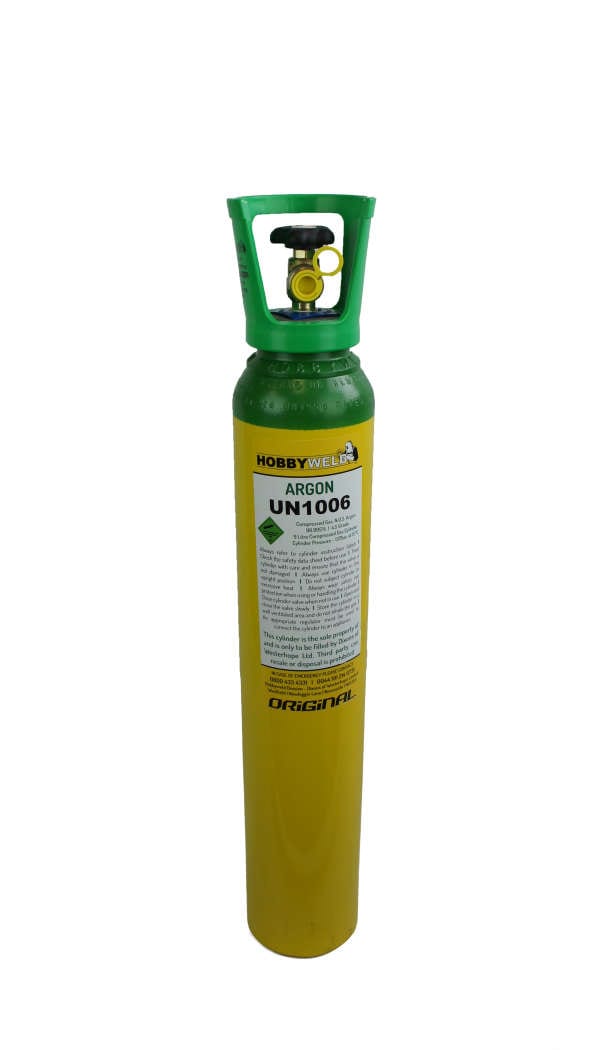
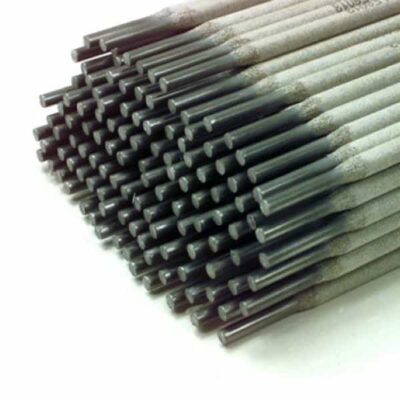
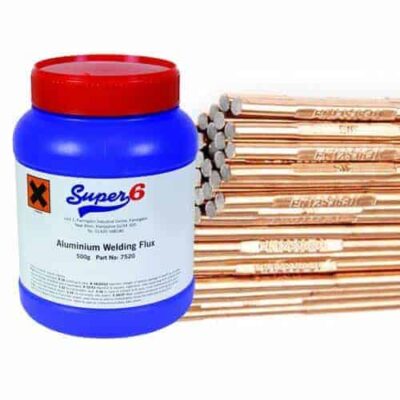
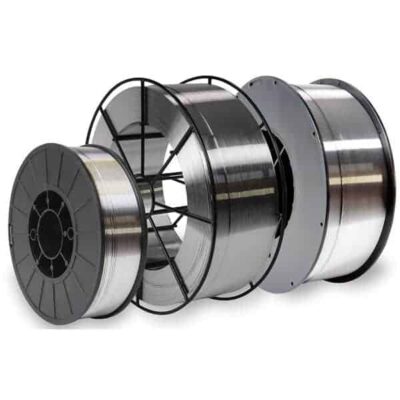
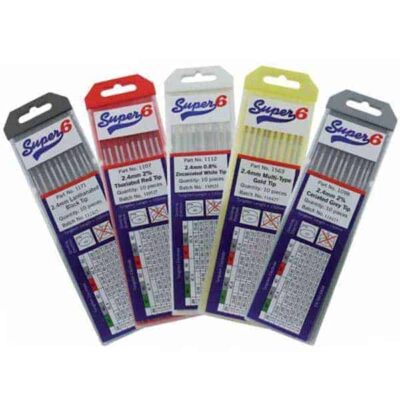
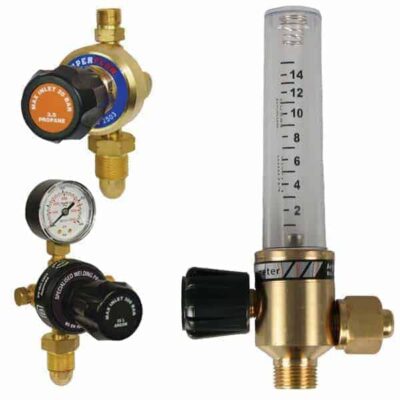
Consumables deserve the same attention. Selecting the correct wire, electrode, gas and contact consumables affects arc stability, deposition rate and final weld quality. Poor-quality or mismatched consumables can create spatter, porosity, feeding problems and unnecessary downtime that are easily mistaken for equipment faults.
Safety and workforce pressure are driving process changes
The shortage of experienced welders and fabricators is not solved by equipment alone. Workshops are responding by making roles more workable for the people they have. Better extraction, clearer work instructions, safer material handling and well-organised bays reduce fatigue and help less experienced staff work to a consistent standard.
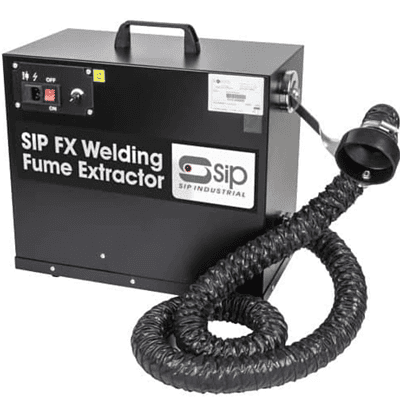
Fume control is a major priority. Local extraction positioned correctly at the source is more effective than relying solely on general workshop ventilation. The system needs to suit the process, the size of the work and the layout of the bay. Filters, extraction arms and ducting also need routine inspection, because poor maintenance can reduce performance without being obvious.
Manual handling is another area where simple improvements pay back. Positioners, lifting equipment, roller stands and sensible fixture design can reduce the need to manhandle awkward fabrications. The result is not only safer working. It can improve weld access, reduce distortion and make cycle times more predictable.
Where specialist supply support matters
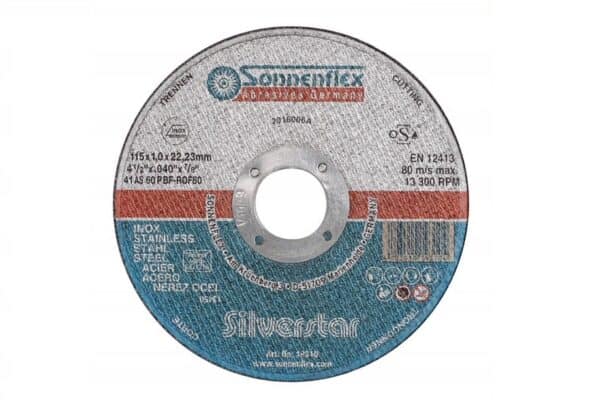
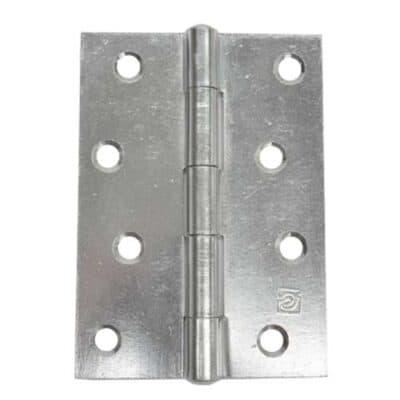
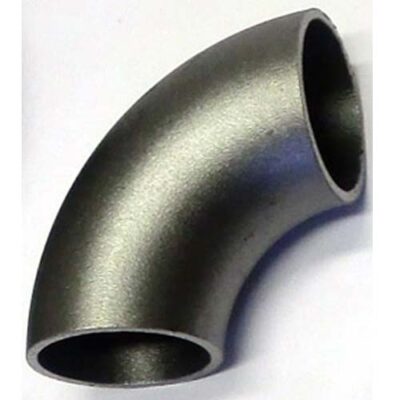
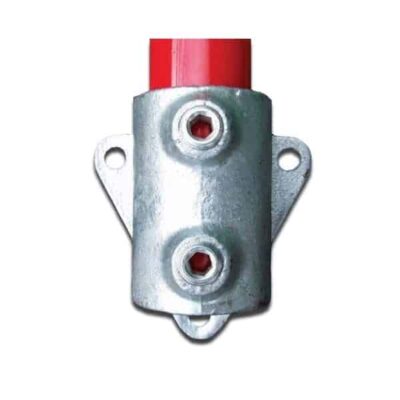
As processes become more controlled, buyers need more than a catalogue description. A welding wire may suit one material grade but not another. A weldable hinge, elbow, key clamp or fastener must fit the assembly, loading and finishing requirements. A cutting disc needs to match the material and the intended duty cycle.
A specialist supplier such as ProWeld can help workshops align parts, consumables and equipment with the job rather than selecting solely on unit price. This is especially useful when a change in material, process or application introduces uncertainty. Getting the specification right before work starts is cheaper than correcting it once production is under way.
The strongest workshops will not adopt every new development. They will identify the constraints holding back quality or output, then invest where the improvement is measurable. Review one recurring pain point in your operation, whether it is fit-up, material waste, fume control or slow set-ups, and make the next purchasing decision solve that specific problem.