
















Blog
Welding Equipment List for Trade Use
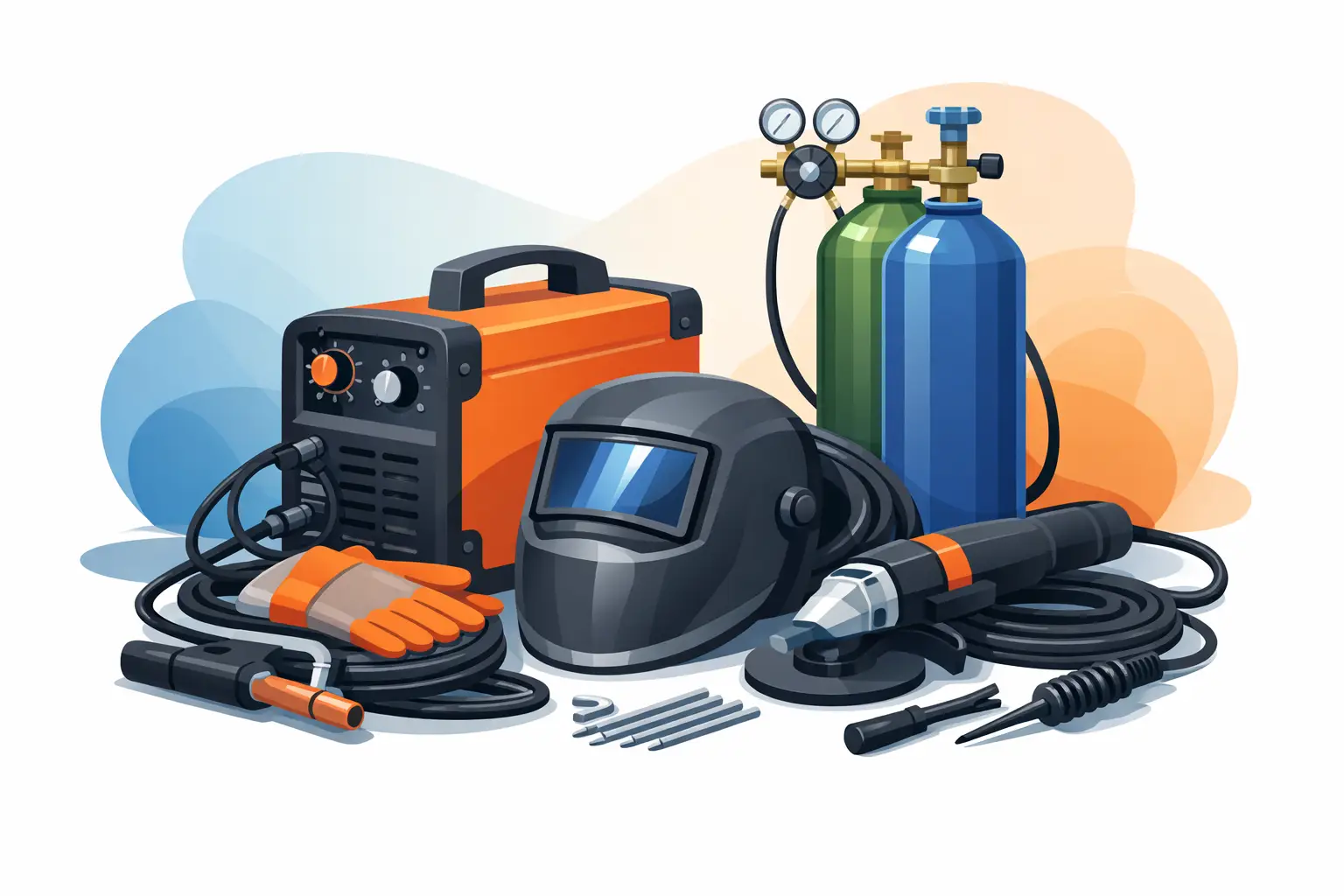
If a welding bay is missing one critical item, the problem rarely shows up at the buying stage. It shows up when a job stops, a weld fails inspection, or a fitter wastes time adapting the wrong setup. A proper welding equipment list is not just a stock checklist. It is the baseline for safe, consistent and productive fabrication.
For professional workshops, site teams and maintenance departments, the right list depends on process, material, duty cycle and working environment. A small repair operation will not spec equipment in the same way as a fabrication shop running MIG all day on structural steel. The point is not to buy everything. The point is to cover the equipment that keeps work moving without gaps.
What a welding equipment list should include
A useful welding equipment list starts with the welding power source, but it should never stop there. The machine is only one part of the system. Torches, return leads, consumables, shielding petrol, PPE and fume control all affect weld quality and uptime.
That matters because purchasing decisions are often made around headline machine specifications alone. Output range, input voltage and duty cycle are important, but they do not tell the full story. If the torch is under-rated, the petrol setup is inconsistent, or the operator is using poor-quality contact tips, performance will still suffer.
Welding machines and power sources
The first category is the welding set itself. For most professional buyers, the choice comes down to MIG, TIG, MMA, or a multi-process machine.
MIG welders
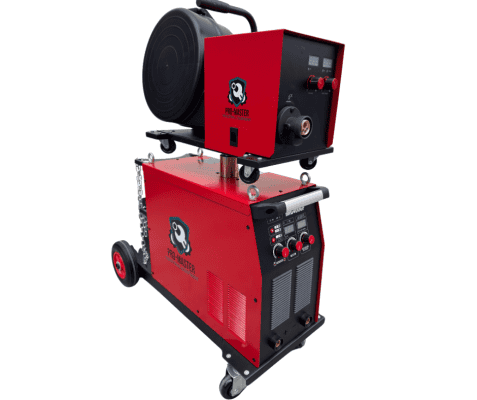
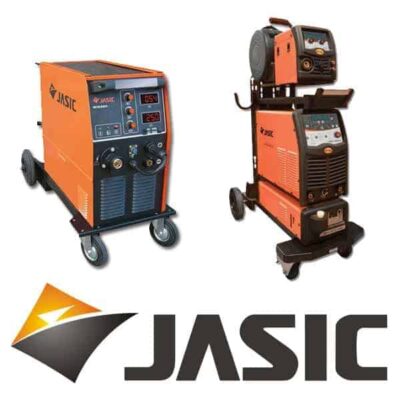
MIG is usually the main production choice for general steel fabrication, repair work and medium to heavy sections. It is fast, efficient and well suited to repetitive work. A workshop handling mild steel frames, brackets, gates or plant repairs will often build its core setup around MIG.
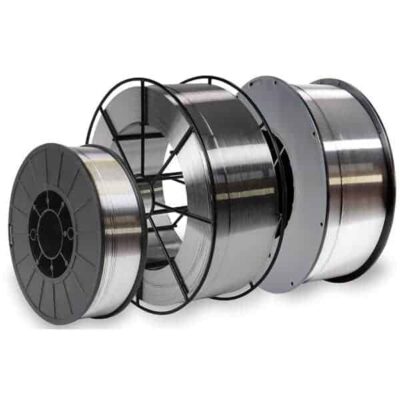
When specifying a MIG set, look beyond maximum amperage. Check duty cycle at the amperage you actually expect to run. Wire feed quality, torch compatibility, spool size and stable arc performance make a real difference in daily use. Three-phase models are often the better fit for higher output industrial work, while single-phase units can suit mobile repair teams or lighter workshop duties.
TIG welders
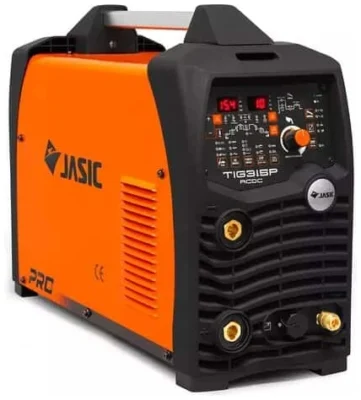
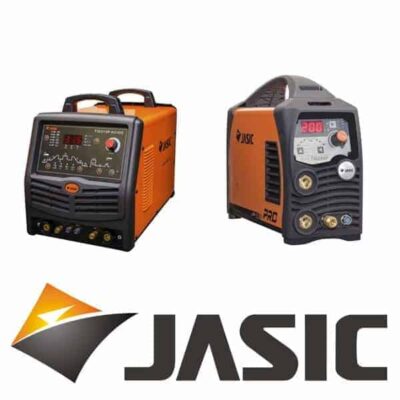
TIG is the process of choice where weld appearance, control and precision matter. Stainless fabrication, aluminium work, thin-wall tube and coded applications often call for TIG. It is slower than MIG, but the control is far better for delicate or high-specification work.
AC/DC capability is important if aluminium is part of the workload. Pulse settings can help with heat input control, especially on thinner material. For some buyers, a DC-only TIG machine is enough. It depends on the range of metals being welded and whether cosmetic finish is a factor.
MMA welders
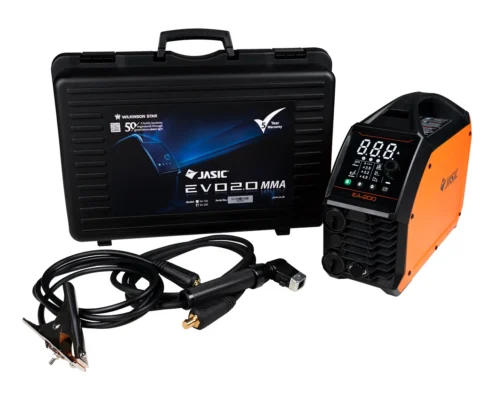
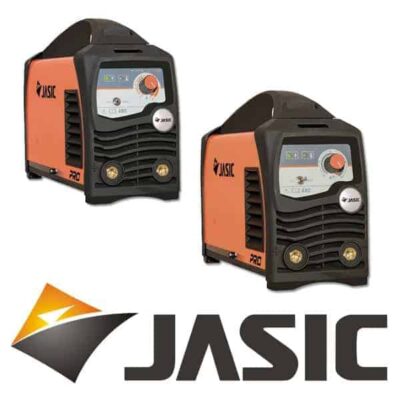
MMA, or stick welding, remains relevant because it is tough, portable and reliable in less controlled conditions. Site work, agricultural repair, maintenance and outdoor fabrication often favour MMA, particularly where wind makes petrol-shielded welding less practical.
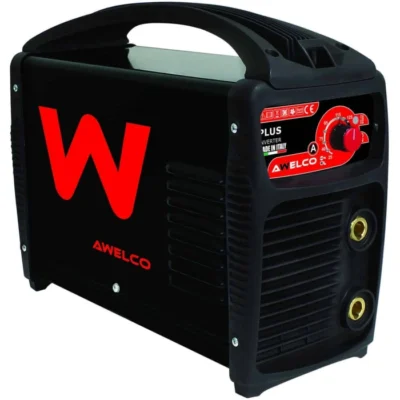
An MMA inverter can be a sensible addition even in a workshop centred on MIG or TIG. It gives flexibility for repair work and awkward access jobs. Features such as hot start and arc force are worth checking, especially if different operators will be using the machine.
Multi-process machines
A multi-process set can make sense where space is tight or the workload varies. One machine covering MIG, TIG and MMA can reduce equipment footprint and improve flexibility. The trade-off is that not every multi-process unit delivers the same level of performance in each mode as a dedicated machine. For high-volume or specialist production, separate process-specific machines are often the better long-term option.
Torches, leads and current transfer components
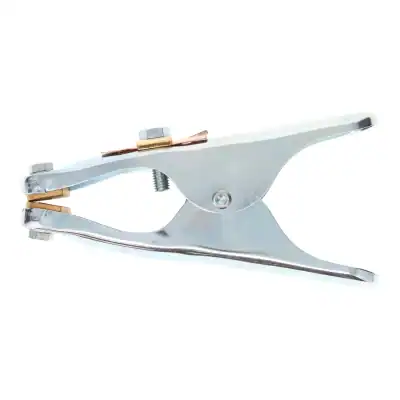
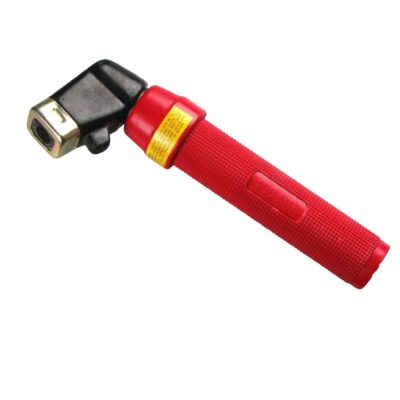
A welding machine without the right front-end equipment is only half specified. Torches, earth clamps, return leads, dinse connectors and cable assemblies all need to match the process and output.
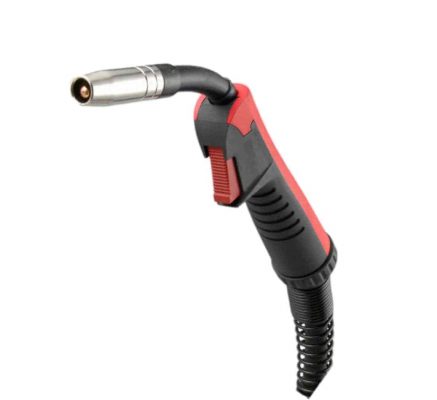
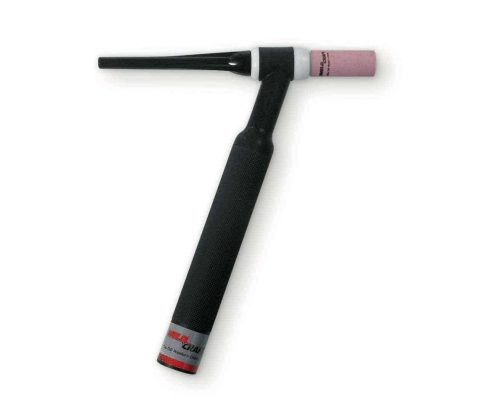
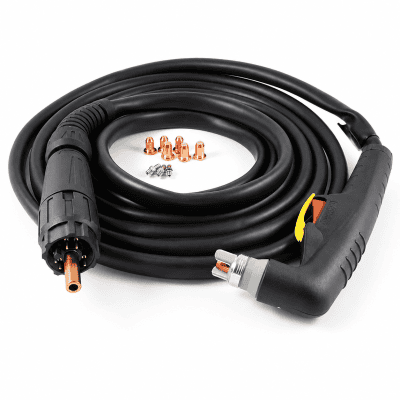
MIG torches should be chosen for amperage rating, cooling type and ergonomics. Air-cooled torches are standard for many applications, but water-cooled setups become more relevant where high current and long duty cycles are common. With TIG, torch flexibility and head style matter, especially for pipework, corners and restricted access.
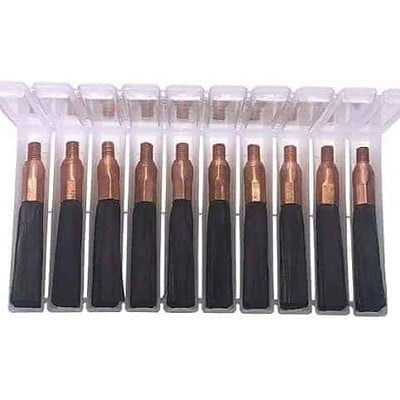
Contact tips, petrol nozzles, swan necks, diffusers and liners are consumable but critical. Poor fit or low-grade components lead to unstable feeding, excess spatter and avoidable downtime. In a busy workshop, these items should always be stocked as standard.
Petrol equipment and regulators
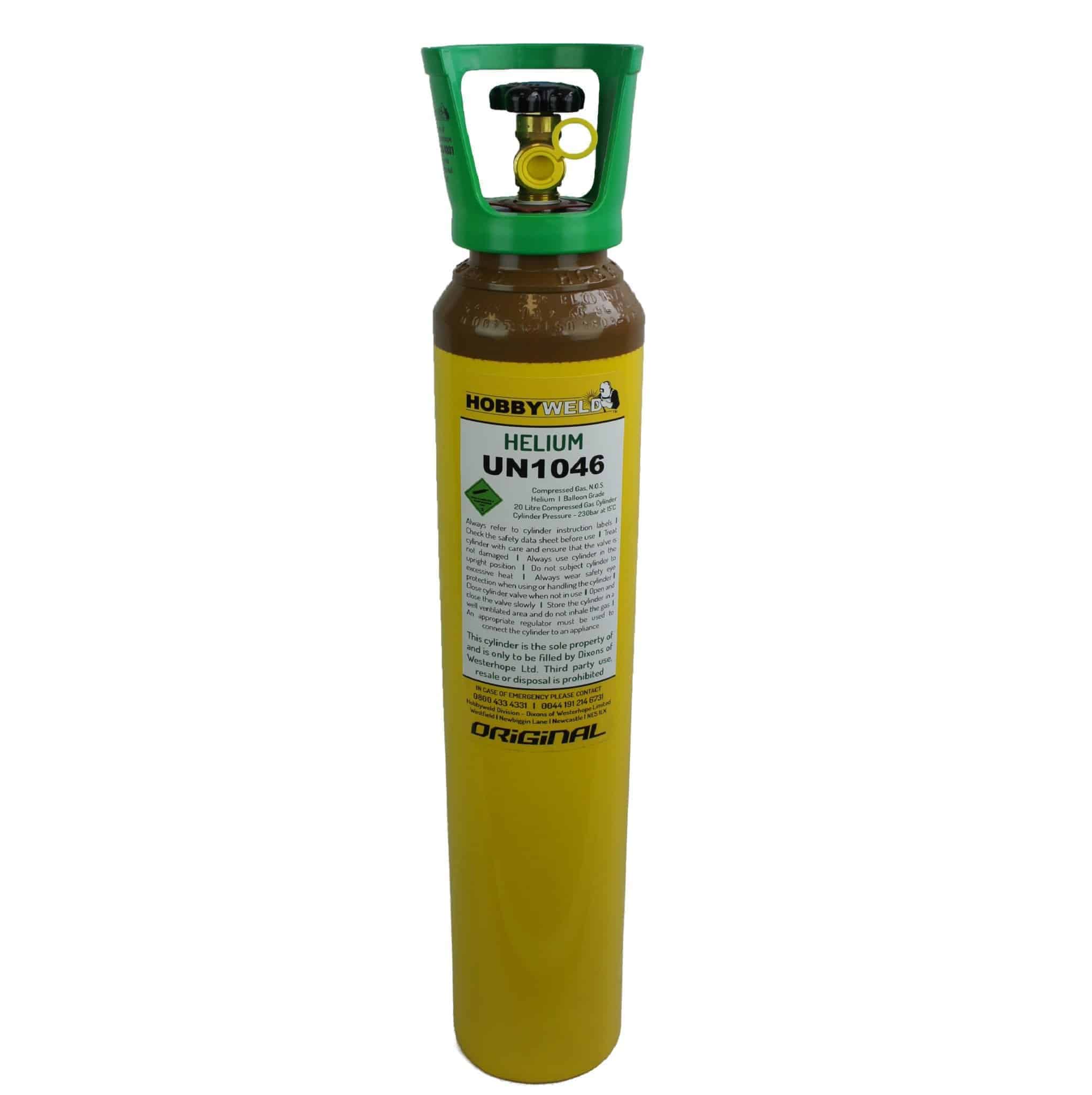
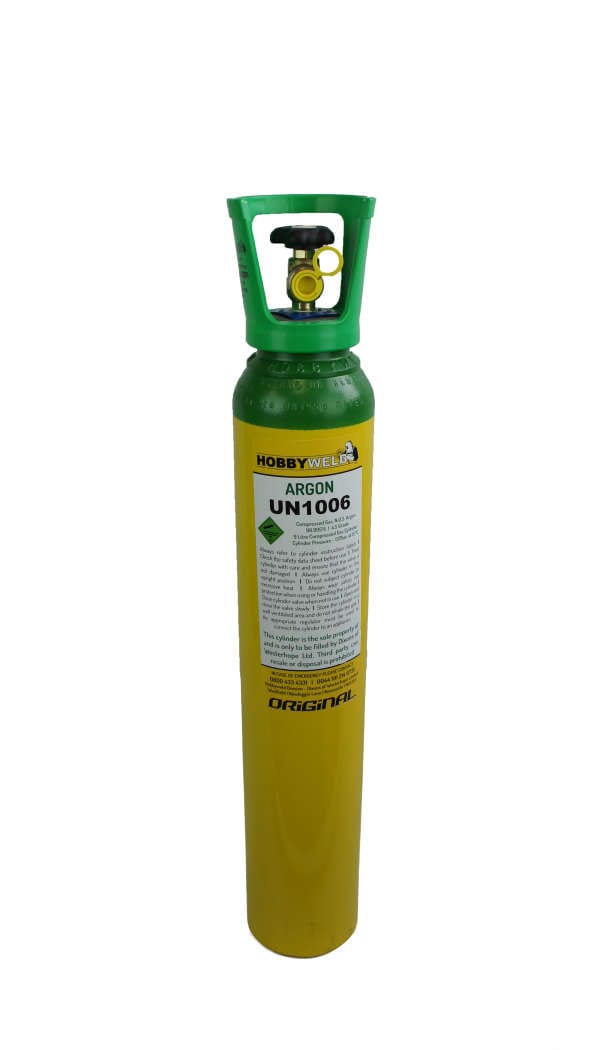
Shielding petrol is part of the welding system, not an afterthought. MIG and TIG operations need the correct petrol type and stable delivery. Mild steel MIG commonly uses argon and CO2 mixes, while stainless and aluminium require different blends or pure argon depending on process and specification.
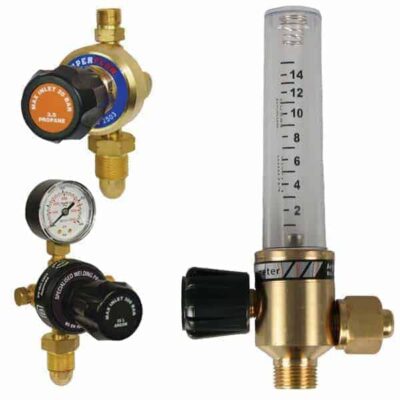
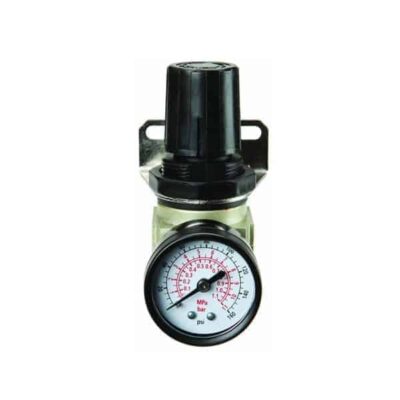
A sound petrol setup includes regulators, flowmeters, hoses and cylinder handling equipment. Flow rate needs to suit the torch, nozzle size and working environment. Too little petrol leads to contamination. Too much can create turbulence and waste. On site, draughts and positioning can affect performance more than many buyers expect.
Filler materials and welding consumables
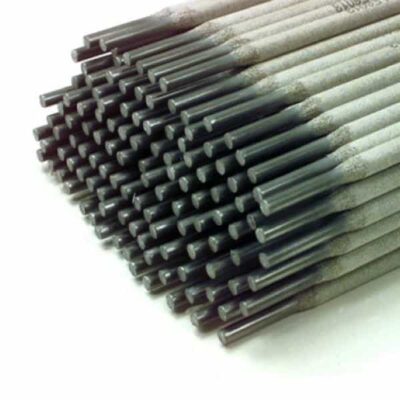
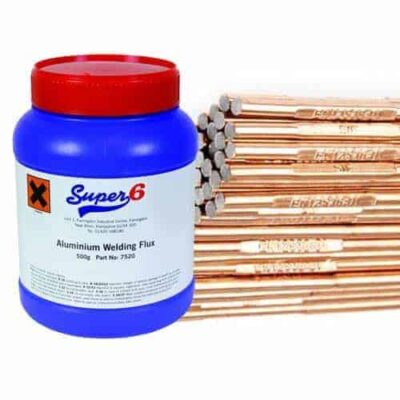
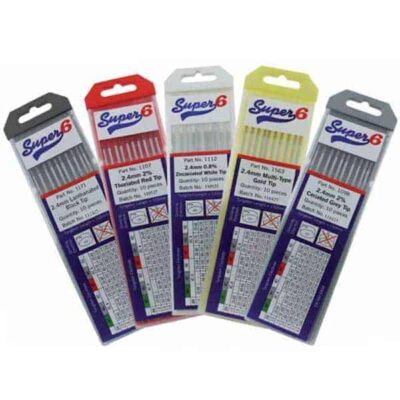
No welding equipment list is complete without consumables matched to the material and application. For MIG, that means wire type, diameter and spool format. For TIG and petrol-shielded work, it means correct filler rods. For MMA, it means selecting the right electrodes for the parent material, position and service conditions.
This is one area where cheap buying often costs more. Wire quality affects feed consistency. Electrode storage affects usability. Incorrect filler selection can create weld defects, reduced corrosion resistance or mechanical weakness. In production environments, consumable consistency matters as much as machine reliability.
PPE and operator protection
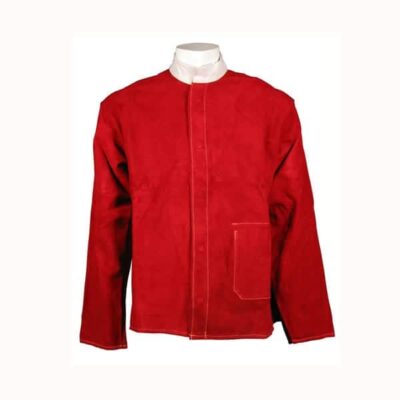
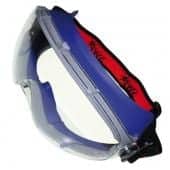
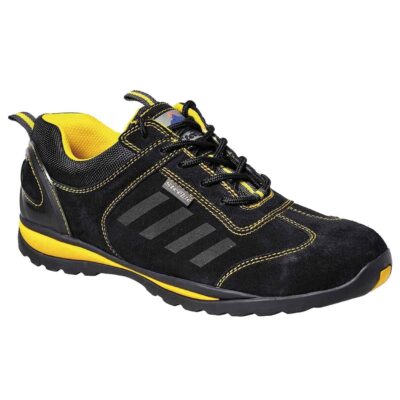
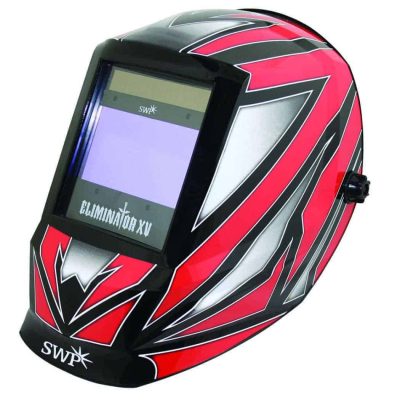
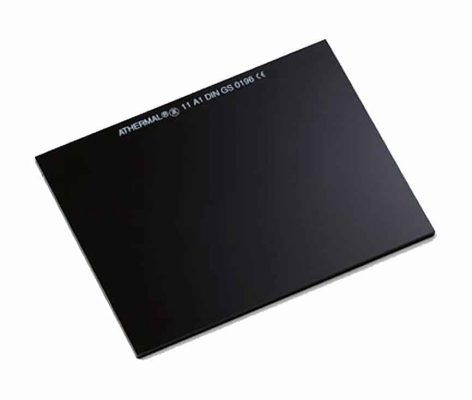
Professional welding PPE is not optional, and it should be specified with the same attention as the machine. Welding helmets, gauntlets, flame-resistant clothing, aprons, sleeves and safety boots all belong on the list.
Auto-darkening helmets are standard for many operators because they improve visibility and reduce repeated lifting of the mask between welds. Lens quality, reaction speed and optical clarity are more important than cosmetic features. A helmet that reduces eye strain over a full shift is worth more than one with a longer feature list.
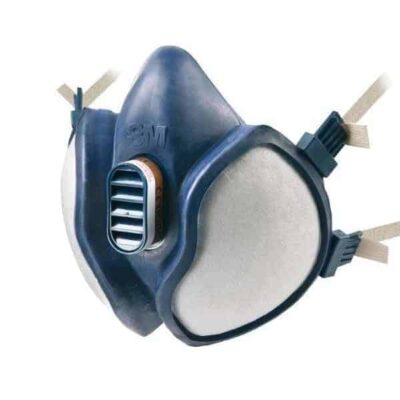
Respiratory protection also deserves attention. Depending on process, base material and environment, a basic helmet is not enough. Welding fume is a serious workshop issue, particularly in enclosed or high-throughput bays.
Fume extraction and ventilation
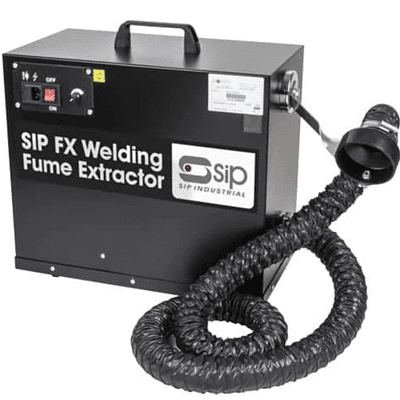
Fume control should sit near the top of any workshop specification. Local extraction arms, mobile filtration units and fixed systems all have their place depending on layout and volume of work. The right solution depends on whether welding is carried out at fixed benches, shared bays or changing locations around the workshop.
There is no single answer here. Small workshops may rely on mobile extraction units and sensible positioning. Larger fabrication environments usually need a more structured system. What matters is capturing fume at source where possible and not treating ventilation as a box-ticking exercise.
Preparation, cutting and finishing tools
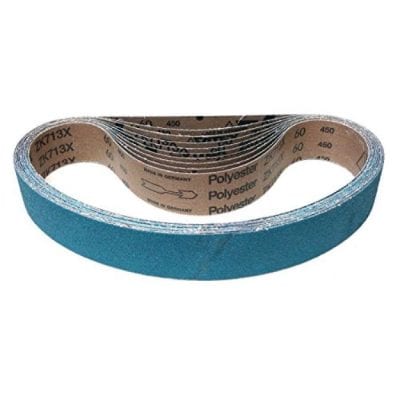
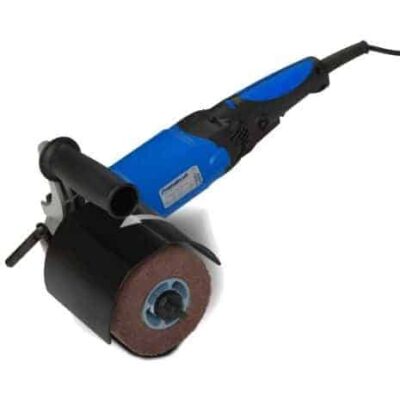
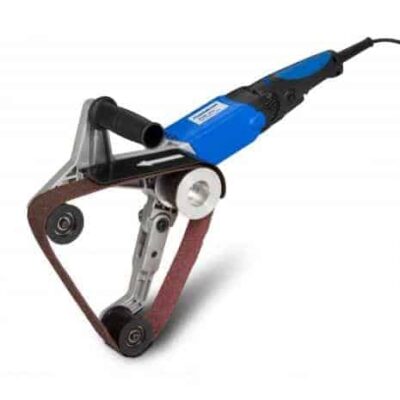
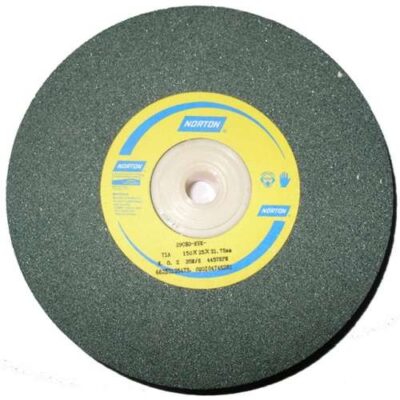
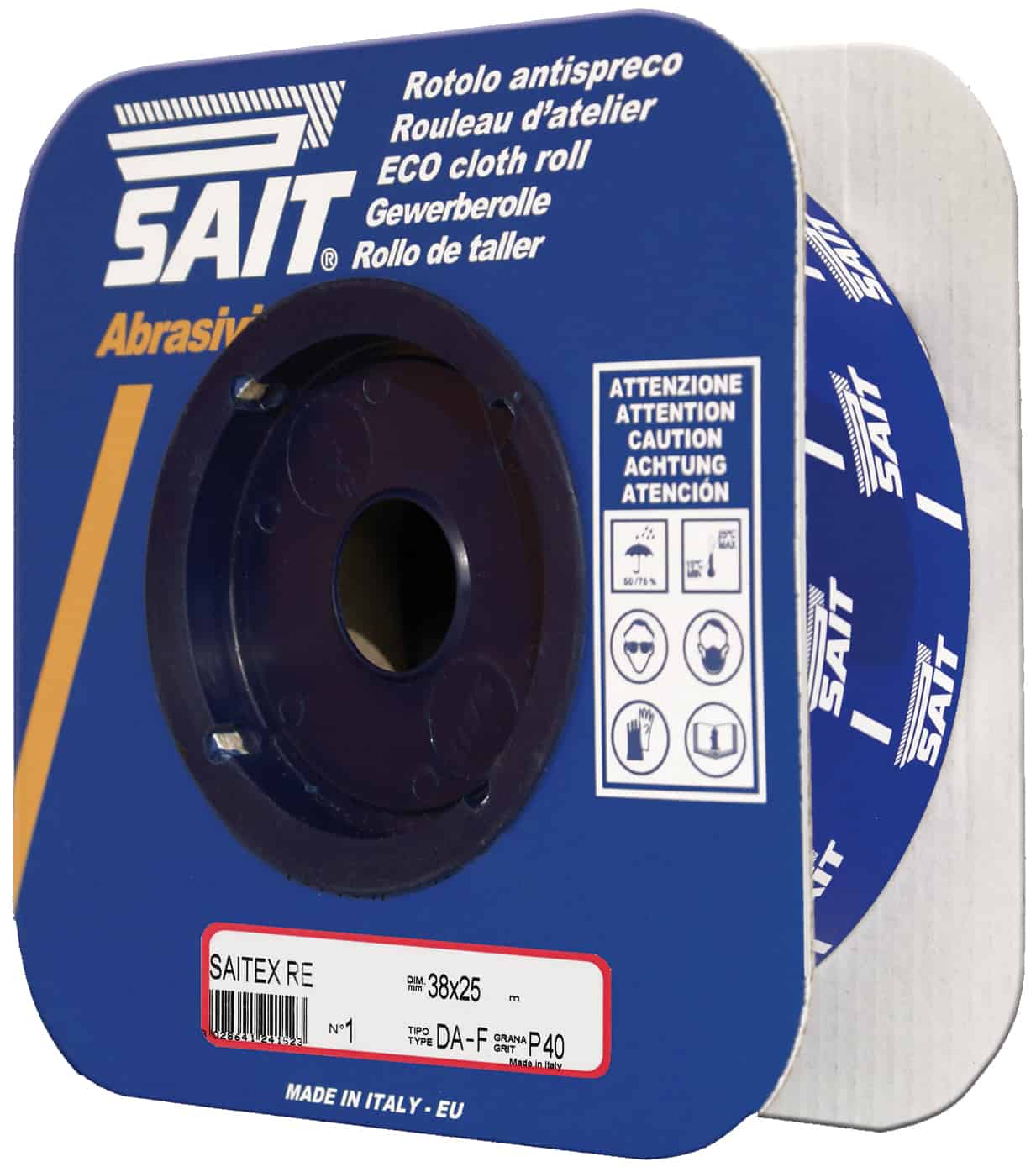
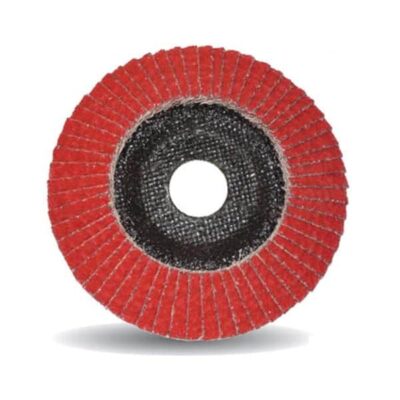
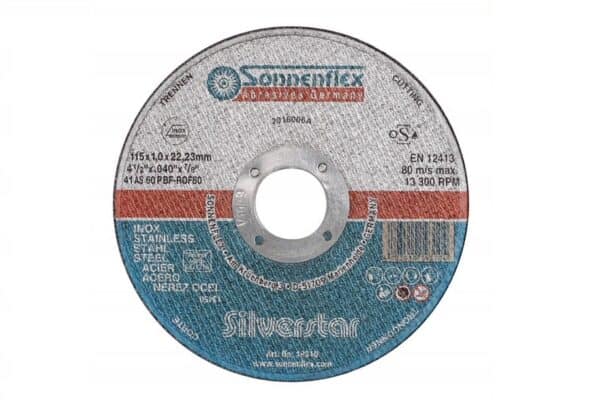
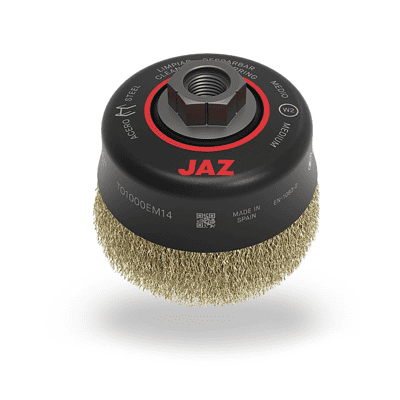
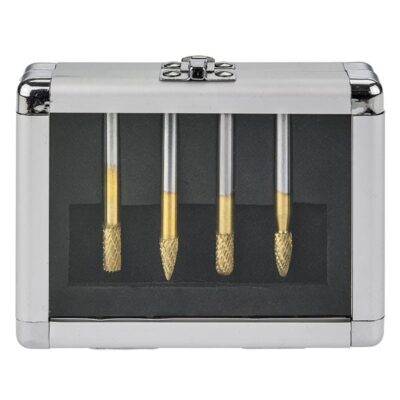
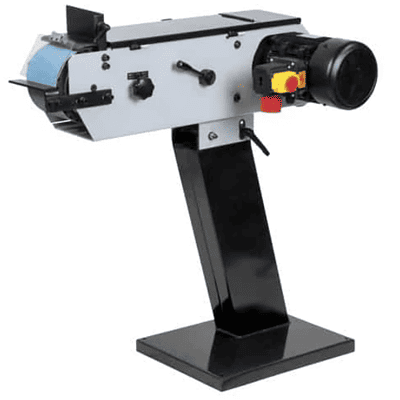
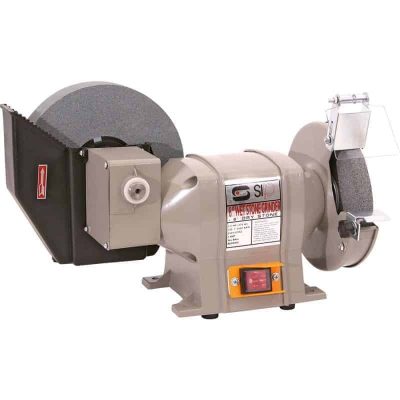
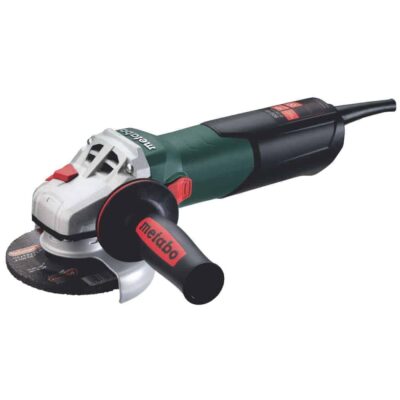
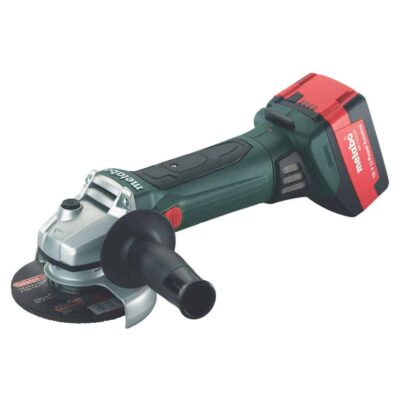
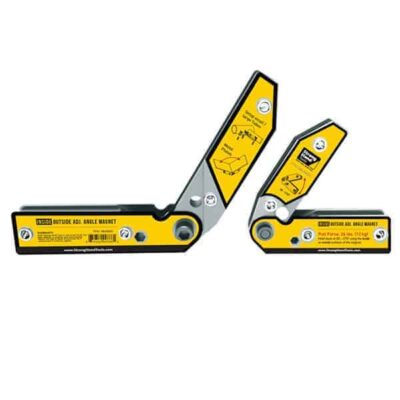
Welding quality starts before arc ignition and continues after the weld is laid. Preparation and finishing equipment should be included in the same purchasing plan. Angle grinders, cutting discs, flap discs, carbide burrs, wire brushes, bench grinders and magnetic squares all support efficient fit-up and clean finishing.
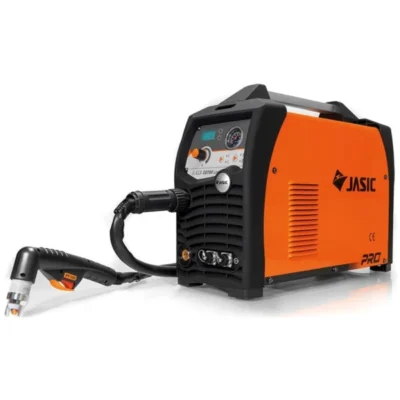
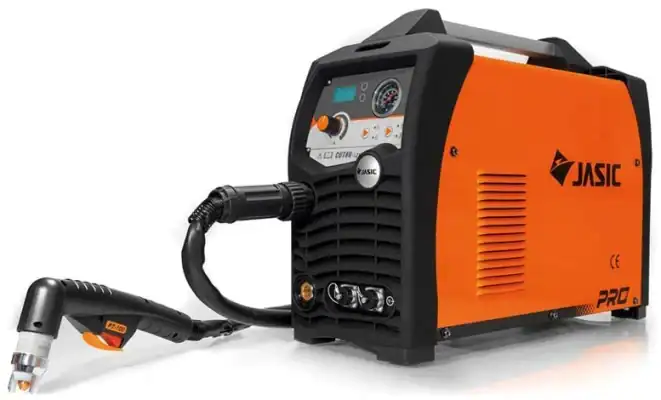
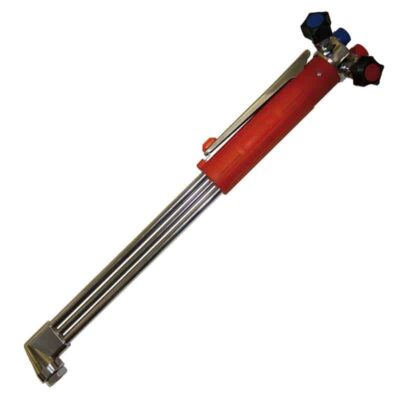
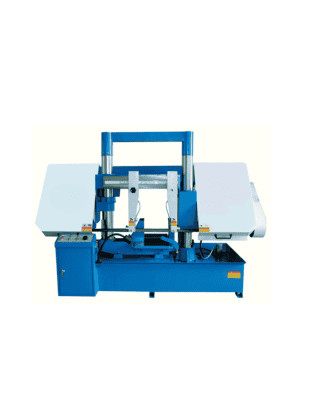
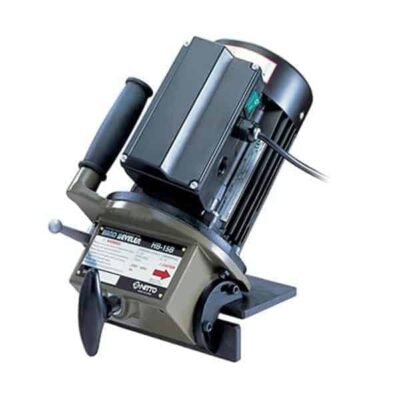
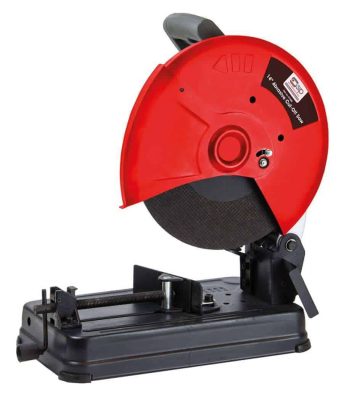
For higher-volume fabrication, bandsaws, chop saws, plasma cutters and bevelling tools may also be essential. If joints are poorly prepared, even a high-end welding set will not compensate for bad fit-up or contaminated edges.
Workholding and welding tables
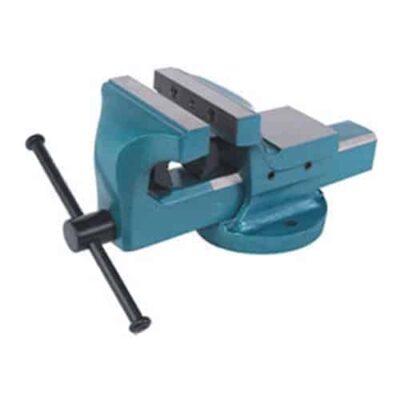
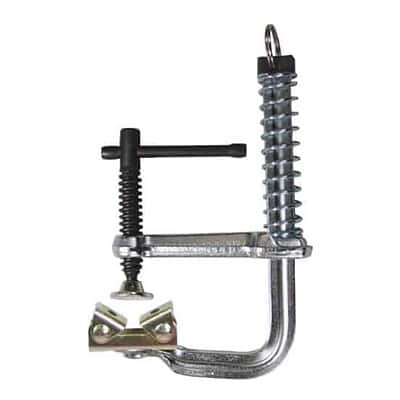
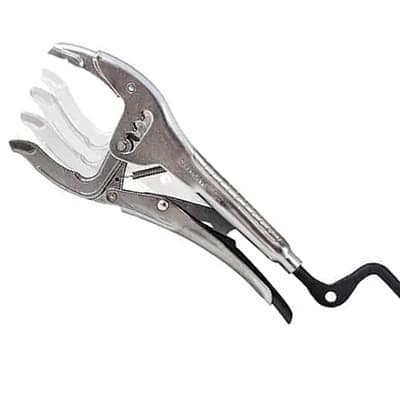
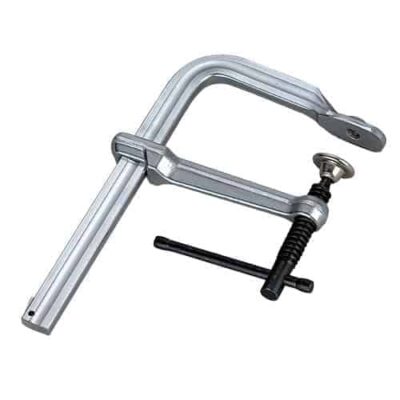
Accurate fabrication depends on keeping material stable and correctly aligned. Welding tables, clamps, magnets, vices and fixtures are part of the production system. They improve repeatability, reduce rework and help maintain dimensional accuracy.
This category is often underbought because it looks less specialised than the welding machine itself. In practice, good workholding can save more time across a week than a marginal upgrade in machine features.
Inspection and support equipment
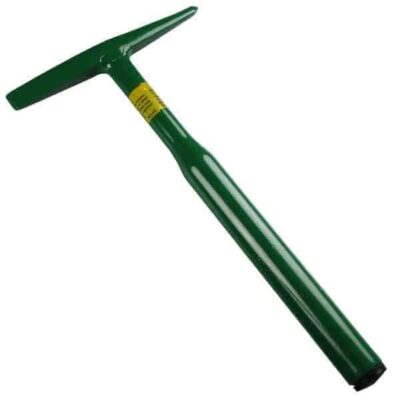
A trade-ready setup should also include the tools that support quality control and routine upkeep. Chipping hammers, slag brushes, weld gauges, measuring tools, anti-spatter products and leak detection fluid all have a place.
Basic machine maintenance items matter too. Spare liners, tips, nozzles, torch parts and cable connectors should be held in stock, not ordered after failure. Downtime caused by a minor missing part is avoidable and expensive.
Building the right welding equipment list for your work
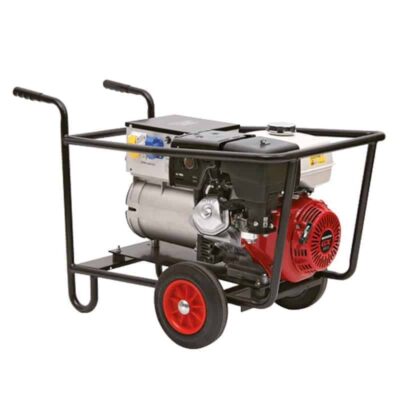
The best welding equipment list is shaped by actual jobs, not assumptions. A general fabrication firm may need several MIG bays, one AC/DC TIG set for stainless and aluminium work, and an MMA inverter for site repairs. A maintenance department may prioritise portability, fast setup and process flexibility. A coded welding environment may place greater emphasis on procedure control, traceable consumables and operator-specific PPE.
That is why specification should start with workload. Consider material types, thickness range, daily arc time, power supply, mobility requirements and operator skill level. If the equipment list matches those realities, purchasing becomes more efficient and workshop performance becomes more predictable.
For buyers who want trade-grade reliability rather than retail-level compromise, the strongest approach is straightforward: buy the machine for the job, then complete the system around it properly. That is what keeps fabrication moving when deadlines are tight and the work still has to be right first time.