





Blog
Welding Equipment Repair That Reduces Downtime
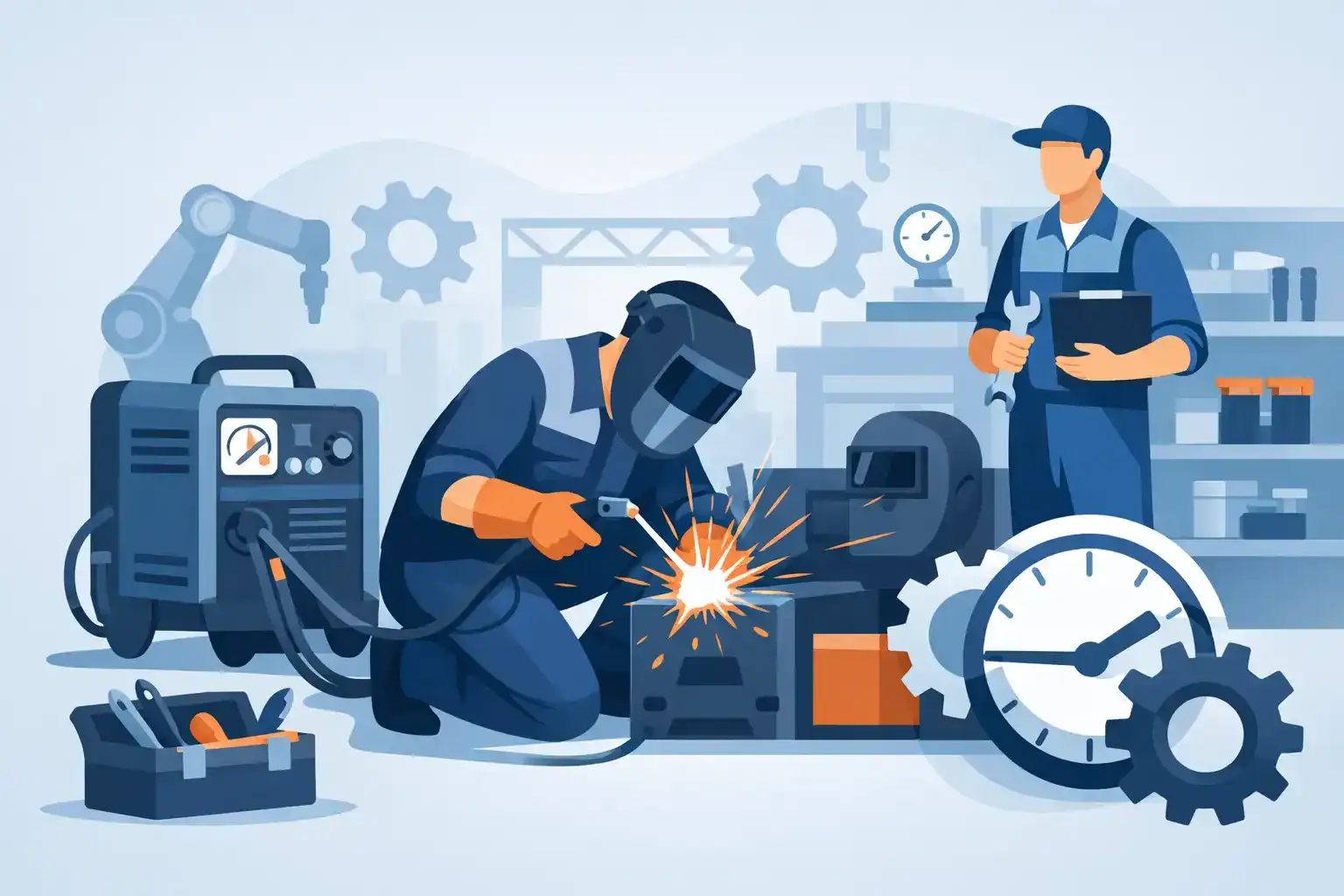
A welder that starts misfeeding wire halfway through a production run is not a minor inconvenience. It holds up fit-up, wastes consumables, affects weld quality and puts delivery dates under pressure. That is why welding equipment repair matters in practical terms – not as a last resort, but as part of keeping a fabrication shop, maintenance team or site operation productive.
Repair decisions are rarely just about whether a machine still powers on. The real question is whether the fault is isolated, economically repairable and unlikely to create repeat stoppages. In many workshops, the best outcome comes from spotting the early signs, replacing the right wear parts and dealing with small electrical or mechanical issues before they turn into a full breakdown.
What usually fails first in welding equipment repair
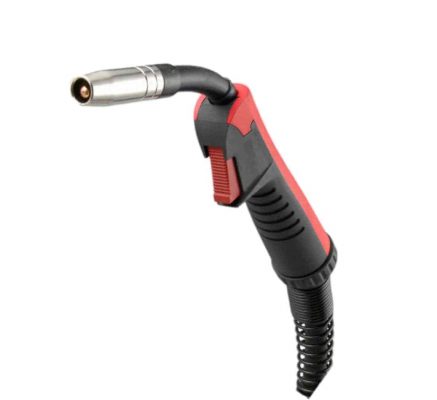
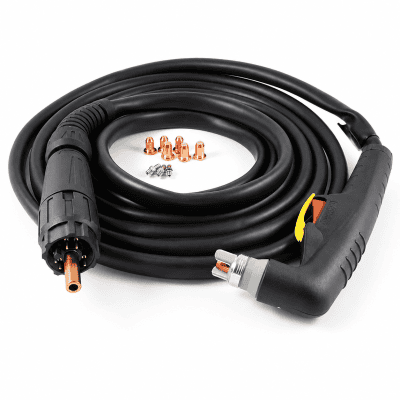
Most faults are not dramatic. They build gradually through heat, vibration, dust, poor cable handling and neglected consumables. On MIG and flux-cored systems, wire feed issues are among the most common causes of poor performance. A worn drive roller, incorrect roller tension, liner contamination or a damaged contact tip can all produce symptoms that look like a machine fault when the real issue sits in the torch and feed path.
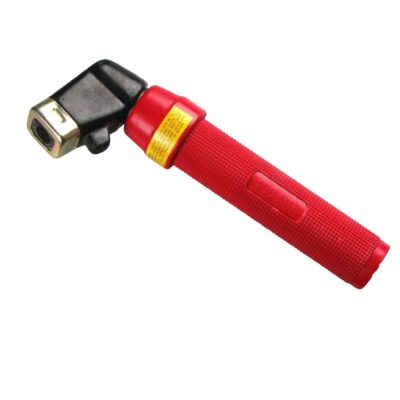
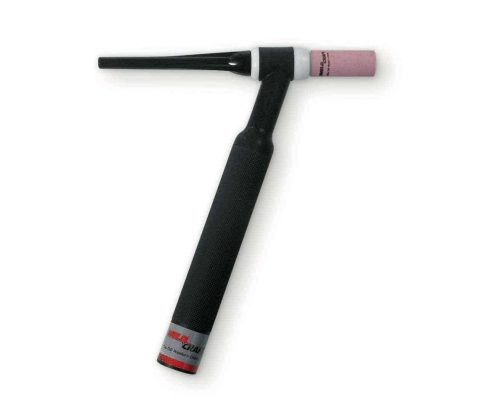
On TIG equipment, problems often show up as unstable arc starts, intermittent HF performance, overheating torches or gas flow inconsistency. In MMA applications, damaged leads, poor earth connections and worn electrode holders are frequent causes of arc instability and unnecessary heat build-up.
Power sources themselves do fail, but not every problem starts in the machine. Cooling fans clog. Connectors loosen. Switches wear. PCB-related faults can occur, though they should be approached carefully because diagnosis without proper testing can waste both time and parts. In many cases, the most cost-effective welding equipment repair starts with the basic service items around the power source rather than the electronics inside it.
Start diagnosis with the obvious, not the expensive
The fastest way to lose time is to assume the worst too early. Before any deeper repair work, check the full welding circuit and consumable path. Damaged return clamps, overheated Dinse connectors, split gas hoses, worn torch necks and contaminated liners can all mimic larger failures.
A practical inspection should begin with input power, output connections, torch condition, wire path, gas delivery and cooling if fitted. If the machine trips, overheats or produces erratic output, compare that against duty cycle, ambient conditions and how the equipment has been used. A unit running near its limit in a dusty fabrication bay may simply be suffering from blocked airflow and thermal stress rather than a major internal defect.
This matters because repair cost is not only the price of parts. It is labour time, operator downtime and the risk of replacing components that were never at fault. A disciplined fault-finding process is usually cheaper than quick assumptions.
When welding equipment repair makes financial sense
Repair is usually the right call when the fault is isolated, parts are available and the machine remains suitable for the work it handles. Replacing a torch assembly, leads, regulators, wire feed components, cooling items or switches is often straightforward and commercially sensible. The same applies to many moderate internal faults if the unit is otherwise in good condition and still correctly specified for current output and duty cycle.
Where it becomes less clear is with older machines that already struggle with present workload. If a fabrication shop has outgrown a power source, repeated repair may only preserve an existing bottleneck. The machine may be repairable, but still wrong for the job. That is a different problem.
Age on its own is not the deciding factor. A well-built machine used within limits can justify repair for many years. A heavily worked machine with repeated overheating, inconsistent output and poor service history may not. The right decision depends on fault frequency, part cost, machine role and how critical that equipment is to production.
Common signs a repair is due
Some failures stop work immediately. Others reduce quality long before the machine actually goes down. Wire burn-back, erratic arc behaviour, unexplained porosity, inconsistent travel feel and repeated tip failure can all point to equipment condition rather than operator technique.
Watch for feed motors straining, fans running excessively, cable insulation damage, hot connectors, unstable displays, intermittent trigger response and gas leaks at couplings or torch connections. On water-cooled systems, reduced coolant flow should be treated seriously. Running a torch with poor cooling quickly turns a manageable repair into a more expensive replacement.
Noise also matters. Grinding in the wire feed assembly, buzzing contactors or unusual fan noise often indicate wear before complete failure. In a busy workshop, these signs are easy to ignore because the machine still functions. That is usually the stage where repair is least disruptive.
Welding equipment repair and workshop safety
There is a safety case for timely repair that goes beyond productivity. Damaged leads, failing insulation, loose power connections and overheating components increase the risk of electric shock, fire and operator injury. Faulty gas equipment can also create exposure issues in confined or poorly ventilated areas.
Repair work should never bypass manufacturer safety design or introduce makeshift fixes into the welding circuit. Temporary workarounds have a habit of becoming permanent, especially under production pressure. A taped cable, improvised clamp or worn connector may keep the job moving for an hour, but it is not a maintenance strategy.
For workshops responsible for multiple machines, standardising inspection intervals helps. The goal is not paperwork for its own sake. It is making sure obvious wear points are checked before they become safety incidents.
The parts around the machine matter as much as the machine
A large share of avoidable repair work comes from neglected accessories and consumables. Torches, earth leads, plugs, sockets, regulators, liners, contact tips and drive rollers all influence machine performance. If these are poor quality, incorrectly matched or simply worn out, the power source ends up carrying the blame.
This is where trade-grade support makes a difference. A fabrication manager sourcing parts needs compatibility, current rating and application suitability, not guesswork. The right torch spares, cable sets, fittings and replacement components reduce repeat faults and improve service life. For many buyers, that is the real value in dealing with a specialist supplier such as ProWeld rather than a general hardware outlet.
It also pays to match the repair part to the actual process. A light-duty torch on heavier production work will fail early, however many times it is repaired. Likewise, undersized return leads create heat, resistance and unstable performance that can be mistaken for internal machine trouble.
Preventive maintenance cuts repair frequency
Not every workshop needs a formal maintenance department, but every professional setup benefits from routine checks. Clean wire feed housings, inspect liners, keep vents clear, replace worn contact consumables on time and check cable condition regularly. Store machines dry, avoid sharp cable bends and protect equipment from grinding dust where possible.
The better the maintenance discipline, the more predictable repair becomes. Instead of reacting to a dead machine on a deadline, you are replacing wear items during planned downtime. That shift is important in fabrication environments where missed output quickly costs more than parts ever will.
Preventive work is especially valuable for site equipment. Portable welders see rough handling, vehicle transport, weather exposure and power supply variation. They need more frequent inspection than machines left in a controlled workshop bay.
When to involve a specialist
Basic checks and service part changes are one thing. Internal electrical faults, calibration concerns, cooling system failures and persistent output issues are another. If the machine has already had torches, leads and consumables ruled out, further diagnosis should be done properly.
Specialist repair support is worth using when downtime cost is high, fault symptoms are inconsistent or the equipment is central to production. The aim is not simply to get the unit running again, but to return it to reliable service with the fault correctly identified.
There is also a clear limit to economical troubleshooting. If diagnosis time starts to exceed realistic repair value, replacement or fleet reallocation may be the more practical route. Good maintenance decisions are not sentimental. They are based on uptime, cost and suitability for current work.
A sound repair approach keeps welding equipment working safely, consistently and for longer. In most trade environments, that starts with better inspection, better consumables and faster action on early faults. Leave it too late, and a small repair becomes a lost shift.