








Blog
What Is Welding Machine Inverter?
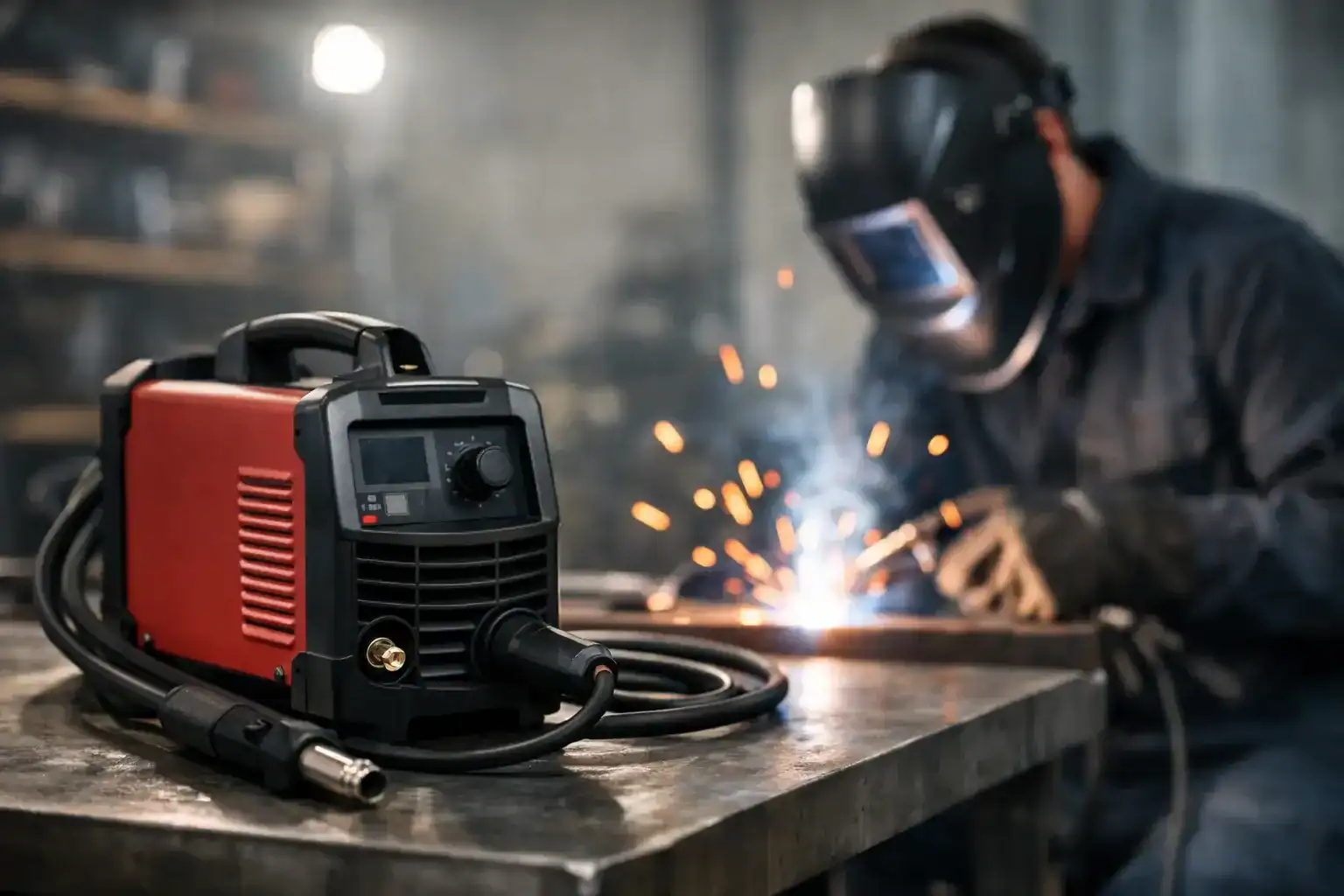
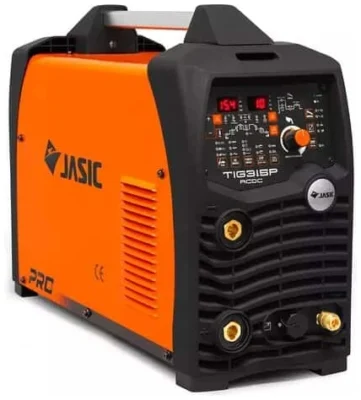
A transformer set that takes two people to move and trips the supply if you push it too hard tells you a lot about older welding equipment. If you are asking what is welding machine inverter, the short answer is this: it is a welder that uses electronic power conversion to deliver a stable welding output from a smaller, lighter and more efficient machine.
That matters on real jobs. Whether you are fabricating in a workshop, carrying kit onto site, or running maintenance work where power quality is inconsistent, inverter technology changes how a welding set behaves in daily use. It is not simply about making machines smaller. It affects arc control, energy use, portability and, depending on the model, the range of processes you can run from one unit.
What is welding machine inverter and how does it work?
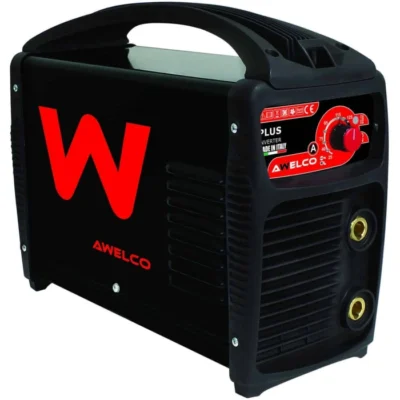
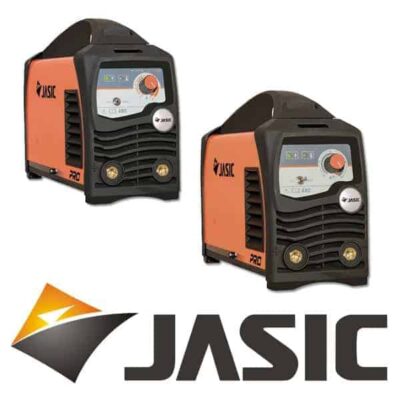
A welding machine inverter converts the incoming mains supply into a much higher frequency electrical output before stepping it down to the voltage and current needed for welding. Traditional transformer welders rely mainly on large copper and iron components operating at mains frequency. Inverter welders use electronic switching components to manage power far more efficiently.
In practical terms, that allows the machine to use a much smaller transformer and fewer heavy internal parts. The result is a compact power source that can still deliver the current needed for MMA, TIG or MIG welding, depending on the machine design.
For the user, the technical detail only matters because of what it changes at the arc. Inverter machines can react faster to changes in load. That usually means a more stable arc, better starts and finer control over output. On thinner materials or positional work, that extra control is often the difference between a clean run and wasted time on rework.
Why inverter welders replaced many older transformer sets
The shift did not happen because the trade wanted lighter boxes for the sake of it. It happened because inverter machines solved several practical problems at once.
First, they are easier to move. For site work, mobile repair, gate fabrication, structural fitting and general maintenance, portability is a serious advantage. A machine that one welder can carry is easier to deploy than a bulky transformer set that needs a trolley or a fixed bay.
Second, they generally use power more efficiently. Lower input demand for a given output can make a difference in workshops where multiple machines are running, or on site where available supply is limited.
Third, they often provide better arc characteristics. Features such as hot start, arc force and anti-stick on MMA inverter sets improve usability, especially when welding awkward joints, rusty material or out-of-position work. On TIG and MIG inverters, electronic control can help deliver smoother output and more consistent weld quality.
That said, older transformer machines still have a reputation for durability and simplicity. In harsh environments, some buyers still favour them for very basic applications. So the better choice depends on the job, the duty cycle required and the conditions the machine will face.
What are the main advantages of an inverter welder?
The most obvious advantage is size and weight, but that is only one part of the buying decision. A good inverter welder gives you tighter control of the welding output, which usually means cleaner starts, improved bead appearance and less operator fatigue over a long shift.
Power efficiency is another benefit. Many inverter sets can run effectively from standard single-phase supplies, and some cope better with generator use or fluctuating voltage than older designs, provided the machine specification supports it. For maintenance contractors and site teams, that flexibility is useful.
Modern inverter welders also tend to offer more functions within the same unit. Depending on the model, you may see lift TIG from an MMA power source, pulse settings on TIG or MIG units, digital parameter display, and thermal protection systems. For buyers trying to standardise equipment across a workshop, that can improve versatility without increasing the machine footprint.
There is also a practical quality advantage. Better control at low amperage makes inverter machines particularly useful for thinner material, stainless work, lighter fabrication and jobs where burn-through is a risk.
Where the trade-offs are
No welding machine is right for every shop, and inverter sets are no exception. Electronic machines are more complex internally than older transformer units. That usually gives better performance, but it can also mean they are less forgiving of poor storage, moisture ingress, heavy dust contamination or rough power conditions if the machine is not built for that environment.
Purchase cost can also be higher when comparing a well-specified inverter to a very basic transformer machine. For professional users, that cost is often justified by improved productivity and control, but it still needs to be measured against workload and duty cycle.
Repair considerations matter too. With a transformer machine, faults can be mechanically straightforward. Inverters rely on circuit boards and electronic components, so diagnosis and repair are more specialist. For a fabrication business, the sensible question is not only what the machine costs to buy, but what downtime would cost if a key unit fails.
Types of welding machine inverter
The term covers several categories, so it helps to separate them by process rather than thinking of inverter as a welding process in itself.
MMA inverter welders
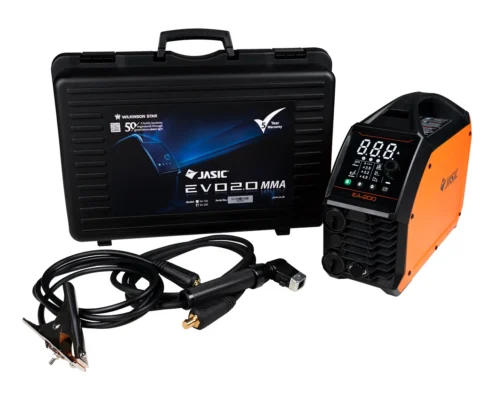
These are common across site work, agricultural repair, steel erection, general fabrication and maintenance. They are compact, relatively straightforward to use and well suited to outdoor work where gas-shielded processes are less practical. A quality MMA inverter gives stable arc performance and useful support features for stick electrodes.
TIG inverter welders
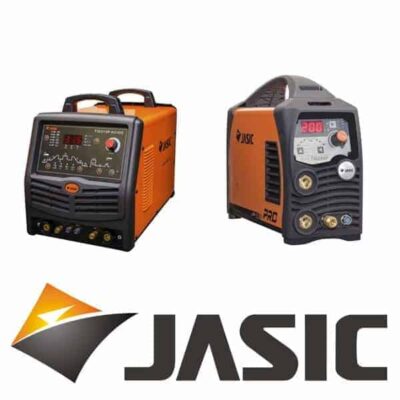
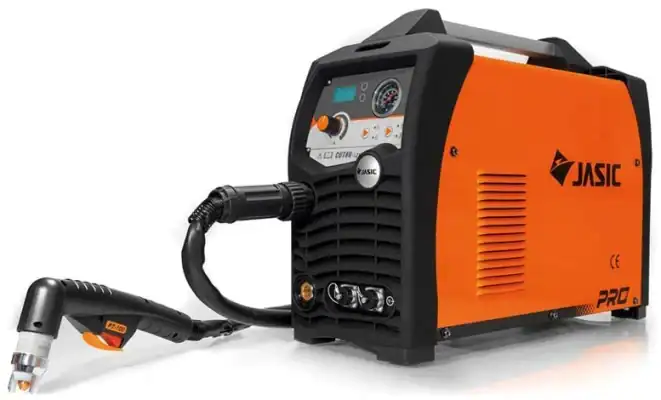
TIG inverter machines are used where weld appearance, control and precision matter. Stainless fabrication, pipework, sheet metal and finer engineering work are typical applications. AC/DC models expand capability into aluminium, while DC-only machines suit steel and stainless applications.
MIG inverter welders
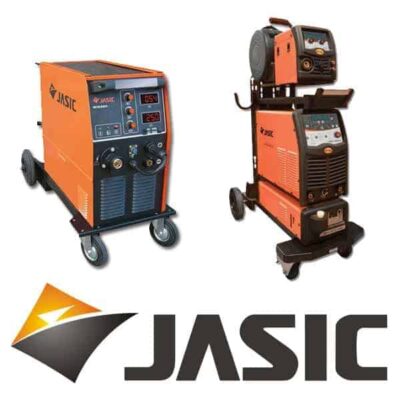
MIG inverter units are widely used in production fabrication and workshop environments. They can offer smoother wire feed control, adjustable inductance, synergic programmes and pulse functions on higher-specification machines. For businesses welding across mixed material thicknesses, those controls can improve consistency and reduce setup time.
Multi-process inverter welders
These combine two or more welding processes in one machine, commonly MMA and TIG, or MIG, TIG and MMA together. They are useful where floor space is tight or where one machine needs to cover varied maintenance and fabrication tasks. The trade-off is that a dedicated process machine may still be the better choice for high-volume specialist work.
What to check before buying an inverter welder
The right machine starts with the work, not the brochure. Output range is the first point to check. If your shop regularly welds thicker plate, a low-cost compact unit may simply not have the amperage or duty cycle needed for sustained use.
Duty cycle deserves close attention. A machine that performs well for short intermittent welds may struggle in a production environment. Fabricators should look at the rated output at a realistic duty cycle, not just the maximum amperage on the front panel.
Input power is equally important. Confirm whether the machine is single-phase or three-phase and whether your site supply supports it reliably. If generator operation is likely, the machine should be rated accordingly.
Build quality also matters more than headline features. Fan cooling design, casing strength, cable quality, torch or holder specification, and protection against dust and workshop contamination all affect service life. Buyers in industrial environments should focus on suitability for the working conditions, not just digital controls and display functions.
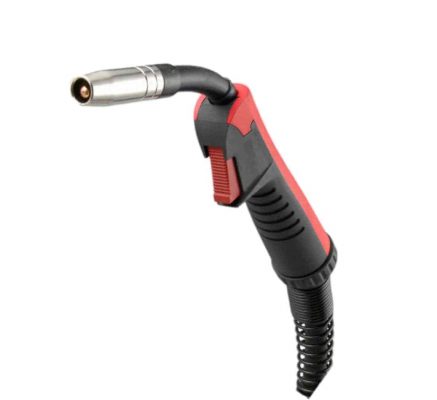
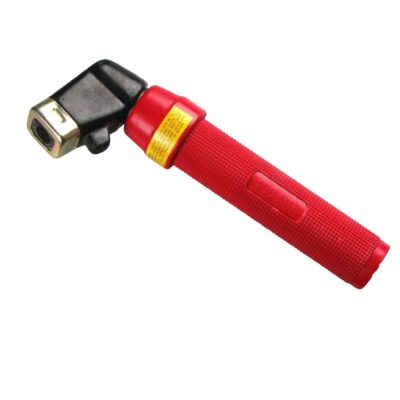
Consumables and accessories should never be an afterthought. A welder is only as useful as the support around it, including torches, electrode holders, earth leads, liners, tips, shrouds and replacement parts. That is where buying from a specialist trade supplier such as ProWeld can make more sense than buying on price alone.
Is an inverter welder better for every job?
Often, yes. Always, no. For mobile work, light to medium fabrication, precision welding and general workshop flexibility, inverter machines are usually the stronger option. They are easier to handle, more efficient and more refined at the arc.
But if the application is extremely basic, the environment is severe, and high-tech controls offer little operational benefit, a simpler alternative may still appeal. Some workshops also keep older transformer sets as backup units because they are familiar and proven.
The key point is that inverter technology is now the standard for many professional welding applications because the performance gains are real. The machine just needs to match the process, material thickness, duty cycle and site conditions.
What is welding machine inverter really telling you as a buyer?
It tells you the machine uses modern electronic power conversion rather than older low-frequency transformer design. That affects weight, efficiency, arc quality and feature set. It does not automatically tell you whether the machine is suitable for heavy fabrication, coded work, site maintenance or light workshop use. That comes down to the specification behind the label.
For serious buyers, the right question is not only what is welding machine inverter, but what kind of inverter machine fits the work you do every day. If the answer is based on output, duty cycle, supply requirements and service support, you are far more likely to end up with equipment that earns its place on the floor.