






Blog
Weldable Fittings Selection Guide for Fabricators
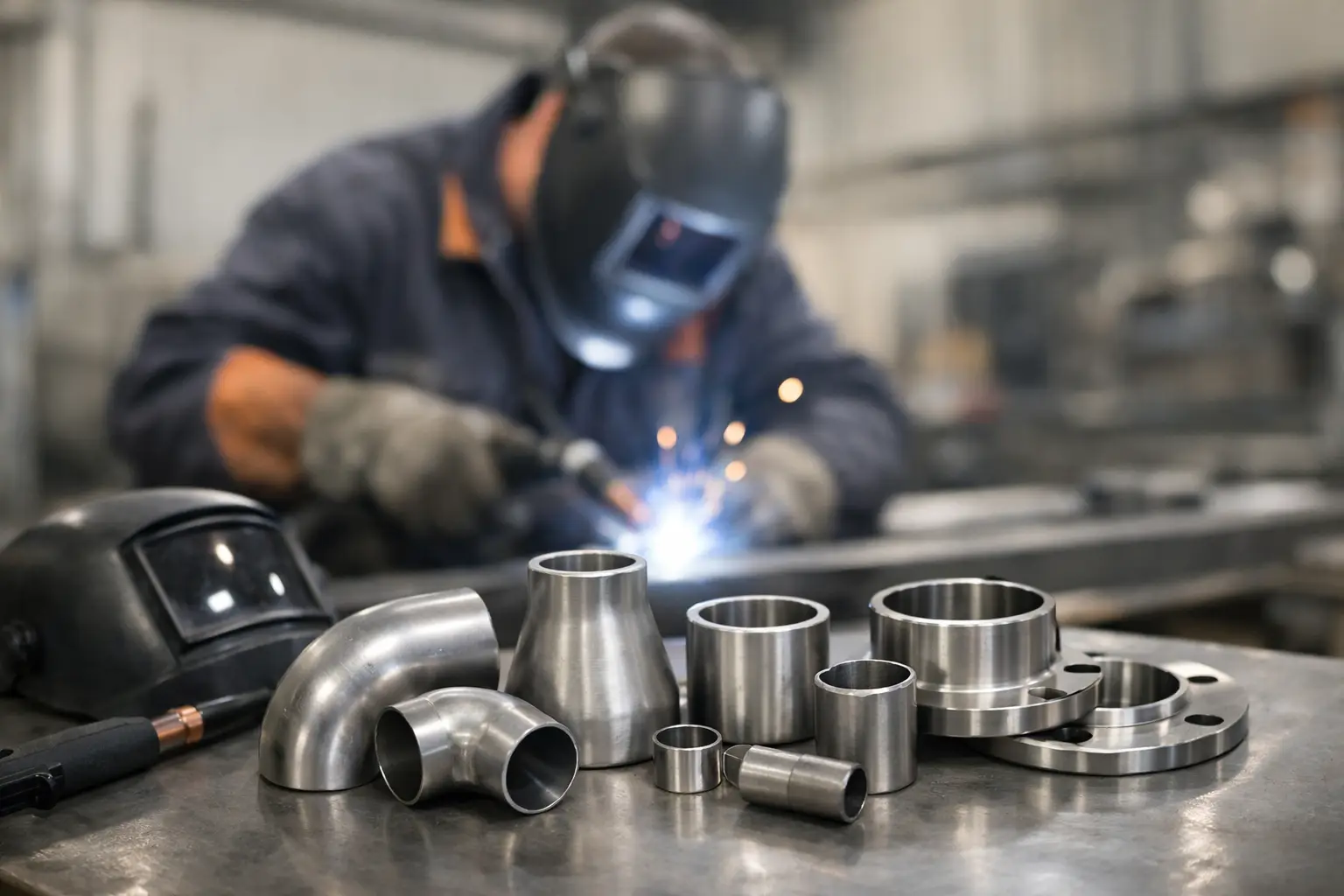
A fitting can be a small part of a fabricated assembly, but it often dictates whether the job aligns, drains, moves or withstands service loads as intended. This weldable fittings selection guide focuses on the decisions that matter before material is cut or a weld prep is made: compatibility, geometry, wall thickness, loading and the welding process available in the workshop.
For fabrication managers and welders, the right choice is rarely just a matter of finding an elbow or hinge with the correct outside diameter. A fitting must suit the parent material, the design requirement and the conditions the finished item will face. Getting those details right reduces rework, distortion and avoidable failures on site.
Start with the job the fitting must perform
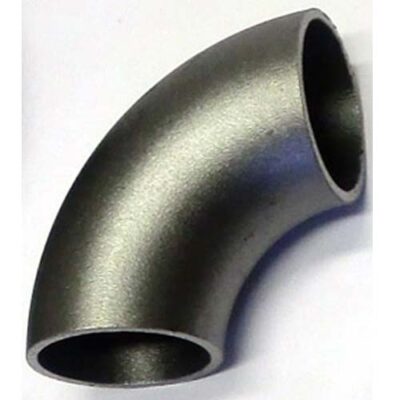
First establish whether the fitting is structural, mechanical or intended for fluid transfer. The same general category can mean very different things in practice. A weldable elbow in a handrail is a geometric connection. An elbow in a pressurised line must also maintain bore continuity, resist pressure and suit the pipe specification. A weld-on hinge may carry a lightweight access panel, or it may support a heavy steel gate subject to repeated opening, impact and wind loading.
Define the duty before comparing products. Consider the working load, direction of force, expected cycle count, exposure to weather or chemicals, allowable movement and the consequences of failure. A fitting that is adequate for a one-off indoor frame may be unsuitable for plant guarding, agricultural equipment or external site gates.
Where a component will be inspected, repaired or replaced in service, access matters too. A well-selected fitting should not create a maintenance problem by placing a grease point, pin, weld or fastener where it cannot be reached.
Match fitting material to the parent metal
Material compatibility is the first technical check. Carbon steel fittings are normally the practical choice for mild steel fabrication, offering straightforward weldability and an economical finish route. They are common in frames, brackets, gates, guards and general engineering work.
Stainless steel fittings should match the stainless grade used in the assembly wherever possible. Joining dissimilar stainless grades can be acceptable in some situations, but corrosion performance, filler selection and operating environment must be considered. For external or washdown applications, a poor material match can leave the joint more vulnerable than the surrounding fabrication.
Aluminium fittings require their own approach. Aluminium grades vary substantially in strength, formability and weld response. The heat-affected zone may lose strength, and contamination control is less forgiving than it is with mild steel. Do not assume an aluminium fitting is interchangeable simply because its dimensions match.
Avoid joining dissimilar metals without a defined engineering reason and suitable joining procedure. Carbon steel welded directly to stainless steel or aluminium can introduce corrosion, metallurgical and process issues. Mechanical isolation, transition components or a revised design may be required instead.
Check dimensions beyond nominal size
Nominal bore, tube outside diameter and wall thickness are separate measurements. Confusing them is a routine cause of poor fit-up. For tube and pipework, confirm the actual outside diameter, internal bore, schedule or wall, and the standard to which the material has been supplied.
A fitting can have the correct nominal designation yet be wrong for the stock on the bench. This is particularly relevant where metric tube, imperial tube, pipe and handrail systems are used on the same site. Measure the material and check the fitting drawing or specification before ordering a batch.
Wall thickness deserves special attention. A thin-wall tube welded to a heavy fitting concentrates heat at the tube edge and increases the risk of burn-through or local distortion. Conversely, a light fitting on a heavier structural member may not develop the strength required, even if the weld itself appears sound.
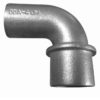
For elbows and tees, check centreline radius, leg length and end preparation. Tight-radius fittings save space but can restrict flow, complicate access for the torch or place stress close to the joint. Longer tangents may make alignment easier and allow a better weld run, but they change the finished footprint.
Fit-up tolerance is part of the specification
Welding should not be used to correct a poorly matched fitting. Excessive gaps consume filler, increase heat input and make distortion harder to control. An overly tight fit can prevent full penetration where it is needed or leave no allowance for coating thickness and assembly tolerance.
Dry-fit critical parts in a jig where possible. Check squareness, angles, axis alignment and moving clearances before tacking. For repeated work, a simple fixture gives more consistent results than correcting each assembly by hand.
Select the right geometry for load and movement
Geometry determines how forces enter the fitting and surrounding structure. A hinge mounted too close to the edge of a gate frame can tear the parent metal even when the hinge itself is adequately rated. A welded elbow installed where a gradual bend is required may create unnecessary pressure loss or turbulence.
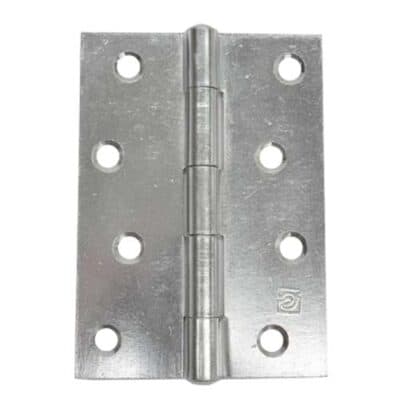
For weld-on hinges, assess pin diameter, barrel length, leaf or boss thickness, knuckle arrangement and pin retention. Longer hinges spread load over a greater weld length, while heavier pins resist bending. Neither feature automatically makes a hinge suitable for every gate. The distance from the hinge line to the gate’s centre of gravity, the number of hinges, the post stiffness and the effects of slamming all influence the final load.
Where movement is frequent, use a fitting designed for repeated cycles and plan for lubrication or replaceable wear parts if required. A plain steel hinge on an exposed, high-use gate may work initially but seize or wear prematurely without suitable protection and maintenance.
For tube elbows, choose the angle and radius that support the fabricating sequence. A 90-degree elbow may be compact, but a 45-degree change or swept bend can produce a better route where flow, access or fatigue is a concern.
Specify the weld preparation and process together
The fitting must be practical to weld with the process, position and access available. MIG welding is efficient for general mild steel fabrication, particularly on medium and heavier sections. TIG gives closer heat control and a cleaner finish where appearance, thin material or stainless work demands it. MMA can be useful for site repairs and less controlled conditions, although access, slag removal and joint profile need careful planning.
Do not select a fitting with inaccessible weld areas just because it is compact. If the torch angle cannot be maintained or the joint cannot be cleaned between passes, quality will suffer. A slightly different geometry can reduce welding time and improve consistency across a production run.
Joint preparation should match the thickness and strength requirement. Fillet welds are common for brackets, hinges and structural attachments, but size must be based on the load path rather than visual preference. Excessively large fillets add heat, distortion and labour without necessarily improving the assembly. Butt joints requiring full penetration need appropriate edge preparation, root gap and weld procedure control.
Preheating, interpass temperature and post-weld cleaning may also matter. Higher-carbon steels, thicker sections and restrained assemblies can be more prone to hydrogen cracking. Stainless steel needs clean dedicated tools and careful heat control to preserve corrosion resistance around the weld.
Plan for finishing, corrosion and inspection
A weldable fitting is only part of the finished system. If the assembly will be galvanised, powder coated, painted or left exposed, build that requirement into the selection stage. Closed sections and hollow fittings may require vent and drain holes before galvanising. Failure to provide them can create a serious safety hazard during the coating process.
For painted steel, remove mill scale, weld spatter and contaminants, then prepare edges and welds to the required standard. Water traps are a common cause of early coating failure, especially around hinges, brackets and tube connections. Adjust orientation or add drainage rather than relying on paint to solve a design issue.
Stainless steel work requires post-weld cleaning appropriate to the application. Heat tint, embedded carbon steel contamination and crevices can reduce corrosion performance. In food, pharmaceutical, marine or washdown environments, surface finish and cleanability can be as significant as the fitting’s basic strength.
Inspection should be proportionate to the risk. Visual checks for alignment, weld profile, undercut, porosity and incomplete fusion are a minimum. More critical components may need dimensional records, load testing or non-destructive examination under the relevant project requirements.
Common selection mistakes that cost time
The most expensive errors usually begin with an assumption: that all tube sizes of a nominal diameter are the same, that a heavier fitting solves every strength issue, or that a weld can compensate for poor design. In reality, the fitting, parent material and weld detail work as one system.
Another mistake is selecting on unit price alone. A low-cost component that needs extensive modification, difficult positioning or repeated remedial work is not economical. For regular fabrication, consistent dimensions, known material specification and dependable availability often have more value than a small saving on each part.
Where the application is unusual, obtain the relevant drawings, confirm material certificates where required and establish the load case before production starts. ProWeld can help professional buyers narrow the choice to fittings suited to the material and fabrication task, but the final specification should always reflect the job’s engineering and compliance requirements.
A fitting should make the fabrication easier to build, safer to use and simpler to maintain. If any of those three outcomes is uncertain, pause at the selection stage. That is the cheapest point to correct the design.