





Blog
Fabrication Fasteners That Hold Up on Site
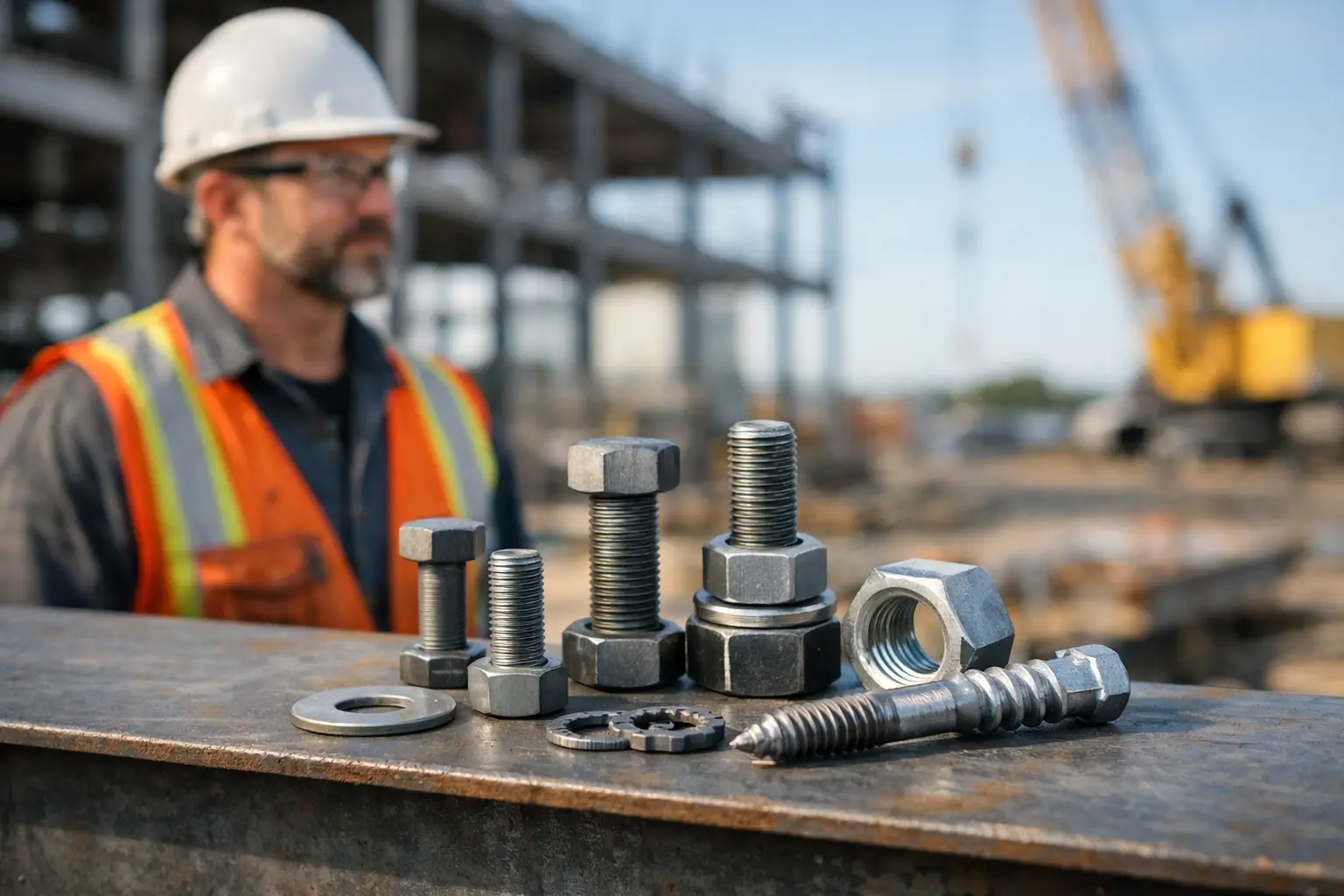
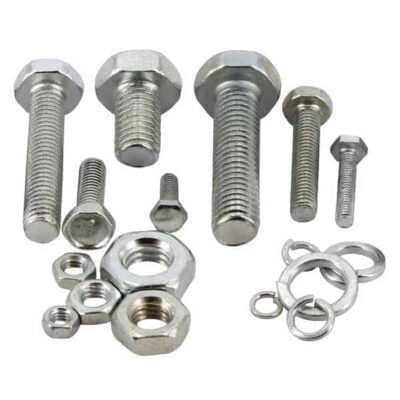
A fabricated gate frame can be square on the bench, neatly welded and properly coated, yet still fail the job if the bolts seize, the hinge fixings loosen or the wrong washer crushes the finish. Fabrication fasteners are not minor hardware decisions. They determine whether assemblies can be fitted accurately, adjusted on site, serviced later and kept safe under working load.
For fabrication shops, the right choice starts with the joint rather than the catalogue page. A bolt, nut and washer set must suit the materials being joined, the loads involved, the available access and the environment the finished item will face. Selecting by diameter alone is how avoidable rework gets built into a job.
Start with the joint, not the bolt size
Before choosing a fastener, establish what the connection is expected to do. A light access panel, a machine guard, a handrail bracket and a structural steel connection may all use bolts, but they place very different demands on the fixing.
Consider whether the fastener is carrying shear load, clamping parts together, resisting vibration, allowing adjustment or providing a removable fixing for maintenance. A bolt loaded in tension needs enough clamping force and thread engagement. A bolt in shear needs suitable diameter, grade and bearing area in the connected material. Where movement or repeated loading is expected, the joint design matters as much as the bolt itself.
Access is equally practical. A perfectly specified bolt is of little use if there is no room to hold the nut, turn a spanner or inspect the finished joint. Captive nuts, threaded inserts, welded nuts or a revised bracket detail may be the better answer where access is restricted. This should be resolved at drawing and fabrication stage, not when an installer is working from a ladder.
Material compatibility matters
Carbon steel fasteners are widely used across general fabrication because they are economical, readily available and suited to many indoor and painted steel applications. Their finish should match the exposure risk. Plain steel is generally for dry, controlled environments or assemblies that will be protected after fitting. Zinc-plated options offer a level of corrosion resistance but are not a substitute for a properly specified outdoor protection system.
For external steelwork, galvanised fasteners are often selected to complement galvanised components. The aim is to avoid creating an early corrosion point at the joint. If parts are hot-dip galvanised after fabrication, hole sizes, clearances and thread protection must be planned beforehand. Threads can fill with zinc, and tight tolerances can become a problem after coating.
Stainless steel fasteners suit corrosive or hygiene-sensitive environments, but they are not simply a premium replacement for every steel bolt. Stainless against carbon steel can create corrosion issues where moisture is present, particularly if the joint holds water. Grade selection also matters: a common stainless grade may be suitable for general outdoor use, while more aggressive coastal, chemical or washdown conditions can require a higher corrosion-resistant grade.
Stainless threads can also gall, especially under high friction or repeated assembly. Clean threads, appropriate lubrication and sensible tightening practice reduce the risk. If a stainless nut locks solid halfway through installation, forcing it usually damages the fastener and delays the job.
Strength grade is a specification, not a guess
Metric bolts are commonly identified by property classes such as 4.6, 8.8, 10.9 and 12.9. The higher numbers generally indicate greater tensile strength, but higher grade is not automatically better. It must be matched to the application, the connected material and the tightening method.
A high-strength bolt can be the wrong choice in thin wall box section, aluminium or a lightly built bracket if the surrounding material will distort or tear before the bolt reaches its intended capacity. Conversely, using low-grade hardware in a loaded machine assembly or structural connection can leave inadequate safety margin.
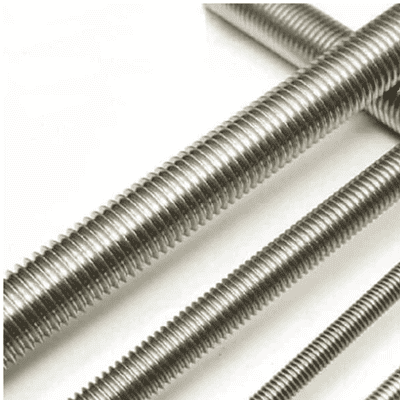
Fastener strength is only one part of joint performance. Thread length, grip length and engagement are critical. Ideally, the unthreaded shank should carry shear where practical, rather than placing the threaded section directly across a heavily loaded shear plane. The nut should have sufficient full thread engagement, and the bolt should not bottom out before the joint is clamped.
For safety-critical, load-bearing or regulated work, follow the drawing, project specification and relevant engineering requirements. Do not substitute grades, coatings or bolt assemblies because they look equivalent in a bin. Traceability and approved assembly procedures may be necessary depending on the work.
Why washers and nuts earn their place
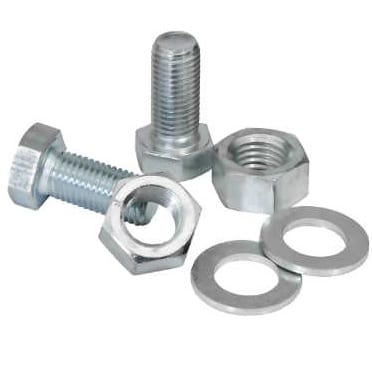
Washers are often treated as optional, particularly on quick fabrication jobs. In reality, they perform several useful functions. A flat washer spreads load under the bolt head or nut, protecting painted surfaces and reducing the chance of a nut digging into softer material. It can also bridge an oversized or slotted hole when adjustment is required.
A spring washer, serrated washer, prevailing-torque nut or threadlocking compound may help resist loosening, but each has limits. Vibration resistance comes primarily from correct joint clamp load and sound joint design. If a bracket flexes, the bolt is under-sized, or the surfaces settle after tightening, adding a locking washer alone will not cure the problem.
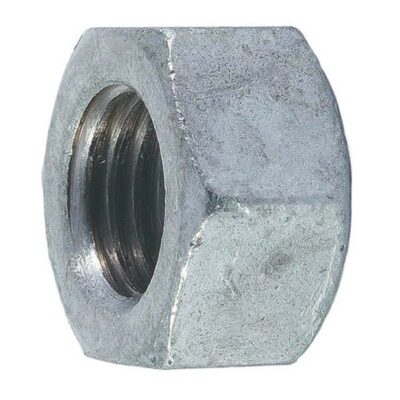
Nylon insert nuts are useful for many general assemblies, but heat, contamination and repeated reuse can reduce their locking performance. All-metal prevailing-torque nuts are better suited to elevated-temperature environments, although they also require suitable installation torque. Where future maintenance is expected, choose a locking method that can be inspected and replaced without damaging the assembly.
Fabrication fasteners for common workshop work
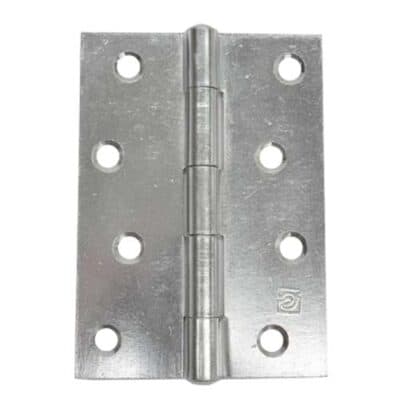
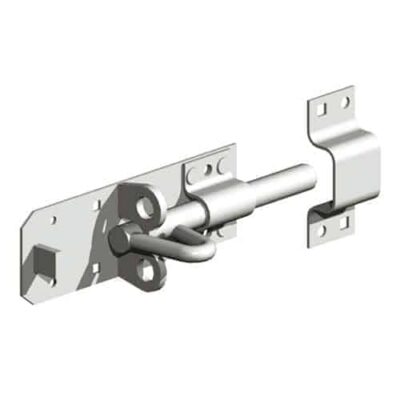
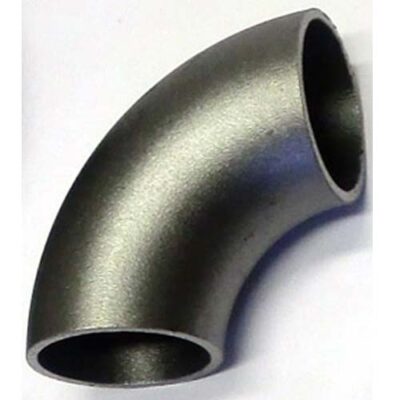
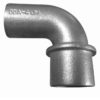
In day-to-day metalwork, the right fixing often depends on the component detail. Weldable hinges, for example, are attached by welding but may form part of a gate or door system that is later secured with bolted stops, brackets, latches or adjustable mounts. Weldable elbows and tube fittings can create a clean handrail or guard structure, while bolts and washers allow base plates and removable sections to be fitted accurately.
For box section frames, avoid crushing the section by tightening directly through thin walls without internal support. Crush tubes, spacer sleeves or properly designed brackets keep the load where it belongs. On slotted connections, use washers with enough diameter and thickness to support the slot, then tighten to the specified condition once alignment is confirmed.
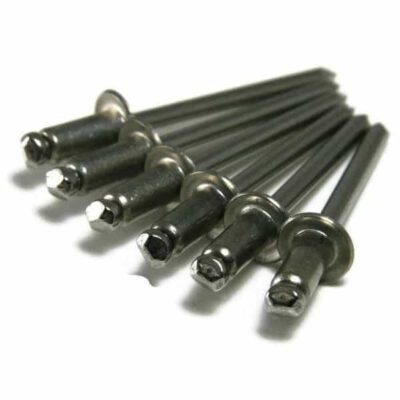
For sheet metal work, standard nuts and bolts may be suitable where both sides are accessible. If not, consider a threaded insert, rivet nut or self-clinching fixing selected for the sheet thickness and expected load. These systems save assembly time, but installation quality is decisive. An insert that spins in the panel is often the result of the wrong hole size, poor setting method or unsuitable material thickness.
Specify the finish alongside the fastener
A coating is part of the fastener specification, not an afterthought. The same M10 bolt can perform very differently indoors, on an agricultural trailer, beside the coast or in a washdown area. Moisture traps around laps, brackets and washers deserve particular attention because corrosion often starts where the coating is damaged during assembly.
If a painted fabrication will be assembled after coating, use washers carefully to avoid breaking the protective layer. If bolts are fitted before painting, make sure threads, bearing faces and moving parts are protected from paint build-up. It depends on whether the joint must remain adjustable, removable or electrically bonded after finishing.
Do not mix finishes without considering the full assembly. A galvanised bolt, stainless washer and painted carbon steel bracket may appear serviceable at installation, but water, salt and dissimilar metals can change the result over time. Where conditions are demanding, use a compatible system and isolate materials where the design calls for it.
Tightening and inspection prevent repeat visits
Even correctly selected hardware can fail through poor fitting. Threads should be clean and undamaged. Holes should be drilled to the correct size, deburred and aligned without forcing bolts through at an angle. The bearing faces under heads and nuts need to sit flat.
Tightening should be controlled, particularly on high-strength, stainless or thin-section assemblies. Over-tightening can strip threads, crush hollow section, damage coatings or overstress the bolt. Under-tightening allows movement, which leads to fretting, enlarged holes and loosening. Use the specified torque where one is provided, and apply a consistent workshop method where it is not.
A final check should confirm that the fastener grade and finish match the job, the nut has full engagement, washers are fitted where required, and no thread is carrying load through an incorrectly positioned joint. On assemblies subject to vibration or regular use, include fastener inspection in the maintenance plan rather than waiting for visible movement.
Good fabrication is built from details that continue to work after the welding is complete. Choose fasteners with the same care given to material thickness, weld preparation and finish, and the finished assembly will be easier to install, safer to use and less likely to return to the workshop.