





















Blog
Future of Laser Welding: What Workshops Need
A fabricator quoting repeat stainless assemblies can lose margin long before a weld is made. Excess dressing time, distortion, inconsistent fit-up and labour availability all affect the final cost. The future of laser welding matters because it addresses these pressures, but it is not a universal replacement for MIG, TIG or manual fabrication skills.
Laser welding is moving from specialist production cells into a wider range of workshops. Fibre laser sources, more compact systems and simpler controls have lowered the barrier to entry. At the same time, customers increasingly expect cleaner finishes, shorter lead times and traceable quality. For the right work, laser welding can deliver a measurable production advantage. For the wrong work, it can become an expensive answer to a problem that a conventional process already solves well.
Where the Future of Laser Welding Is Heading
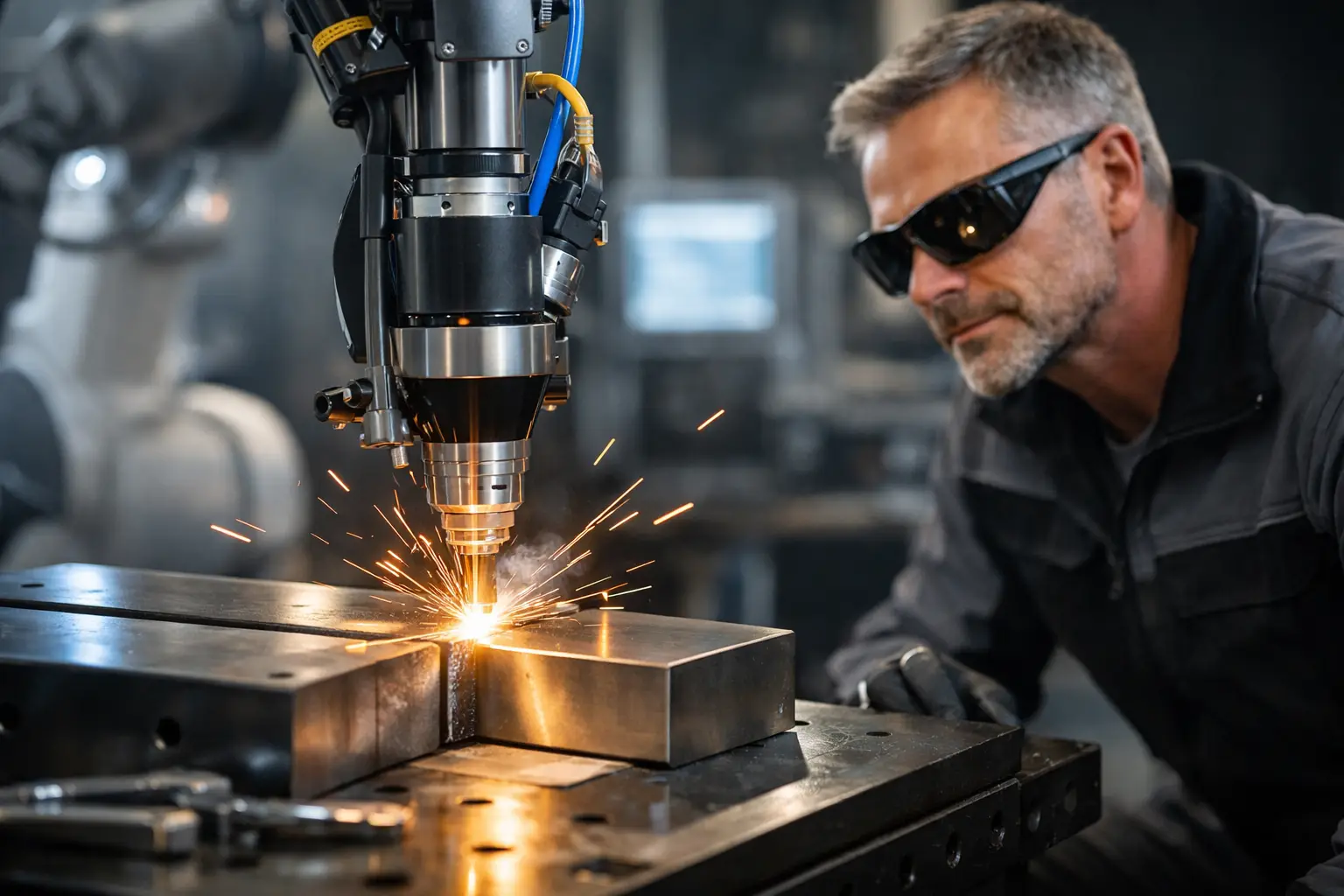
The strongest growth will be in repetitive, thin-to-medium section fabrication where speed, appearance and heat control directly affect profitability. Stainless steel enclosures, brackets, cabinets, frames, food-grade fabrications and precision assemblies are obvious candidates. A concentrated beam produces a narrow weld zone and introduces less heat into the part than many conventional arc processes. That can reduce distortion, minimise discolouration and cut the time spent straightening, grinding and polishing.
The technology will also become more automated. Robotic laser cells are already established in high-volume manufacturing, but smaller firms are beginning to assess collaborative and semi-automated arrangements for consistent batches. The real value is not simply a faster travel speed. It is the ability to produce the same result repeatedly when the joint preparation, fixture and programme are controlled.
This shift will place greater emphasis on the work before welding. Laser processes are less forgiving of gaps, contamination and poor edge preparation than a welder using a conventional filler-heavy process. As laser adoption increases, fabrication managers will need to treat cutting accuracy, clamping and fixturing as part of the welding operation rather than separate workshop tasks.
Faster welding is only part of the calculation
A laser weld may be completed in seconds, yet cycle time includes loading, positioning, clamping, shielding gas setup, inspection and unloading. On a simple, well-designed part produced in quantity, the reduction in cycle time can be substantial. On a varied repair job with poor access and inconsistent material condition, the gain may be limited.
The best opportunities are therefore not always the largest welds. They are often smaller, repeated joints that currently create bottlenecks: corner seams on thin stainless fabrications, lap joints on formed components, or clean visible welds that require extensive finishing. A workshop should assess the full route through production, including post-weld work, before assigning a return on investment figure.
Beam Quality Will Raise Expectations of Fit-Up
A laser beam delivers energy into a very small area. This is a major benefit, but it changes the rules of joint design. Material edges need to be clean, accurately prepared and held in position. Excessive gaps can cause lack of fusion, inconsistent bead formation or a need for filler that removes much of the expected speed advantage.
For fabricators, this means better coordination between CAD, cutting, bending and welding. Tolerances that were acceptable for a general-purpose MIG weld may not be suitable for laser work. Parts may need revised tabs, locating features, fold details or purpose-built fixtures to hold the joint accurately and repeatably.
Material condition matters as well. Oil, paint, scale, galvanising residues and surface contamination can affect weld quality and produce hazardous fumes. Stainless steel and mild steel are common starting points, while aluminium, copper and dissimilar-metal applications require more careful process development. Reflective materials can be welded with suitable equipment and parameters, but they are not simply plug-and-play applications.
This is why a sample weld on customer material is more useful than a headline power rating. The relevant questions are material grade, thickness, joint type, access, fit-up variation, finish requirement and expected batch size. A sound process is selected around the part, not around the machine brochure.
Quality Control Will Become More Data-Led
The future of laser welding will bring closer process monitoring to fabrication floors. Conventional visual inspection remains essential, but it does not prove penetration or confirm that every critical joint received the correct energy input. Production systems are increasingly able to record parameters such as power, travel speed, gas flow and programme selection for each job.
For safety-critical or regulated work, that information can support traceability and procedure control. It can also help diagnose drift before a batch becomes scrap. If a fixture moves, a lens becomes contaminated or a material batch changes, consistent parameter records make troubleshooting more direct.
That does not remove the need for qualified people. Welding procedure qualification, appropriate testing and competent inspection remain necessary where contract requirements demand them. A clean-looking laser bead can still conceal inadequate fusion if the joint design, setup or parameters are wrong. Macro examination, destructive testing and non-destructive testing should be specified according to the application, not treated as an afterthought.
The Skills Requirement Is Changing, Not Disappearing
Laser welding is sometimes presented as a way to remove the need for skilled welders. That is an oversimplification. The physical hand control required for certain handheld applications may be easier to learn than high-quality TIG work, but production-grade laser welding needs different forms of competence.
Operators must understand focal position, travel speed, shielding gas coverage, material response and acceptable joint preparation. They need to recognise when a joint is unsuitable for the selected process and when a defect demands investigation rather than a quick cosmetic pass. Supervisors need to control programmes, maintenance schedules and quality records. For automated cells, programming, fixture design and fault finding become central skills.
The most effective workshops will use laser welding to make experienced staff more productive. A competent fabricator can focus less time on repetitive finishing and more time on setup, complex work, inspection and problem solving. That is a better business case than assuming a new machine can compensate for weak process control.
Handheld Systems Need a Clear Safety Case
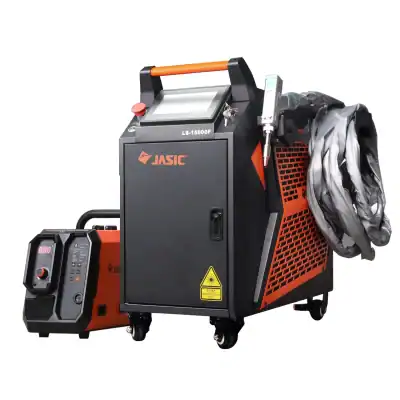
Handheld laser welding has attracted attention because it can offer fast, neat welds with a relatively compact footprint. It may be useful for selected fabrication and maintenance work, particularly where a large automated cell is not justified. However, it requires disciplined safety planning.
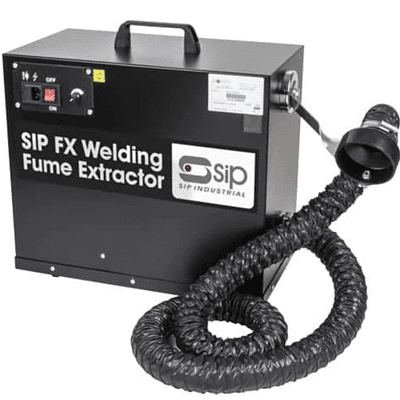
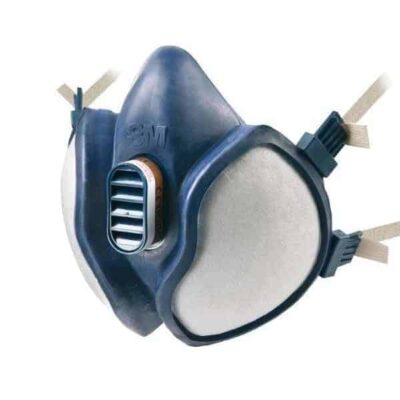
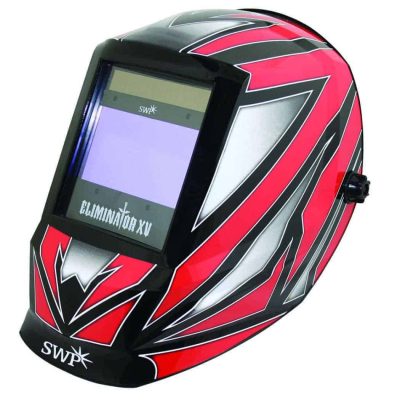
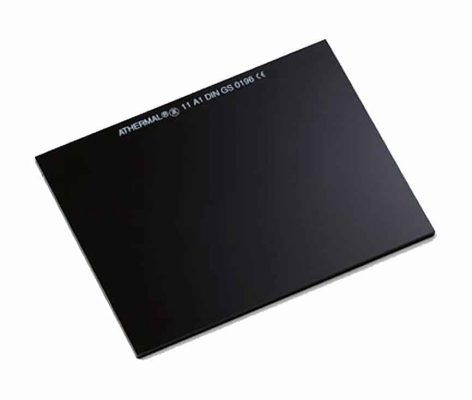
A laser welding system is not equivalent to an arc welder with a different torch. The hazard profile includes direct and reflected beam exposure, with potentially serious eye and skin injury. Controlled access, suitable laser-rated protective equipment, beam containment where practical, warning arrangements, trained operators and written procedures are essential. Fume extraction remains necessary, particularly when welding coated or contaminated materials.
Before purchasing a handheld unit, managers should consider whether the work can be carried out in a properly controlled area. A busy shared workshop with unrestricted movement may not be suitable. In many cases, a guarded or enclosed system gives a stronger safety and process-control outcome, even if the initial investment is higher.
Capital Cost Must Be Measured Against the Whole Process
Laser equipment can involve significant upfront cost, along with extraction, safety controls, fixtures, servicing, training and possible changes to the production layout. The correct comparison is not just against the price of an existing welding set. It is against the total cost of producing the finished part.
Consider labour hours for welding and dressing, rework caused by distortion, consumable use, throughput limits, rejected parts and delivery pressure. A process that reduces polishing and straightening can create capacity without adding floor space or headcount. Conversely, low-volume bespoke work may struggle to recover the cost of specialised equipment, particularly where every job demands a different setup.
Conventional processes will remain essential. MIG welding is highly adaptable for structural steelwork and general fabrication. TIG remains valuable where precise manual control and high-finish work are required. Laser welding adds another capability, and its commercial value depends on the mix of work passing through the workshop.
Preparing a Workshop for Laser Adoption
The most practical starting point is a job review. Identify components with repeat quantities, thin materials, visible weld requirements, distortion problems or excessive finishing time. Then examine whether upstream operations can consistently deliver the fit-up the laser process needs.
Engage the people who cut, fold, fixture, weld and inspect the part. Their input will reveal issues that do not appear on a drawing, such as variable gaps after bending or restricted torch access. Trial production should include realistic part handling and inspection, not just a successful sample coupon.
The future belongs to workshops that match process capability to the job rather than chasing the newest method. When laser welding is specified with proper fixturing, safety controls and quality discipline, it can turn a recurring fabrication bottleneck into reliable, saleable capacity.