





Blog
How to Choose Weldable Elbows for Fabrication
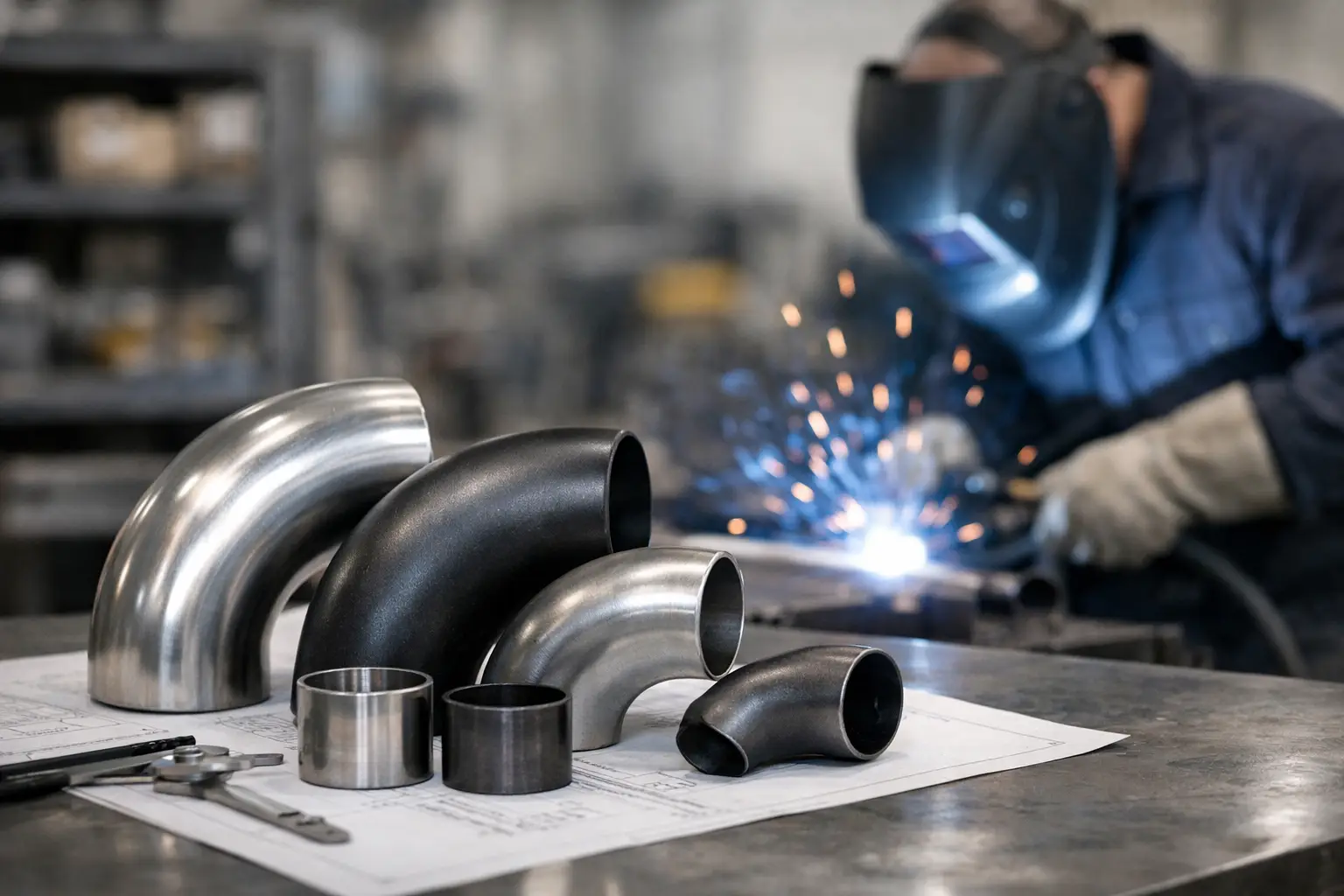
A handrail corner that looks right on the bench can become a costly problem once it is welded, dressed and installed. A poorly matched elbow can leave an open joint, pull the rail out of line or create a weak point where the job sees repeated load. Knowing how to choose weldable elbows starts with the tube or pipe you are joining, not with the elbow shape alone.
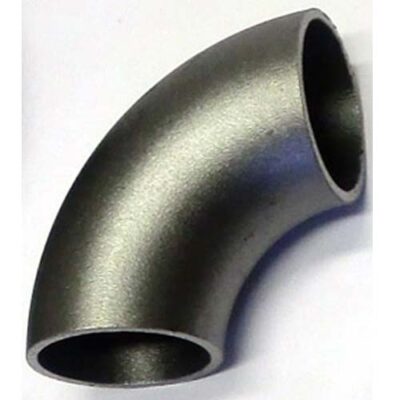
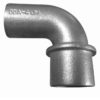
Weldable elbows are commonly used to form clean, continuous changes of direction in handrails, barriers, frames, furniture and general steelwork. They save time compared with cutting and welding segmented mitres, but only when the specification is matched properly. Material, outside diameter, wall thickness, bend angle and intended finish all affect the result.
How to choose weldable elbows for the job
First establish whether you are working with tube, box section or nominal-bore pipe. A weldable elbow for round handrail tube is generally sized by its outside diameter, while pipe elbows may be identified by nominal bore and schedule. These are not interchangeable measurements.
For example, a 42.4 mm handrail tube requires an elbow designed for 42.4 mm outside diameter tube. A nominal pipe size that sounds similar may have a different actual outside diameter and will not give a proper fit. Do not rely on visual comparison or assume that a listed size refers to the same measurement system as your stock material. Check the product dimensions and measure the tube before ordering.
The elbow should fit over, into or directly against the parent material as intended by its design. A close, consistent fit-up reduces the amount of weld metal required, limits distortion and makes it easier to achieve a neat finish. If a gap has to be filled all the way around, the fitting is wrong, the tube is out of tolerance, or both.
Match the material before anything else
Material compatibility is the first technical decision. Mild steel weldable elbows are the standard choice for painted, primed or powder-coated fabrications. They are economical, readily prepared and suitable for most internal and external structural steelwork where the coating system provides corrosion protection.
Stainless steel elbows should be selected for stainless tubework, particularly on architectural rails, food-area fabrications, marine-adjacent work and installations where a clean corrosion-resistant finish is required. Match the stainless grade to the parent tube and the environment. Using a lower-grade fitting in an exposed location can undermine the service life of an otherwise well-specified rail.
Aluminium elbows need the same discipline. Use an appropriate aluminium alloy fitting with aluminium tube, then select filler wire and cleaning procedure accordingly. Aluminium transfers heat quickly and is less forgiving of poor joint preparation, so a well-fitting elbow matters even more.
Avoid joining dissimilar metals without a considered design. Joining stainless to mild steel, for instance, may be possible in specialist applications, but it introduces welding, corrosion and finishing issues that are not solved by simply choosing a different filler. For routine fabricated work, keep the elbow and parent material compatible.
Consider the supplied finish
A bare mild-steel elbow suits fabrication that will be blasted, primed and coated after welding. If the steel is pre-galvanised, welding burns away the zinc at the joint and produces hazardous fumes. Ventilation, suitable extraction and appropriate respiratory protection are essential. The damaged coating also needs repair after fabrication if corrosion resistance is to be maintained.
With stainless steel, protect the surface from carbon-steel contamination. Keep abrasives, wire brushes and handling equipment dedicated to stainless where possible. After welding and dressing, the joint may require cleaning and passivation to restore a suitable corrosion-resistant surface. Choosing the correct elbow is only part of producing stainless work that stays presentable in service.
Select the correct diameter and wall thickness
Outside diameter is the critical dimension for most weldable handrail elbows. Measure the tube with calipers rather than relying on a tape measure or an assumed stock size. Common metric and imperial-derived tube sizes are close enough to cause confusion, but not close enough to weld properly.
Wall thickness matters for two reasons. First, it affects the strength and stiffness of the completed section. Second, it affects how the weld behaves. A thin-wall tube joined to a heavy elbow can be difficult to weld without blowing through the tube edge, while a thin elbow on heavier tube may not suit a high-load application or aggressive dressing.
Where the elbow slips inside the tube, the internal diameter of the tube becomes equally important. Where it slips over the tube, confirm the elbow’s internal diameter and the tube’s outside diameter. Manufacturing tolerances exist, so allow for a practical workshop fit, but do not treat a loose connection as acceptable. Excessive clearance increases the risk of poor alignment and uneven heat input.
For load-bearing rails, gates and barriers, do not assess the elbow separately from the complete assembly. The tube wall, post spacing, fixing method, joint design and expected force all determine whether the fabrication is suitable. A neat curved corner does not compensate for undersized tube or inadequate anchors.
Choose the bend angle and centre-line radius
A 90-degree elbow is the usual choice for square handrail returns, corners and frame changes. Other angles are useful where a rail follows a stair pitch, changes direction around an obstacle or forms a shaped assembly. Confirm the actual angle required from the drawing or site measurement before cutting any tube.
The bend radius affects both appearance and layout. A tight-radius elbow gives a compact corner but can look abrupt on larger handrail. A broader sweep often produces a more refined line and reduces the sharpness of the direction change, but it takes up more space. On a frame, the radius also changes the finished footprint. If dimensions are taken to the theoretical corner, account for the elbow’s tangent points when calculating cut lengths.
This is where many fabrication errors start. The tube does not run to the elbow’s centre point. It finishes at the tangent, where the straight section transitions into the bend. Set out the assembly from centre lines where possible, then establish the required take-off dimension from the elbow specification or a physical sample. For repeat work, record the cut lengths and elbow details once the first assembly has been proved.
Check joint access before committing
An elbow that fits the tube can still be awkward to weld. Consider the position of the joint in the completed assembly, the available torch angle and whether the root can be seen and controlled. This is especially relevant on multi-plane frames, close-spaced rails and assemblies that cannot be rotated easily.
Dry fit the components in a jig or on a flat bench. Check alignment from more than one direction, tack at balanced points around the joint and re-check before completing the weld. Heat input can pull a rail out of square, particularly with long unsupported legs or light-gauge material.
Plan the dressing operation as well. If the job requires a flush, continuous handrail surface, there must be enough material at the elbow and tube wall to dress the weld without thinning the section excessively. Leave a smooth transition, but do not grind away sound parent metal merely to remove every trace of the joint.
Specify for the environment and end use
Internal painted barriers and exposed coastal handrails do not need the same elbow specification. Consider moisture, chemical exposure, cleaning regime, abrasion and the expected design life. Mild steel with a suitable coating can be the practical option for many applications, while stainless is often justified where maintenance access is poor or appearance must remain consistent.
For public-facing handrails, the shape also has a safety function. Avoid sharp transitions, poorly dressed welds and irregular changes in diameter that can catch a hand or clothing. Where the work is subject to project specifications or building requirements, follow the approved drawings and relevant standards rather than substituting a fitting because it is visually similar.
Inspect elbows before fabrication
Before components reach the welding bay, inspect the elbows for dents, deep scoring, poor forming, damaged edges and inconsistent dimensions. Check that the ends are square enough for the intended joint and that there is no scale, coating or contamination where the weld will be made.
Store stainless fittings separately from carbon steel, and keep all elbows protected from standing water and workshop damage. A small dent or distorted end may seem minor, but it can force a fitter to compensate during tack-up and leave a visible defect in the finished rail.
The right weldable elbow is the one that matches the parent section, suits the fabrication method and performs in the installed environment. Confirm those details before cutting the tube, and the fitting becomes a time-saver rather than a correction waiting to happen.