









Blog
Workshop Welding Safety Guide for Fabrication Teams
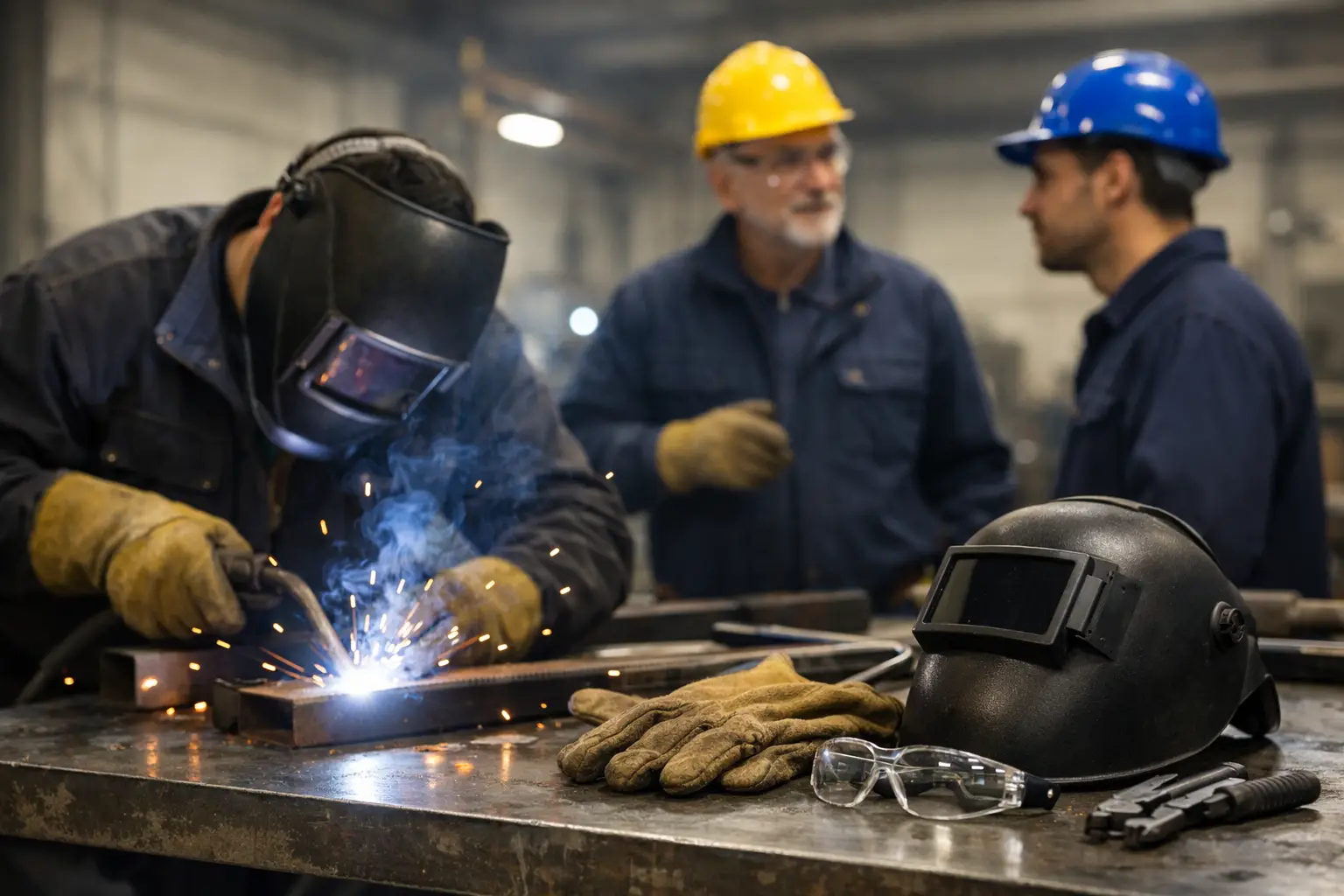
A welding bay can look under control right up to the moment it is not. A poor earth connection, an unmarked gas cylinder, grinding dust near hot work or a blocked extraction hood can turn routine fabrication into an incident. This workshop welding safety guide is written for working shops where throughput matters, but where no job is worth a fire, respiratory injury or lost-time accident.
Safe welding is not just a matter of handing out helmets and gloves. It depends on the condition of the equipment, the layout of the work area, the material being processed and the discipline of the people using it. The right controls should make safe practice the easiest way to work, not an extra task added after set-up.
Start with the job, not the welding set
Before striking an arc, assess what is actually being welded, cut or repaired. Material type, coatings, confined spaces, nearby work and the process selected all change the risk. Mild steel fabrication in an open, well-extracted bay is not the same as repairing a painted component, welding galvanised steel or carrying out work inside plant.
The job should be planned around the process. MIG welding may create significant fume over extended runs. MMA welding can increase fume and slag exposure, while TIG work introduces different shielding-gas and ultraviolet risks. Thermal cutting and gouging bring sparks, noise and a greater fire load. There is no single PPE combination or extraction setting that suits every task.
Check the workpiece before preparation starts. Remove paint, oil, grease, adhesives and surface contamination where practicable. Particular care is needed with galvanised, plated and coated materials, as heating them can generate hazardous fumes. If the base material or coating cannot be identified, treat it as a higher-risk job until it has been assessed properly.
Control welding fumes at source
Fume control is one of the most significant issues in any active workshop. General ventilation alone is rarely enough where welding is frequent or takes place in fixed bays. The objective is to capture fume close to the arc before it reaches the welder’s breathing zone or spreads across the shop.
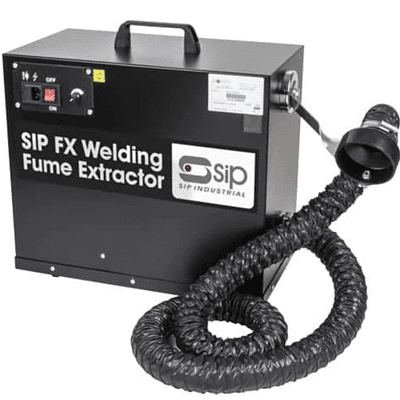
Local exhaust ventilation, such as movable extraction arms, downdraught benches or purpose-designed welding bays, needs to be positioned correctly. An extraction hood placed too far from the weld will not perform as intended. Equally, placing it directly in the shielding-gas flow can affect weld quality. Set the hood close enough to capture rising fume, without drawing shielding gas away from the weld pool.
Extraction systems need inspection and maintenance, not just installation. Damaged hoses, blocked filters, poor airflow and badly positioned capture points are common reasons a system fails in practice. Operators should be able to report poor extraction immediately, and supervisors should act on it before production continues.
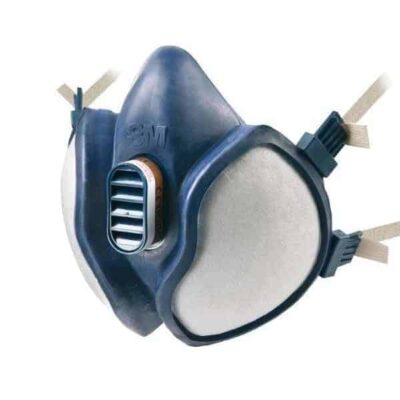
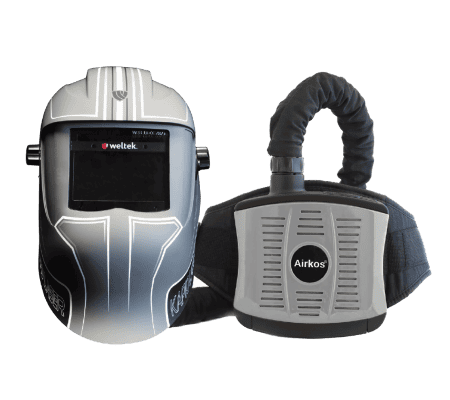
Respiratory protective equipment is not a substitute for extraction where source capture is achievable. It may be required for short-duration work, awkward access, maintenance tasks or situations where local extraction cannot be positioned effectively. It must be suitable for the contaminant, face-fitted where required, kept clean and stored so that filters and seals are not damaged.
PPE must match the process
Welding PPE protects against more than sparks. Arc radiation can injure unprotected eyes and skin, hot metal causes burns long after welding stops, and grinding introduces impact and noise hazards. Equipment should be selected for the process and checked before use.
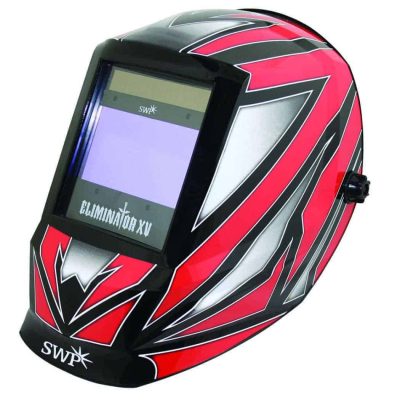
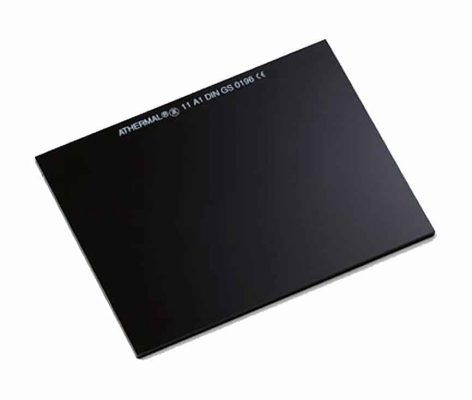
A suitable welding helmet with the correct shade range is fundamental. Auto-darkening helmets can improve efficiency, particularly on repetitive fabrication, but they still need a functional check before use. Lenses must be clean, sensors unobstructed and batteries or solar cells working correctly. A damaged cover lens reduces visibility and encourages poor posture as welders move closer to the work.
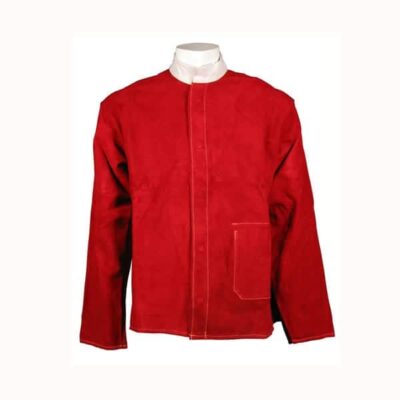
Use flame-resistant clothing that covers the arms and legs, without loose cuffs or synthetic outer layers that can melt. Welding gauntlets should suit the heat level and dexterity required. TIG work often needs a more dexterous glove than heavy MMA or cutting work, but thinner gloves must still provide appropriate protection. Safety boots need sound soles and enclosed uppers to prevent sparks entering the footwear.
Where grinding, chipping or wire brushing is involved, wear safety spectacles beneath a face shield. Hearing protection is required where noise assessments show exposure is high, particularly around grinding stations, air tools and thermal cutting equipment. Do not rely on a welding helmet as eye protection when the arc is off.
Keep fire controls close to the work
Sparks travel further than most operators expect. They can pass through gaps in benches, settle behind stored stock or ignite dust, packaging and rags well outside the immediate welding area. Fire prevention begins with housekeeping, not with the extinguisher on the wall.
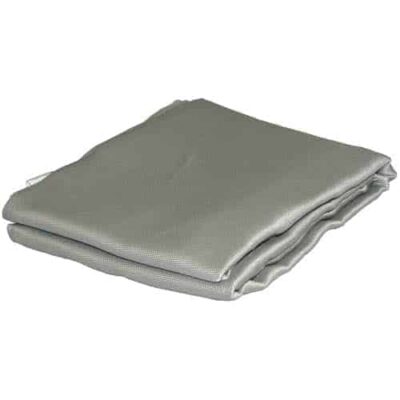
Keep combustible materials out of the hot-work zone. This includes cardboard, timber, solvent containers, aerosol cans, oily rags and accumulated dust. Use welding screens to contain arc flash and sparks, but do not assume a screen is a fire barrier unless it is rated for that purpose and installed correctly.
For work outside a dedicated bay, a hot-work permit system is often the right control. It should identify the location, combustible materials, fire-fighting equipment, the responsible person and any required fire watch. The need for a post-work fire check depends on the site, construction and surrounding materials, but it is particularly relevant in maintenance areas, plant rooms and older buildings with concealed voids.
Keep suitable extinguishers accessible, inspected and appropriate to the likely fire risks. Staff should know where they are and when to raise the alarm rather than attempting to fight a growing fire. An extinguisher is a first-response tool, not permission to continue unsafe work.
Inspect power sources, leads and earth returns
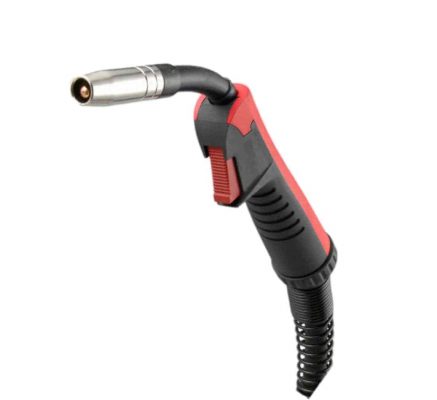
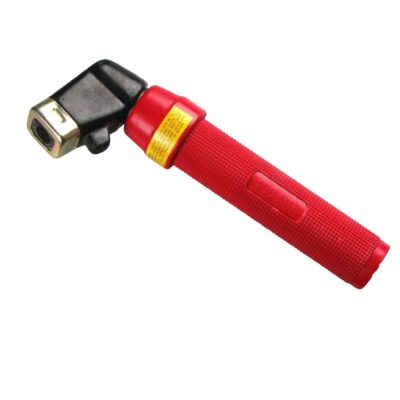
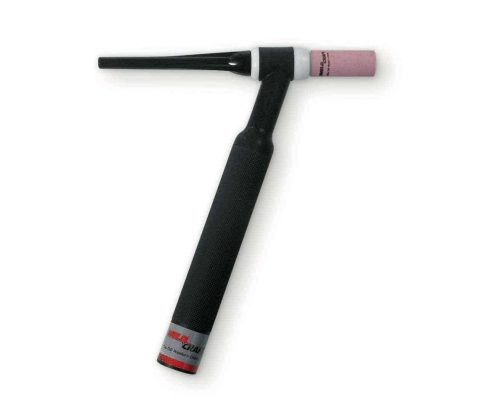
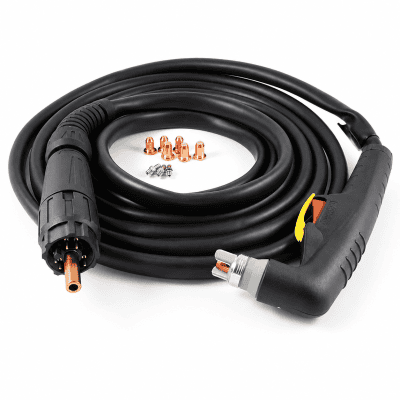
Electrical faults are preventable when equipment checks are routine. Inspect welding sets, electrode holders, torches, return clamps, cables and connectors before use. Look for cracked insulation, exposed conductors, loose terminals, overheating, damaged torch necks and poor clamp contact.
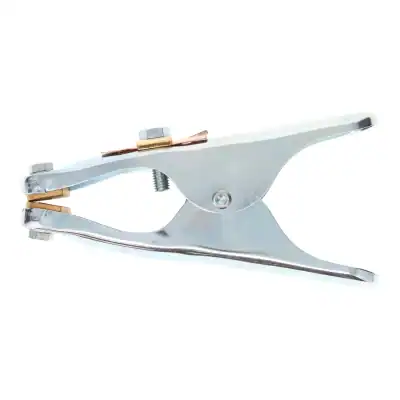
A secure return connection is essential. Fix the clamp directly to clean metal on the workpiece or fixture where possible, rather than relying on a chain, bearing, structural member or an uncertain path through the assembly. Poor return paths can cause overheating, arcing and damage to plant or sensitive equipment.
Keep leads clear of sharp edges, forklift routes, water and high-temperature areas. Do not coil live leads tightly around the body or drape them where they become a trip hazard. Isolate equipment before changing consumables, servicing torches or investigating a fault. Repairs to electrical equipment should be made by a competent person, not improvised during a production shift.
Store and handle gas cylinders properly
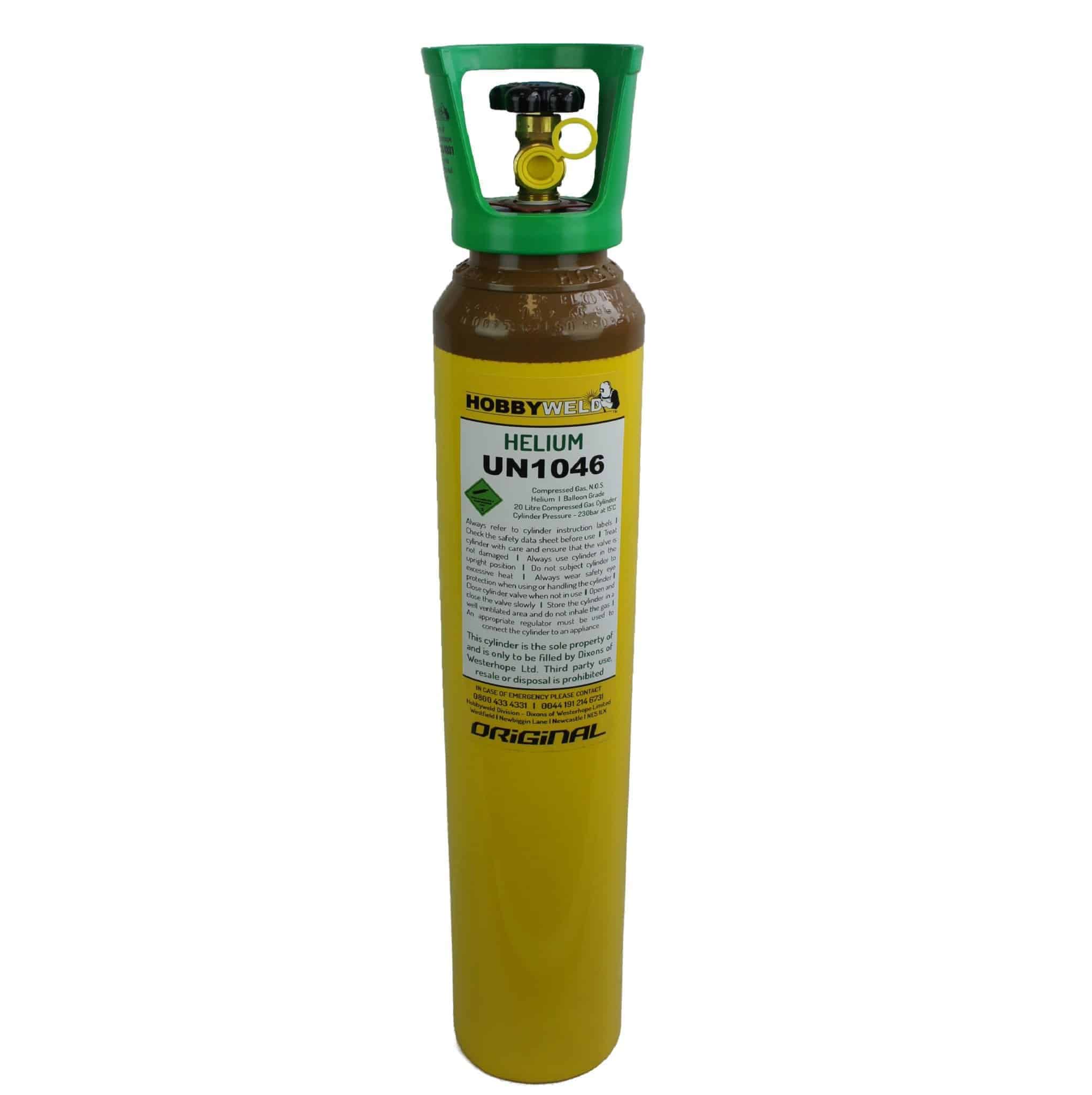
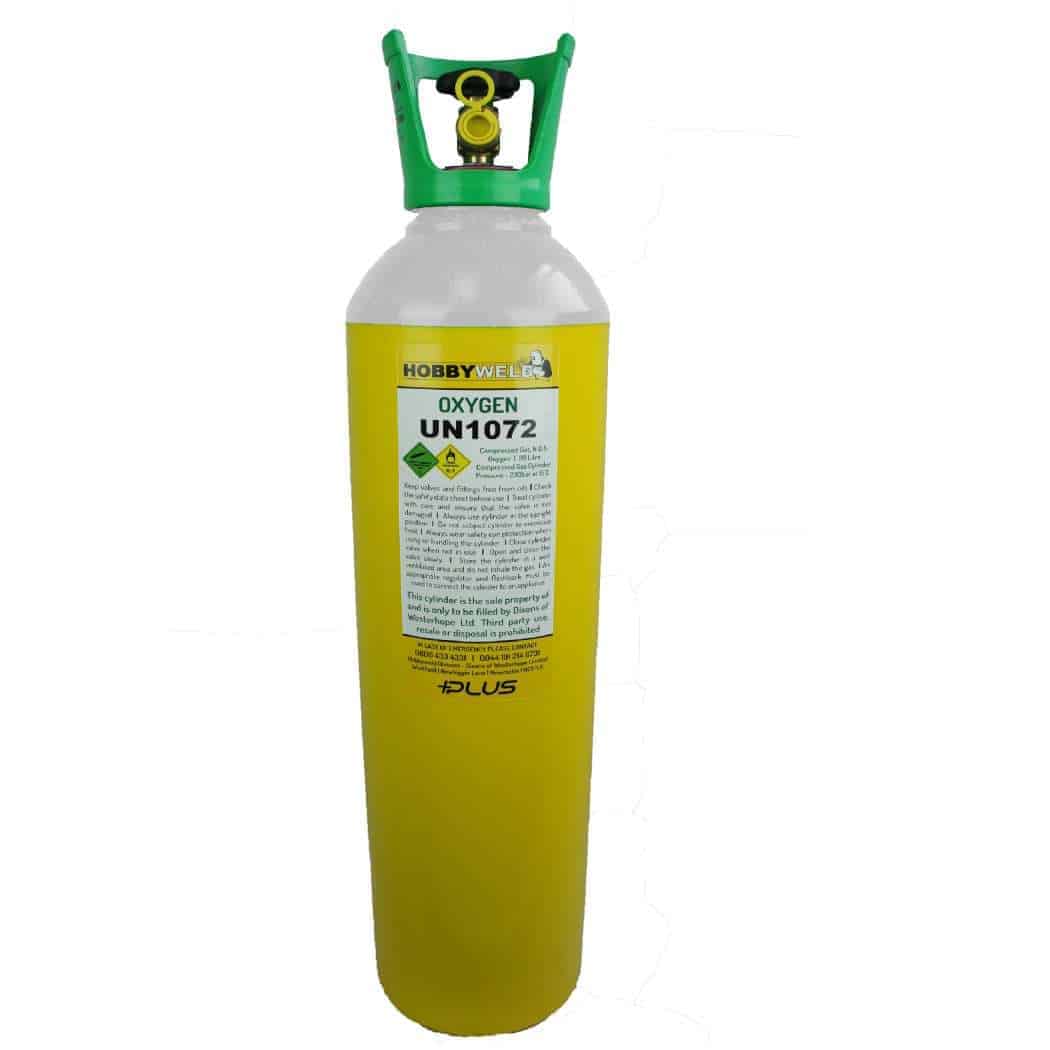
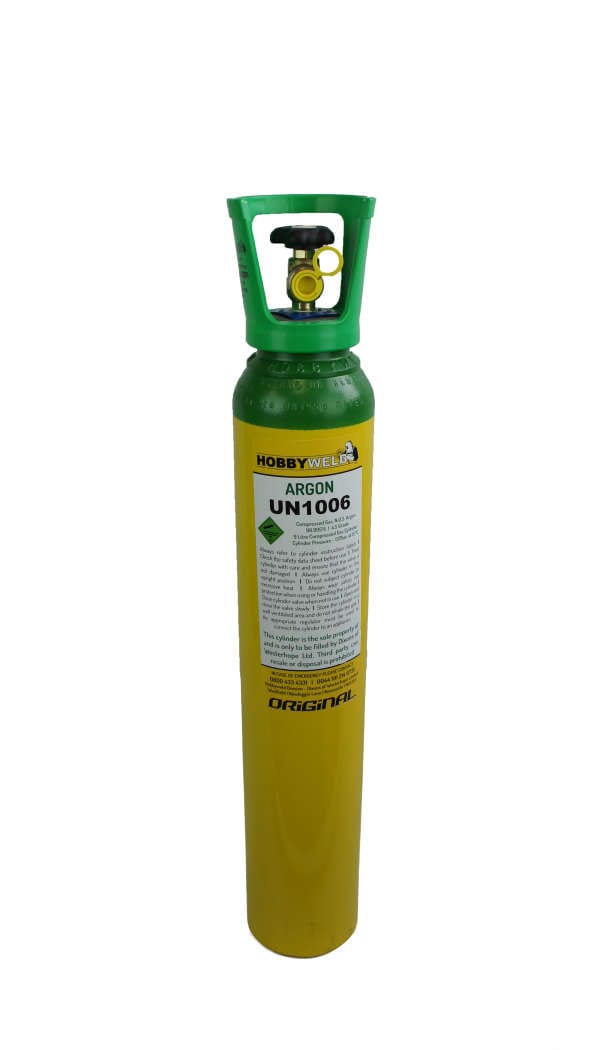
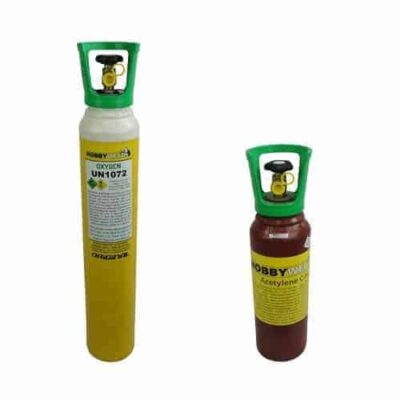
Compressed gas cylinders bring stored-energy risks as well as fire and asphyxiation concerns. Cylinders must be upright, secured against falling and protected from vehicle impact. Fit valve caps when cylinders are not connected for use, and move them with a suitable cylinder trolley rather than rolling or dragging them.
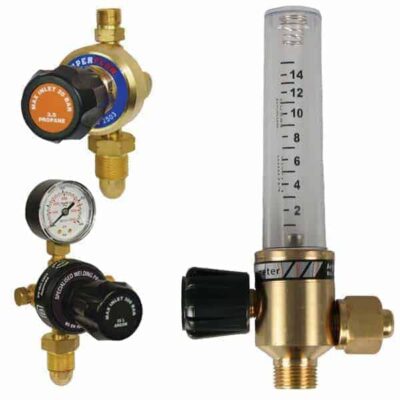
Check regulators, flashback arrestors, hoses and connections for condition and compatibility. Never use oil or grease on oxygen equipment. Open valves carefully, stand clear of the regulator face and close cylinder valves when the job is complete or the equipment is unattended.
Shielding gases can displace oxygen, especially in pits, tanks, enclosed bays and poorly ventilated areas. A large leak may not be obvious because many shielding gases are colourless and odourless. Treat restricted spaces as a separate work category requiring formal assessment, atmospheric monitoring and a controlled entry procedure where necessary.
Make the welding area work for the operator
Good workshop design reduces the number of safety decisions an operator has to make. Provide adequate lighting without glare on the welding screen, clear access around benches, defined routes for pedestrian and vehicle traffic, and storage that keeps stock from becoming a trip or crush hazard.
Position welding screens to protect nearby personnel from arc flash, but allow enough visibility for safe movement around the area. Segregate grinding where possible. Grinding dust and sparks create avoidable contamination when they are allowed to spread through welding and assembly areas.
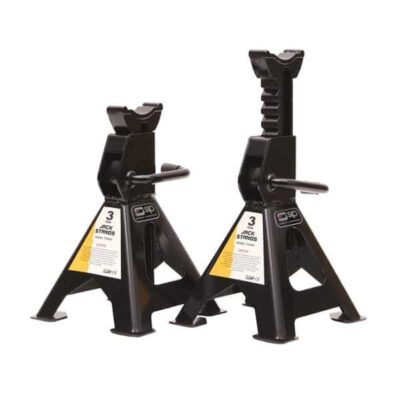
Manual handling also deserves attention. Heavy fabrications should be supported with rated stands, positioners, lifting equipment or suitable fixtures. Never weld on an unstable item balanced on blocks, pallets or a forklift fork. The time saved by a poor set-up is quickly lost if a component shifts, distorts or injures someone.
A workshop welding safety guide needs daily ownership
Formal risk assessments and written procedures matter, but the daily pre-use check is where controls become real. Before work starts, the operator should confirm that extraction is running, PPE is serviceable, leads are sound, the return clamp is secure, cylinders are restrained and the area is free from unnecessary combustibles.
Supervisors should treat repeated minor defects as signals, not nuisances. A cracked lens, a missing screen clamp or an extraction arm that will not hold position can gradually become accepted as normal. That is how workable controls disappear from a busy shop.
ProWeld customers work in environments where fabrication quality and safe output are closely linked. Clean, correctly maintained equipment supports both. When the bay is properly set up, welders can focus on fit-up, heat control and finish rather than compensating for preventable hazards.
The practical test is simple: if a new welder entered the workshop halfway through a busy shift, would the safe method be obvious from the equipment, layout and condition of the area? Build the workshop so the answer is yes, every day.