














Blog
Choosing Welding Consumables for Fabrication
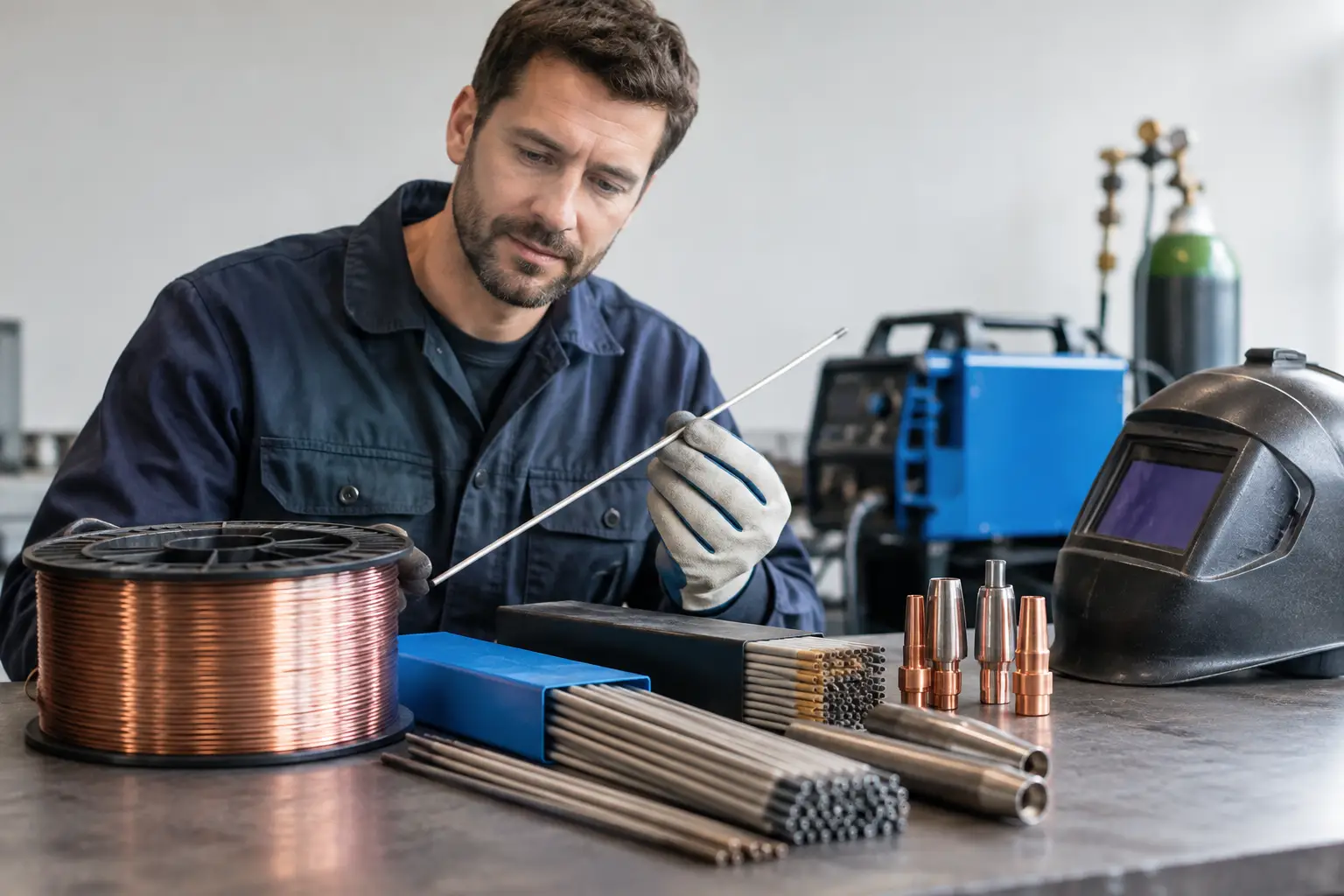
A weld procedure can be sound on paper and still produce inconsistent work if the wrong filler, gas or electrode condition reaches the bench. Welding consumables determine deposited metal chemistry, arc behaviour, penetration profile, slag removal and the likelihood of defects. For fabrication shops, they are not a minor purchasing line. They directly affect rework, throughput and whether a completed assembly meets its specification.
What Counts as Welding Consumables?
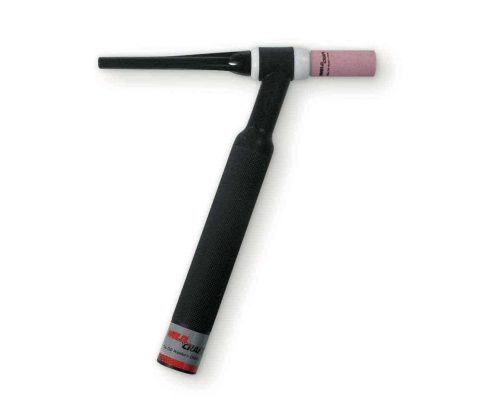
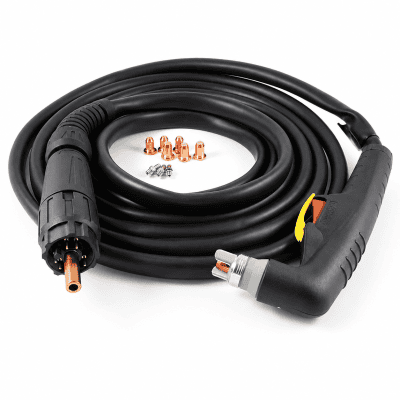
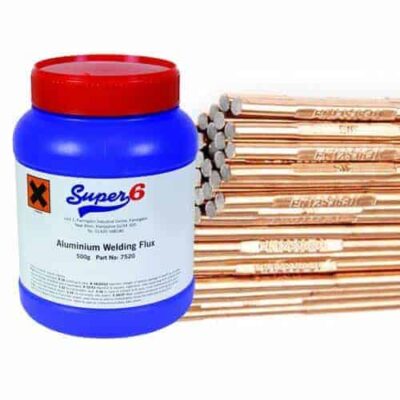
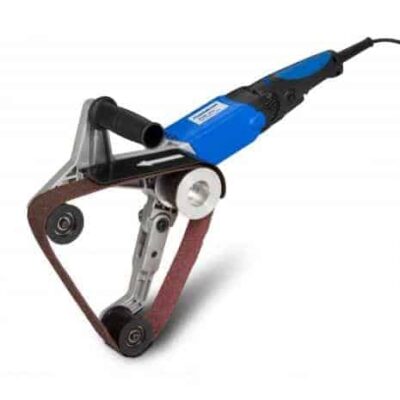
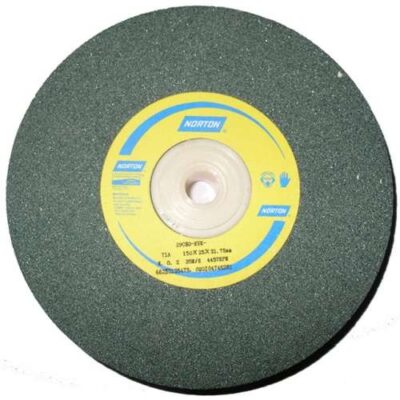
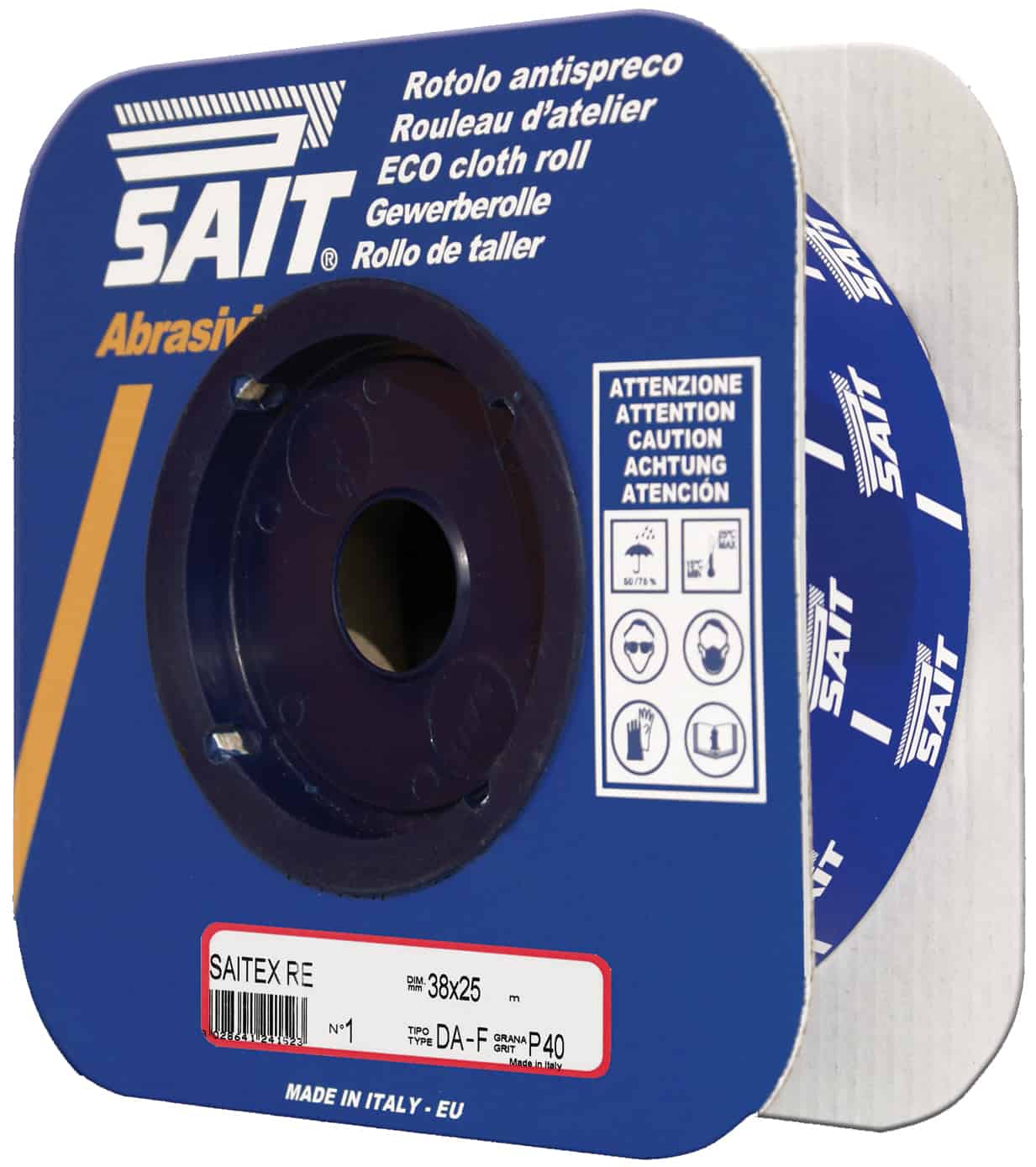
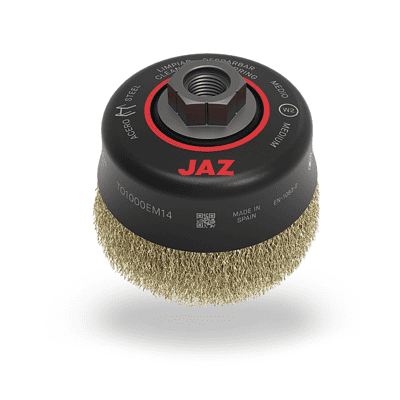
Welding consumables are materials used up during welding, brazing or related joining operations. They include filler wires, MIG and MAG welding wires, TIG rods, stick electrodes, flux-cored wires, submerged arc wire and flux, shielding gases, brazing alloys and anti-spatter products. Grinding discs, cutting consumables and replacement torch parts are often managed alongside them, although their selection criteria are different.
The correct choice depends on more than the base metal name. Carbon steel, stainless steel and aluminium each call for a different approach, but the grade, thickness, joint preparation, welding position, heat input and service environment are equally relevant. A consumable suitable for a simple fillet weld in a workshop may not be suitable for a structural joint exposed to low temperatures, cyclic loading or corrosive conditions.
For controlled fabrication, consumable selection should begin with the approved welding procedure specification, drawing notes and applicable material standard. If those documents prescribe a filler classification, shielding gas group or impact requirement, that instruction takes priority over a convenient substitute.
Match the Consumable to the Welding Process
The process establishes the practical limits of consumable choice. It also affects labour time, deposition rate, access and weld appearance.
MIG and MAG wire
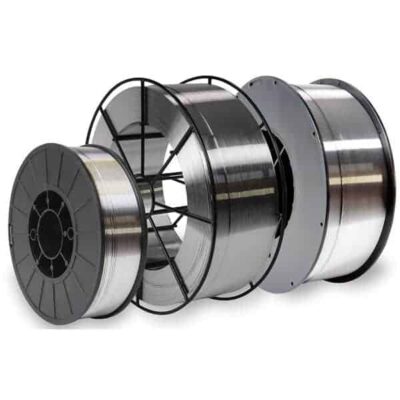
Solid wire is widely used for carbon steel fabrication because it offers clean, productive welding with the right shielding gas and stable wire feed. Standard mild steel wires are appropriate for many general fabrication jobs, provided the parent material and required mechanical properties are covered. Higher-strength steels, weathering steels and low-temperature applications may require matched or specially classified wire instead.
Wire diameter matters. A smaller diameter can give better control on thinner material and positional work, while larger wire can increase deposition on prepared joints and heavier sections. More wire is not automatically better. Excessive current for the joint can create undercut, distortion or poor profile, particularly on thin wall box section and sheet.
Flux-cored wire may be a stronger option where high deposition, outdoor work or positional welding is required. Gas-shielded flux-cored wire can offer good mechanical properties and productivity, while self-shielded types remove the need for a gas cylinder. The trade-off is generally more fume, slag removal and a greater need to follow the manufacturer’s parameter guidance precisely.
TIG filler rods
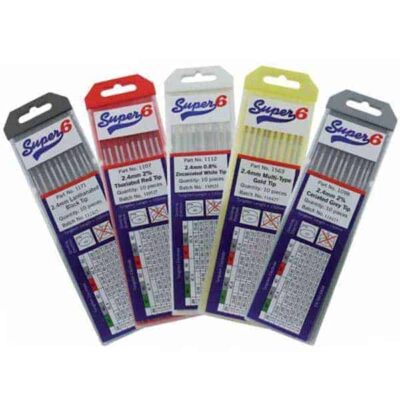
TIG welding gives the operator close control over the weld pool, making it valuable for thin material, root passes, stainless work, aluminium and high-finish fabrication. TIG rods must be compatible with the parent metal and the duty of the finished component.
For stainless steel, corrosion resistance must be considered as well as strength. Using a general-purpose stainless filler on an unknown or mixed-grade application can create problems later, especially where the assembly will see moisture, chlorides or cleaning chemicals. Aluminium fillers also vary in crack resistance, colour match after anodising and suitability for elevated-temperature service. Material certification and job knowledge are worth more than guesswork.
Stick electrodes
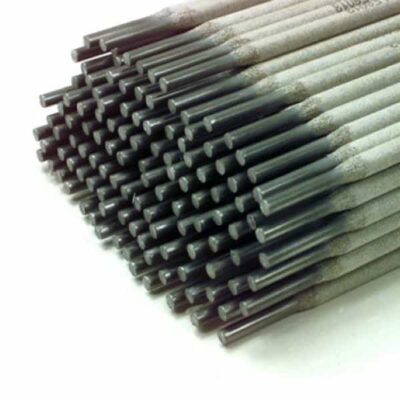
Manual metal arc electrodes remain useful for site repairs, structural work and locations where gas shielding is impractical. Electrode type influences penetration, hydrogen levels, slag characteristics and positional capability. Basic low-hydrogen electrodes are commonly specified where toughness and crack resistance matter, but they must be stored and handled correctly.
A damp low-hydrogen electrode is not a harmless inconvenience. Moisture can introduce hydrogen into the weld deposit and increase the risk of delayed cracking, particularly on restrained joints, thicker carbon steels and higher-strength materials. Opened packs should be managed according to the electrode requirements, with suitable storage or holding ovens where necessary.
Shielding Gas Is Part of the Weld Specification
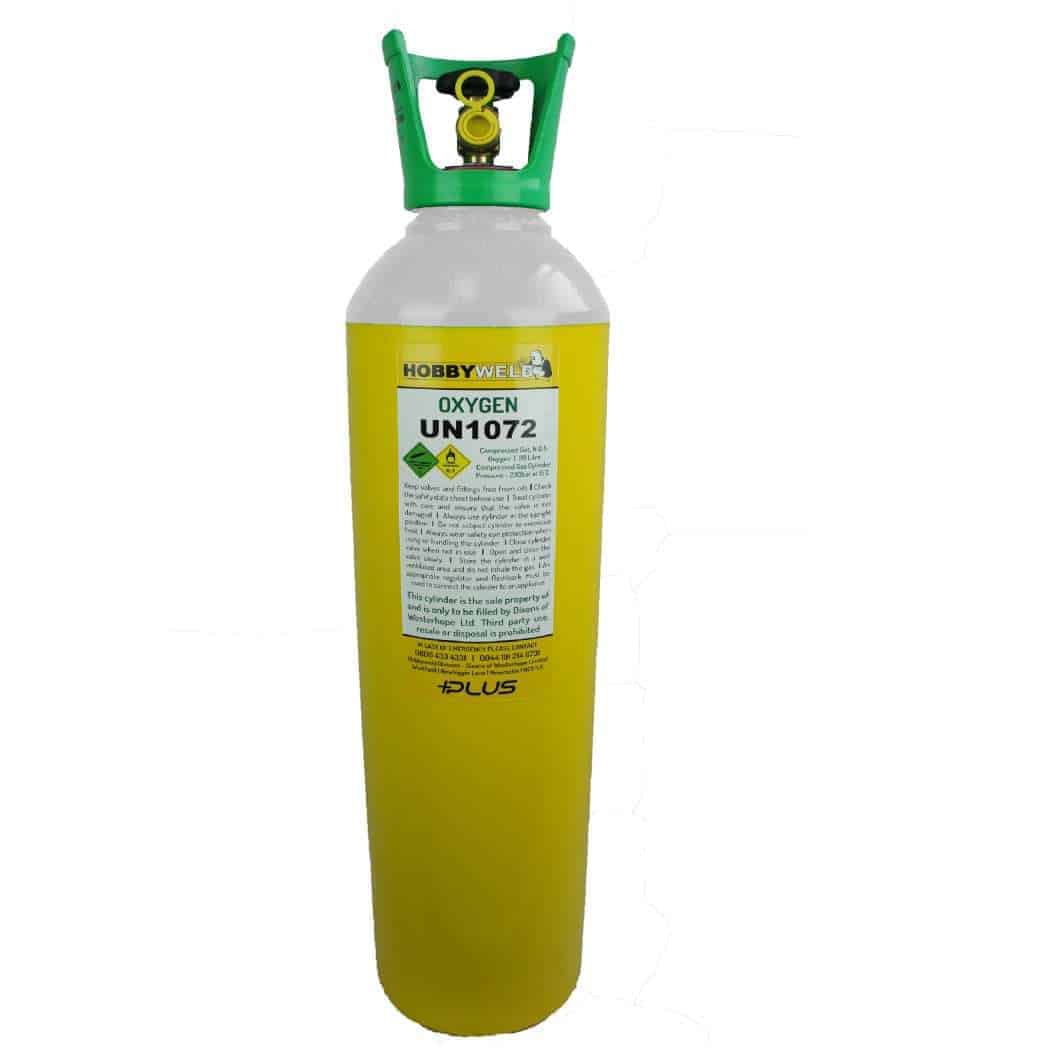
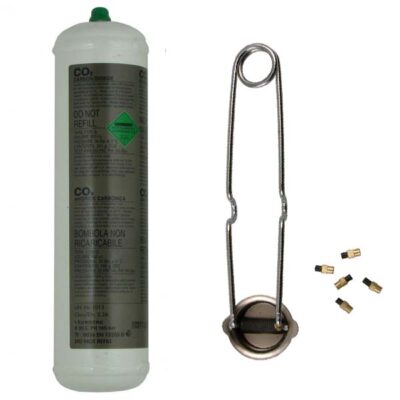
Shielding gas is sometimes treated as a utility rather than a consumable decision. That is a costly mistake. Gas composition changes arc stability, bead profile, penetration, spatter levels and transfer behaviour.
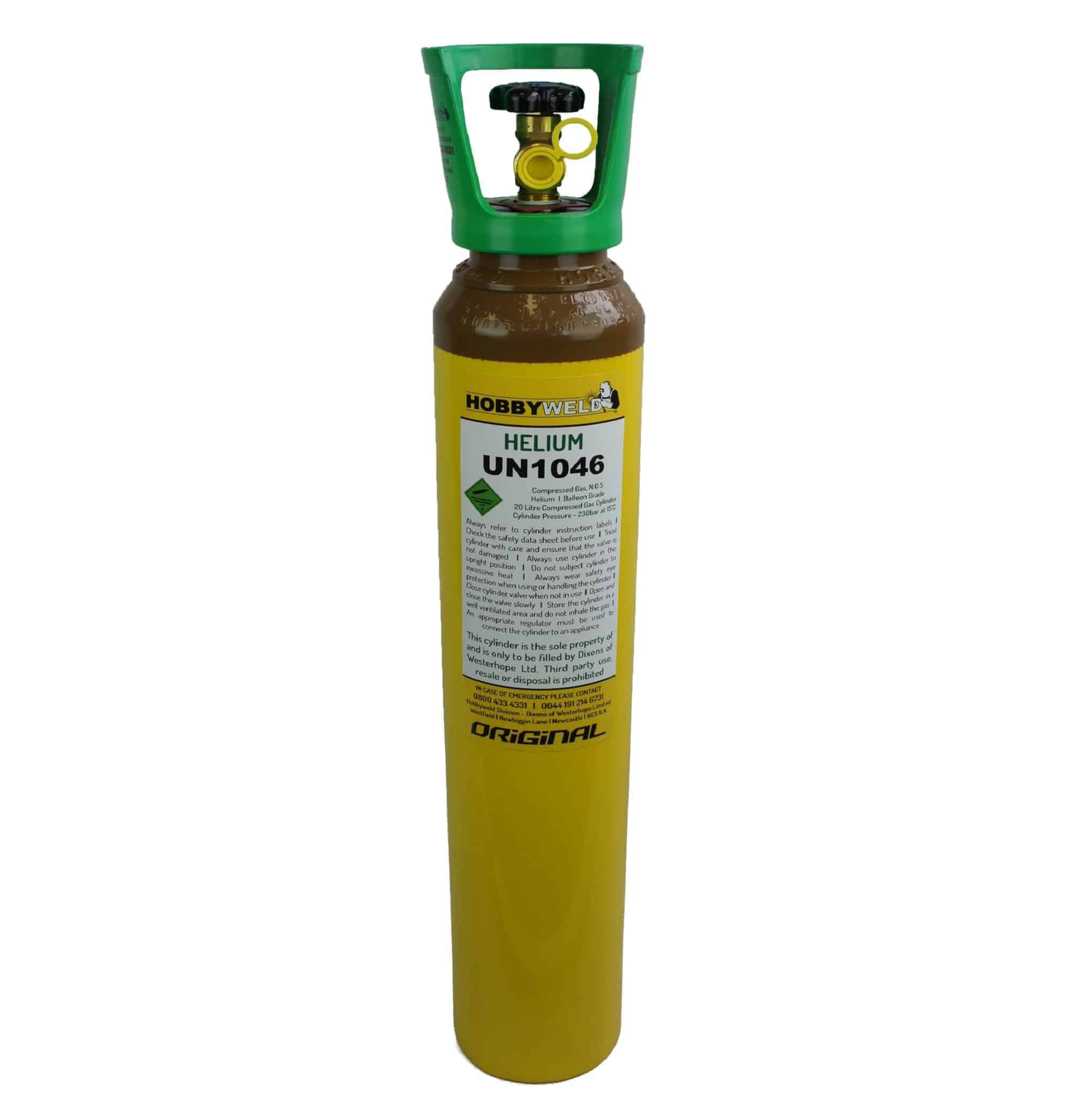
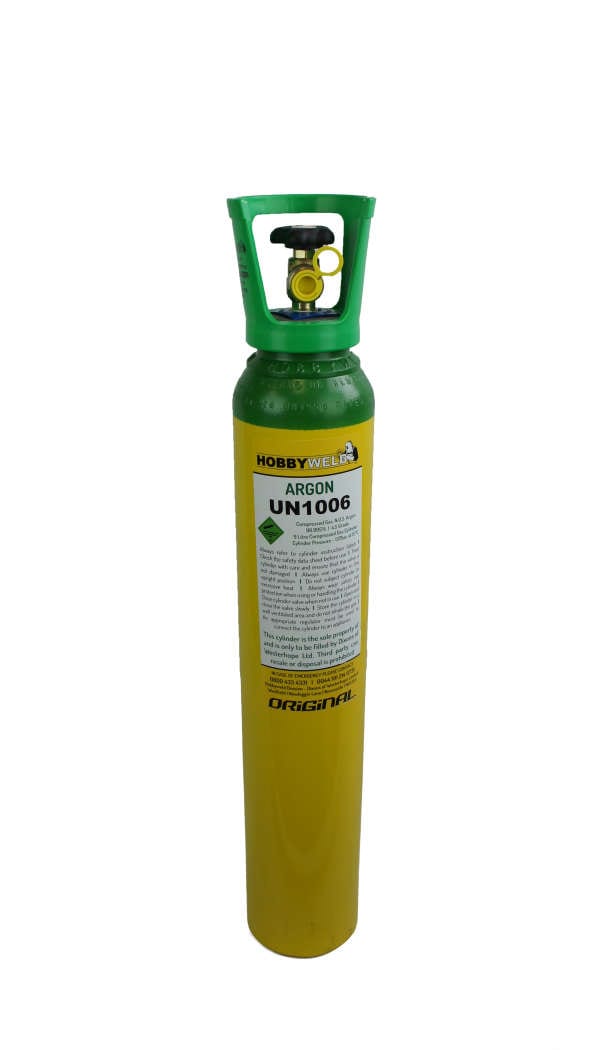
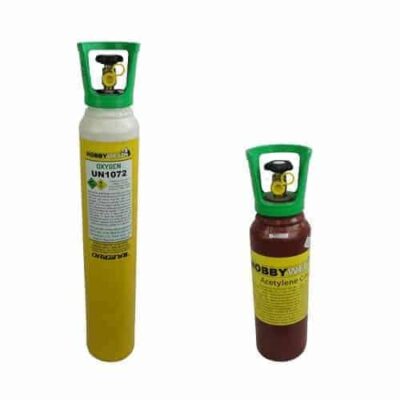
For carbon steel MAG welding, argon and carbon dioxide mixtures are selected according to the application and wire type. A higher carbon dioxide content can provide useful penetration but may increase spatter. Argon-rich blends usually support a smoother arc and cleaner finish at appropriate settings. Stainless applications often require mixtures designed to protect corrosion performance and control oxidation. Aluminium normally requires high-purity argon, with helium blends reserved for situations where extra heat input is beneficial.
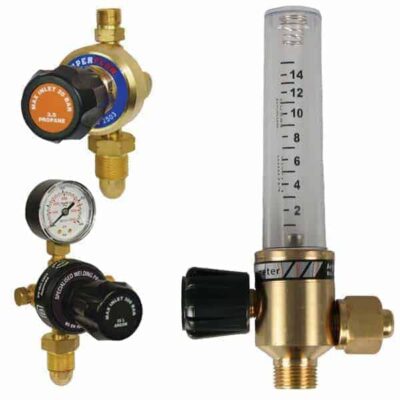
Gas flow must suit the torch, joint access and working conditions. Too little flow risks porosity. Too much can create turbulence that pulls surrounding air into the shielding envelope. Leaks, damaged hoses, contaminated nozzles and draughts around an open fabrication bay can all produce the same result: porous welds that look acceptable until inspection reveals the issue.
Base Metal, Service Conditions and Joint Design
Selecting welding consumables by parent metal alone is incomplete. Start with the material certificate or confirmed grade wherever possible. Then consider what the fabrication will do after it leaves the workshop.
A handrail in a dry internal setting has different demands from a lifting frame, process pipe support or marine-access component. Questions that should be answered before ordering include whether the joint needs impact toughness, corrosion resistance, hardness, fatigue performance or compatibility with galvanising and subsequent coating. A filler that produces a sound weld can still be unsuitable if its mechanical or corrosion properties do not align with the component’s service conditions.
Joint design also has a direct bearing on consumable choice. Wide root gaps, poor fit-up and heavily prepared bevels increase weld volume, raising both consumption and heat input. In those cases, a higher-deposition process may be commercially sensible, but only if it remains qualified for the job. For thin material, a lower-input process or smaller wire may reduce burn-through and distortion, even if it takes longer per metre.
Control Storage, Handling and Traceability
Good consumable selection is wasted if stock is poorly controlled. Wire exposed to damp, dirty workshop conditions can feed badly and contribute to porosity. TIG rods mixed in unmarked tubes make material identification difficult. Electrodes left open on a bench lose the protection their packaging was intended to provide.
Practical controls do not need to slow the shop down. Keep products in their original labelled packaging until required, segregate stainless consumables from carbon steel contamination, protect wire from dust and moisture, and rotate stock so older batches are used first where shelf-life conditions allow. Dedicated stainless brushes, grinding accessories and storage areas are equally important when contamination could affect the finished work.
Traceability should match the risk of the fabrication. For routine general work, batch identification on the packaging and clear stock locations may be sufficient. For coded, structural or quality-critical work, retain batch numbers, certificates and issue records so the consumable used can be linked to the job. This makes inspection, client documentation and any later investigation far more straightforward.
Common Buying Errors That Increase Rework
The cheapest consumable is rarely the lowest-cost option once labour and rectification are included. A wire that feeds inconsistently, an electrode that has absorbed moisture or a gas that creates excessive spatter can cost more in cleaning and lost production than it saves at purchase.
Another common error is standardising too aggressively. Keeping a focused range is sensible, but one wire grade or gas blend cannot cover every steel, position and service condition. Conversely, holding too many near-identical products creates confusion at the point of use. The right balance is a core stock range for regular work, supported by clearly identified specialist consumables for specified applications.
Do not overlook compatibility with existing equipment. Wire feed rolls, liners, contact tips, torch rating and gas delivery equipment must suit the chosen wire and process. Aluminium wire, for example, needs appropriate feed components and handling to avoid birdnesting and inconsistent delivery. A consumable change should be assessed as a system change, not just a different spool on the machine.
Build a Consumables Range Around Real Fabrication Work
A productive workshop typically reviews consumption by material family, process and recurring job type. That shows which products deserve permanent stock and which are better bought against a confirmed requirement. It also reveals hidden problems, such as unusually high gas use, excess contact-tip replacement or wire consumption that does not match deposited weld volume.
ProWeld can support this approach by helping fabrication teams identify trade-grade consumables that match the materials, processes and working conditions they deal with every day. Bring the material grade, weld procedure where applicable, thickness range and intended service into the discussion. That information leads to a more reliable recommendation than selecting from a label alone.
The next time a weld issue appears, inspect the consumable route before blaming the operator. Confirm the filler classification, gas, storage condition, feed setup and parameters against the job requirement. Small corrections at that stage can prevent a full batch of avoidable rework.