












Blog
Welding Table Accessories Review for Fabricators
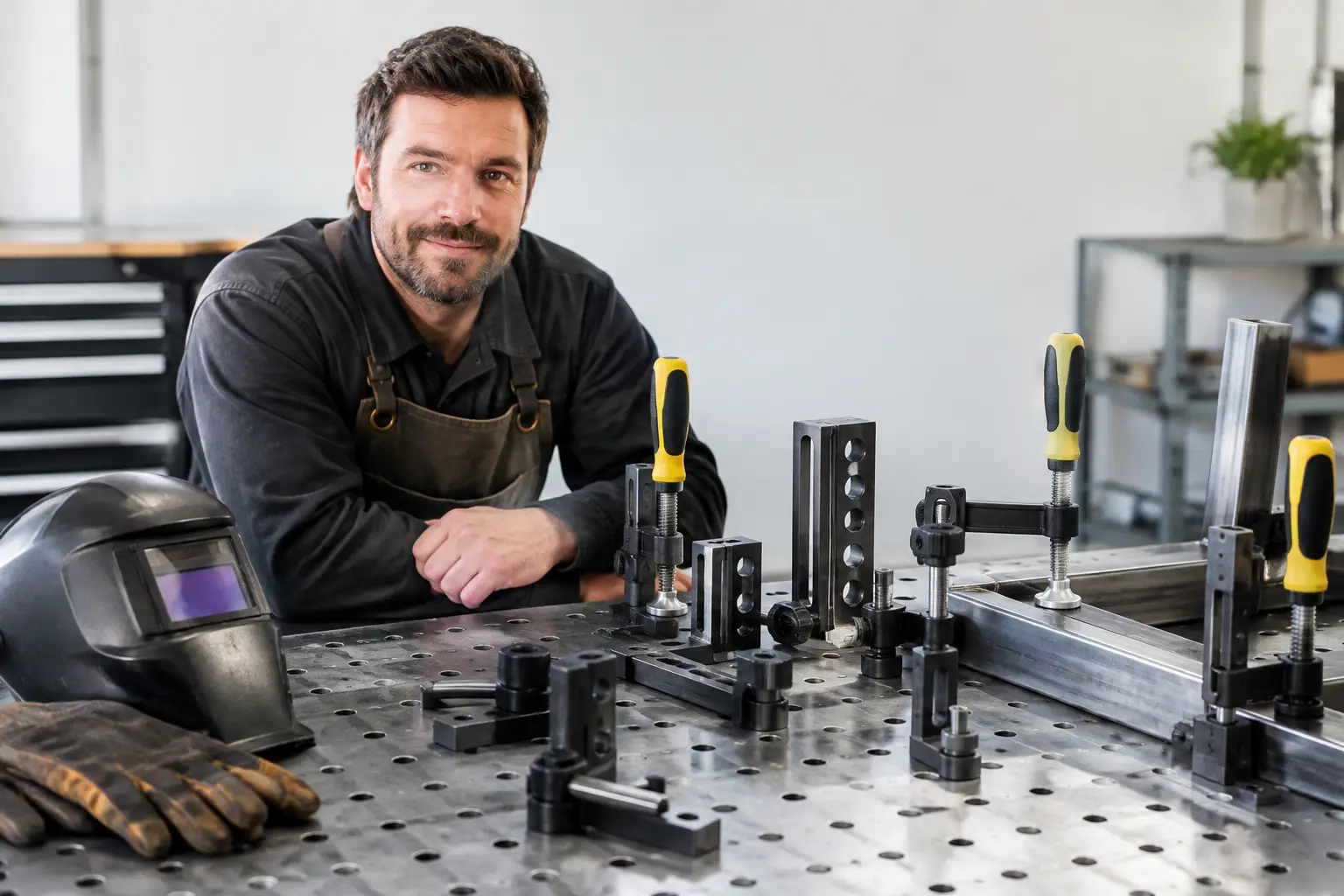
A welding table is only as useful as the fixtures mounted to it. This welding table accessories review looks at the items that genuinely improve fit-up, repeatability and handling in a working fabrication shop – rather than filling drawers with parts that are rarely used. The right accessory shortens set-up time, holds material without distorting it and gives the welder clear access to the joint. The wrong one creates clashes, blocks the torch path or introduces tolerance errors before welding has even started.
The first check is compatibility. Hole diameter, grid pitch, table thickness and clamping system must match the table already in use. A well-made accessory is of little value if its locating pin has clearance in the hole, its thread pattern is different or it sits proud of the work surface. For professional use, the buying decision should start with the type and volume of fabrication being produced, not with the largest accessory bundle available.
Welding Table Accessories Review: The Core Kit
For most fabrication teams, clamps, locating stops and squares form the core system. These are the components used every day for frames, brackets, gates, machine guards, skids and repair work. They should be quick to position, capable of holding under load and straightforward to replace when wear eventually appears.
Fast clamping tools
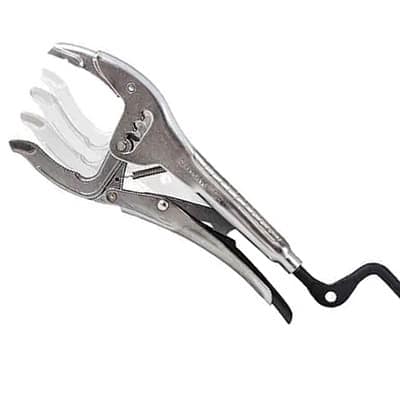
Toggle clamps and quick-action clamps are usually the first accessories worth adding. Their advantage is speed: position the workpiece, close the handle and begin checking the joint. They are particularly useful where identical assemblies are produced repeatedly, as the clamp position can remain fixed between parts.
The trade-off is reach and force. A compact clamp may be ideal for thin-wall box section but insufficient for heavier plate or a warped fabrication that needs controlled pull-down. Check clamping capacity, throat depth and the height of the clamping arm in its closed position. An arm that obstructs a fillet weld or prevents access for a grinder will quickly become a nuisance.
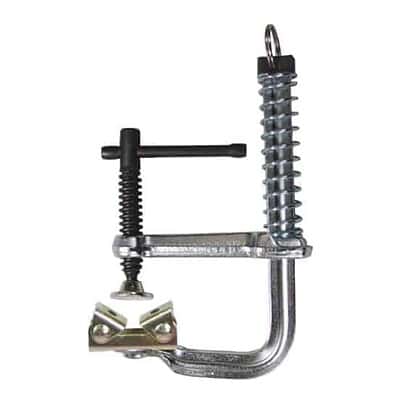
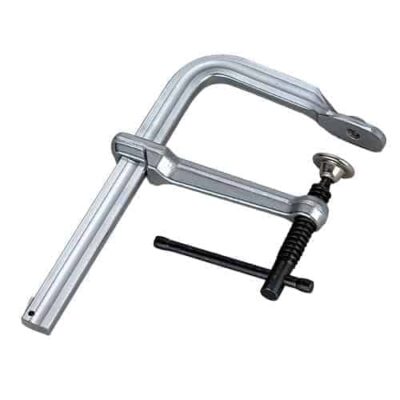
Threaded clamp sets offer more adjustment and generally suit heavier or less predictable work. They take longer to set, but they provide controlled pressure and can accommodate varying material sizes. For repair and one-off fabrication, that flexibility often outweighs the slower set-up. Where heat is likely to transfer into the fixture, steel components and replaceable contact pads are preferable to light-duty fittings.
Stops, pins and locating blocks
Locating stops turn a flat table into a repeatable production fixture. A simple stop placed against two edges of a cut component establishes a datum, allowing the next part to be placed in the same position without remeasuring. For batch work, this is one of the most cost-effective improvements a workshop can make.
Low-profile stops are useful near weld seams because they leave room for the torch, while taller stops provide better support for upright material. Adjustable stops add flexibility but introduce another point that must be checked for squareness and tightness. Fixed locating blocks are often the better choice when a job is repeated frequently and dimensional consistency matters more than rapid changeover.
Pins deserve closer attention than they usually receive. A pin should locate positively without needing to be driven into the table hole. Excess clearance allows movement, especially when a part is pulled tight by a clamp. Pins with a shoulder or collar also help keep accessories at a consistent height and reduce the chance of a fixture tilting under load.
Squares and angle fixtures
A good welding square is not merely an angle reference. It is a restraint system that must resist the force of clamping and the movement created by weld shrinkage. Larger fabricated squares with multiple holes allow clamps and stops to be mounted in several positions, making them suitable for frames and box-section assemblies.
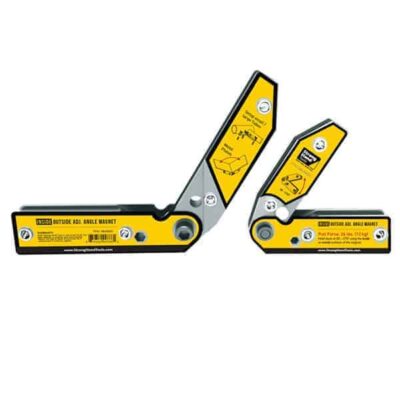
Look for flat contact faces, accurate 90-degree machining and enough mass to remain stable during set-up. A lightweight magnetic square can assist with initial positioning, but it is not a substitute for a properly clamped angle fixture where accuracy is required. Magnets attract grinding dust and weld spatter, can lose holding performance in poor conditions and may restrict placement around the joint.
Angle fixtures with slots or multiple hole positions are especially useful when producing parts at more than one angle. Their value depends on how reliably they return to position. If the fixture is regularly moved, mark proven locations on the table or retain a simple setting record for repeat jobs.
Accessories That Improve Access and Handling
Once the basic clamping and locating system is covered, handling accessories can make a noticeable difference to safety and output. Support blocks, risers and extension arms are not glamorous purchases, but they reduce the need for improvised packing pieces and unstable stacks of offcuts.
Risers lift the work above the table surface, improving access to the underside of a joint and allowing longer items to clear clamps. They are useful for welding frames where multiple faces must be completed without repeated dismantling. The limitation is stability: raising the work also increases leverage on clamps and fixtures. Use wide, well-supported risers for heavier fabrications and check that the assembly cannot rack before tacking.
V-blocks and pipe supports are valuable where round tube, pipe or shafting is welded. They prevent rolling, make centre-line alignment easier and allow sections to be rotated with less handling. A basic V-block is sufficient for occasional pipe work; adjustable supports are more efficient when diameters vary throughout the week. For pipe spool work, repeatable support height matters as much as the V profile itself.
Bridge clamps and extension clamps provide reach across wider assemblies, but they need careful selection. A long clamping arm can flex under load, particularly when used to pull a distorted part into position. Use them to hold aligned material, not to force a badly prepared joint into compliance. Excessive restraint may leave stress in the assembly and make final inspection more difficult.
What Separates Trade-Grade Accessories
Material thickness, machining quality and locking method determine whether an accessory will stand up to regular workshop use. A fixture can look substantial but still lose accuracy if its contact faces are poorly machined or its locating holes are oversized. Check the manufacturer’s stated tolerances where available, especially for squares, stops and precision blocks.
Surface finish matters too. Blackened or treated steel can offer a degree of corrosion resistance, while bare steel fixtures require routine cleaning and dry storage. Neither finish makes an accessory immune to weld spatter. Anti-spatter treatment, sensible fixture placement and regular cleaning do more to protect the working faces than relying on a coating alone.
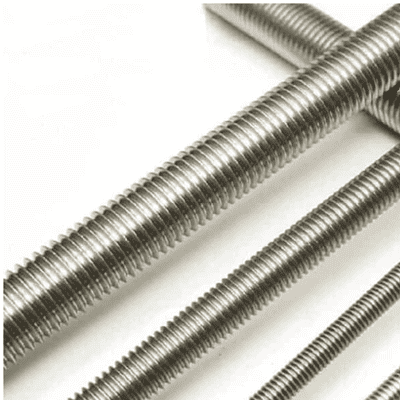
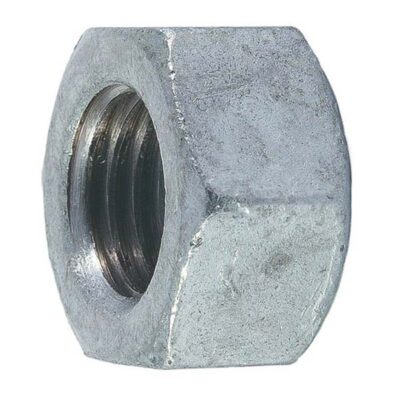
For accessories using threaded fasteners, inspect the thread form and availability of replacement components. Threads that are easily damaged by spatter or cross-threading will slow down a busy bay. Captive handles, replaceable studs and standardised nuts are practical features because parts can be maintained rather than discarded.
Do not overlook weight. Heavy fixtures are generally more stable, but a fitter moving them repeatedly may lose more time than is gained in rigidity. For a large modular table, substantial squares and blocks make sense. For mobile repair work or a smaller bench, a lighter, disciplined fixture set may be more productive.
Buying by Job Type, Not by Catalogue Size
A general fabrication shop should prioritise a range of clamps, low-profile stops, locating pins, two accurate squares and a few risers. That combination covers the majority of rectangular and structural work without complicating the table.
Shops producing repeated assemblies should invest sooner in dedicated stops, repeatable clamp positions and fixtures that reduce measuring between cycles. The initial cost is higher, but so is the potential saving in set-up time and rework. Keep the fixtures with the job documentation where possible, rather than stripping them down after every run.
Maintenance teams often benefit from flexible clamps, V-blocks, adjustable angle fixtures and compact supports. Their work is less likely to repeat, so adaptability has more value than a highly specific production jig. For these users, the best accessories are the ones that accommodate awkward repairs safely without excessive packing or temporary tack-on tabs.
Before placing an order, measure the table hole size and spacing, confirm material thickness around the holes, and identify the largest sections commonly fabricated. Then consider access: can the selected clamps be positioned without blocking welding, inspection or cleaning? A smaller set that works together is more useful than a large mixed collection with incompatible pins and duplicate functions.
A properly chosen fixture system does not replace sound fit-up, accurate cutting or weld sequence control. It gives skilled fabricators a reliable starting point and removes avoidable variation from the bench. Build the set around the jobs that keep the workshop busy, add specialised pieces when their need is proven, and keep every locating face clean enough to do its job properly.