
















Blog
How to Use a Welding Machine Properly
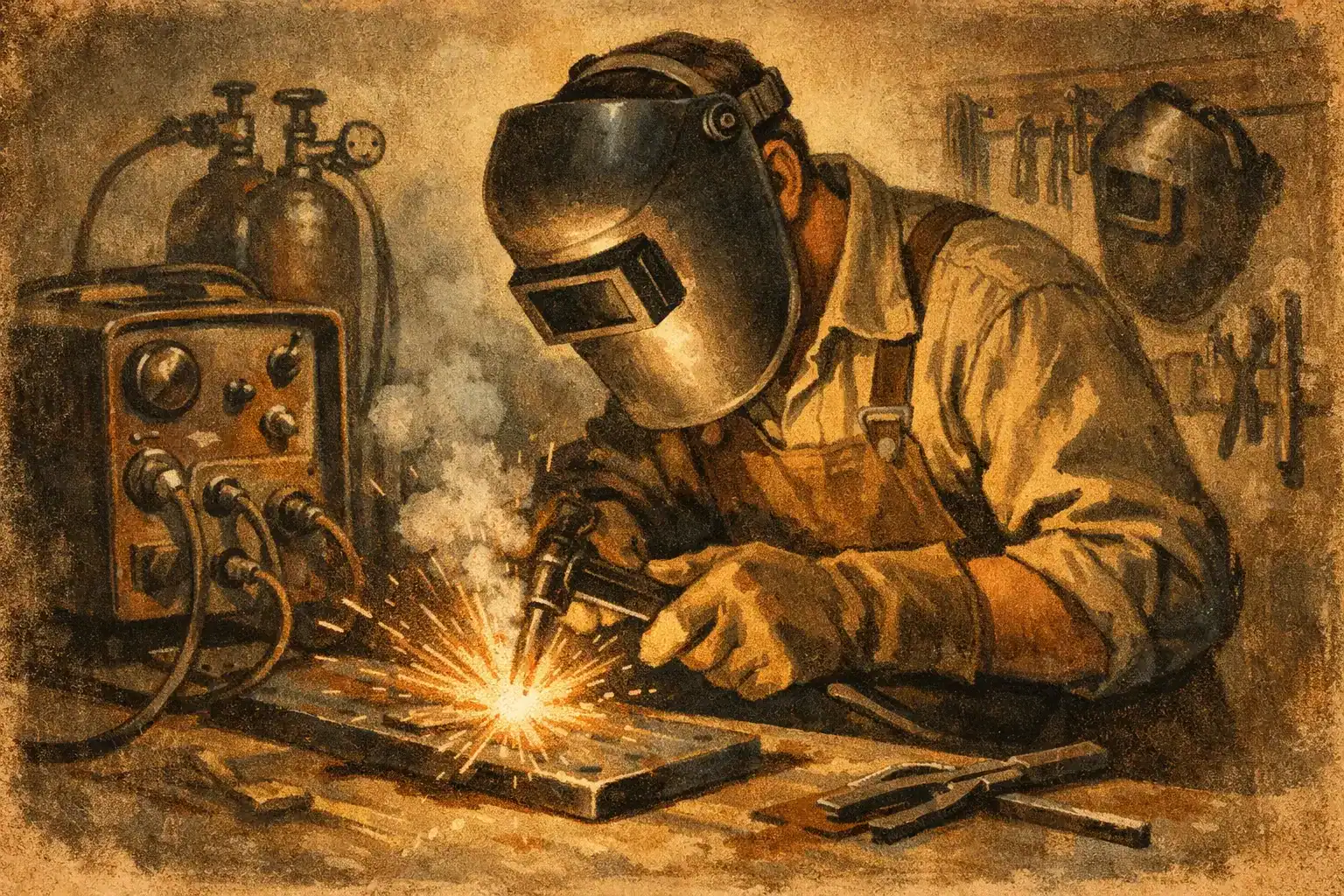
A poor weld usually starts before the arc is struck. Wrong polarity, poor earth contact, contaminated steel or rushed settings will waste wire, rods, petrol and time. If you are looking for how to welding machine use in a practical workshop sense, the real answer is not just switching the unit on. It is understanding setup, process choice, material condition and machine control well enough to produce a sound weld consistently.
For fabrication, repair and site work, that matters more than theory on its own. A welding machine is only as effective as the operator’s setup discipline and the suitability of the process for the joint in front of them.
How to welding machine use safely from the start
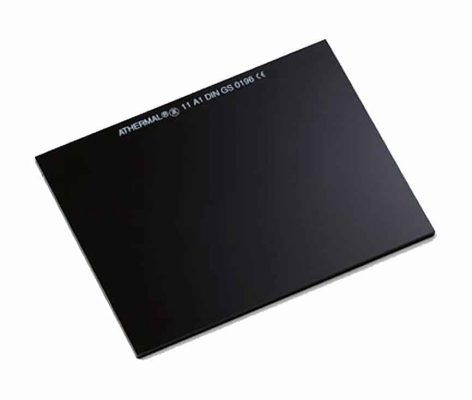
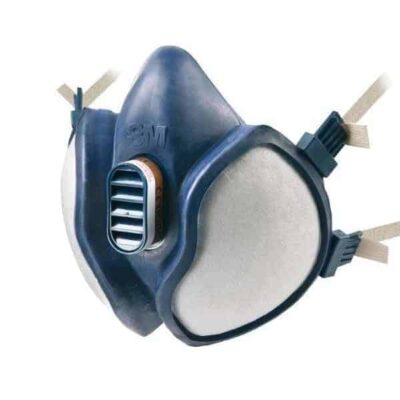
Before any machine is powered up, check the work area. Remove flammable materials, confirm ventilation is adequate and make sure screens are in place if others are working nearby. Welding fumes, UV exposure and hot spatter are routine hazards, so PPE is not optional. A proper welding helmet with the correct shade, gauntlets, flame-resistant clothing and suitable footwear should be standard.
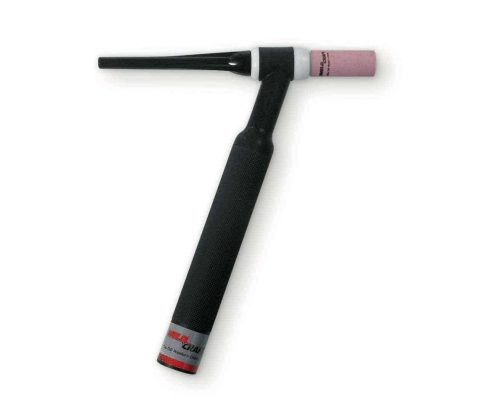
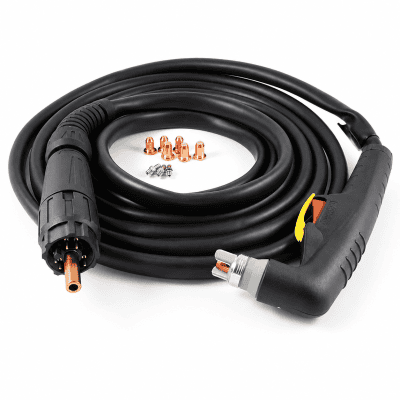
Machine condition also needs checking. Inspect the torch, electrode holder or TIG torch for wear, confirm leads are undamaged and make sure connections are tight. Loose dinse plugs, damaged liners or cracked petrol hoses create faults that can look like operator error when the actual issue is equipment condition.
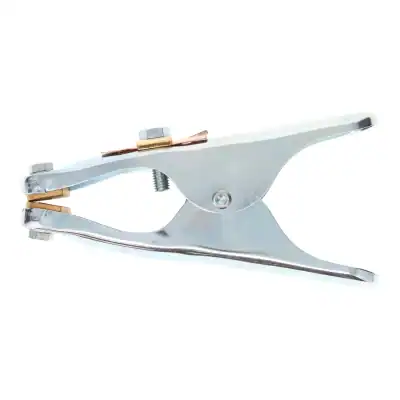
The earth clamp is often overlooked. It needs clean contact on sound metal, positioned close enough to the weld zone to give a stable return path. Poor earthing causes arc instability, excessive spatter and inconsistent penetration.
Choose the right welding process for the job
When people ask how to use a welding machine, they often treat all machines as the same. They are not. The process determines setup, consumables and technique.
MIG welding
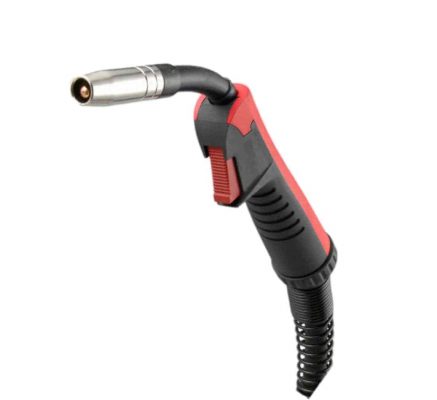
MIG is often the quickest option for workshop fabrication, mild steel sections and repeat production. It is efficient, relatively easy to control and well suited to longer runs. With solid wire and shielding petrol, it produces clean welds at good travel speed. Flux-cored wire can be useful where outdoor conditions interfere with petrol coverage, though it generally creates more slag and cleanup.
MMA or stick welding
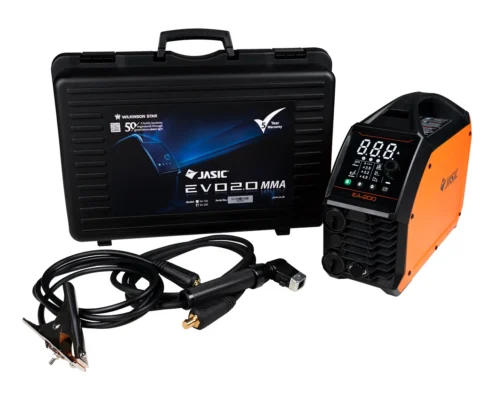
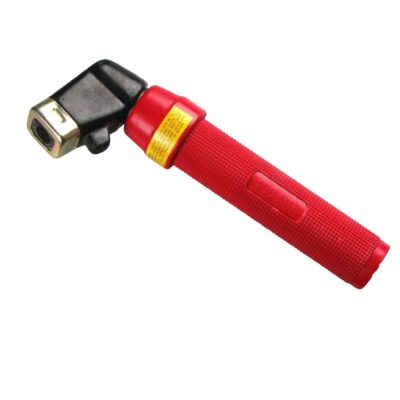
MMA is practical for site work, heavier steel and less-than-perfect material conditions. It is tolerant of light rust and mill scale compared with some other processes, and the equipment is straightforward. The trade-off is slower operation, more stops for rod changes and slag removal between passes.
TIG welding
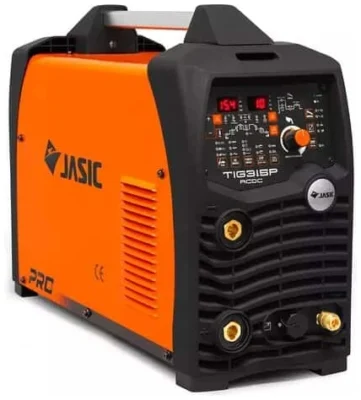
TIG is chosen where weld appearance, precision and heat control matter. It suits thinner material, stainless and more exacting work, but it is slower and demands a steadier hand. For production fabrication, it is not always the most economical choice unless the specification requires that finish or control.
Set the machine to match the material
Correct settings depend on material type, thickness, joint design and welding position. There is no single setting that suits every task, even on the same job.
For MIG, start with wire size, shielding petrol and polarity. Solid MIG wire generally runs on DC electrode positive. Flux-cored wire can vary, so check the wire specification before setting polarity. Then adjust voltage and wire feed speed to suit the material thickness. Too little voltage can leave a high, ropey bead with poor fusion. Too much can create undercut, excess spatter or burn-through on thinner section.
For MMA, select the correct rod type and diameter for the application. Set amperage according to rod size and welding position. If the amperage is too low, the rod may stick and the bead will sit proud without proper penetration. Too high, and the rod overheats, spatter increases and the weld pool becomes difficult to control.
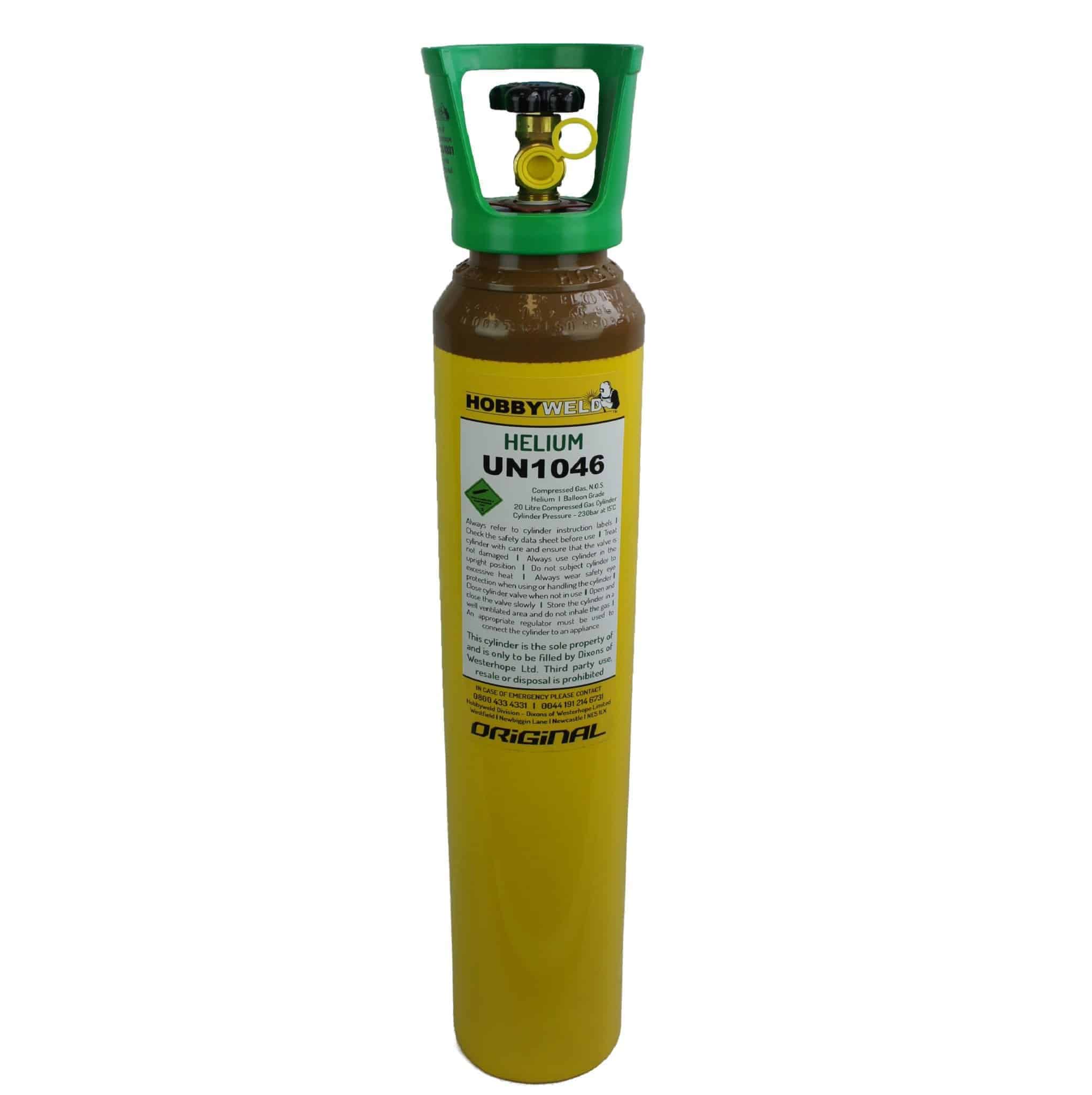
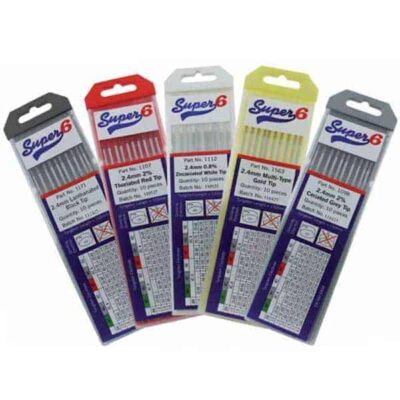
For TIG, current setting, tungsten type and size, cup size and petrol flow all need attention. Petrol flow that is too low risks contamination. Too high can create turbulence and draw air into the shielding envelope.
Most machine charts give a useful starting point, not a final answer. Experienced operators fine-tune from there based on arc behaviour, bead profile and penetration.
Prepare the joint properly
Even a capable machine cannot compensate for poor joint preparation. Mill scale, paint, galvanising, oil and rust all affect arc stability and weld quality. Clean the weld area back to bright metal where the process requires it, especially for TIG and critical MIG work.
Fit-up matters just as much. Excessive gaps, poor alignment and inconsistent root faces make it harder to control penetration and bead shape. On thicker material, edge preparation may be required to achieve full penetration. If the joint is structural or load-bearing, preparation should reflect the welding procedure and the service demands of the finished component.
Tacking should hold the joint securely without creating distortion problems later. Too few tacks can allow movement. Too many heavy tacks can interfere with travel and profile if they are not dressed correctly.
Striking the arc and controlling the weld pool
Once the machine is set and the joint is ready, focus on arc control. This is where a lot of usable guidance on how to use a welding machine becomes more practical than technical.
With MIG, maintain a consistent stick-out and travel angle. For most mild steel work, an angle around 10 to 15 degrees is a reasonable starting point. Travel too fast and the bead narrows with insufficient fill. Travel too slow and the weld becomes oversized, hotter and more prone to distortion.
With MMA, rod angle and arc length are critical. A long arc makes the weld harsh and unstable. A short, controlled arc gives better penetration and less spatter. Restarting rods cleanly also matters, particularly on multi-pass work where inclusions can start at poor restarts.
With TIG, torch angle, filler timing and arc length need coordination. Keep the arc short and shielding consistent. Dip the filler smoothly into the leading edge of the pool rather than pushing it into the tungsten path.
Across all processes, watch the weld pool rather than the arc flare. The pool tells you whether fusion is taking place at the toes, whether heat input is excessive and whether travel speed is correct.
Common faults and what they usually mean
Welding faults are often symptoms of setup or technique issues rather than machine failure.
Excessive spatter with MIG can point to incorrect voltage and wire feed balance, poor petrol coverage, wrong polarity or contaminated material. Porosity usually means shielding petrol problems, drafts, dirty parent metal or moisture in consumables.
Lack of fusion is commonly caused by low heat input, poor torch angle, excessive travel speed or bad joint preparation. Undercut often comes from too much heat, poor manipulation or moving too quickly along the joint edges.
If an MMA rod keeps sticking, amperage may be too low, the rod may be damp or the work return may be poor. If TIG welds go grey or contaminated, check petrol flow, post-flow, torch setup and tungsten condition.
The point is simple. Do not keep welding through a bad result hoping the next 100 mm will improve. Stop, inspect, adjust and run a test piece if needed.
Material thickness, duty cycle and machine limits
A common mistake is expecting a compact machine to cover every fabrication task equally well. Material thickness, duty cycle and output range all affect real-world performance.
If you are welding light sheet, a machine with finer low-end control is often more useful than one focused on high maximum amperage. If you are joining thicker plate or running longer welds, output and duty cycle become more important. Pushing a machine beyond its duty cycle leads to thermal cut-out, interrupted work and avoidable wear.
This is where buying on specification rather than headline price matters. The right machine is the one that matches your normal workload, not the one with the broadest claims on paper.
Maintenance keeps results consistent
Welding machines work in harsh environments. Dust, grinding debris, heat and impact all shorten service life if basic maintenance is ignored.
Keep wire feed systems clean and correctly tensioned. Replace worn contact tips before they start causing erratic feeding and poor arc stability. Check liners, petrol shrouds and drive rollers as routine consumable items rather than waiting for obvious failure. On MMA and TIG sets, inspect cable connections regularly and keep cooling passages clear.
Consumable storage also affects welding quality. Damp electrodes, contaminated wire and dirty filler rods introduce problems that no amount of machine adjustment will fully correct.
Getting better results from day one
If the goal is reliable output rather than trial and error, treat machine setup as part of the weld itself. Match the process to the application, prepare the joint properly, set polarity and parameters with care, and adjust based on what the weld pool shows you. That approach is far more useful than memorising one fixed method for every job.
A welding machine should give you control, not surprises. Use it with the same attention you give to fit-up, material choice and final inspection, and the work will usually tell you when you have it right.