














Blog
What Is Arc Welding Equipment?

If you are pricing a new bay, replacing ageing plant, or trying to standardise workshop kit across multiple jobs, the question is not just what is arc welding equipment, but what actually counts as essential. In practice, arc welding equipment means the power source and every supporting component needed to create, control and complete an electric arc weld safely and consistently.
For a professional buyer, that definition matters. A welding set on its own does not make a working setup. Output range, duty cycle, cable quality, torch or holder specification, earthing, shielding gas where required, consumables and operator protection all affect arc stability, weld quality and uptime. If one part of the system is under-specified, the whole process suffers.
What is arc welding equipment in practical terms?
Arc welding equipment is the collection of machines, accessories and safety items used to join metal by generating an electric arc between an electrode and the workpiece. That arc creates the heat needed to melt the parent material and, depending on the process, either a filler rod, a wire electrode or both.
The term covers several common processes. MMA, often called stick welding, uses a flux-coated consumable electrode. MIG and MAG welding use a continuously fed wire with shielding gas. TIG welding uses a non-consumable tungsten electrode and usually a separate filler rod. All three are arc welding processes, but the equipment layout is different for each.
That is why buyers should be careful with broad product descriptions. Two systems may both be sold as arc welding equipment, while one is suited to structural steel repair on site and the other is better for controlled workshop fabrication on thinner material.
The core parts of arc welding equipment
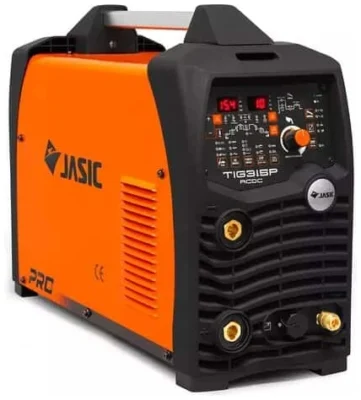
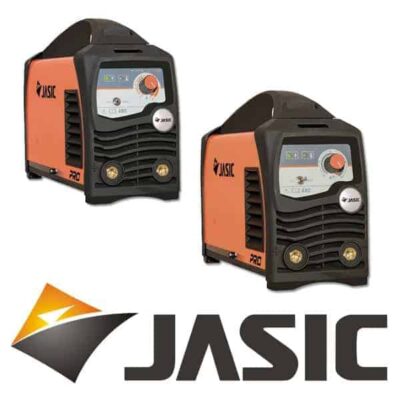
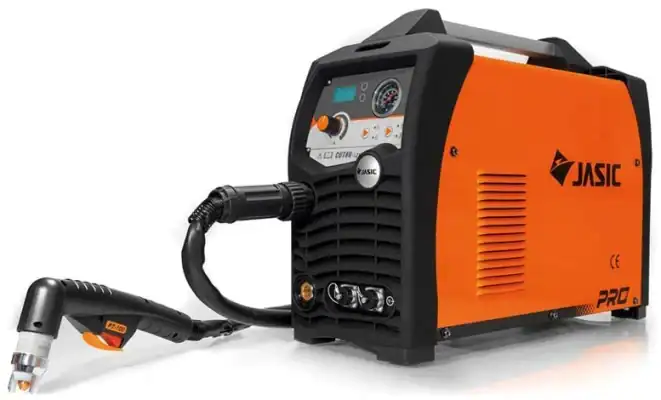
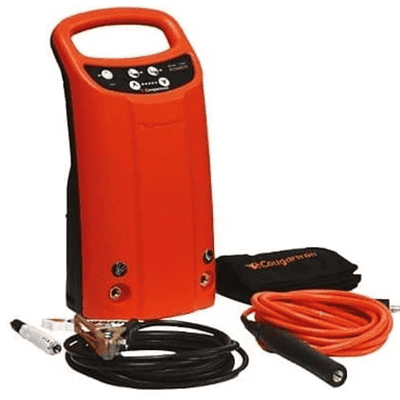
At the centre of the setup is the welding power source. This is the machine that converts electrical input into the controlled current and voltage needed for welding. Depending on the process, it may be a dedicated MMA, MIG or TIG unit, or a multi-process machine designed to cover more than one application.
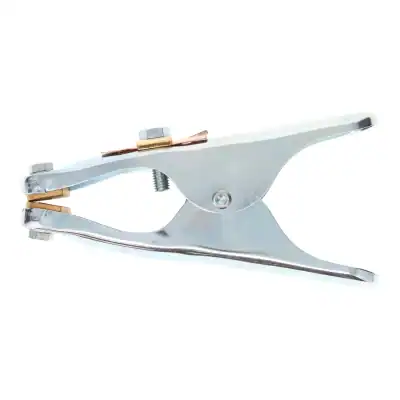
The next critical part is the welding lead set. That usually includes the electrode holder or welding torch, the work return lead and clamp, and the connectors that link them to the machine. Lead quality matters more than many buyers expect. Poor cable sizing creates voltage drop, excess heat and unstable performance, especially where longer runs are needed in larger workshops or site environments.
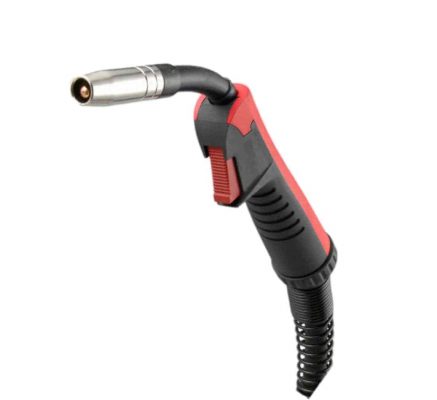
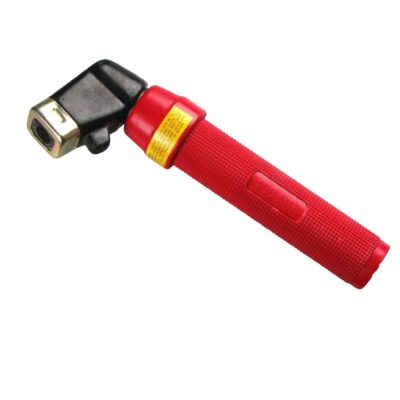
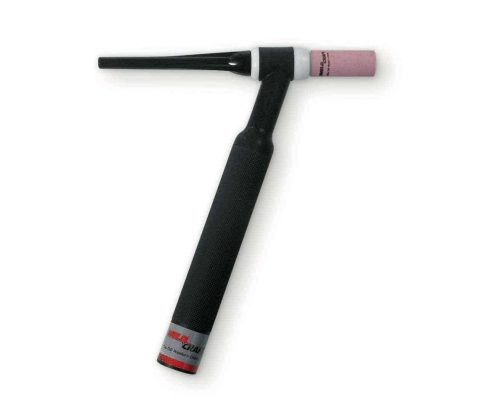
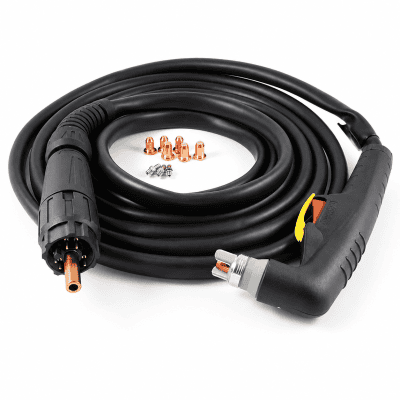
For MMA welding, the electrode holder is a key working component. It needs to grip rods securely, carry current efficiently and withstand site handling. For MIG and MAG, the torch assembly is more complex, with the trigger switch, liner, contact tip, shroud and gas flow all affecting consistency. For TIG, the torch, tungsten selection, collet system and gas coverage are central to weld appearance and control.
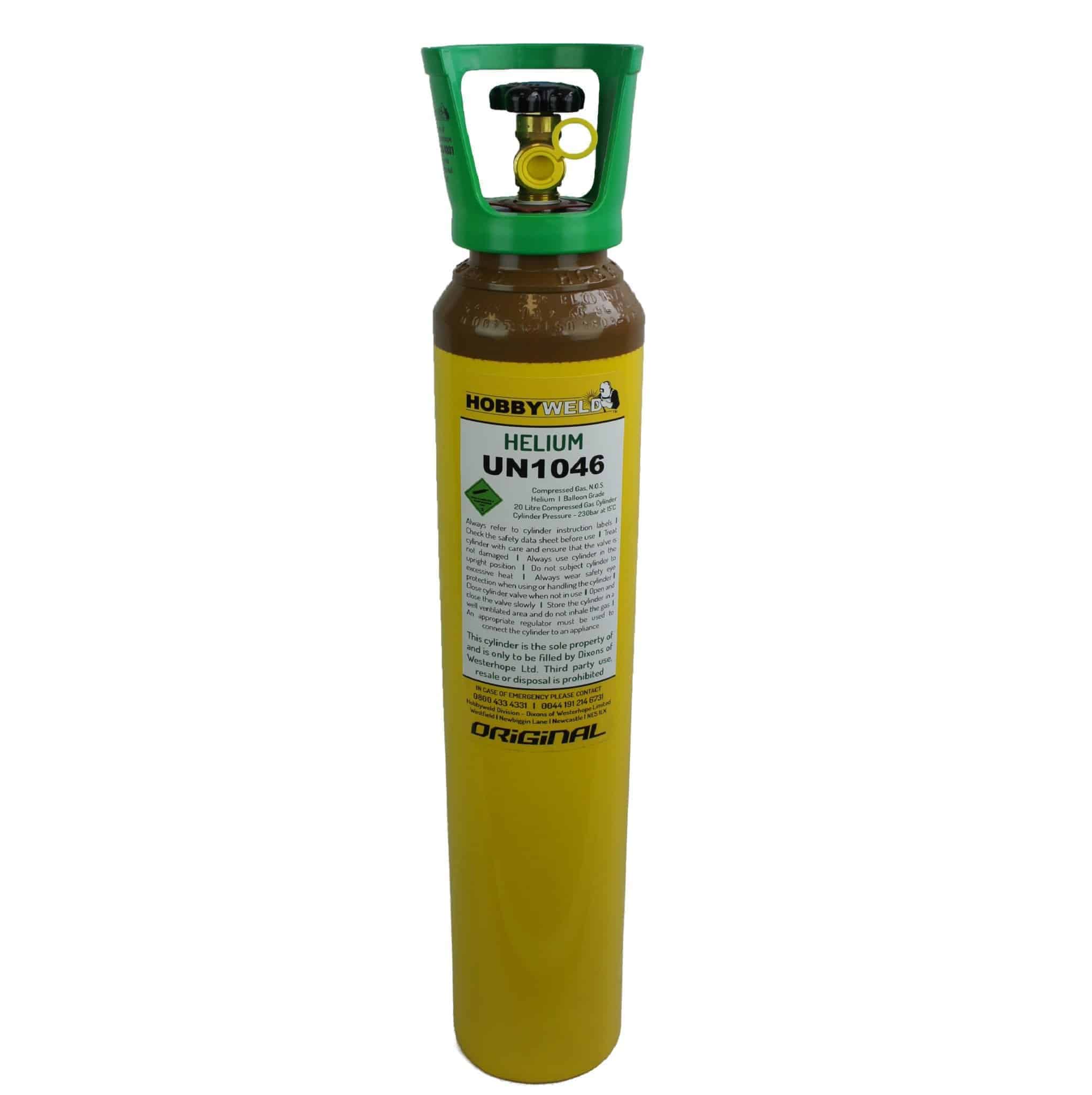
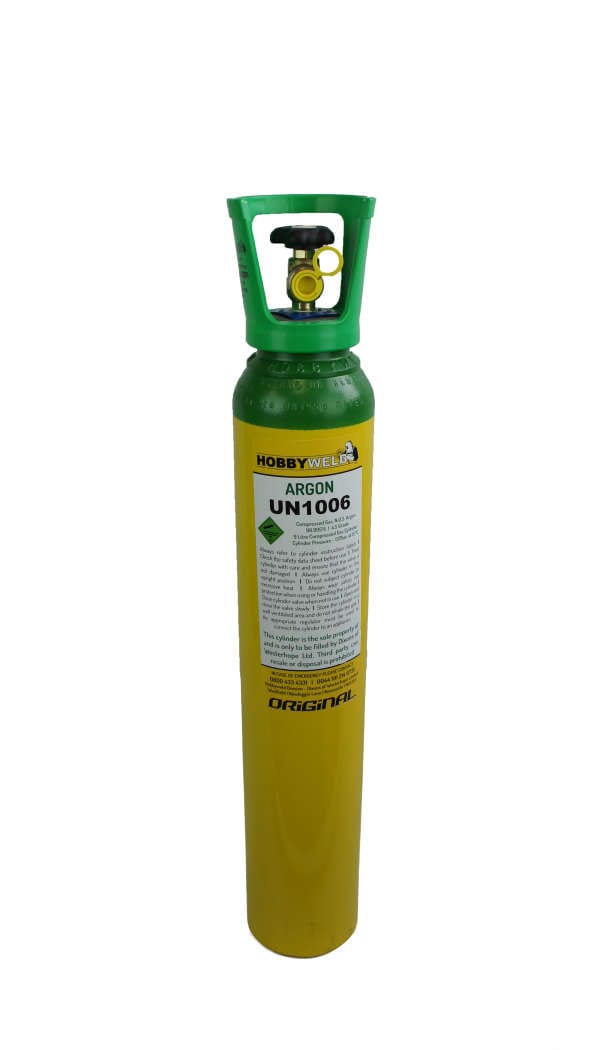
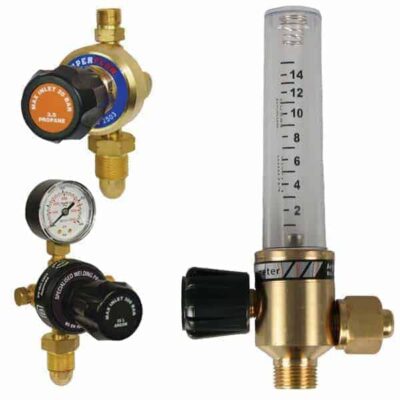
Where shielding gas is required, the gas delivery setup is part of the equipment package. That includes the cylinder connection, regulator and, where fitted, flowmeter and gas hose. A good machine cannot compensate for poor gas control. Inconsistent flow leads to contamination, porosity and unnecessary rework.
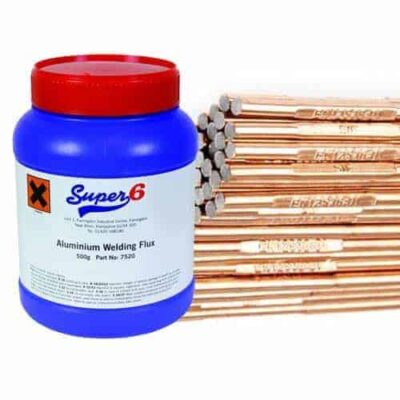
Then there are consumables. Electrodes, MIG wire, contact tips, shrouds, liners, tungsten electrodes and filler rods are not optional extras. They are part of the real operating system. If a buyer only assesses the capital cost of the machine and ignores consumable wear and replacement frequency, the numbers will not reflect actual running cost.
How the equipment changes by welding process
MMA or stick welding equipment
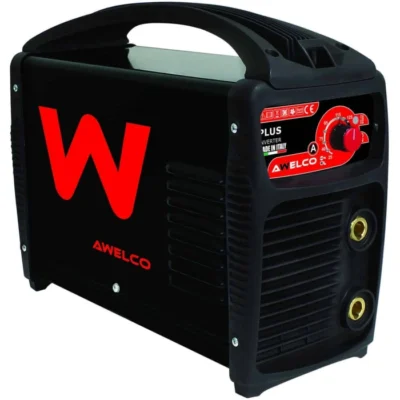
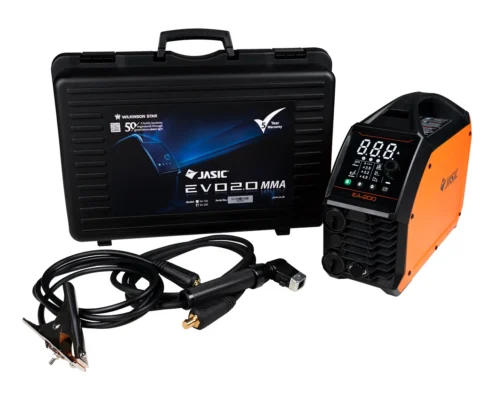
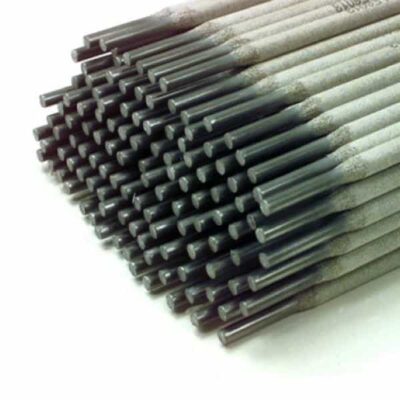
MMA setups are generally the most straightforward. You need a power source, electrode holder lead, return lead and suitable electrodes. This makes MMA a practical choice for site work, maintenance and heavier steel jobs where portability and tolerance to less-than-perfect conditions are valuable.
The trade-off is speed and finish. Slag removal is part of the process, deposition rates are lower than wire-fed systems, and operator technique has a bigger effect on consistency. For repair work outdoors or on thicker material, that is often acceptable. For repetitive fabrication in a clean shop, it may not be the most productive route.
MIG and MAG welding equipment
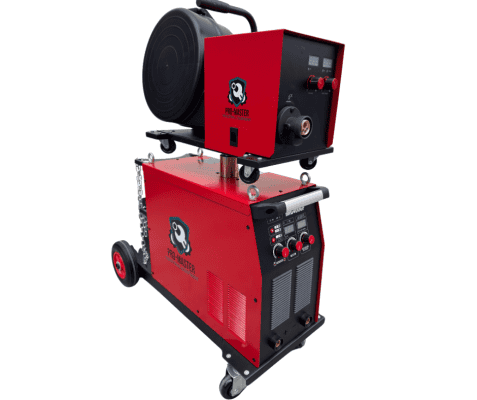
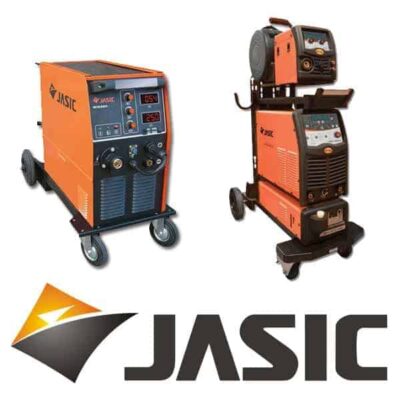
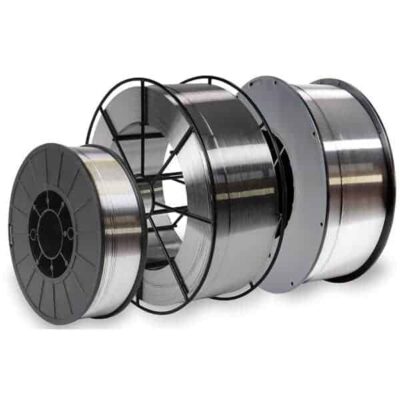
MIG and MAG systems add more components because the wire feed is part of the process. In addition to the power source, you need a wire feeder, torch, drive rolls, contact consumables and shielding gas arrangement. Many workshop fabricators favour this route because it is fast, relatively easy to control in production and well suited to mild steel fabrication.
Equipment choice here depends heavily on material thickness, expected duty cycle and wire size. A light machine may be adequate for intermittent bench work, but not for continuous fabrication or heavier sections. Wire feed quality is also a major factor. An unstable feed creates arc fluctuation that shows up immediately in bead profile and penetration.
TIG welding equipment
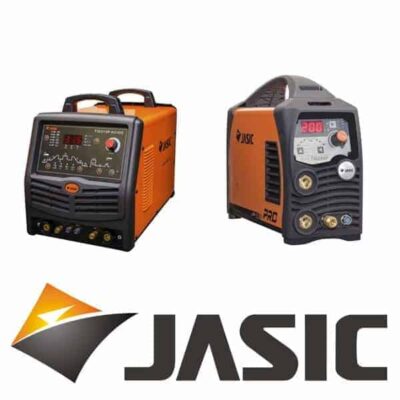
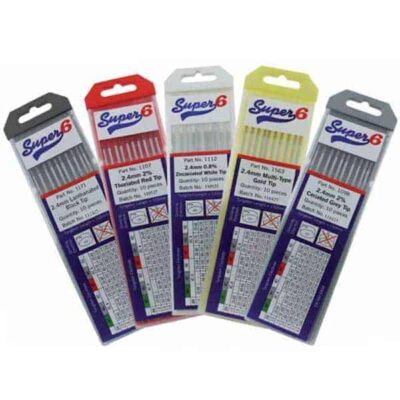
TIG equipment is selected where finish, control and weld cleanliness are priorities. The setup typically includes a power source, TIG torch, shielding gas, tungsten electrodes and often a foot or hand current control depending on the application.
This process is slower and more operator-dependent, so it is not always the right choice for production speed. But on stainless, aluminium and thinner precision work, the control it offers can justify the lower travel speed. For buyers, that means TIG kit should be assessed against actual job requirements rather than general versatility.
What buyers should check before specifying equipment
The machine rating is the starting point, not the whole decision. Output range must match the materials and processes being used. A unit that performs well on light gauge work may not have the reserve for heavier sections or prolonged duty.
Duty cycle is one of the most useful indicators for commercial use. It tells you how long the machine can operate at a given output before it needs to cool. In a fabrication environment, underestimating duty cycle leads to stoppages, frustrated operators and avoidable wear.
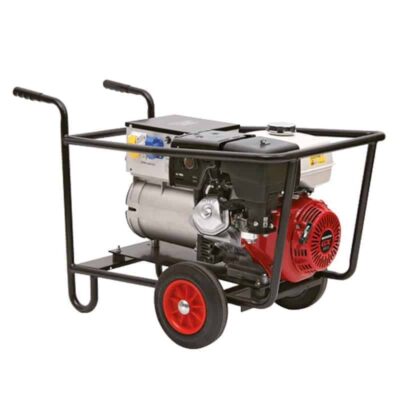
Input power also matters. Some equipment is suitable for standard single-phase supply, while larger workshop plant may require three-phase. That sounds obvious, but it still catches buyers out when machines are moved between bays, mobile jobs or customer sites.
Portability, casing strength and environmental protection should be considered as well. Site maintenance teams need compact units that can handle transport and less controlled conditions. Fixed workshop stations may place more value on output stability, wire capacity and integration with extraction and bench layouts.
Safety equipment is part of the system
Any honest answer to what is arc welding equipment must include PPE and safety control. A machine without proper operator protection is not a complete setup.
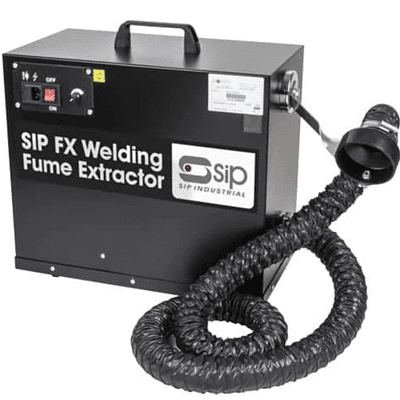
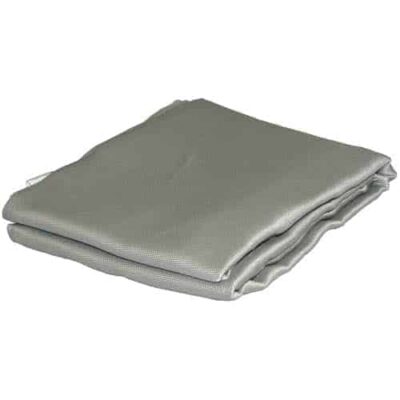
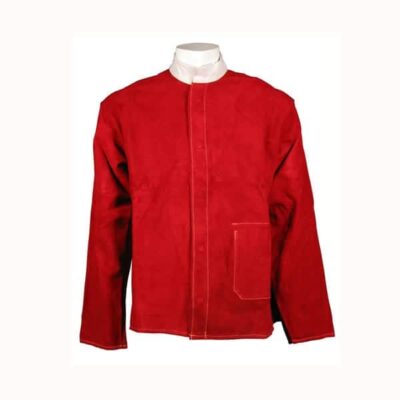
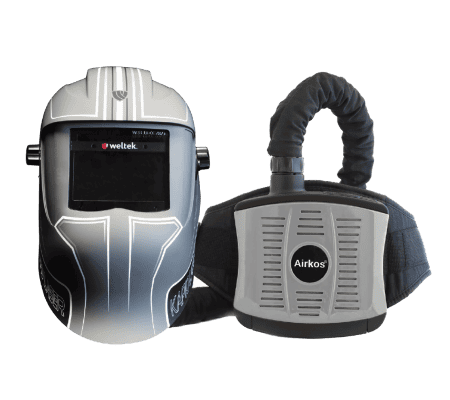
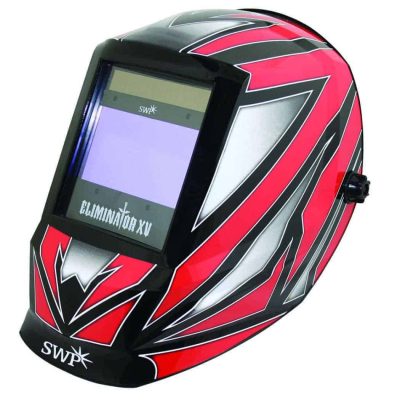
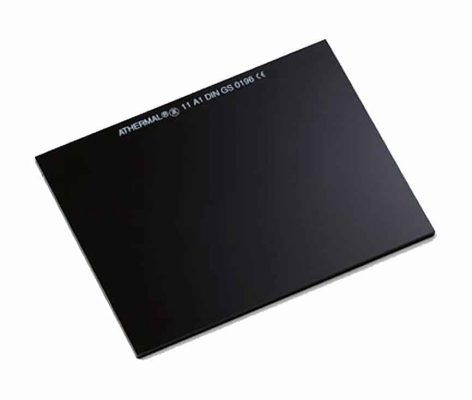
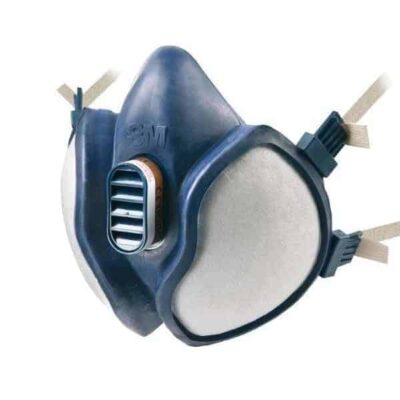
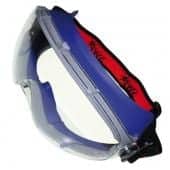
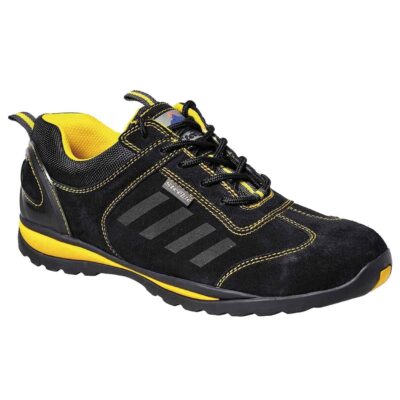
The baseline includes a suitable welding helmet, gauntlets, flame-resistant clothing and appropriate footwear. Depending on the process and environment, fume extraction, screens and respiratory protection may also be necessary. This is especially relevant in enclosed workshop spaces, repetitive production work and materials that generate hazardous fumes.
Good safety provision is not just a compliance issue. It supports productivity. Operators work better when visibility is clear, helmets are reliable and the setup is arranged to reduce fatigue and unnecessary exposure.
Common buying mistakes
One common mistake is buying on maximum output alone. A bigger machine is not automatically a better fit if most work is lighter fabrication and the unit is awkward to move, expensive to run or poorly matched to the available supply.
Another is treating all accessories as interchangeable. Torches, holders, leads and clamps vary in quality and current handling. Using low-grade supporting parts with a decent power source often creates the very performance complaints that get blamed on the machine.
A third mistake is ignoring the real application. Workshop fabrication, agricultural repair, coded pipe work and general maintenance all place different demands on arc welding equipment. The right setup depends on material type, thickness, working environment and how often the system is expected to run at load.
Matching equipment to the job
For light to medium fabrication in a controlled shop, a well-specified MIG setup is often the practical choice because it supports speed and repeatability. For mobile repair and site installation, MMA remains useful because it is simpler, more portable and less dependent on shielding gas. For high-quality finishes, thinner sections or specialist materials, TIG is often the right answer despite lower productivity.
That is why experienced buyers look beyond the label. They assess the full welding system, the duty expected from it, and the support items needed to keep it performing properly. A supplier with proper category knowledge can help avoid mismatched kit and the downtime that follows.
Arc welding equipment is not one product. It is a working package of power source, leads, torches or holders, gas control where required, consumables and safety gear, all chosen to suit the process and the job. Get that package right and the welding operation is easier to control, easier to maintain and far more likely to deliver consistent results on the floor.