











Blog
Section Rolling Machinery Explained
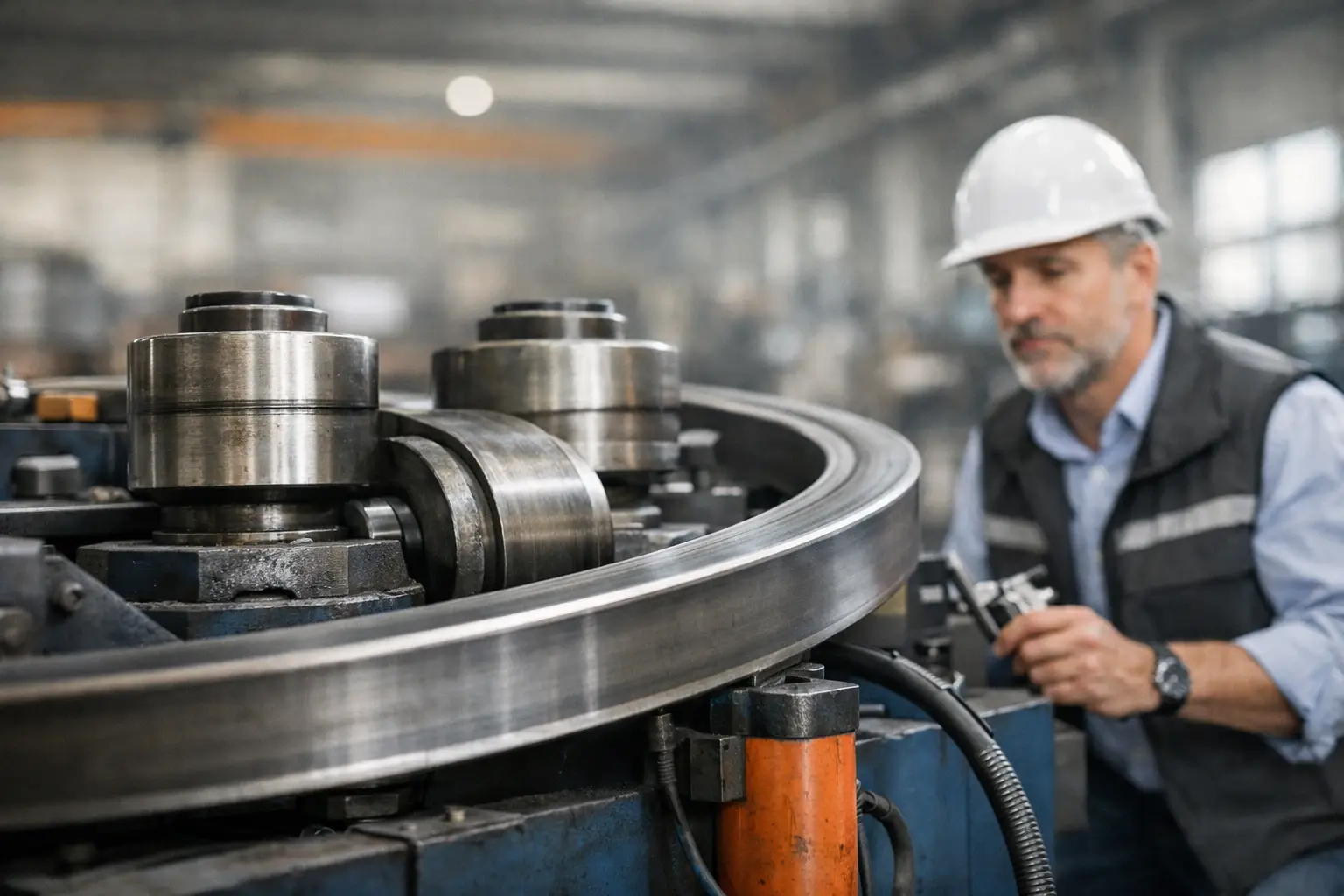
A 60 x 60 angle that needs to follow a clean radius will expose weak equipment very quickly. If the profile twists, marks, or springs back beyond tolerance, the problem is rarely the operator alone. In most workshops, section rolling machinery either keeps jobs moving or creates rework, wasted stock and delays.
For fabrication businesses, this equipment sits in a practical space between press work and full bending systems. It is used to curve structural and ornamental sections into repeatable shapes without crushing the profile. That makes it relevant across gates, handrails, frames, canopies, support structures, plant components and general metalwork where formed section has to look right and fit first time.
What section rolling machinery does
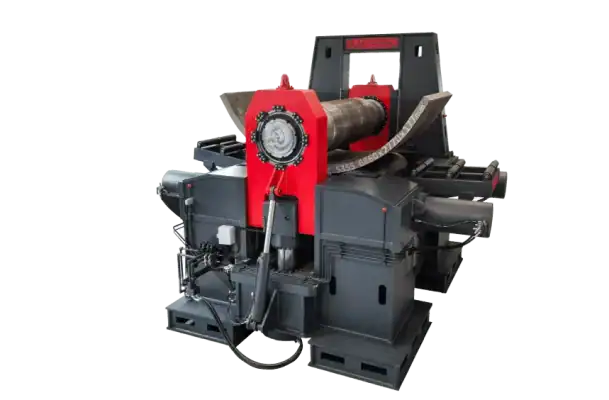
Section rolling machinery is designed to bend metal sections gradually by passing them through three rollers. Instead of forcing the material into shape in one hit, the machine applies progressive pressure and feed. That controlled deformation is what allows angle, flat bar, square tube, round tube, channel, T section and solid bar to be rolled into arcs or rings with less risk of local damage.
The basic principle is straightforward. Two rollers support and drive the section while a third roller applies pressure to create the bend. The more precisely that pressure is set and repeated, the more reliable the finished radius will be. On lighter work, that can be managed with manual adjustment. On heavier sections or repeat production, hydraulic movement and powered feed make a clear difference.
In practice, not every profile behaves the same way. Flat bar rolled the easy way is simple enough. Flat rolled the hard way is another matter. Angle can roll leg in or leg out. Box section can deform if tooling is poor or pressure is excessive. That is why machine capacity on paper only tells part of the story.
Where section rolling machinery earns its place
The value of section rolling machinery is not just that it can bend steel. Plenty of methods can do that badly. Its real value is in producing controlled curves on section material that still needs to be fabricated, welded and installed without correction work.
In workshop terms, that matters when jobs involve repeat pieces, visible architectural metalwork or structural parts that have to match templates. If a contractor is producing multiple hoop sections, curved guards or rolled frame members, consistency is what protects margin. One poor radius can affect fit-up, weld preparation and site installation.
It also matters when material cost is high. Stainless, aluminium and heavier hollow section are not forgiving if they are marked, flattened or scrapped. A capable rolling machine with the right roller set reduces handling damage and helps maintain section integrity.
Types of section rolling machinery
Most buyers will come across manual, powered and hydraulic machines. The right choice depends less on headline tonnage and more on section size, frequency of use and how tight the tolerances need to be.
Manual machines
Manual section rollers are suited to lighter materials, smaller workshops and occasional use. They can be a sensible option for flat, round and light tube where production volume is low. The advantage is cost and simplicity. The trade-off is speed, effort and consistency when heavier work or repeat jobs are involved.
Powered machines
Powered machines improve feed control and reduce operator effort. For many fabrication shops, this is the practical middle ground. They allow more accurate repeat work, better handling of longer lengths and more efficient processing of common workshop sections.
Hydraulic machines
Hydraulic section rolling machinery is typically chosen for larger profiles, thicker wall sections and production environments where repeatability matters. Roller positioning is more controlled, forming force is higher and the machine is better suited to demanding work. The cost is higher, but so is the capability.
What to check before buying
Capacity figures are usually the first thing people look at, but they are often misunderstood. A machine may list a maximum size for angle, pipe or box section, yet that figure can depend on material grade, wall thickness, bend orientation and whether the section is being rolled to a gentle curve or a tighter radius.
Tooling matters just as much as frame size. If the rollers do not properly support the profile, deformation becomes likely. This is especially important with hollow section, polished material or profiles that need to remain visually clean. A machine with broad nominal capacity but poor tooling support can still produce poor work.
Roll diameter, shaft strength and frame rigidity should also be checked properly. On heavier sections, flex in the frame or shafts affects repeatability and can introduce variation between parts. For buyers running regular production, this is not a minor issue. It directly affects quality control.
The drive arrangement is another point worth checking. Machines that drive only one roller can struggle on certain profiles or longer lengths, particularly where traction is inconsistent. Dual driven rollers generally offer better feed stability.
If ring production is part of the workload, ask how the machine handles closure and finishing. Some machines are better suited to open arcs than full rings. The closer the roller configuration allows forming to the ends, the less finishing work is needed afterwards.
Material behaviour and bending quality
Even good section rolling machinery cannot ignore material behaviour. Mild steel, stainless steel and aluminium respond differently under load. Section geometry also changes the result. A large radius on thin wall tube may be straightforward on one alloy and problematic on another.
Springback is a routine factor. The section will relax slightly after pressure is released, so the machine has to compensate for that. Experienced operators account for it as part of the process, but the machine needs fine enough adjustment to make that practical. Crude adjustment leads to trial-and-error rolling, and that wastes time.
Surface finish should not be treated as an afterthought. If the finished section is visible in handrails, architectural trim or exposed frames, roller marking becomes a real cost. Protective tooling, proper roller profiles and clean machine condition all help avoid unnecessary damage.
Operational factors that affect productivity
A section roller is only productive if it is straightforward to set and repeat. On one-off work, setup time may be acceptable. On batch work, awkward adjustment and poor referencing become a bottleneck.
Look at how roller positions are measured and returned. Machines with clear scales, digital readout or reliable hydraulic positioning make repeat setups faster. If every job starts from guesswork, the machine will consume labour even when the actual rolling time is short.
Material handling also needs thought. Long lengths of section need infeed and outfeed support, especially when working on heavier tube or channel. Without proper support, the section can sag, twist or pull against the rollers, which affects the curve. In many workshops, the machine is blamed for issues created by poor handling around it.
Noise, maintenance access and operator control layout are worth considering as well. These are not glamour points, but they matter over years of use. A machine that is awkward to lubricate or adjust tends to receive less attention, and performance drops accordingly.
Common buying mistakes
One of the most common mistakes is buying too close to the current job. A machine chosen for a single contract can quickly become limiting if the workshop takes on slightly heavier or more awkward profiles later. Sensible headroom is usually worth paying for.
Another mistake is focusing on maximum section size without asking what radius is achievable on that section. Those are not the same thing. A machine may handle the material physically but still struggle to produce the required curve cleanly.
Buyers also sometimes overlook training and process control. Section rolling looks simple until tolerance, finish and repeatability matter. A capable machine still needs correct setup, sensible pass strategy and an operator who understands how the section is reacting.
When section rolling machinery is the right investment
If curved section work is regular, subcontracting can become expensive and slow. Lead times, transport, quality variation and communication over tolerances all add friction. Bringing the work in-house makes sense when the volume is there, when turnaround matters, or when rolled sections are feeding directly into welded assemblies and site deadlines.
For smaller workshops, the decision often comes down to whether curved work is occasional or becoming routine. If it is appearing across balustrades, supports, frames and repair work, section rolling machinery starts to justify its floor space. It gives better control over scheduling and reduces dependence on outside forming services.
For larger fabrication businesses, the case is usually about throughput and repeatability. A machine that consistently produces correct radii with less rework supports welding efficiency, fitting accuracy and overall delivery performance.
Choosing section rolling machinery is not about buying the largest unit available. It is about matching capacity, control and tooling to the sections you actually process and the standard of finish your work demands. Get that right, and the machine becomes part of a dependable workflow rather than another source of correction work. If your jobs increasingly involve rolled angle, tube or channel, this is one of the clearest places to invest in accuracy before problems reach the weld bench.