








Blog
What Causes Porosity in Welds?
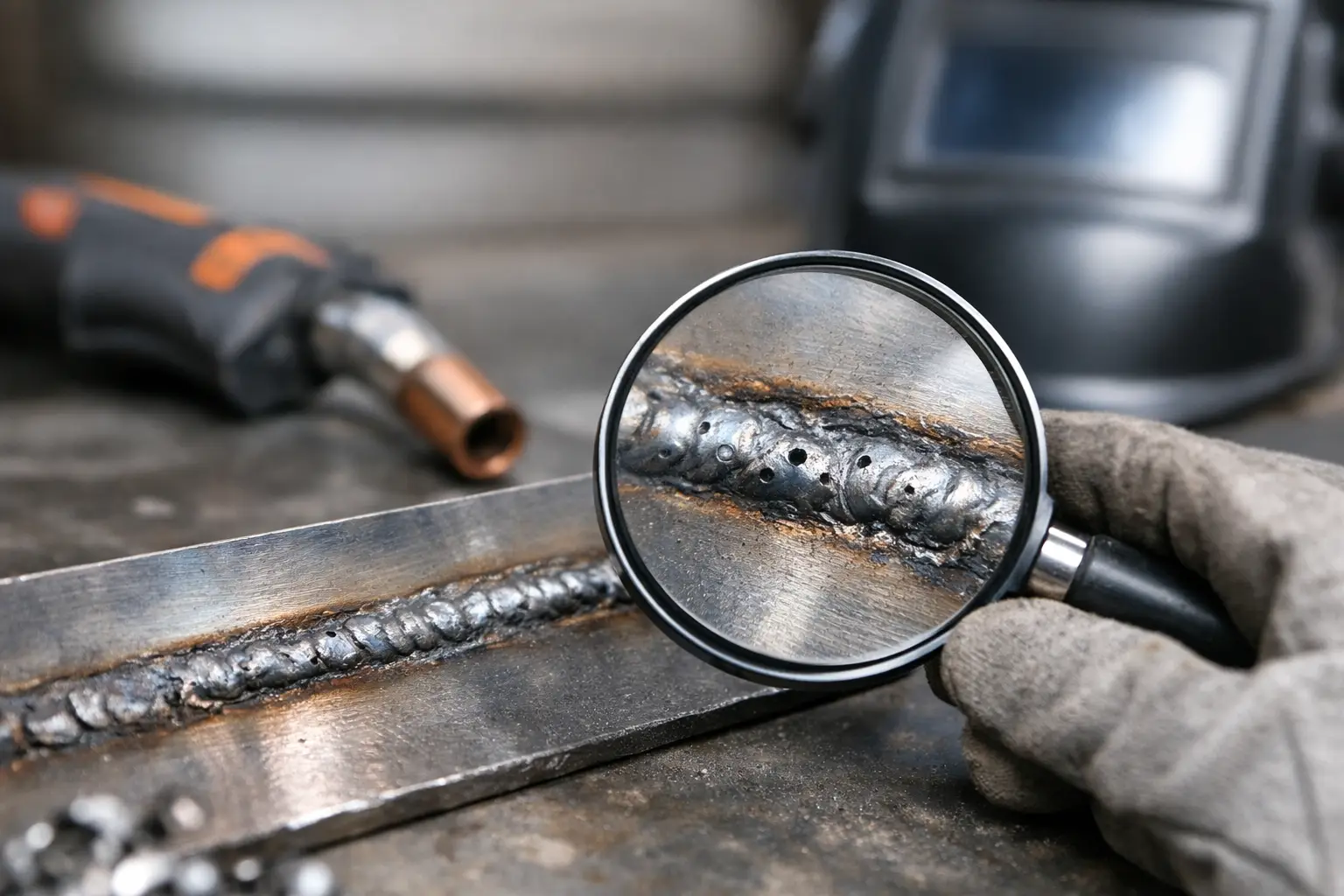
A weld that looks sound on the surface can still fail inspection once porosity shows up in the bead, on a fracture face, or under test. If you are asking what causes porosity in welds, the short answer is trapped gas in the molten weld pool. The more useful answer is that porosity is usually a process control problem – and often a combination of contamination, shielding failure, consumable condition, and technique.
Porosity matters because it reduces weld integrity, affects appearance, and can lead to costly rework. In production, it also wastes gas, wire, time, and labour. For fabrication shops and maintenance teams, recurring porosity is rarely random. There is usually a root cause that can be found if the weld zone, consumables, and parameters are checked in a methodical way.
What causes porosity in welds most often
Porosity forms when gas becomes trapped in the weld metal as it solidifies. If the gas cannot escape before the pool freezes, it leaves cavities behind. These may appear as fine pinholes, larger isolated pores, or clusters distributed through the weld.
In practical workshop conditions, the most common sources are poor shielding gas coverage, dirt on the parent material, moisture, oil, paint, rust, or contaminated filler materials. Arc instability and incorrect settings can add to the problem by creating a turbulent pool or poor fusion conditions that hold gas in place.
The exact cause depends on the welding process. MIG and TIG porosity often points straight to shielding issues or surface contamination. MMA can be more sensitive to damp electrodes and poor storage. Flux-cored processes bring their own variables, especially if wire condition, stick-out, or gas setup are off.
Surface contamination and joint condition
Dirty steel is one of the first places to look. Mill scale, rust, primers, galvanising, cutting residue, grease, and workshop dust all introduce gases or impurities into the weld pool. Aluminium is especially unforgiving because oxide layers and hydrocarbons can quickly create pore formation if preparation is poor.
This is where experienced welders often solve the issue fastest. Before changing machine settings, check the joint. If the prep is inconsistent, no amount of parameter adjustment will fully compensate. Contaminants break down under heat and release gases right where you do not want them.
Tight joints can also contribute. If a joint traps contamination at the root or leaves no path for gases to escape, porosity can increase. The fit-up, edge prep, and cleanliness of both sides of the joint all matter. On repeat production work, variation between batches of material can be enough to trigger intermittent defects.
Shielding gas problems
If contamination is not the issue, shielding gas is the next likely cause. In gas-shielded welding, the molten pool must be protected from atmospheric oxygen, nitrogen, and hydrogen. Once that gas envelope is disturbed, the weld can absorb unwanted gases and form pores as it cools.
Low gas flow is an obvious fault, but high gas flow can be just as bad. Too much flow creates turbulence and draws air into the arc zone. That is why simply turning the regulator up is not always the fix. The right flow rate depends on the process, nozzle size, position, and local conditions.
Leaks anywhere between the cylinder and torch can also reduce shielding without it being immediately obvious. Perished hoses, loose fittings, damaged torch necks, blocked nozzles, and worn seals are all common workshop causes. Spatter build-up inside the nozzle can disrupt coverage, especially on long runs.
Drafts are another frequent problem. Extraction, open doors, fans, and site conditions can blow shielding away even when flow rates look correct. This catches out many otherwise sound setups. A weld that behaves perfectly in a controlled bay may become porous on the shop floor or on-site if air movement is stronger than expected.
Moisture and hydrogen sources
Moisture is a major contributor to porosity, particularly with consumables and materials that have been stored badly. Water may come from condensation on plate, damp electrodes, wet flux, or compressed air systems carrying moisture into the work area.
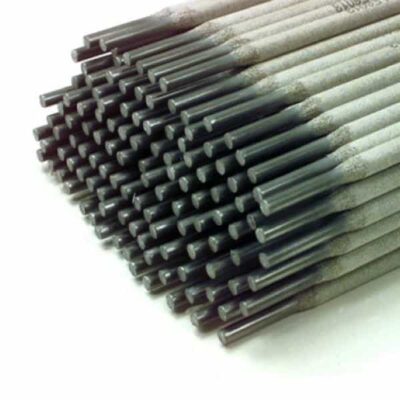
In MMA welding, damp electrodes are a known source of trouble. If low-hydrogen rods have absorbed moisture, weld quality can deteriorate quickly. In gas processes, moisture on the workpiece or filler wire can have the same effect. Cold material brought into a warm shop can sweat, and that thin film is enough to create problems.
This is one of the reasons storage discipline matters. Consumables should be kept dry, sealed where required, and handled according to specification. The same applies to parent material stored outdoors or in unheated areas. If the job is critical, assume nothing and check condition before striking an arc.
Parameter and technique errors
Technique has a direct effect on porosity. Excessive travel speed can freeze the weld before gases escape. Incorrect torch angle can disturb shielding. Long arc length in MIG or MMA can make the arc less stable and increase atmospheric contamination.
Electrical settings also matter. If voltage, wire feed, or amperage are outside the proper range for the joint and material thickness, the pool may not behave as intended. Too cold and gases may not clear. Too hot and turbulence can increase. There is no universal setting that prevents porosity across every job. It depends on process, position, thickness, and joint design.
Contact tip to work distance is another practical issue in MIG welding. Too much stick-out reduces shielding effectiveness and can alter arc characteristics. On repetitive fabrication work, worn consumables can gradually shift performance until porosity appears without any deliberate setup change.
Process-specific causes of porosity in welds
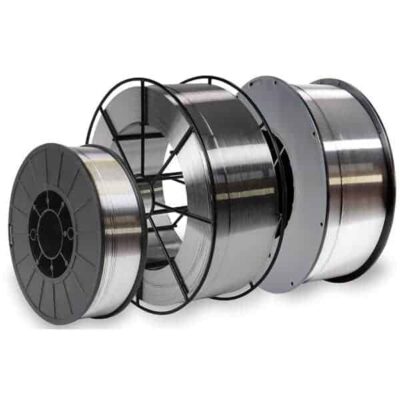
MIG welding commonly suffers porosity from poor gas shielding, contaminated plate, dirty wire, and nozzle spatter. If the wire has surface contamination or has been left exposed in poor conditions, it can feed trouble straight into the weld. Gas mix selection also plays a part, especially when it does not suit the material or transfer mode.
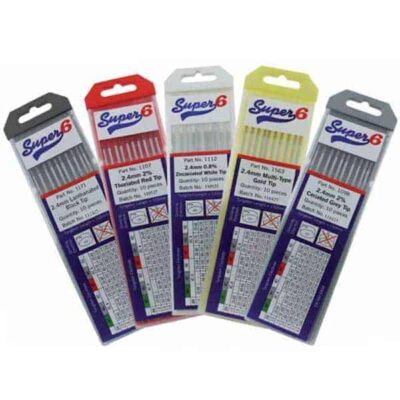
TIG welding tends to show porosity when cleanliness is poor, filler rods are contaminated, or gas coverage is interrupted. Tungsten condition matters too. A damaged or contaminated tungsten can destabilise the arc and affect weld pool behaviour. Back purging may also need checking on stainless applications where root protection is part of the procedure.
MMA welding often points back to electrodes and storage. Damp rods, poor arc control, or contaminated parent metal are typical causes. Flux-cored welding can be affected by gas coverage on dual-shield wire, or by parameter issues and poor wire condition on self-shielded applications. With any process, the details matter more than assumptions.
How to diagnose porosity without wasting time
The quickest way to deal with porosity is to avoid changing five things at once. Start with the weld zone and consumables. Check material cleanliness, filler condition, and any signs of moisture. Then inspect the gas path from cylinder to torch, including flow rate, hose condition, regulator performance, and nozzle cleanliness.
After that, look at environmental factors. If the job location has changed, drafts may be the issue even if the machine setup has not. Then review parameters against the procedure or proven settings for that joint. If porosity is only appearing at starts and stops, gas pre-flow, post-flow, or technique may be involved rather than the whole setup.
Pattern matters. Fine distributed pores suggest one kind of fault, while isolated larger cavities may suggest another. If the defect is only on one material batch, suspect contamination or surface finish. If it appears across different jobs, suspect gas delivery, moisture, or consumable handling.
Preventing porosity in production and repair work
Prevention is mostly about control. Clean the joint properly, store consumables correctly, and keep the gas system in good order. Make sure flow rates are appropriate rather than excessive, and do not overlook drafts from extraction or open bays.
For repair work, be more cautious. Painted, corroded, oil-soaked, or previously welded components often hide contamination below the surface. Grinding the top layer may not be enough. Maintenance teams see this regularly on plant equipment, agricultural machinery, and structural repairs where service contamination has worked into the joint area.
In production, consistency is the bigger issue. The setup that works once needs to work all week. That means checking torches, liners, tips, nozzles, and gas fittings before they become the hidden cause of reject welds. It also means matching consumables to the application rather than treating wire, rods, and gas as interchangeable.
Porosity is rarely complicated once the source is isolated, but it can be expensive when it is left to repeat. A clean joint, dry consumables, stable shielding, and controlled technique usually solve most cases. If the weld is still showing gas pores after that, the answer is not to guess harder – it is to inspect each variable properly and remove the weak point from the process.