







Blog
What Is Welding Safety Equipment?
A weld that passes inspection is no use if the operator ends the shift with arc eye, a burn injury or fume exposure. That is the real answer to what is welding safety equipment – it is the full set of PPE, extraction, screening and site controls used to protect the welder and everyone nearby from the hazards created by welding and cutting.
For professional fabrication, safety equipment is not a single item and it is not limited to a helmet. The risk profile changes with process, parent material, filler, position, environment and job duration. A bench MIG job in a well-laid-out workshop needs one level of control. Overhead MMA repair work in a confined area needs another. Buying the right equipment starts with understanding what you are trying to protect against.
What is welding safety equipment in practical terms?
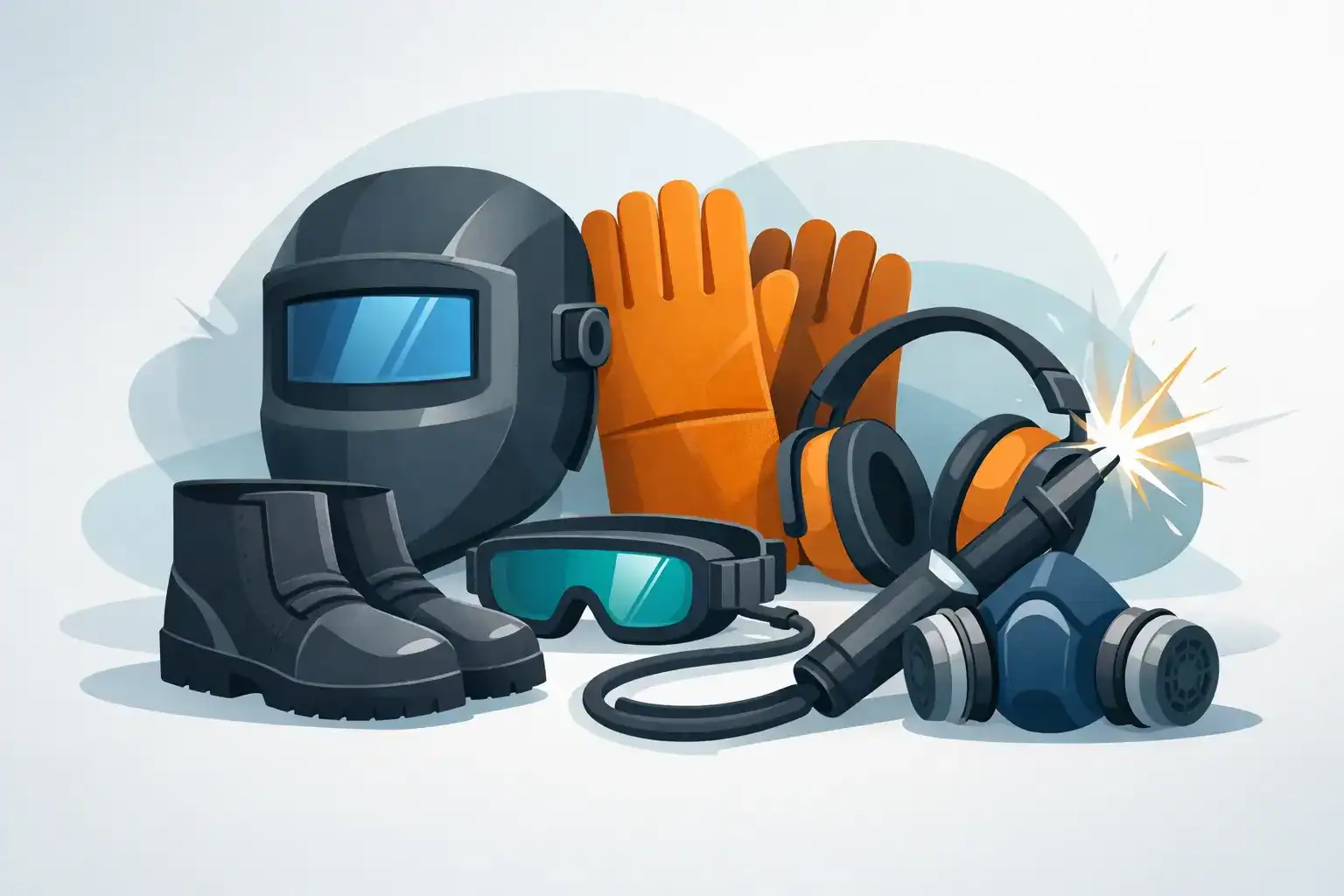
In practical workshop terms, welding safety equipment covers anything specifically used to reduce exposure to heat, sparks, UV and IR radiation, molten metal, electric shock, fumes, petrol and mechanical impact. Some of it is worn by the operator, such as helmets, gauntlets, jackets and safety boots. Some of it protects the work area, such as welding screens and extraction systems. Some of it supports emergency response, including fire extinguishers, burn dressings and first aid supplies.
That distinction matters because many buyers focus heavily on personal protective equipment and under-specify the surrounding controls. PPE is the last line of defence. If fume extraction is poor, if screening is missing, or if hot work is carried out near flammable materials, the operator is still exposed even when wearing decent kit.
The main hazards welding safety equipment is designed to control
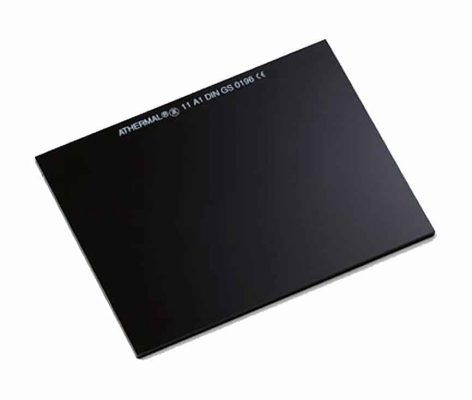
The first hazard is optical radiation from the arc. Welding arcs generate intense ultraviolet and infrared radiation, along with visible light. Without the correct helmet lens shade and face protection, the result can be arc eye, skin damage and long-term eye strain.
The second is heat and molten spatter. Even routine welding throws off sparks and hot metal. That is why clothing needs to be flame-resistant and close-fitting, with no exposed cuffs or synthetic fabrics that can melt onto the skin.
The third is fume and petrol exposure. Different processes and materials generate different contaminants. Mild steel work presents one risk level, while stainless, galvanised or coated materials can create much more serious airborne hazards. The right response may be local fume extraction, powered air respiratory protection, or both.
Then there is electric shock, especially in damp conditions, on site, or when equipment and leads are poorly maintained. Add impact, noise, slips and burns from handling hot workpieces, and it becomes clear why welding safety equipment must be selected as a complete system rather than as individual purchases.
Personal protective equipment for welding
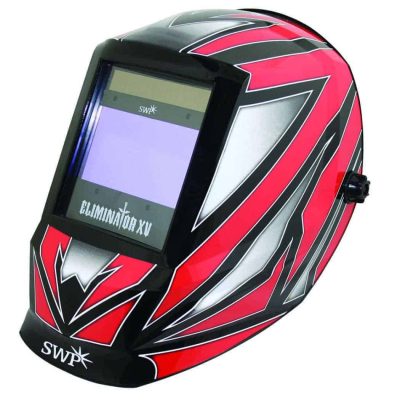
The welding helmet is usually the first item people think of, and for good reason. A properly rated helmet protects the eyes and face from radiation, sparks and spatter. For production work, many buyers prefer auto-darkening helmets because they improve visibility before arc start and reduce repetitive hood movement. That said, not every helmet suits every application. Lens clarity, reaction speed, grind mode, side coverage and headgear comfort all affect day-to-day use.
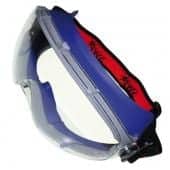
Under the helmet, suitable eye protection still matters. Safety spectacles are often overlooked, but they protect against grinding debris, handling risks and particles when the helmet is raised. For operations involving cutting or dressing welds, this is basic workshop discipline.
Welding gauntlets need to match the process. Heavy gauntlets provide strong heat and spatter resistance for higher-heat applications, while lighter styles can offer better dexterity for TIG work. There is always a trade-off between protection and feel. If gloves are too bulky for the task, operators often work around them, which defeats the point.
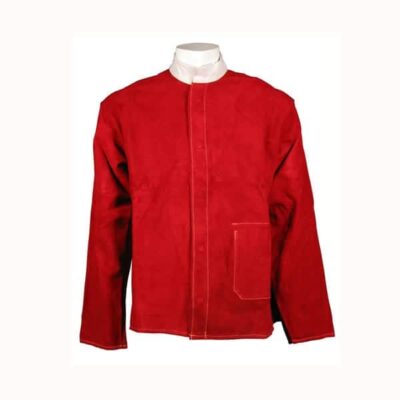
Jackets, aprons, sleeves and trousers should be flame-resistant and suited to the work position. Overhead or positional welding usually calls for more upper-body and neck protection than flat bench work. Clothing should also fit properly. Loose garments catch sparks; tight garments restrict movement. Both create avoidable risk.
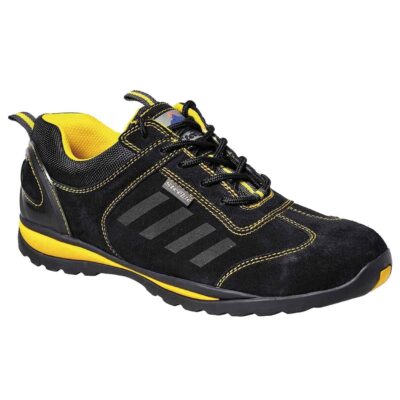
Foot protection is equally important. Safety boots for welding should provide toe protection, sole grip and resistance to heat and spatter. Designs with metatarsal protection or covered laces can be a good choice where falling slag and hot fragments are common. Standard site boots are not always enough if they leave stitching or laces exposed.
Respiratory protection and fume extraction
If there is one area commonly underestimated, it is fume control. General workshop airflow is not the same thing as extraction. Opening a roller door might improve comfort, but it does not reliably remove contaminants from the welder’s breathing zone.
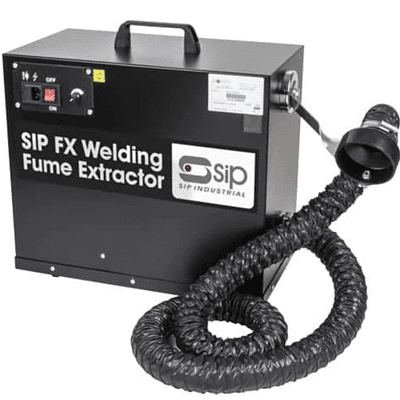
Local exhaust ventilation is often the most effective fixed control because it captures fumes close to source. For bench welding, extraction arms and hoods can work well if they are correctly positioned and maintained. In larger fabrication areas, downdraught benches or more structured extraction layouts may be more suitable.
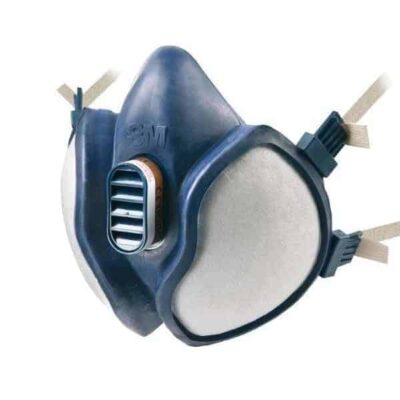
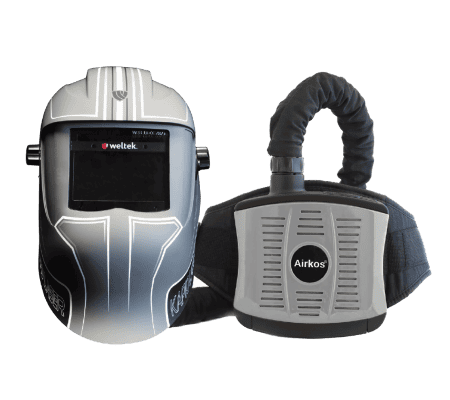
Respiratory protective equipment becomes especially relevant where extraction is limited, work is mobile, or the material being welded increases risk. Disposable masks may have a place for some light tasks, but they are not a universal answer. Face fit, filtration rating and duration of use all matter. For longer shifts and more demanding environments, powered air systems can improve both protection and comfort, particularly when combined with compatible welding head protection.
This is a category where the cheapest option often becomes the most expensive. Poor respiratory protection contributes to fatigue, poor compliance and higher long-term health risk. Buyers should think in terms of exposure control, not just box-ticking.
Area protection and workshop controls
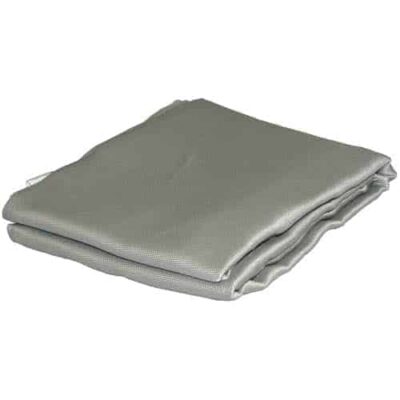
Welding safety equipment also includes measures that protect other people in the workspace. Welding screens and curtains help shield nearby staff from arc flash and contain sparks in busy workshops. They are especially useful in shared fabrication spaces where fitting, grinding and welding happen side by side.
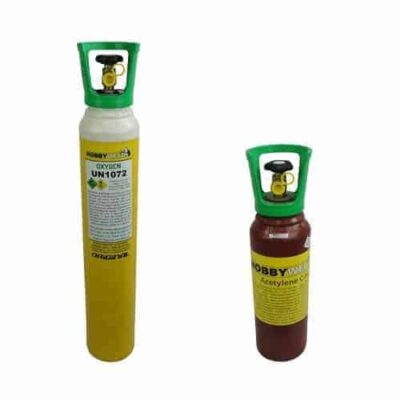
Fire safety equipment is part of the same picture. Hot work generates ignition risk long after the arc stops. Suitable extinguishers, fire blankets where appropriate, and a clear hot-work procedure all reduce the chance of a minor spark becoming a serious incident. The storage of petrol cylinders, housekeeping around combustible waste and separation from flammable materials matter just as much as the extinguisher on the wall.
Insulated mats, cable protection and routine lead inspection also belong in the conversation. Electrical safety is often managed through maintenance rather than visible PPE, but it is still welding safety equipment in a broad operational sense. Damaged torch lines, poor earth returns and worn connectors increase risk and reduce welding performance at the same time.
How to choose the right welding safety equipment
The right specification depends on process and environment. MIG, TIG, MMA, plasma cutting and oxy-fuel work all create different combinations of arc intensity, spatter, fumes and heat. Material type changes the requirement again. So does the work area. A controlled fabrication bay is one thing; site repairs, shutdown maintenance and outdoor structural work are another.
Start with the task, not the catalogue. Consider whether the operator is welding at a bench, in position, overhead, in a confined area or in a draughty yard. Review whether the workpiece has coatings or contamination. Decide what can be engineered out first through extraction, screening and layout. Then specify PPE to match the residual risk.
Comfort should not be treated as a soft issue. If a helmet gives poor visibility, if gauntlets restrict torch control, or if a respirator is too awkward for long use, compliance drops. Trade users know this already. Equipment has to work in real conditions, for full shifts, without making the job harder than it needs to be.
It is also worth standardising where possible. Workshops that buy compatible, trade-grade PPE and consumables usually get better consistency, easier replacement and fewer delays. That matters for productivity as much as safety.
Common buying mistakes
One common mistake is treating all welding helmets as equal. Optical class, coverage, sensor performance and headgear build quality vary widely. Another is buying gloves and clothing without considering process-specific dexterity and heat exposure.
A bigger mistake is assuming PPE alone solves fume risk. It does not. If extraction is poor, the problem remains. The same applies to workshop layout. Screens, storage and housekeeping are basic controls, but they are often overlooked until there is a near miss.
There is also a tendency to buy for minimum compliance instead of regular use. For professional environments, that approach usually fails. Better specified equipment tends to last longer, fit better and be used properly. For buyers responsible for teams, that is the more practical decision.
Welding safety equipment is best viewed as working protection, not as an accessory line item. When it is chosen properly, it supports weld quality, operator confidence and uninterrupted production. If you are reviewing what to stock for a workshop or site team, focus on the actual hazards of the job and buy equipment that will stand up to daily industrial use. That is where safe welding starts.