











Blog
When Is Preheat Needed for Welding Steel?
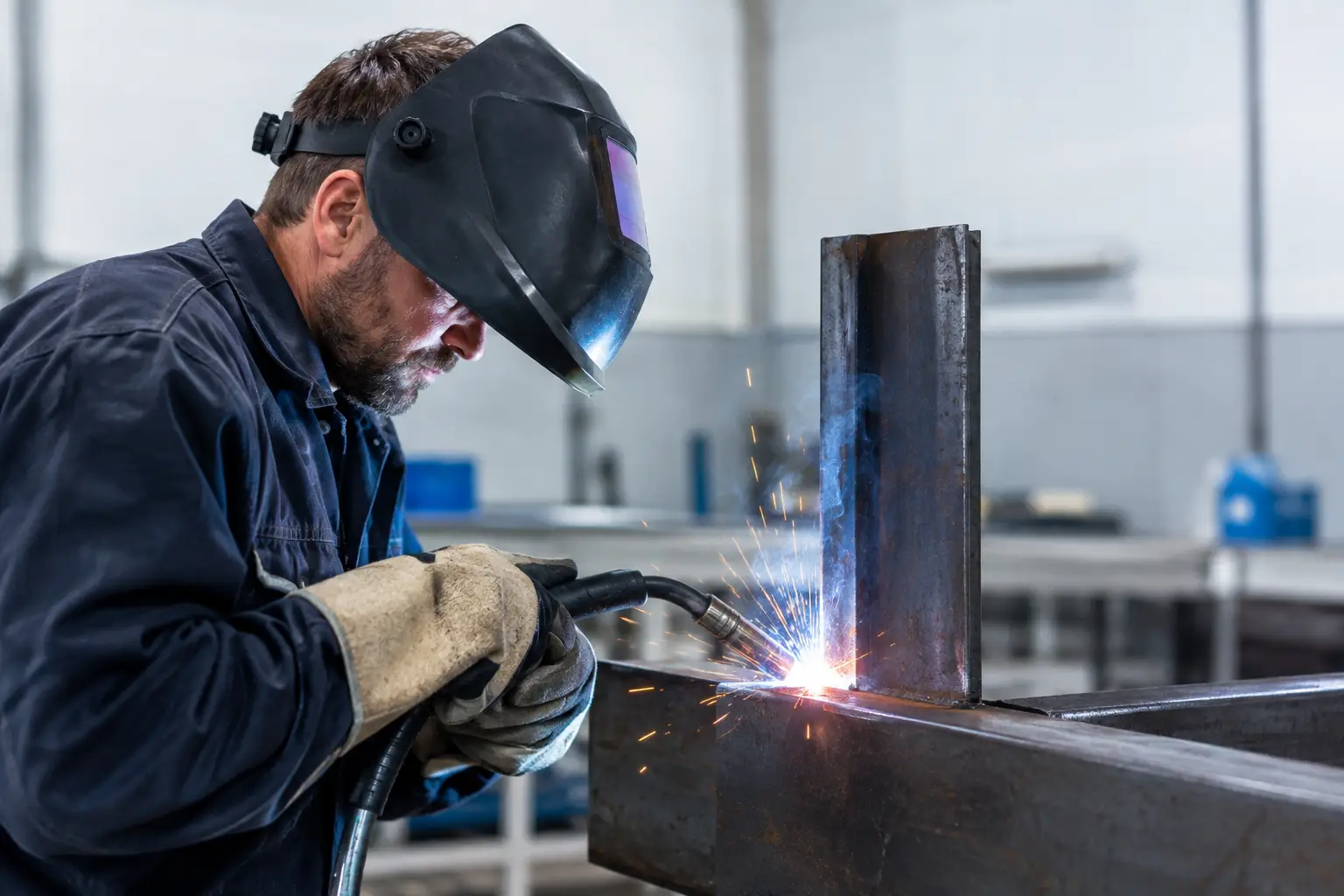
A weld can look sound at the end of a shift and still crack after the workshop has closed. That is why the question, when is preheat needed, should be settled before welding starts, not after a repair fails. Preheating is a control measure for the weld zone and parent material. Used correctly, it slows cooling, helps hydrogen escape and reduces the conditions that cause hydrogen-assisted cold cracking.
It is not a universal requirement, and heating every job is not good practice. The correct decision depends on the steel, the joint, the welding process, consumable condition, restraint and the approved welding procedure specification (WPS). For coded work, the WPS is the governing document. For repair and general fabrication work, the same factors still apply.
When Is Preheat Needed in Welding?
Preheat is commonly needed where there is a credible risk that the heat-affected zone (HAZ) will form hard, brittle microstructures and retain enough diffusible hydrogen for cracking to occur. This risk rises as the steel’s hardenability, section thickness and joint restraint increase.
The usual warning signs are high-strength or higher-carbon steel, heavy plate, highly restrained joints, low-hydrogen control concerns and cold workshop conditions. A combination of moderate risks can be as significant as one obvious risk. For example, a relatively ordinary carbon-manganese steel may not require preheat in a lightly restrained 6 mm fillet weld, but the same material in a thick, rigidly restrained connection may need a defined preheat temperature.
Preheat is normally specified as a minimum temperature in the area around the joint. It must be achieved through the material thickness where practical, not merely painted onto the surface with a torch immediately ahead of the arc.
What Preheat Controls
The principal purpose of preheat is to reduce the cooling rate after welding. A slower cooling rate gives the HAZ less opportunity to form unacceptably hard structures, particularly in steels with elevated carbon equivalent. It also provides more time for diffusible hydrogen to leave the weld and HAZ.
Cold cracking requires a combination of susceptible material, hydrogen and tensile stress. Preheat does not eliminate every one of these factors, but it reduces the severity of the first two and can make a sound procedure workable. It also improves arc starting and reduces condensation risk on cold material.
There is a trade-off. Excessive heat input or unnecessarily high preheat can reduce productivity, distort assemblies and adversely affect some steel properties. It can also create poor welding discipline, where a high temperature is used to compensate for damp consumables, poor joint preparation or an unsuitable procedure. Preheat supports a controlled process. It does not replace one.
The Factors That Set the Temperature
Steel grade and carbon equivalent
Material identification comes first. Do not set a temperature from appearance, thickness or a previous job alone. Confirm the grade from certification, traceability records or the client specification.
Carbon equivalent value (CEV) is widely used to indicate steel hardenability. One common calculation is:
`CEV = C + Mn/6 + (Cr + Mo + V)/5 + (Ni + Cu)/15`
A higher result generally indicates a greater tendency to harden in the HAZ and therefore a greater likelihood of requiring preheat. This is only a guide. Different standards and material families use different carbon-equivalent formulae and procedure qualification methods. The relevant material standard and WPS take priority.
High-strength structural steels, quenched and tempered steels and unknown repair materials deserve particular care. If the material cannot be positively identified, do not assume it behaves like mild steel. Establish the material specification, or obtain competent welding engineering advice before proceeding.
Thickness and joint geometry
Thicker material pulls heat away from the weld more quickly. A 25 mm plate acts as a substantial heat sink compared with a 5 mm bracket, even if both are the same grade. Heavy sections, multi-run welds and joints connected to large fabricated members often need more preheat than small, free-standing components.
Joint type matters too. A full-penetration butt joint with a narrow root gap can cool differently from an open fillet weld. Backing bars, attachments, corner details and large weld volumes can all affect heat flow. Treat the actual fabrication detail as the basis for the decision, not only the nominal parent-metal thickness.
Restraint and stress
A weld that is free to contract is less prone to crack than a weld locked into a rigid assembly. High restraint is common in bridgework, structural frames, machinery repairs, boxed sections and welds joining thick members at right angles.
Tack welds deserve the same attention. They are often short, highly restrained and deposited onto cold material. If a preheat requirement applies to production welding, it normally applies before tacking as well. Poorly controlled tacks can become crack initiation points even when the final weld is deposited correctly.
Hydrogen from consumables and contamination
Hydrogen control is inseparable from preheat. Moisture in low-hydrogen electrodes, contaminated flux, wet surfaces, oil, paint, rust and poor shielding-gas practice can all increase hydrogen introduced into the weld.
Use consumables in line with the manufacturer’s storage and conditioning requirements. Keep electrodes dry, protect wire from workshop contamination and clean the joint faces properly. Where hydrogen control is uncertain, raising preheat alone is a poor substitute for correcting the source.
Materials Where the Rule Changes
Carbon and carbon-manganese structural steels are the most common preheat decisions in fabrication. Here, grade, thickness, restraint and consumable hydrogen level normally provide a practical basis for selecting a temperature under the WPS.
Cast iron frequently benefits from substantial, even preheat because of its brittle nature and the stresses produced by localised heating. The repair approach, filler selection and cooling method are as important as temperature. Some small, controlled repairs use specialist cold-repair techniques instead, so cast iron should never be treated as a standard steel job.
Stainless steels are not automatically preheated. Many austenitic stainless grades are welded without preheat, and excessive heating can increase distortion or damage corrosion performance. Martensitic and some duplex grades have more specific controls, including minimum and maximum interpass temperatures. Follow the qualified procedure for the exact grade.
Aluminium generally does not require preheat for hydrogen-cracking control in the way steel does. Moderate preheat may be used on thick sections to improve fusion and reduce heat sink effects, but overheating can weaken the material, distort it or damage nearby components. Cleanliness and oxide removal remain essential.
How to Apply Preheat Properly
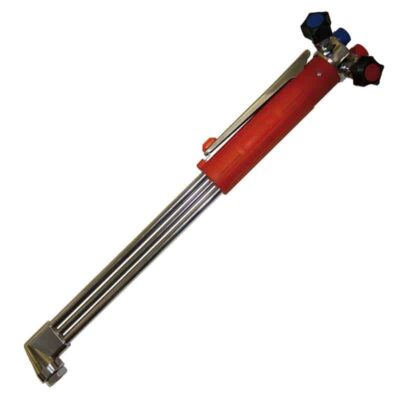
Heat the joint uniformly using a suitable method for the workpiece size and site conditions. Induction heating, electrical resistance heating, gas heating and heated enclosures can all be effective when properly controlled. The aim is even temperature through the joint area, not a narrow overheated band directly beside the weld.
As a working principle, heat both sides of the joint and extend the heated area sufficiently beyond the weld line to prevent rapid heat loss into cold parent material. The required width, soak time and measurement location should be stated by the WPS or job instruction for critical work.
Measure temperature with appropriate temperature-indicating crayons, contact probes or calibrated digital equipment. Check the parent material adjacent to the weld, not the flame or the glowing surface. Surface scale, direct flame contact and poor instrument placement can give misleading readings.
Maintain the specified minimum preheat throughout welding. If the job pauses long enough for the part to cool below the requirement, reheat and verify before restarting. Interpass temperature must also be controlled. It is not simply a maximum version of preheat: it is the temperature of the weld area before depositing the next run, and it may have both minimum and maximum limits.
Avoid the Common Shortcuts
Do not preheat a joint based solely on plate thickness. Do not rely on a welder’s judgement of whether steel feels warm. Do not use an unverified oxy-fuel flame on alloy steel and assume the correct temperature has been reached. And do not weld over moisture, paint or oil because preheat is available.
A sound setup starts with the material grade, joint detail and WPS. It then checks consumable condition, fit-up, restraint, ambient conditions, preheat method and temperature measurement. That sequence is faster than grinding out delayed cracks and explaining a failed inspection.
For demanding fabrication or repair work, treat preheat as a specified welding variable rather than a workshop habit. The right temperature, applied evenly and verified at the joint, gives the weld a better chance to perform long after it has cooled.