




Blog
Are Plated Bolts Weldable? Risks and Safer Options
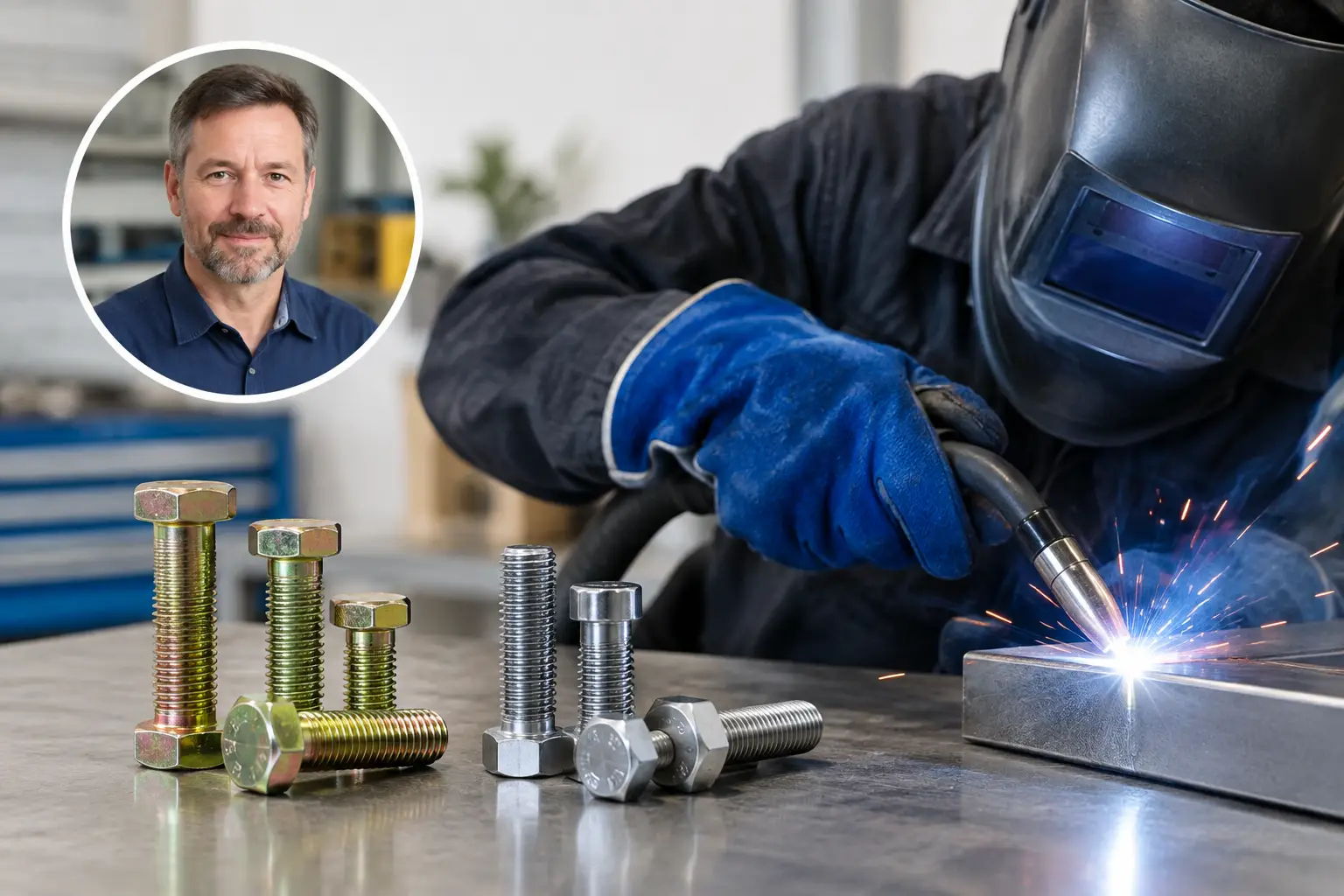
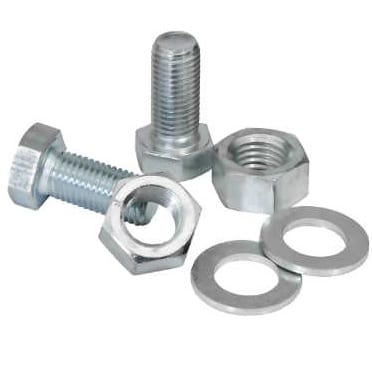
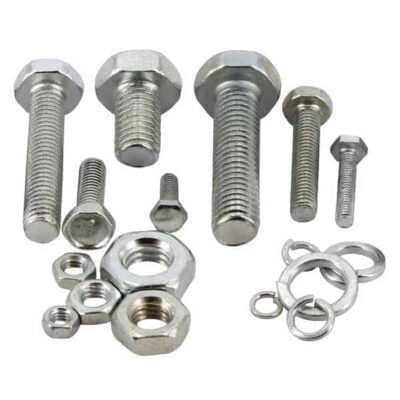
A plated bolt may look like a convenient weld-on fixing, particularly when it is already the right diameter and grade for the job. But are plated bolts weldable? Technically, the base steel often is. In practice, welding through the coating is poor procedure and can create a fume hazard, contaminate the weld and compromise the fastening assembly. For production, repair and structural fabrication, the correct answer is usually to remove the coating fully from the weld area or specify an unplated weldable component instead.
Why plated bolts need caution before welding
Most common plated bolts are carbon steel with a protective metallic finish. Zinc plating is widespread because it provides economical corrosion resistance. Other finishes may include zinc-nickel, cadmium on older or specialist hardware, nickel, chromium or phosphate-based coatings. The coating, not only the steel beneath it, determines whether welding is suitable.
An electric arc produces temperatures far beyond those needed to melt or vaporise many plating materials. When a coated surface is heated, the coating can burn away, vaporise or enter the molten weld pool. That changes the conditions at the joint. The result may be excessive spatter, porosity, poor bead profile or inclusions, depending on the coating, process and joint preparation.
The concern is not limited to weld appearance. Plating fumes can be harmful. Zinc oxide fume, commonly generated when galvanised or zinc-plated steel is welded, can cause metal fume fever. Symptoms may include headache, fever, chills, nausea and fatigue. A worker may feel well during the weld and unwell several hours later, which is one reason the risk is often underestimated.
Cadmium-plated items require particular caution. Cadmium fumes are highly toxic, and cadmium-coated components should not be treated as routine workshop material. If the coating cannot be positively identified, do not assume it is zinc. Confirm the specification with the supplier, isolate suspect parts and follow site safety procedures.
Are plated bolts weldable after coating removal?
A bolt made from mild steel can often be welded after the plating has been removed from a sufficiently wide area around the weld. That does not automatically make it the right choice. Bolt grade, loading direction, service environment and the intended function of the weld all matter.
For light-duty locating studs, guards, brackets and non-critical fixtures, an unplated low-carbon steel bolt or purpose-made weld stud may be appropriate. Clean the weld area back to bright metal on the bolt and mating part, then use a procedure suitable for the material thickness and access. Removal must extend beyond the immediate line of fusion. Heat travels, and coating left adjacent to the joint can still generate fumes and contaminate the weld.
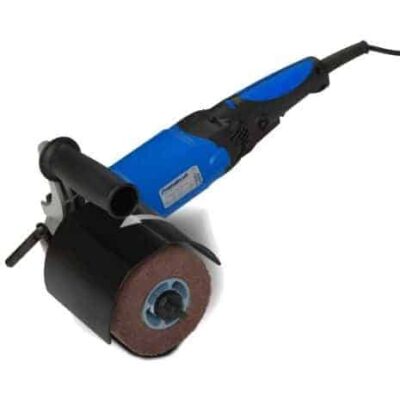
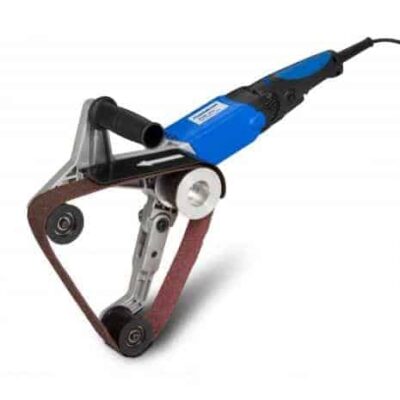
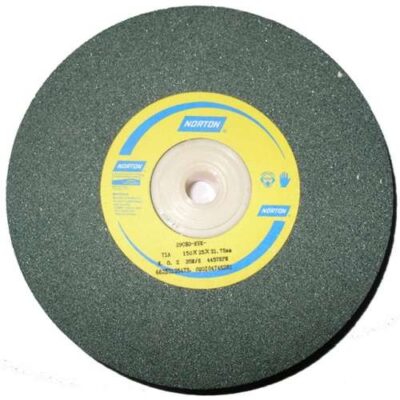
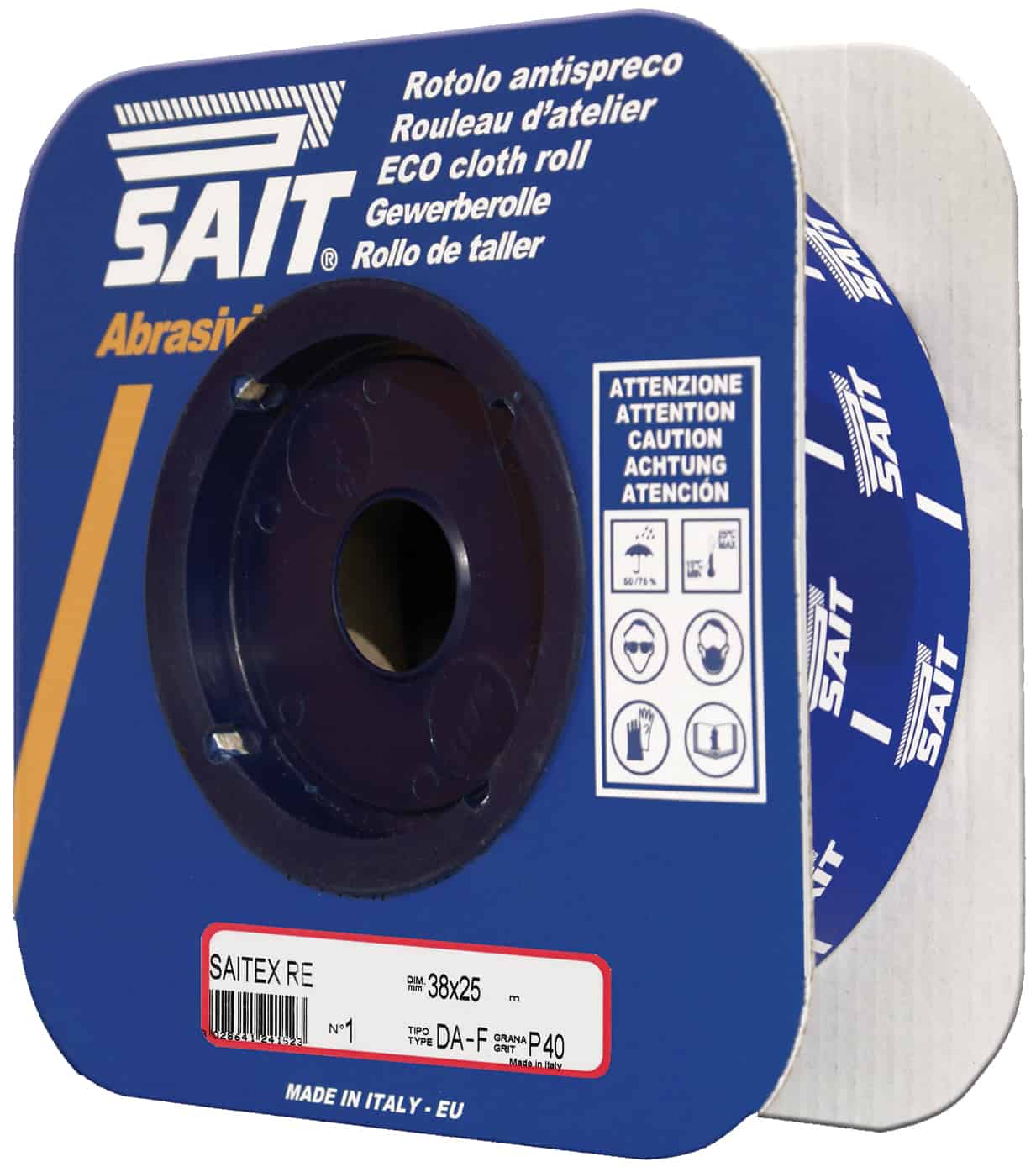
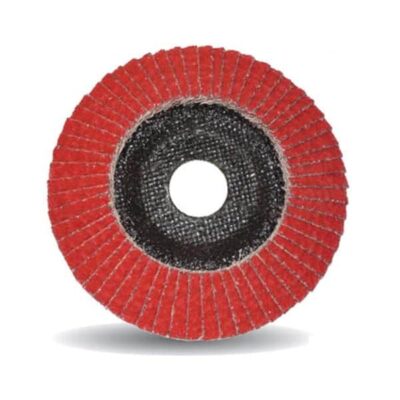
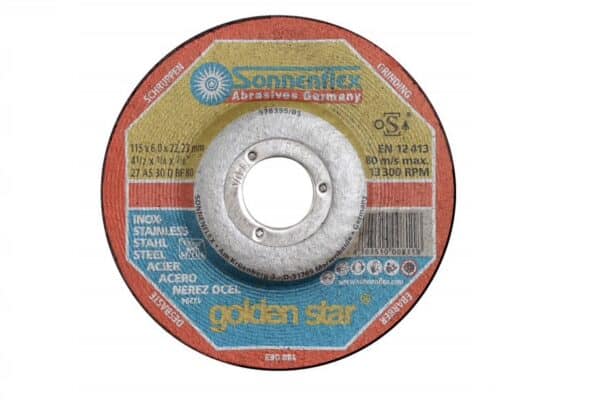
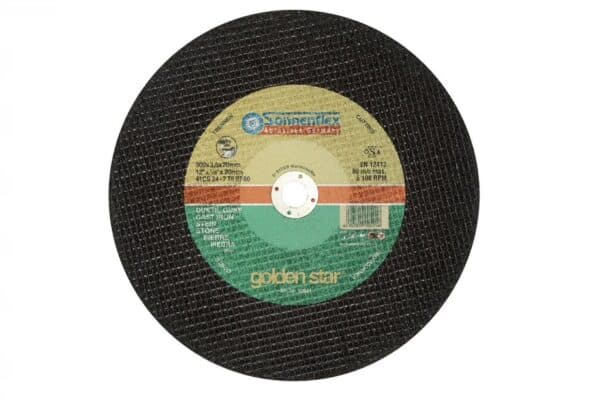
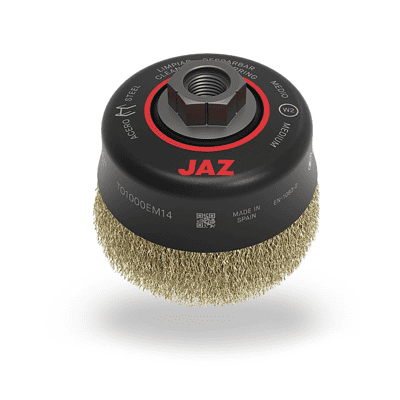
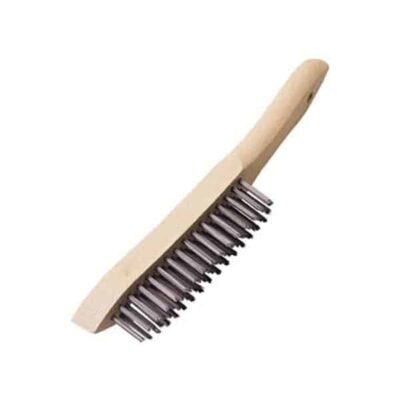
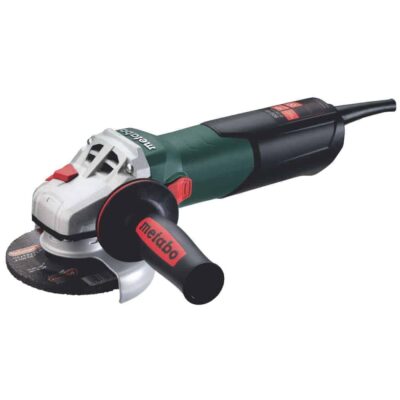
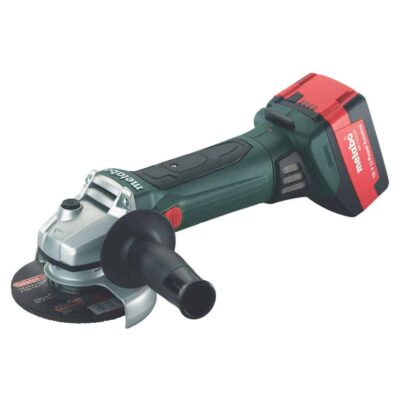
Grinding is the usual workshop method for local removal, using an abrasive disc, flap disc or suitable rotary tool. Do not rely on wire brushing alone where the plating remains intact. It may brighten the surface without removing enough coating. Chemical stripping can be effective in controlled industrial settings, but it introduces chemical handling, disposal and verification requirements that are rarely justified for one-off fabrication.
After grinding, degrease the area if cutting fluid, oil or anti-corrosion residue is present. A visually clean surface is not always weld-clean. Oil trapped in threads or under the bolt head can migrate into the joint as the part heats up.
Bolt strength can make welding a bad idea
High-tensile bolts should not be casually welded, even if the plating has been removed. Many bolts are heat treated to achieve a specified strength class. Welding places intense local heat into the shank, head or threaded section and creates a heat-affected zone. This can alter the bolt’s mechanical properties, reduce toughness or introduce residual stresses.
The risk is greater when welding close to the thread, where the effective cross-section is already reduced. A welded high-strength bolt should not be assumed to retain its original rating. If it is part of a lifting point, safety guard, machine frame, vehicle repair, pressure-related assembly or structural connection, substitution must be approved by the responsible engineer or manufacturer.
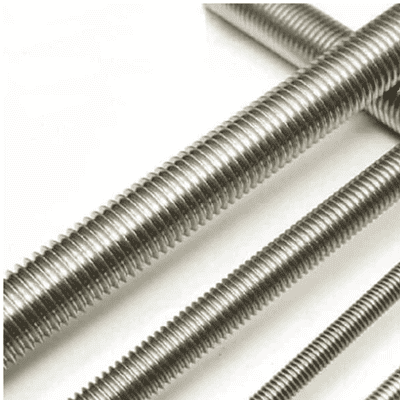
There is also a basic design issue. A conventional bolt is intended to work as a removable fastener, generally in tension and clamp load. Welding it to a plate changes the load path. If the assembly needs a permanent threaded point, a weld nut, threaded boss, stud or purpose-made weld bolt is normally a more predictable solution. These components are designed around welding access and intended loading, rather than adapted from general fasteners.
Practical welding controls for plated fasteners
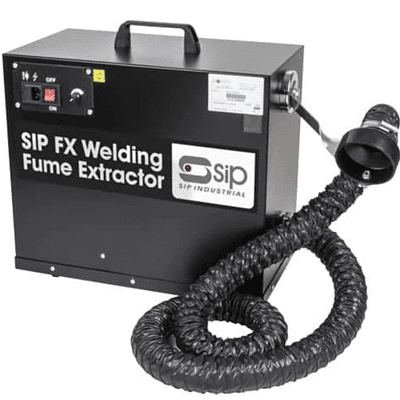
Where a low-carbon steel plated bolt has been assessed as suitable and the coating is removed, the job still needs proper controls. Ventilation should capture fumes at source where possible, rather than merely moving contaminated air around the workshop. General door ventilation is not a substitute for local extraction on repeated work.
Keep the bolt clean and position it so the weld does not run into the threads unless the design specifically requires it. A short fillet weld around the bolt head or at the shank-to-plate interface is often preferable to overheating the component with unnecessarily large welds. Size the weld for the actual duty. More heat is not automatically more strength.
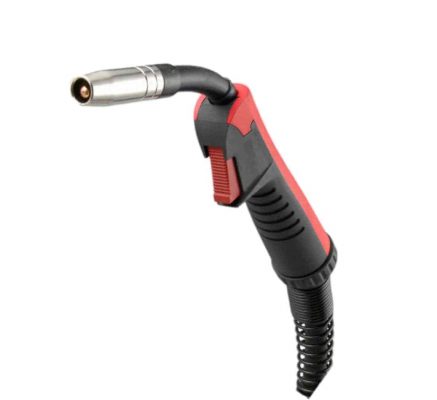
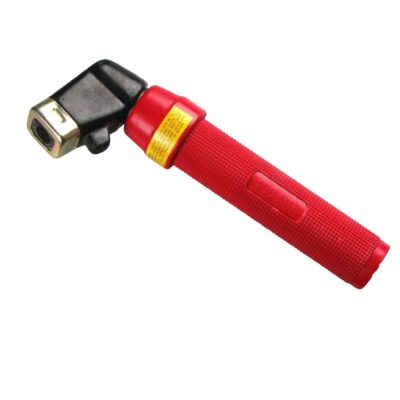
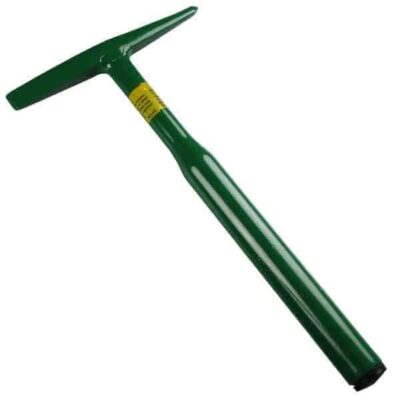
For MIG/MAG welding, use clean consumables and stable shielding gas coverage. Coating residue can make a sound setting appear unstable, so correct surface preparation before adjusting parameters. For MMA work, remove slag thoroughly between passes and inspect the tie-in around the full circumference. TIG can offer good control on thin, clean parts, but it does not remove the need for coating removal or fume extraction.
Once welded, inspect for undercut, lack of fusion, porosity and cracking. Check that the thread has not distorted from heat. Running a matching nut down the thread by hand is a simple first check, but it does not prove load capacity. On critical work, inspection and acceptance should follow the applicable fabrication procedure and project requirements.
Corrosion protection must be restored
Removing zinc plating and welding through the local area leaves bare steel exposed. The heat also damages coating beyond the visible weld. If the component will be outdoors, in a washdown area or exposed to salt, this is not a cosmetic issue. Corrosion can begin at the weld edge and spread beneath damaged coating.
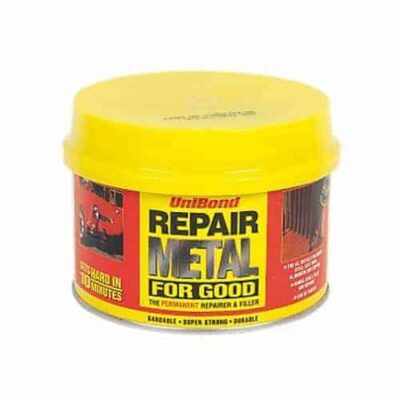
After welding and cleaning, apply an appropriate repair system for the service environment. Zinc-rich repair coatings can provide useful local protection for ordinary fabricated steel, provided the surface is properly prepared and the coating is applied to the required film thickness. For more demanding environments, a specified paint system, thermal spray or post-fabrication galvanising may be required.
Be realistic about post-galvanising an assembly containing threads. Threads can pick up zinc and require chasing or masking. Distortion and venting requirements also need consideration on fabricated sections. If corrosion resistance is central to the design, specifying the right weldable component before fabrication is cheaper than trying to repair an unsuitable choice later.
When to choose an alternative
Replacing the plated bolt is normally the cleanest answer when the weld is permanent, repeated across a batch or subject to meaningful loading. Unplated mild steel bolts can suit straightforward non-critical fabrication, but purpose-made threaded studs, weld nuts and threaded bosses often give a better result. They provide known weld geometry, preserve usable threads and reduce preparation time.
Stainless steel studs and nuts may suit corrosion-sensitive work, but only where the parent material, filler metal and service conditions have been considered. Welding stainless to carbon steel introduces different corrosion and metallurgy questions. It is not simply a premium substitute for zinc-plated hardware.
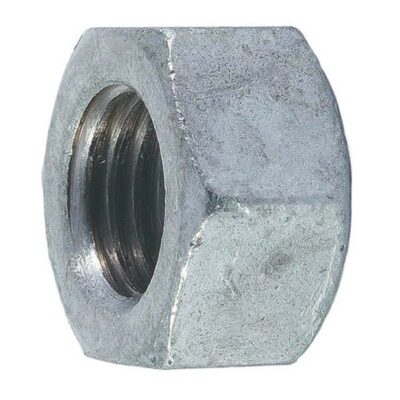
For assemblies that must remain removable, consider whether welding a captive nut, nut plate or tapped boss to the structure would meet the requirement more effectively. The right component can eliminate a difficult weld around a bolt head and make future maintenance faster.
A simple decision point
If the component is zinc-plated mild steel, lightly loaded and non-critical, remove coating well beyond the weld zone, use extraction and restore corrosion protection afterwards. If it is high-tensile, unidentified, cadmium-plated, part of a safety-critical assembly or needed to retain a certified fastener rating, do not weld it without an approved engineering route.
A plated bolt is rarely the best starting point for a welded fixing. Select a component intended for welding, prepare the joint to clean metal and treat fume control as part of the welding setup, not an optional extra. That approach protects the welder, produces a more reliable joint and avoids turning a low-cost fastener into an expensive rework job.