







Blog
Choosing Metal Fabrication Supplies for Trade Work
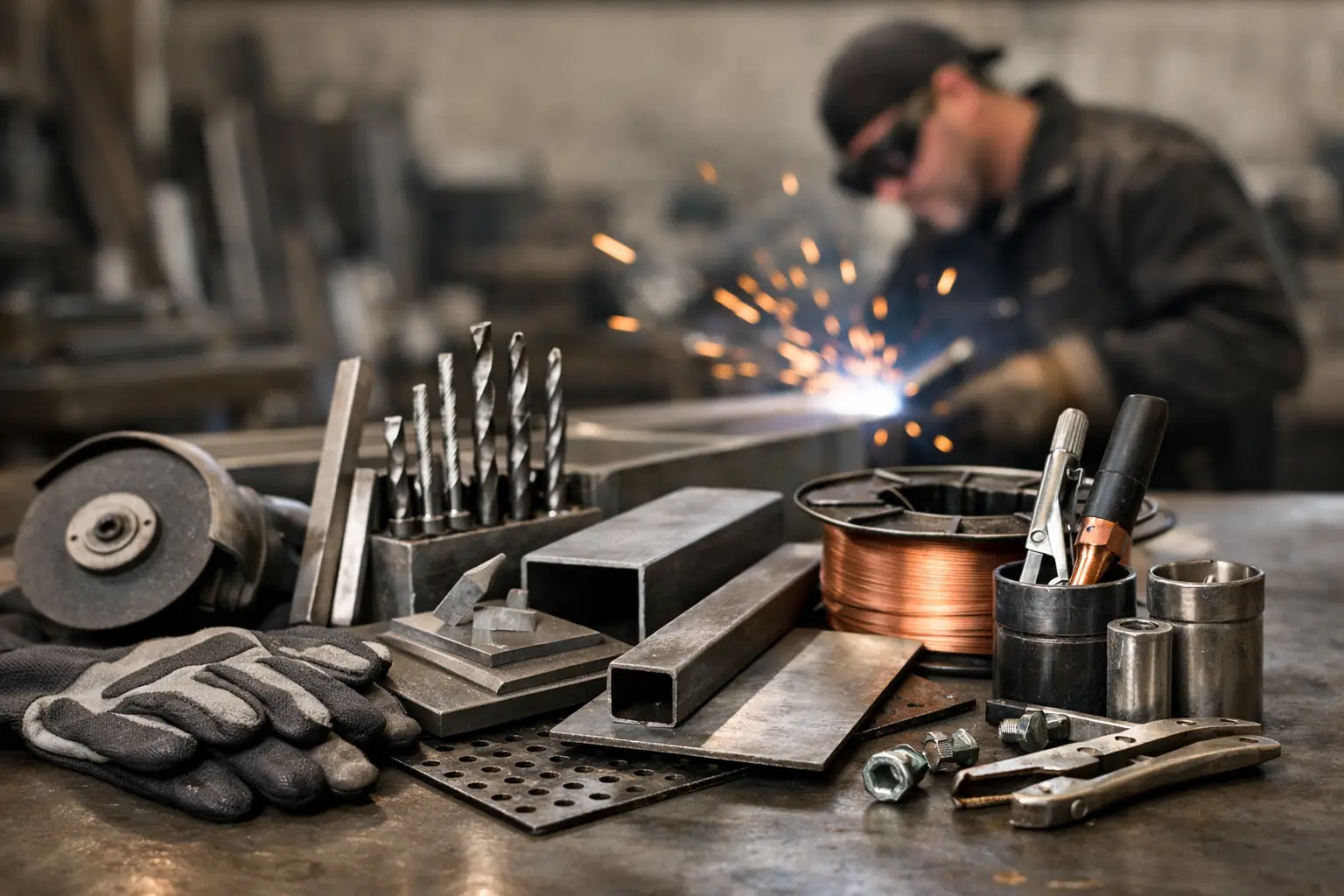
A fabrication job rarely stops because of the main steel section. It stops when a hinge is the wrong size, a fixing is missing, the consumable does not suit the material, or a fitting cannot be welded safely into place. Selecting metal fabrication supplies is therefore not just a buying exercise. It is part of planning a job for quality, speed and repeatable results.
For workshops, site teams and maintenance departments, the right supply choice reduces rework and avoids improvised solutions. The priority is not simply having stock on the shelf. It is having components, consumables and accessories that match the fabrication method, material specification and conditions of use.
Start with the finished assembly
Before ordering parts, work backwards from the completed assembly. Consider the load it must carry, whether it will move, the environment it will operate in and how it will be finished. A gate frame, machine guard, handrail and plant repair may all involve welding and steelwork, but their requirements are not interchangeable.
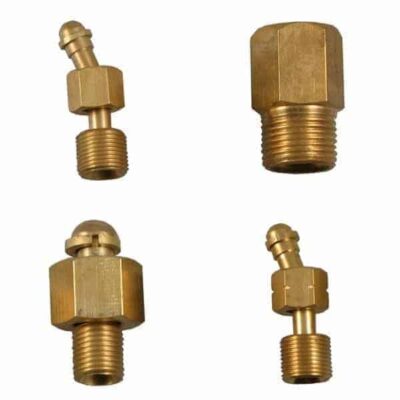
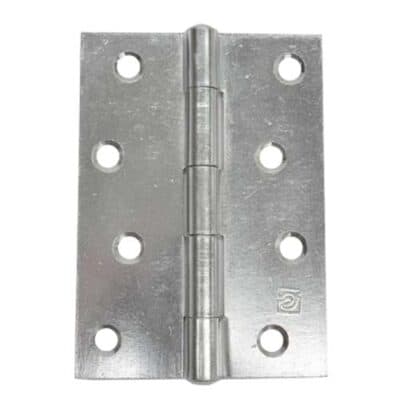
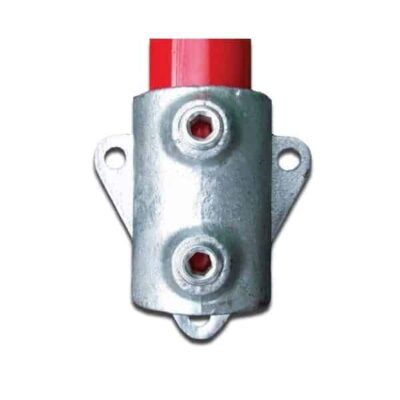
A weldable hinge, for example, must be selected for its pin arrangement, leaf or barrel style, load capacity and intended opening movement. A component fitted to a frequently used access gate needs more attention than one on a light-duty inspection cover. Similarly, a key clamp system can be an efficient route to building guards and handrails, but the tube outside diameter, fitting type and fastening method must all align before fabrication starts.
Dimensions should be confirmed against drawings and existing site conditions, not assumed from nominal descriptions. In repair work especially, small differences in tube wall, thread pitch, hole centres or fitting geometry can create unnecessary cutting, packing or modification work.
Metal fabrication supplies by material and process
The material being joined governs much of the purchasing decision. Mild steel is forgiving in many workshop applications, but it still requires the correct preparation, filler material and coating plan. Stainless steel calls for stricter control of contamination and finishing. Aluminium brings different heat characteristics, preparation requirements and consumable choices.
Steel fabrication and corrosion protection
For carbon steel assemblies, consider how the finished item will be protected. If it is to be galvanised, avoid details that trap air or process fluids and account for any distortion risk on light sections. If it is painted, specify preparation and coating systems appropriate to the exposure level.
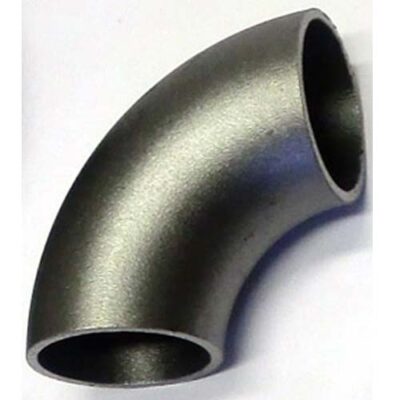
Weldable elbows, tabs, hinges and brackets should be free from heavy coatings, oil and contamination in the weld area. Coated components may save time in some applications, but coatings must be removed where required before welding. Trying to weld through unsuitable finishes is not an efficiency measure. It risks porosity, fumes, poor fusion and an unreliable joint.
Stainless steel fabrication
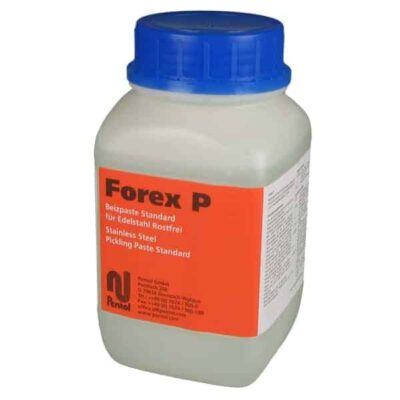
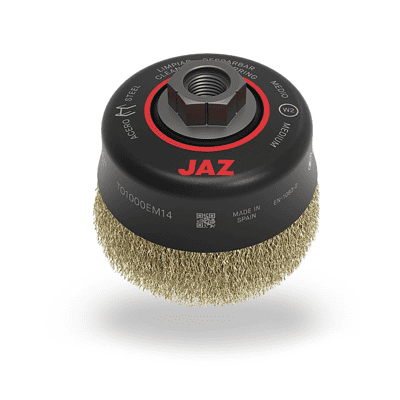
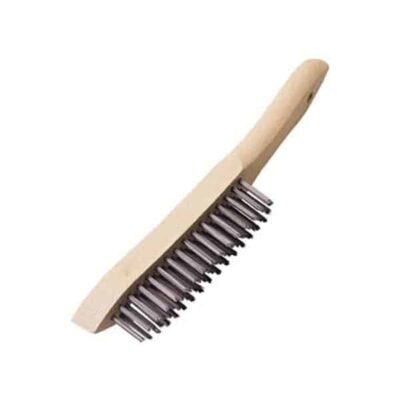
Stainless fabrication requires clean handling from cutting through to finishing. Use dedicated abrasives, brushes and tools where contamination from carbon steel could compromise the surface. Fasteners should also be selected with the application environment in mind. A stainless assembly fitted with unsuitable bolts, nuts or washers can introduce staining, corrosion issues or unwanted galvanic effects.
Grade selection depends on the service environment. Indoor architectural work, food-related areas, external installations and coastal locations all place different demands on the material. The lowest-cost option may be acceptable for a dry internal fitting, yet be false economy outdoors or in a washdown area.
Aluminium and mixed-metal work
Aluminium needs a supply plan that accounts for oxide removal, heat input and distortion control. The parent material, filler selection and joint design must work together. Thin aluminium sections can distort rapidly, while thicker components may need more preheat or a different welding approach.
Mixed-metal assemblies need particular care. Where aluminium, stainless and galvanised components come together, isolate dissimilar metals where required and assess the exposure to moisture. A component that performs well in a dry workshop may fail prematurely on external plant or transport equipment.
Choose fittings and fixings for the real load
A fitting is only as reliable as the load path around it. Weldable components should not be chosen solely because they fit the available space. Review the section thickness, expected force, direction of loading and access for making a sound weld. A hinge may have a suitable overall size but still be unsuitable if its weld area is too light for the gate structure or duty cycle.
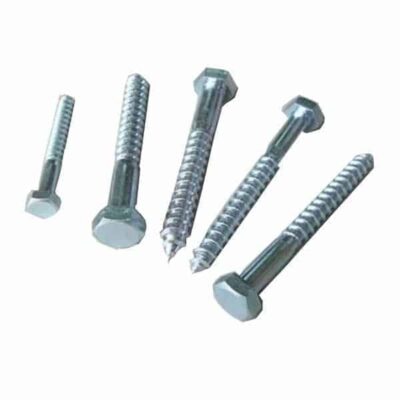
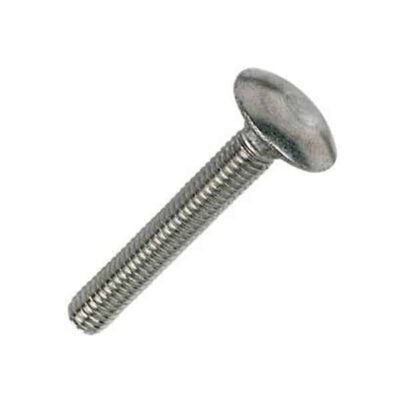
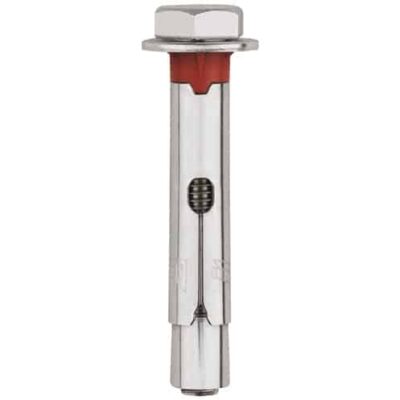
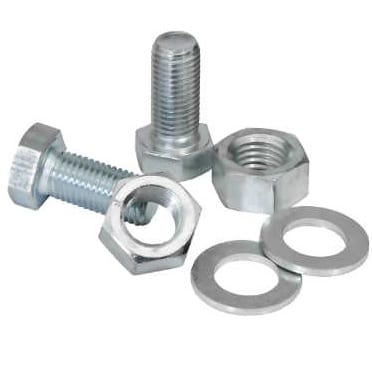
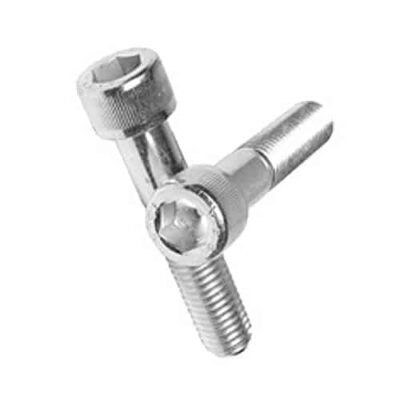
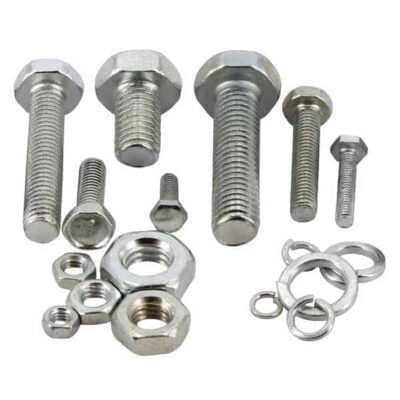
Bolts, nuts and washers deserve the same attention. Correct thread diameter and length are basic requirements, but strength class, finish, washer type and locking method also matter. A bolt that is too long can bottom out or leave excessive thread exposed. One that is too short may not achieve full engagement. Washers spread load and protect surfaces, while locking arrangements help resist vibration in machinery, vehicle and plant applications.
For assemblies exposed to movement or vibration, consider whether a standard nut and washer arrangement is sufficient. The answer depends on service conditions, inspection access and the consequences of loosening. Selecting a higher-specification fixing at the outset is often less costly than returning to a failed installation.
Consumables should match production demands
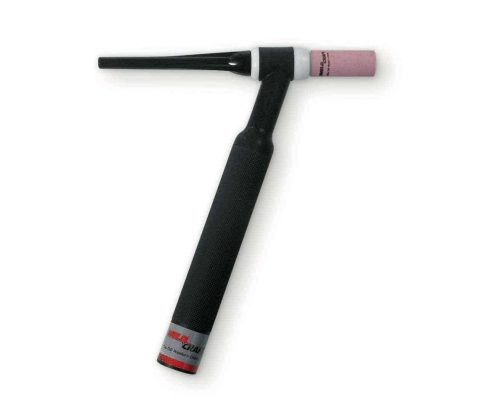
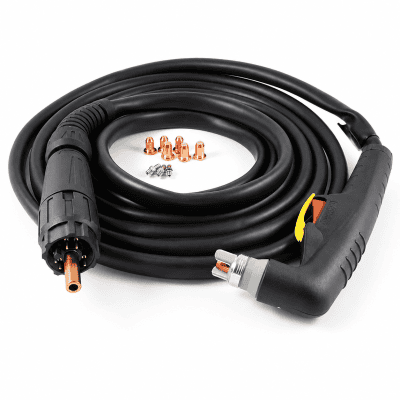
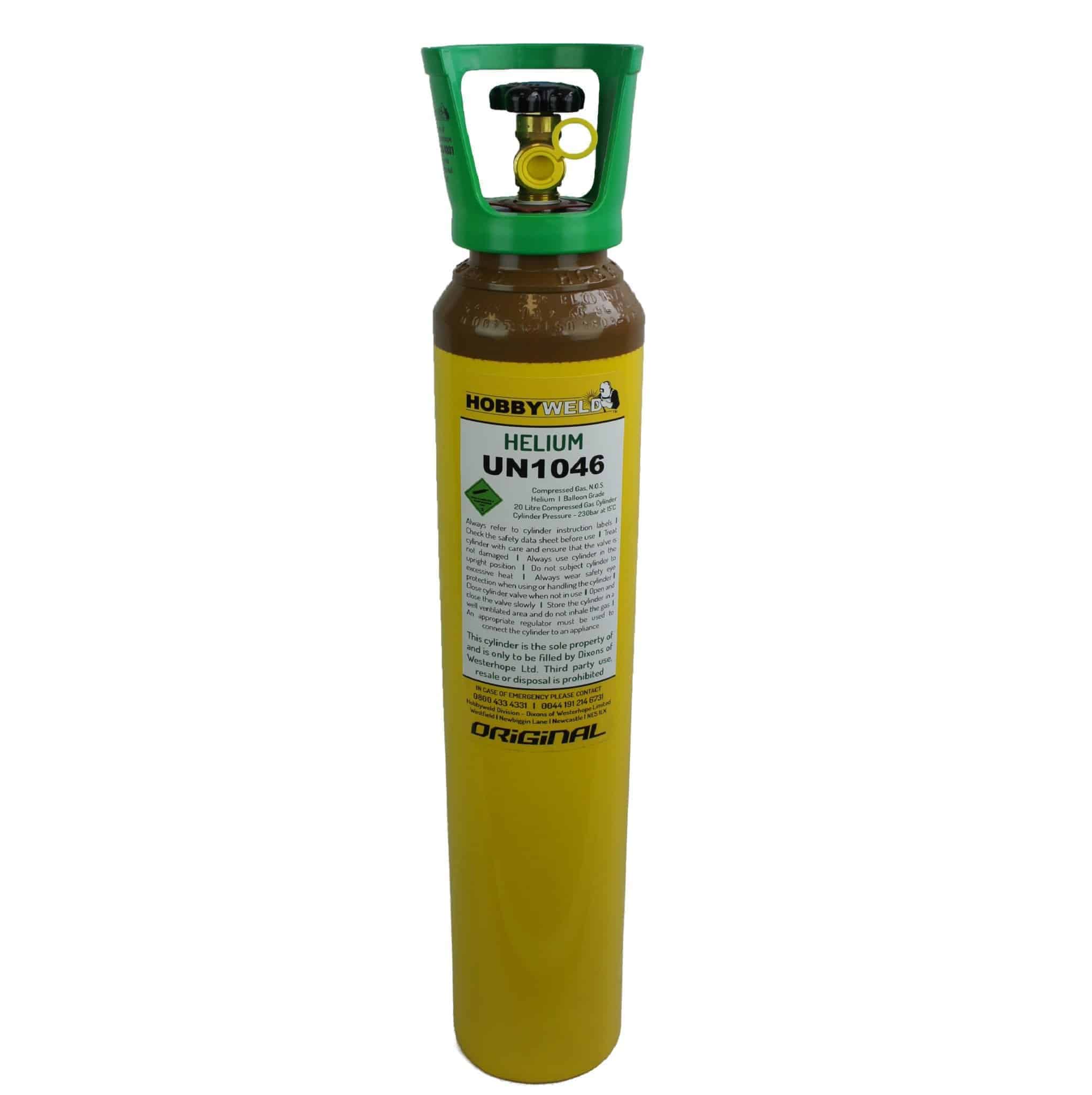
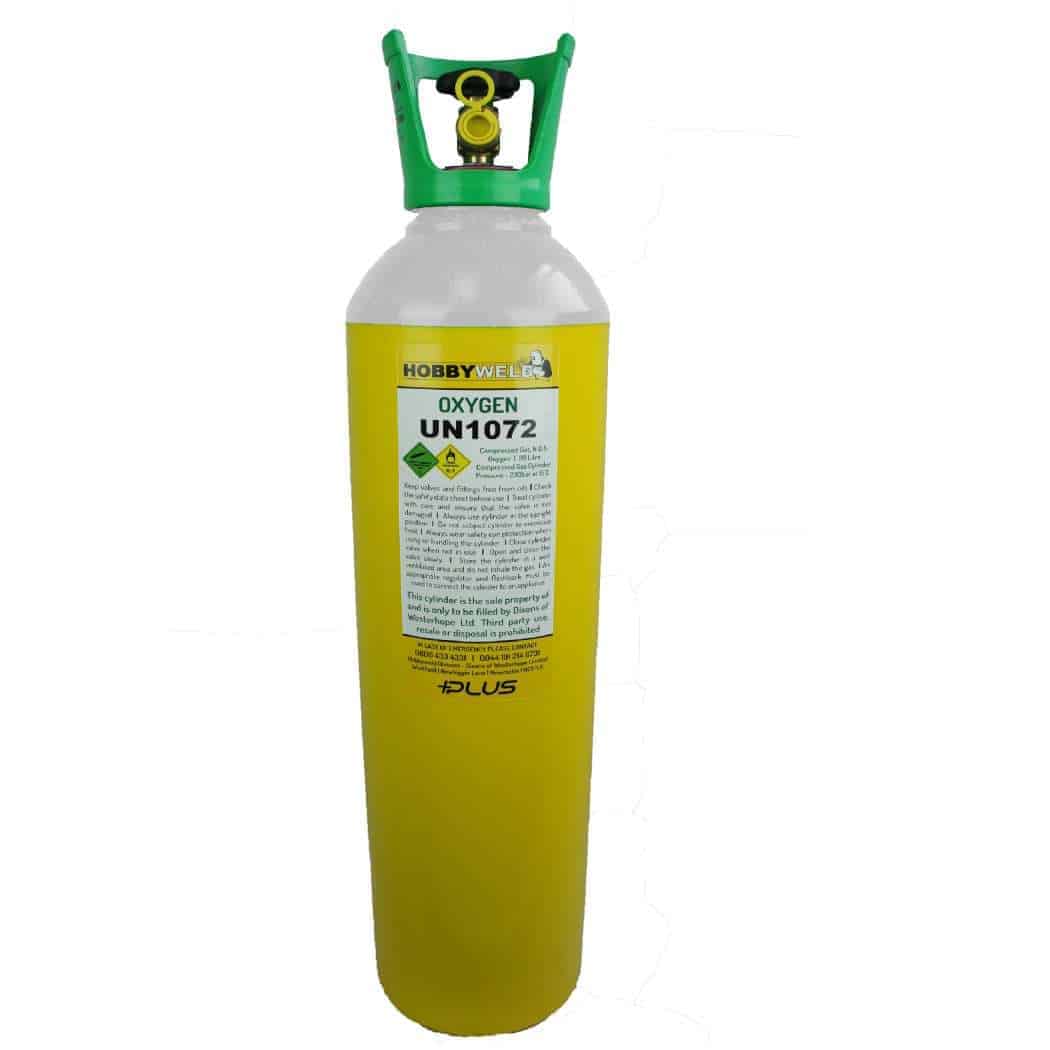
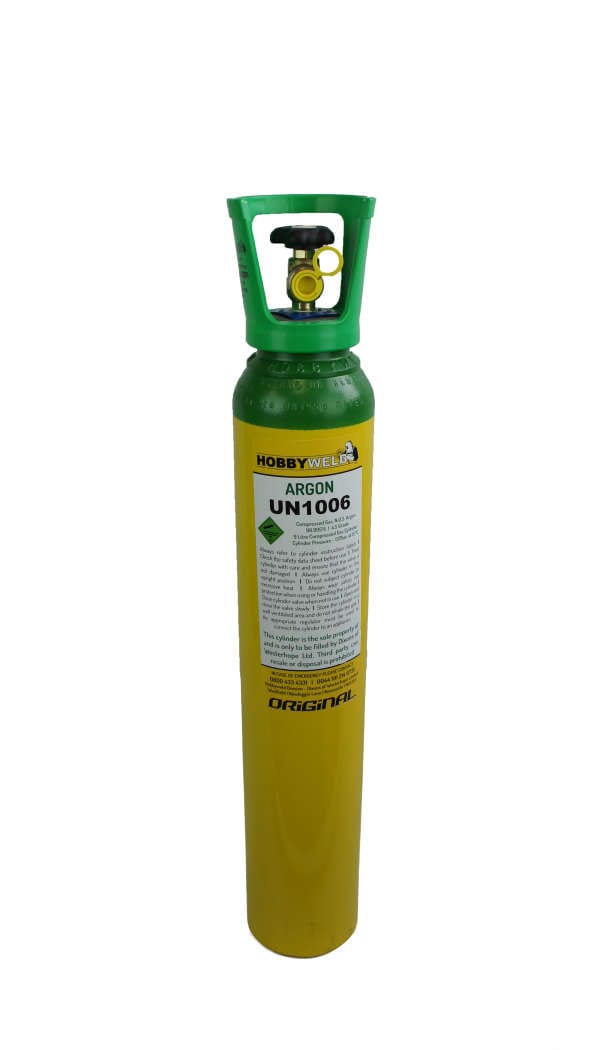
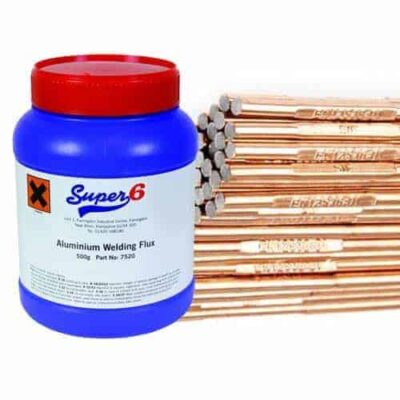
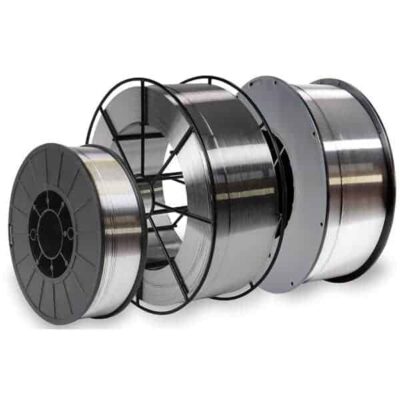
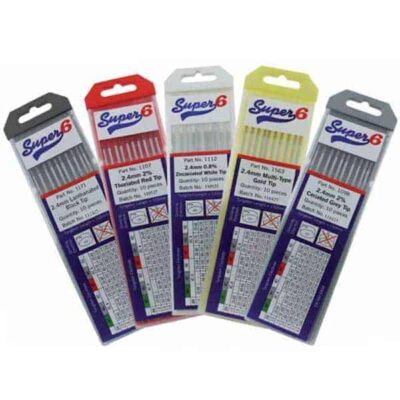
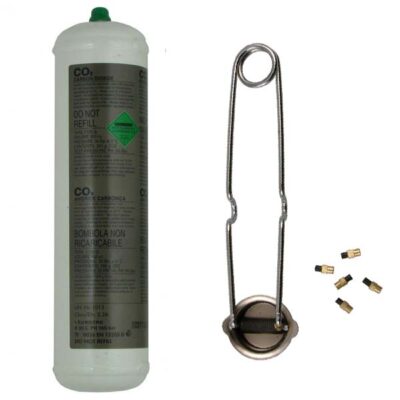
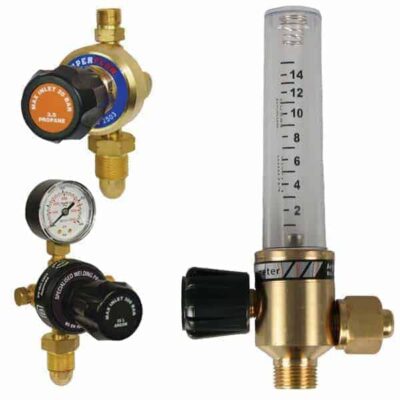
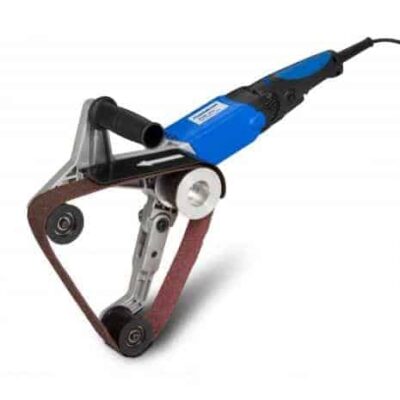
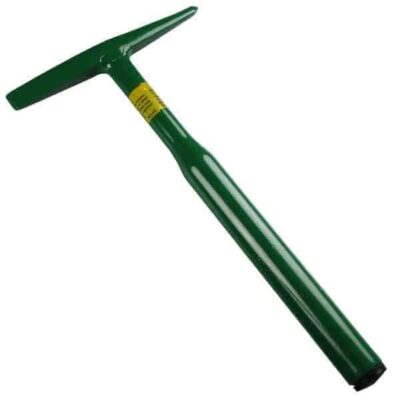
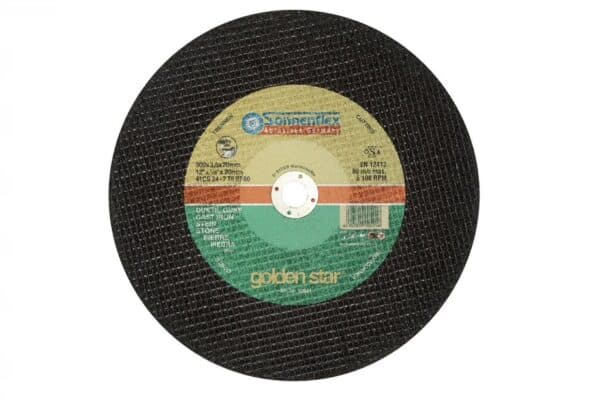
Welding consumables are working materials, not generic add-ons. Wire, electrodes, shielding gas, abrasives, cutting discs and anti-spatter products affect weld quality, preparation time and finishing effort. The right choice depends on the welding process, material, joint type, working position and required appearance.
For repeated fabrication work, consistency is as important as initial performance. Consumables should be stored correctly, kept clean and issued in a way that prevents the wrong product reaching the job. Damp electrodes, contaminated wire and damaged abrasive discs can all undermine work that otherwise meets specification.
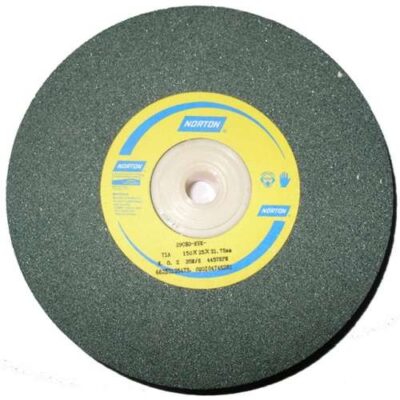
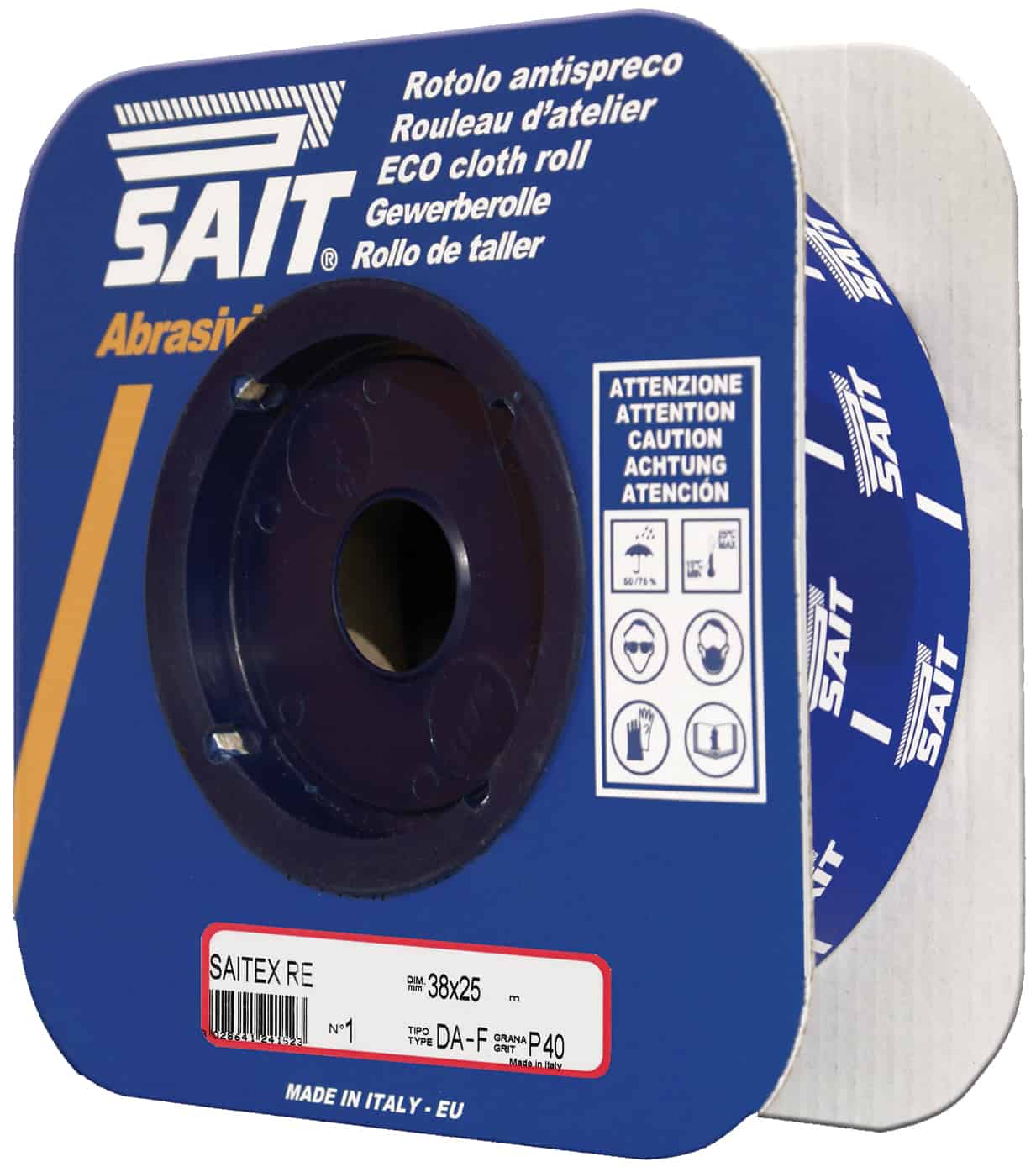
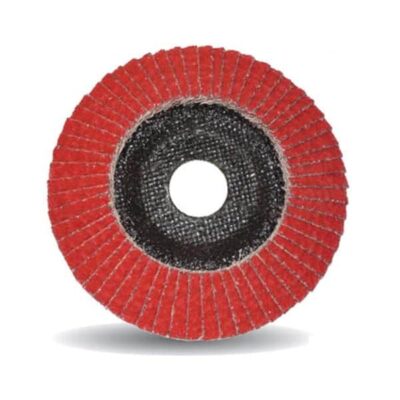
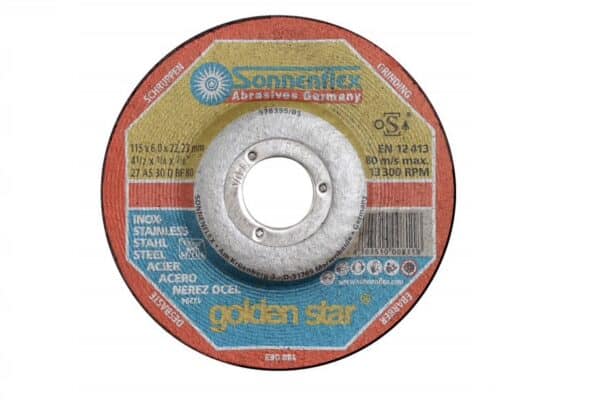
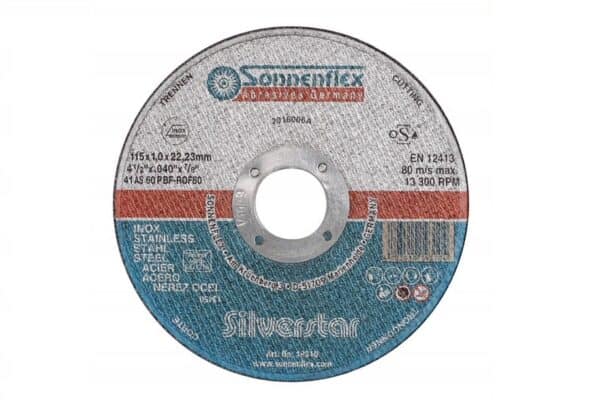
Do not overlook cutting and grinding products when costing a job. A disc that cuts quickly but wears excessively may be less economical over a production run. Equally, choosing an aggressive grinding disc where controlled blending is needed can remove too much parent material and increase finishing time. Match the abrasive type and grade to the task rather than using one disc for every operation.
Build safety into the purchase order
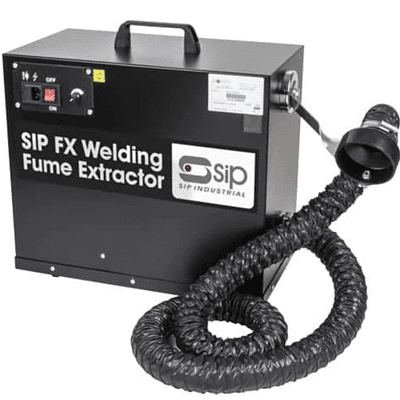
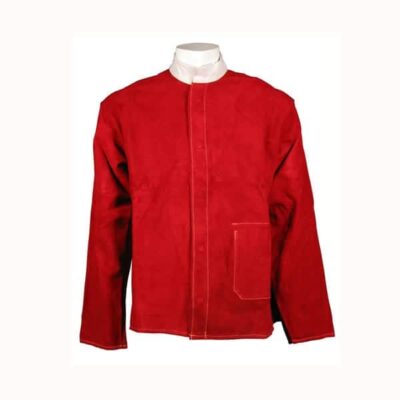
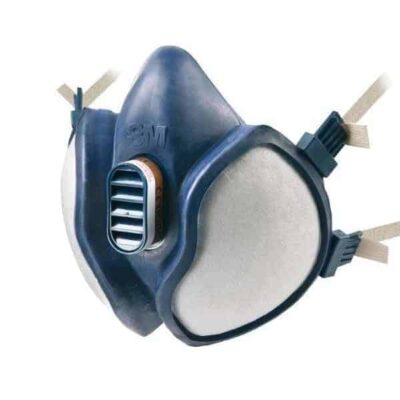
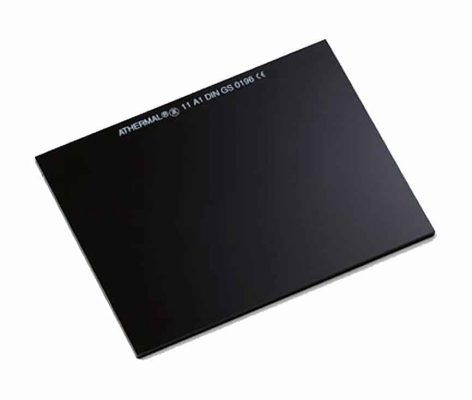
Safety equipment should be selected around the actual hazards of the work, not treated as an afterthought. Welding fume control, eye protection, gloves, protective clothing, hearing protection and respiratory protection all need to suit the process and environment. A confined maintenance area has different ventilation needs from an open fabrication bay.
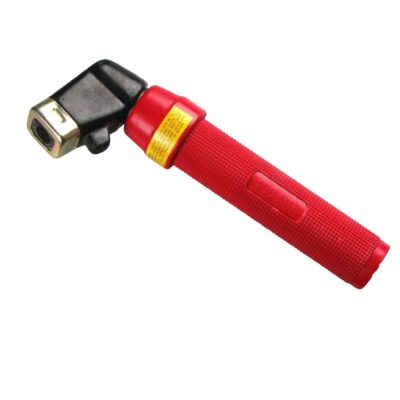
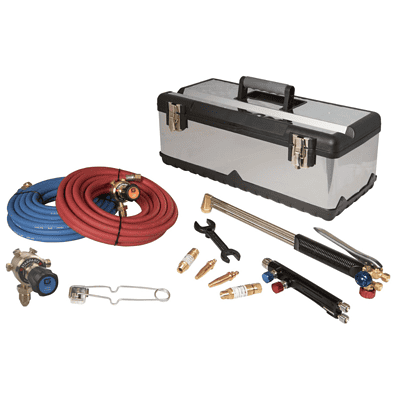
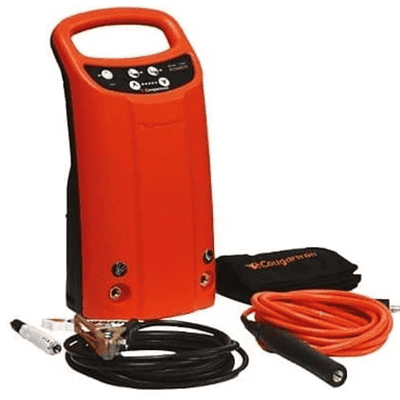
The condition of accessories matters as well. Damaged electrode holders, worn welding leads, poor earth clamps and cracked face shields introduce avoidable risk and can affect weld performance. Keeping critical replacement items available prevents a minor defect from becoming a delayed job or an unsafe workaround.
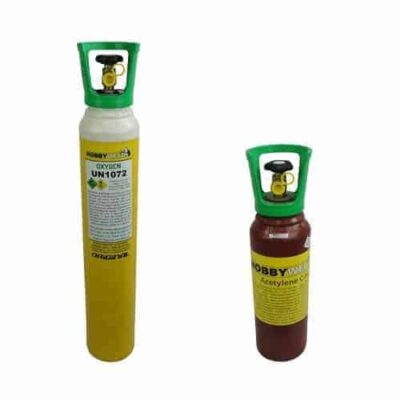
Workshop organisation also has a direct effect on safety and output. Clearly separated stock for mild steel, stainless and aluminium helps prevent cross-contamination. Dedicated storage for gas equipment, abrasives and fixings makes it easier for operatives to select the correct item without losing time searching through mixed bins.
Avoid buying on unit price alone
Low unit cost can be useful when the specification is identical, the component is non-critical and supply is dependable. It is less useful when a part needs modification, fails early or causes lost fabrication time. The true cost includes fit-up, welding preparation, finishing, downtime and the risk of returning to site.
For regular work, standardising commonly used hinges, clamps, bolts and consumables can simplify purchasing and improve quality control. It also helps fabricators hold sensible stock levels without tying up cash in slow-moving parts. The specification should still be reviewed when the job changes. A standard fitting is efficient only when it remains suitable for the application.
ProWeld supports professional buyers by focusing on trade-grade components and practical selection across welding and metalworking work. When a drawing, sample or existing installation raises a question, resolve it before cutting material. A few minutes spent checking compatibility, access and duty can protect a full day of fabrication.
The most useful metal fabrication supplies are the ones that let the job proceed without compromise: correctly specified, available when needed and suited to the work rather than merely close enough. That is the standard worth setting for every order.