



















Blog
Corded vs Cordless Angle Grinders for Fabrication Work
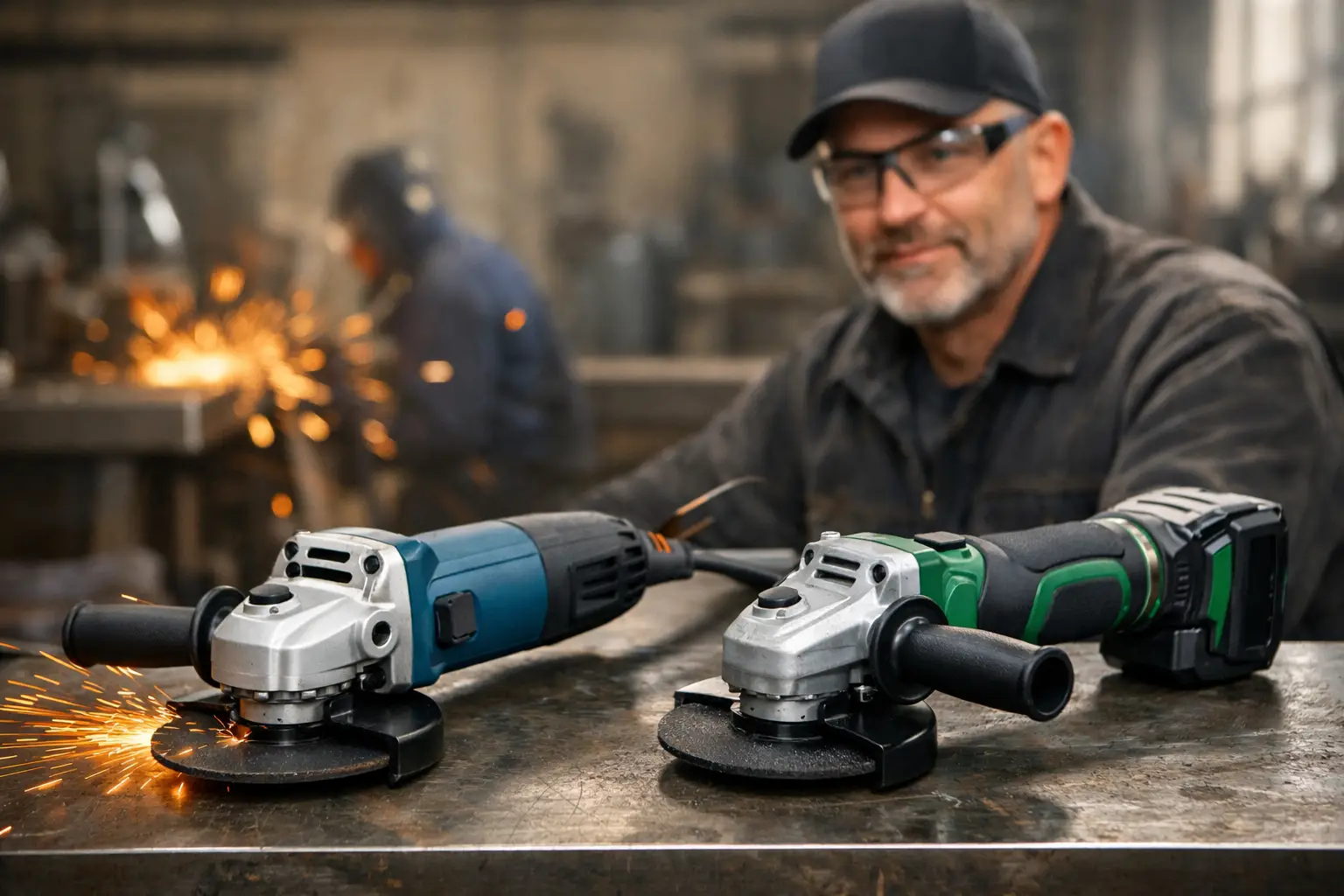
A grinder that loses speed halfway through a heavy weld clean-up costs more than a few minutes. It interrupts the job, overheats discs, affects finish quality and can leave a fitter waiting on another tool. The decision between corded vs cordless angle grinders should therefore start with the work itself: sustained fabrication at a bench, or mobile cutting and repair work where mains power is not practical.
For most professional workshops, both types have a place. The question is not which format is universally better. It is which one keeps your team cutting, grinding, dressing welds and preparing material with the least interruption.
Corded vs Cordless Angle Grinders: The Working Difference
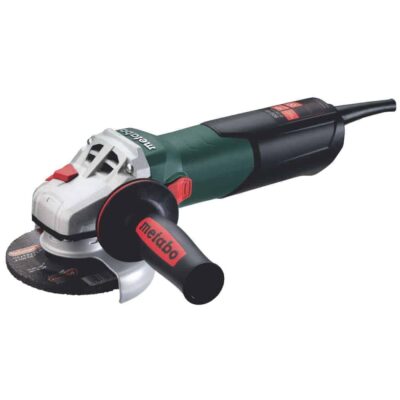
A corded angle grinder receives continuous power from the mains. Provided the supply is suitable and the lead is protected, it can maintain output for extended grinding, cutting and flap-disc work. This makes it the standard choice for production bays, steel fabrication benches and any task involving long duty cycles.
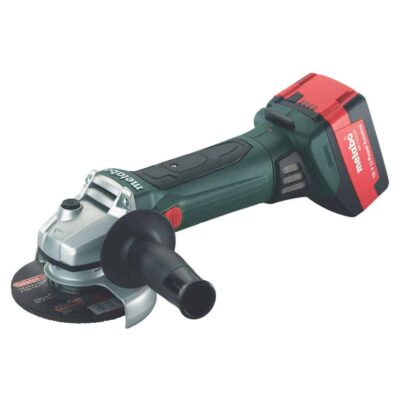
A cordless grinder relies on a battery platform. Its main advantage is immediate mobility. There is no extension lead across a work area, no search for an outlet, and no need to bring a component back to the workshop simply to make a cut. Modern professional cordless units offer serious performance, but battery capacity, battery condition and the nature of the job still determine how long that performance is available.
The practical distinction is simple. Corded tools are generally built around continuous output. Cordless tools are built around access, speed of deployment and safer movement around complex sites.
When a Corded Grinder Is the Better Tool
A corded grinder is normally the stronger choice where work is repetitive, material is thick, and the operator needs to keep working without managing batteries. This includes prolonged weld dressing on structural assemblies, cutting multiple lengths of box section, bevel preparation, heavy rust removal and grinding back repairs in the fabrication shop.
The key benefit is consistency under load. A correctly specified corded grinder is not gradually limited by a depleted battery, so an operator can work through demanding tasks without changing power sources. For fabrication managers, that predictability matters. It makes labour planning easier and reduces the number of avoidable pauses on a job.
Corded machines also tend to offer excellent value where several grinders are needed at fixed stations. A workshop may keep dedicated tools set up with cutting discs, grinding discs, flap discs and wire brushes. That reduces disc changes and helps prevent the wrong accessory being fitted in a hurry.
There are trade-offs. The cable can snag on trestles, sharp edges and material stacks. It can also become a trip risk if leads are poorly routed. On outdoor work, the supply arrangement needs proper protection, and the grinder must be suitable for the environment. A corded tool is powerful only when the lead, plug, extension equipment and site power are all in good order.
Best uses for corded grinders
Choose corded first for fixed fabrication, lengthy grinding sessions, regular steel preparation and tasks where the operator remains at one bench or work zone. It is also the sensible option when a team needs dependable full-shift capacity without holding a large pool of charged batteries.
For heavy stock removal, select the grinder by disc diameter, motor rating, speed and intended duty rather than assuming a larger machine is always the answer. A 125 mm grinder offers control and versatility for much fabrication work. Larger machines suit deeper cutting and more aggressive removal, but require more operator control and attention to kickback risk.
Where Cordless Grinders Earn Their Keep
Cordless grinders are particularly effective on installation, maintenance and repair work. A maintenance engineer replacing a bracket, trimming a seized bolt, cutting damaged guard steel or cleaning a repair area can start immediately without running a lead through a plant room or across a live work area.
That convenience is not a minor benefit. In many industrial settings, access is the real constraint. Work may be at height, around pipework, inside a service yard, on agricultural equipment or at a remote section of a site. Carrying a compact grinder and a suitable number of batteries is often faster and safer than arranging temporary power.
Cordless tools also reduce cable management around scaffolds, access platforms and congested work zones. Eliminating the trailing lead removes one hazard, although it does not remove the need for disciplined tool handling. The operator still needs correct guarding, eye and face protection, gloves appropriate to the task, hearing protection and secure workholding.
Battery technology has made cordless angle grinders capable of many routine trade tasks, particularly cutting, light-to-medium grinding and weld clean-up. However, sustained heavy grinding places a high demand on batteries. If the tool will be used continuously, the battery plan must be as deliberate as the disc selection.
Battery management is part of the specification
A cordless grinder should be assessed as a system, not as a bare tool. Battery capacity affects runtime, but it also affects weight and balance. Higher-capacity packs can keep a tool working longer, yet may be tiring during overhead work or precise finishing.
For a crew relying on cordless tools, the practical requirement is enough batteries and chargers to support the shift. That means allowing for charging time, shared battery demand from drills and impact tools, and the fact that battery performance can fall in cold conditions. A tool that performs well for occasional repairs may be unsuitable as the only grinder in a fabrication department.
Avoid using batteries that are damaged, excessively hot or showing signs of poor connection. Keep them dry, store them properly and use the correct charger. Battery downtime is manageable when planned; it becomes expensive when an operator is left waiting during a shutdown or urgent repair.
Power, Disc Choice and Control Matter More Than the Label
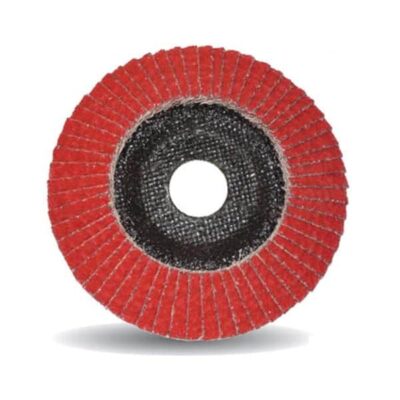
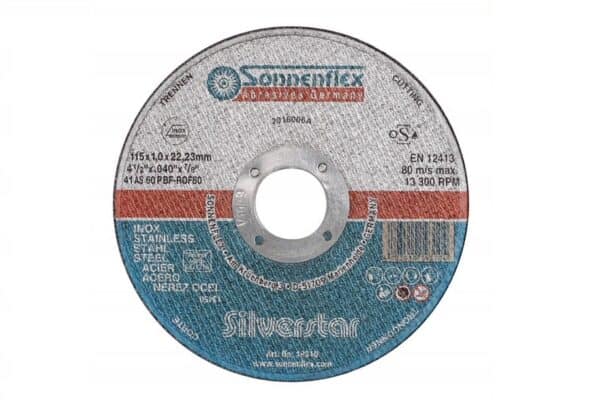
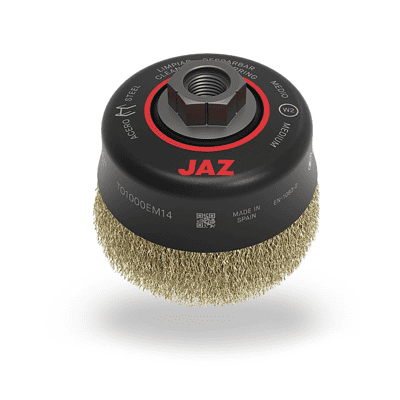
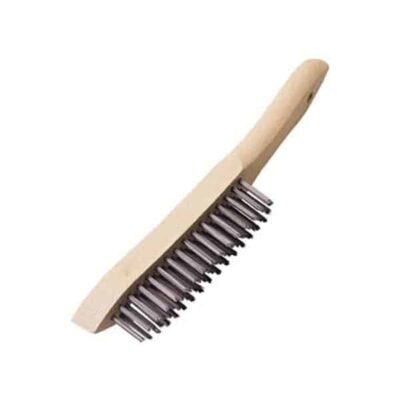
The corded versus cordless decision should not distract from the fundamentals. A poor-quality or incorrect disc will compromise either machine. Match the accessory to the operation: a thin cutting disc for efficient cutting, a grinding disc for removal, a flap disc for blending and finishing, and a suitable wire brush for scale or coating removal.
Check that the disc diameter and maximum RPM are compatible with the grinder. Never fit an oversized accessory or remove the guard to gain access. Guards, side handles and correct working position are not optional extras, particularly when cutting steel section or grinding around welded corners.
Control is often more valuable than raw power. A smaller grinder may be the better choice for dressing a visible weld or working close to a finished edge, while a larger model may suit cutting heavier plate. Features such as soft start, restart protection, anti-vibration handles and effective dust control can make a meaningful difference to operator comfort and safe use over a shift.
Choosing for a Workshop, Site Team or Mixed Operation
A fabrication workshop with permanent benches should normally base its grinder provision on corded units. They provide dependable output for the routine work that keeps production moving. Cordless grinders then serve as supplementary tools for quick jobs away from the bench, yard work, vehicle repairs and awkward installations.
A mobile maintenance contractor may take the opposite approach. Cordless grinders can be the primary everyday tool, supported by enough batteries for the expected workload, while a corded grinder remains available for prolonged cutting or emergency heavy-duty work where a supply is available.
For mixed operations, standardising around a battery platform can simplify charging and spares management, but it should not force every task onto cordless equipment. There is little sense wearing through batteries on a full afternoon of aggressive weld grinding when a suitable mains-powered tool is available nearby.
Cost Should Be Measured Against Downtime
The purchase price is only one part of the decision. Corded tools can have lower entry costs because there are no batteries and chargers to buy. They can also remain productive for long periods with basic maintenance, sound cables and regular inspection.
Cordless systems carry a higher initial cost once batteries, chargers and spare packs are included. Their return comes from reduced setup time, better access and the ability to complete work where mains power is unavailable or inconvenient. On a repair callout, that saved time may outweigh the cost difference immediately.
Also account for consumables. The wrong disc, excessive pressure or using one grinder for every operation shortens accessory life and slows the operator. Keeping suitable cutting, grinding and finishing discs at the point of use often has a greater effect on productivity than chasing small differences in tool specification.
Before buying, assess the heaviest operation the grinder will regularly perform, not the occasional light task. Specify enough power, the right disc size and a safe, realistic duty cycle. A corded grinder should be the workhorse where continuous output matters; a cordless grinder should be ready wherever access, response time and freedom of movement keep the job moving.