
















Blog
Fabrication Consumables Buying Guide for Workshops
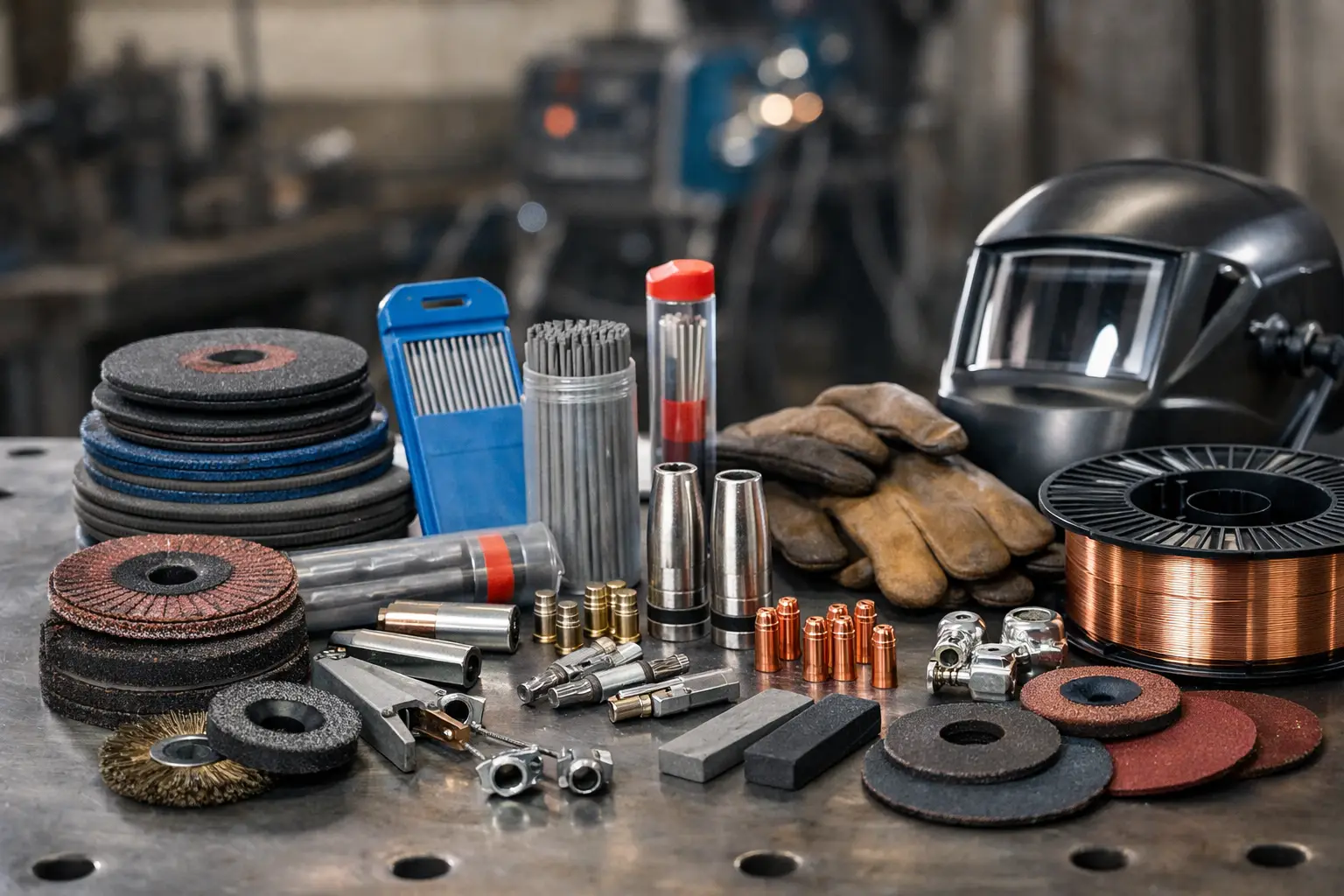
A consumable is only a small line on a purchase order until it causes porosity, excessive spatter, a failed inspection or an operator standing idle. This fabrication consumables buying guide is designed for workshops that need to buy on specification, control repeat costs and keep welding and metalworking work moving without compromising quality.
The correct buying decision starts with the job, not with the lowest unit price. Parent material, joint design, welding process, position, required finish and production volume all affect what should be ordered. A wire, disc or electrode that looks economical in the stores can become expensive when it slows deposition, increases rework or wears out before the task is complete.
Start with the fabrication specification
Before selecting consumables, define the material and the standard the finished work must meet. Mild steel general fabrication has different requirements from stainless food-process work, aluminium repair or structural assemblies subject to documented welding procedures. Match filler material to the parent metal, but also consider the service environment. Corrosion resistance, temperature exposure, impact performance and coating requirements can all change the correct choice.
For repeat production, work from approved welding procedure specifications where they are available. These set the limits for process, filler classification, shielding gas, preheat and other variables. Buying outside those limits may create inconsistency between shifts and can invalidate qualification requirements.
Joint preparation matters as much as filler selection. Heavy plate with a wide root opening requires a different approach from thin sheet with a tight fit-up. If the workshop regularly sees variable preparation, choose consumables and settings that give sufficient tolerance, then address the cause of poor fit-up rather than trying to compensate indefinitely with extra weld metal.
Welding wire and electrodes: buy for the process
MIG/MAG wire should be selected by base material, wire diameter, shielding gas and the type of work being carried out. Smaller diameters offer control on thinner material and lower-current work. Larger diameters can improve deposition on heavier sections, provided the power source, torch and operator technique support them. Using oversized wire to chase speed on thin material commonly leads to burn-through, distortion and unnecessary clean-up.
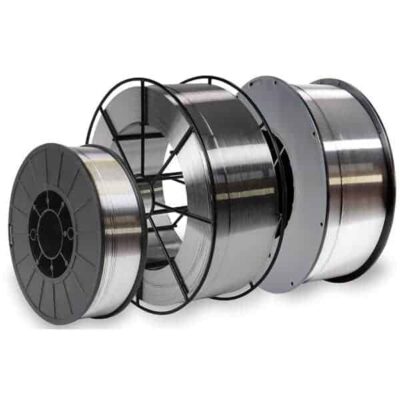
Wire condition is a practical purchasing issue. Copper-coated mild steel wire must feed consistently through the liner and contact tip. Poor winding, contamination or unsuitable storage can cause erratic arc behaviour and premature wear of feeding parts. Order wire in pack sizes that suit actual consumption. A busy production bay may benefit from larger drums, while intermittent work is often better served by smaller spools that will not sit exposed to workshop moisture and dust.
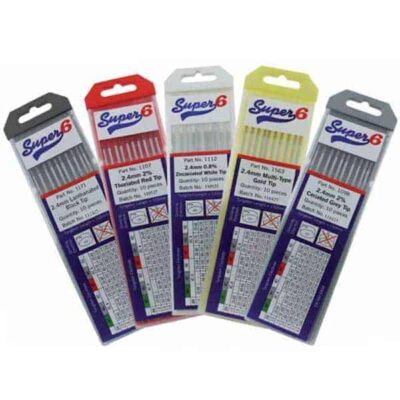
For TIG welding, filler rods need to match both material grade and application. Clean, correctly identified rods are particularly important for stainless steel and aluminium. Keep grades separated and labelled. Mixing similar-looking rods is an avoidable source of weld defects and traceability problems.
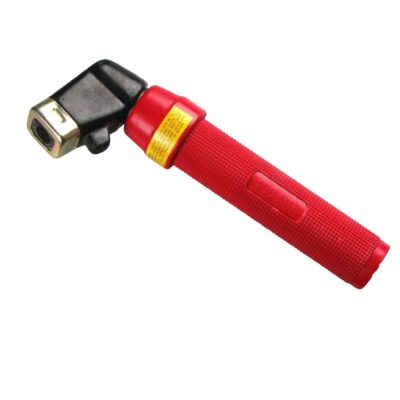
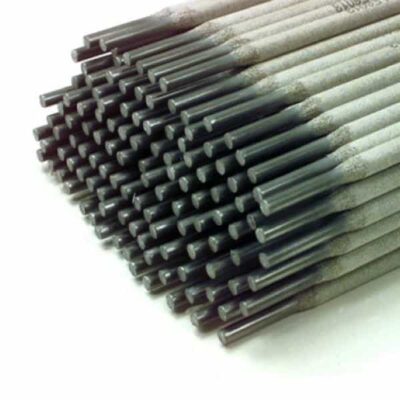
Stick electrodes remain useful for site work, repair, difficult access and applications where wind makes gas shielding impractical. Their coating type affects penetration, slag behaviour, positional capability and mechanical properties. Low-hydrogen electrodes require controlled storage after opening. If your work calls for them, factor a suitable holding oven and stock rotation into the purchase decision. Buying premium electrodes without controlling moisture defeats the purpose.
Shielding gas is part of weld quality
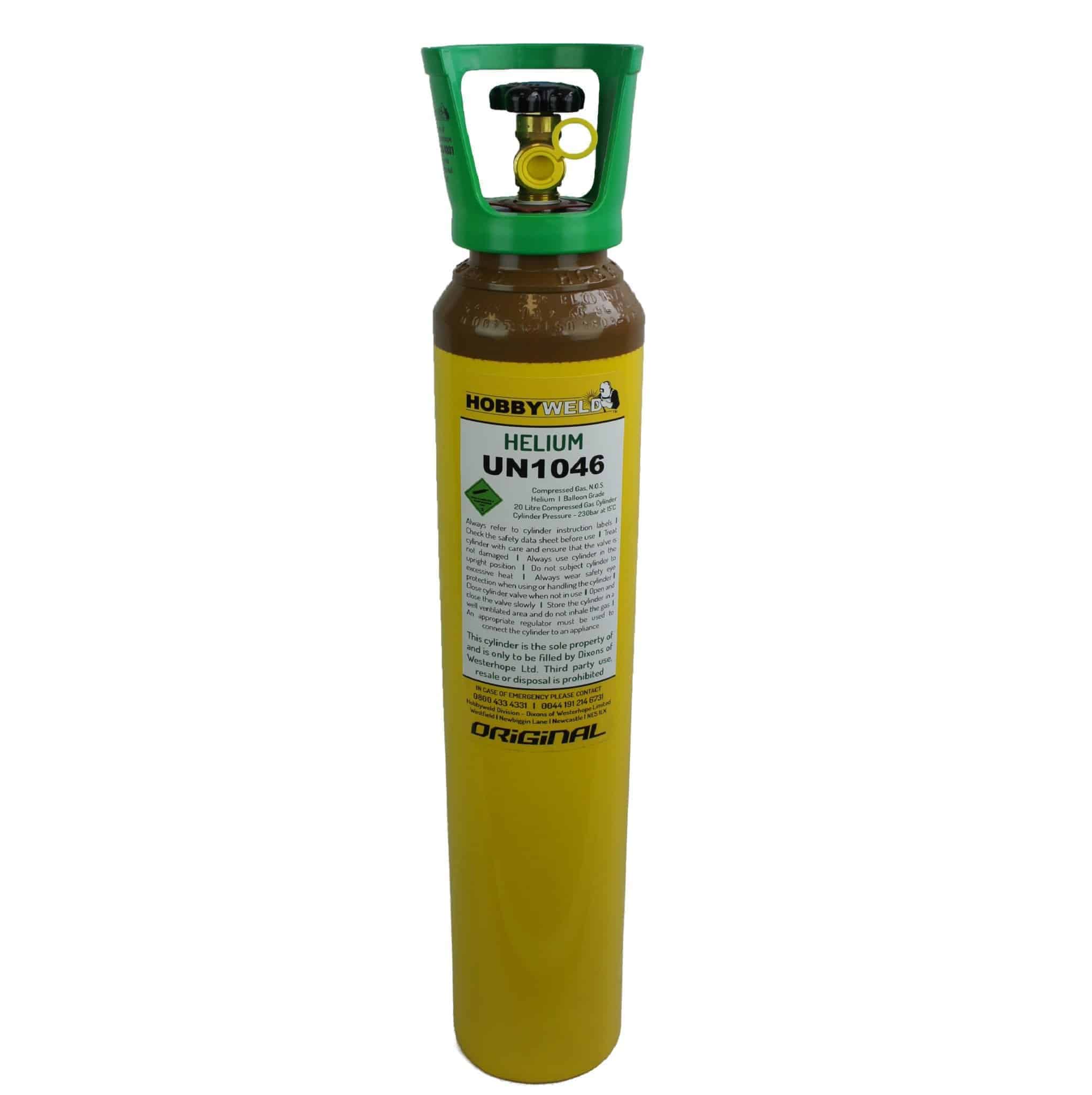
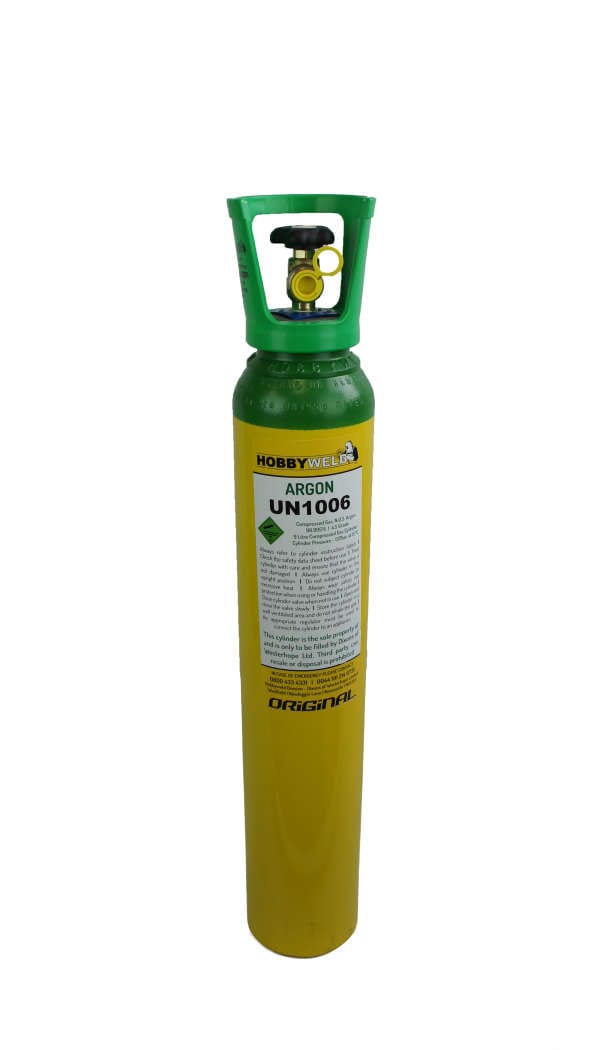
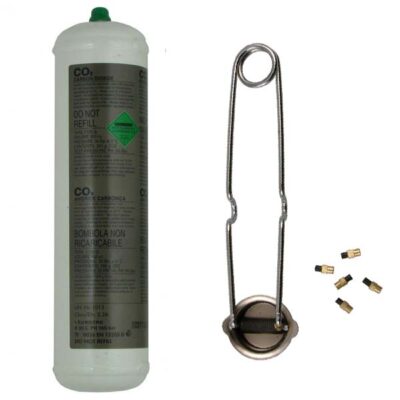
Gas is not a utility to be chosen after the wire. It directly affects arc stability, penetration profile, spatter levels and bead appearance. A mixed gas suited to general steel fabrication can support productive MAG welding, while applications requiring cleaner finishes or specific material performance may need a different blend. Pure gases also have defined roles, particularly in TIG work and particular metal applications.
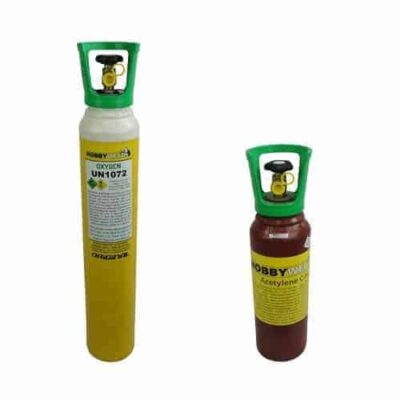
Choose gas according to the approved procedure and actual working conditions. A gas that performs well on automated, flat-position fillets may not be the best answer for manual positional welding. Review cylinder rental, refill availability, delivery arrangements and the number of cylinders required to prevent downtime. It is worth calculating usage by shift rather than finding an empty cylinder halfway through a critical job.
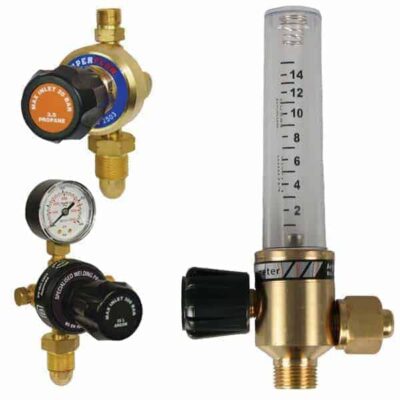
Leaks are a hidden consumables cost. Inspect regulators, hose connections, torch fittings and cylinder handling practices. Excess flow is not a cure for poor shielding. It can create turbulence that draws air into the gas envelope, producing the very porosity it was intended to prevent.
Do not treat torch spares as an afterthought
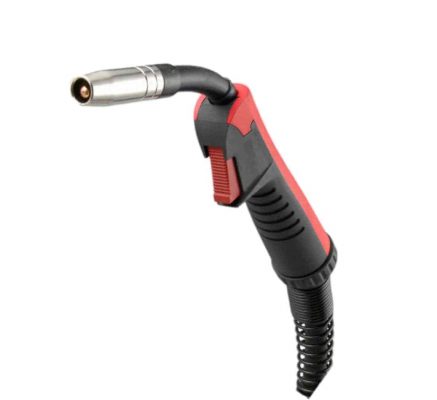
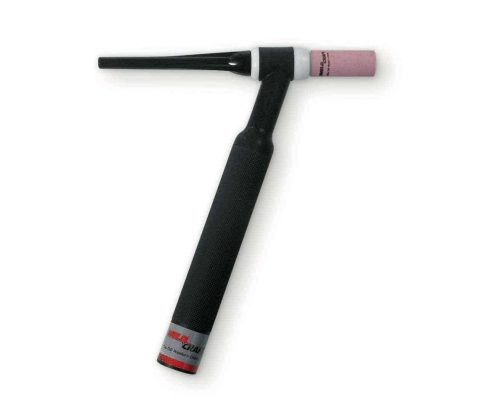
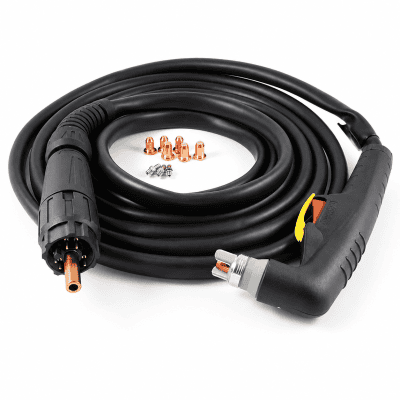
Contact tips, nozzles, liners, diffusers, collets and ceramic cups are consumables with a direct effect on arc performance. A worn contact tip can cause poor electrical transfer and inconsistent wire feeding. A blocked nozzle restricts shielding gas. A liner that is contaminated, kinked or wrong for the wire type creates feed issues that are often mistaken for a machine fault.
Standardise compatible torch wear parts across the workshop where possible. This reduces the number of stock lines and makes it easier for operators to obtain the correct replacement. Standardisation should not force one unsuitable torch arrangement onto every job. High-amperage production, aluminium wire and confined-access work may each need a different setup.
Set minimum stock levels for high-turn items. The right quantity depends on lead time, number of welding stations and usage rate, but there should always be enough tips, nozzles and liners to cover normal wear and a short-term increase in workload. A low-value tip should never hold up a fabrication cell.
Abrasives should match the operation
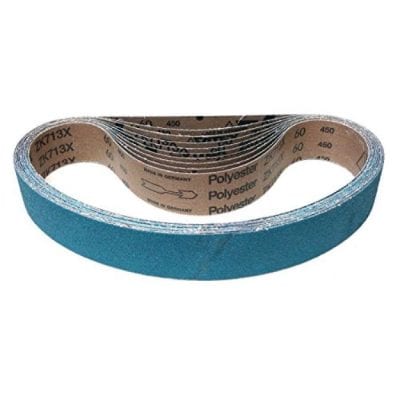
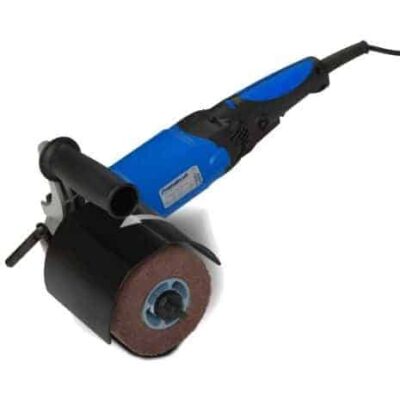
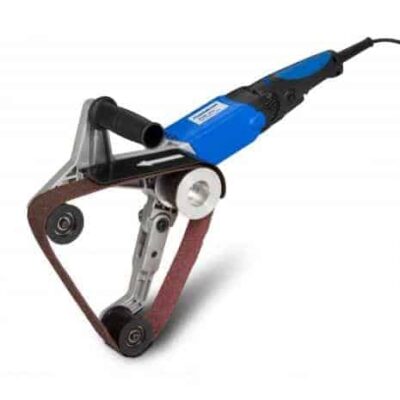
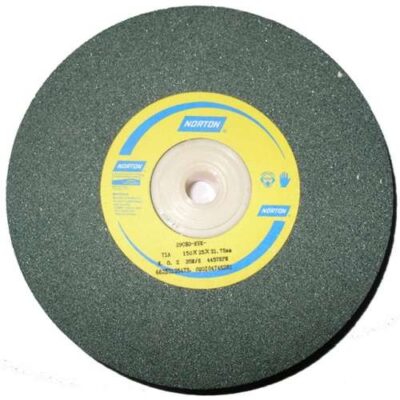
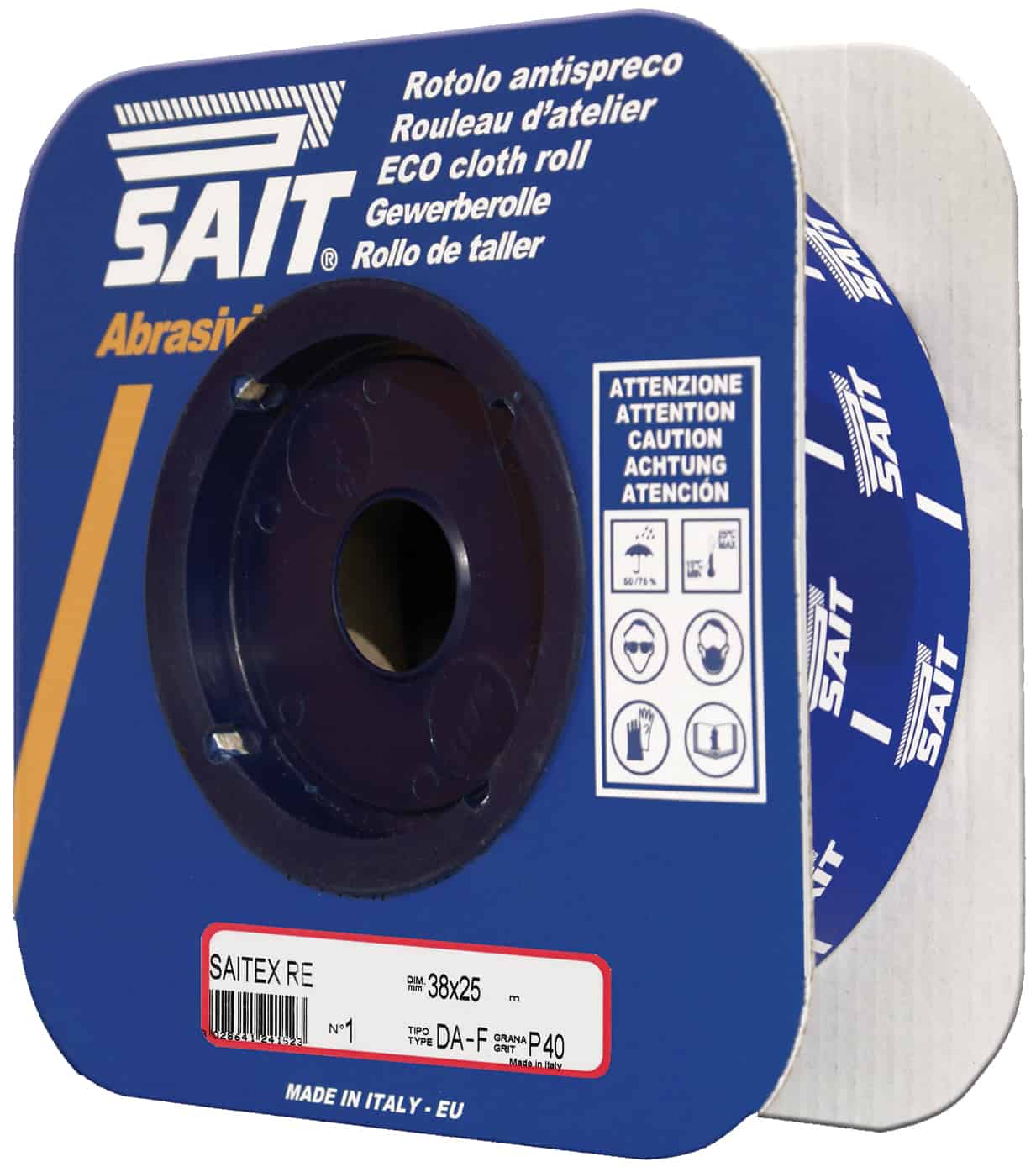
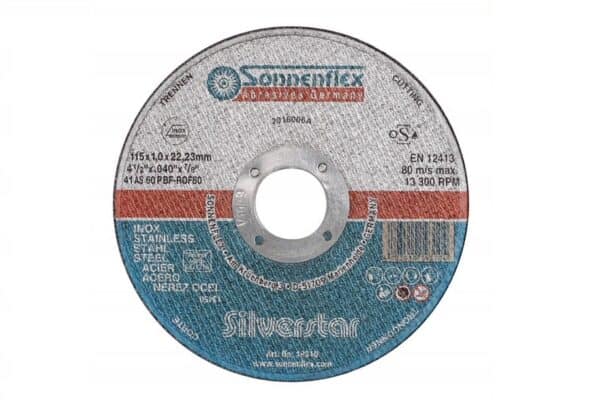
Grinding and cutting discs are often bought by diameter and price alone. That misses the main question: what operation must the abrasive perform? Cutting, weld dressing, stock removal, blending and final finishing each demand a different product type and grain selection.
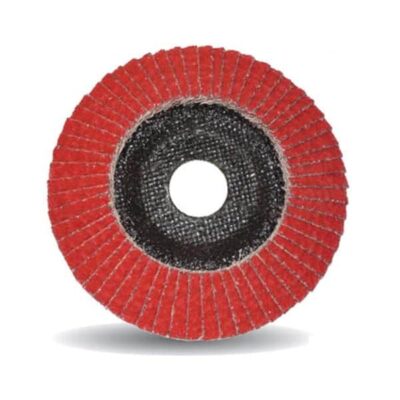
A thin cutting disc gives a narrow kerf and can reduce material loss, but it is not designed for side loading or heavy grinding. A grinding disc removes weld metal effectively, while a flap disc offers more control for blending and finishing. For stainless steel, use abrasives intended for stainless applications and keep them segregated from carbon-steel abrasives. Cross-contamination can leave embedded particles that later appear as corrosion staining.
Consider the total cost of the abrasive rather than the pack price. A disc with a longer usable life, stable cutting action and less downtime for changes may offer better value. However, the most aggressive disc is not always the best choice on thin material or where finish quality is critical. Match disc diameter and speed rating to the grinder, and remove damaged or expired discs from service.
Include preparation, protection and handling supplies
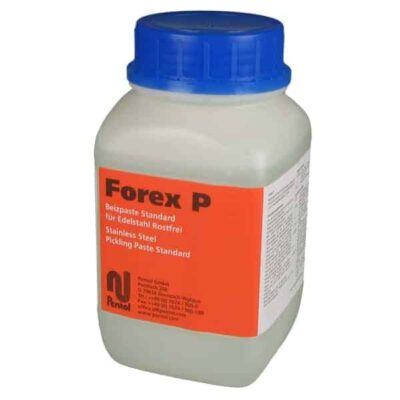
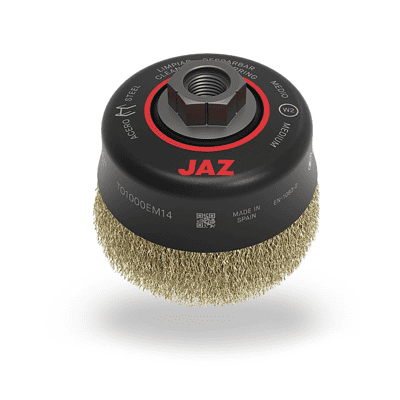
Weld quality begins before the arc is struck. Degreasers, weld-cleaning products, anti-spatter compounds, wire brushes and markers all support repeatable work. Select cleaning products that are suitable for the material and subsequent process. Residue that is harmless on general steel can be unacceptable where paint adhesion, galvanising or stainless cleanliness is required.
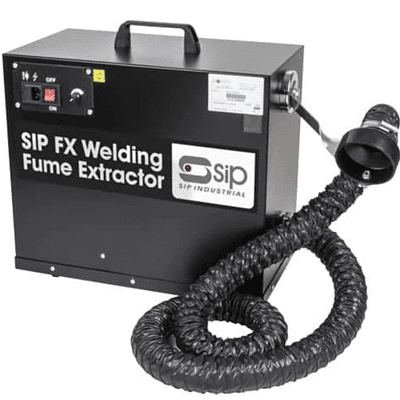
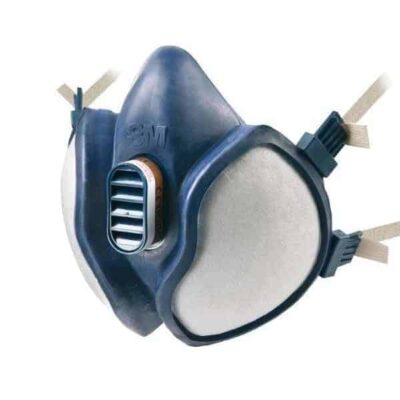
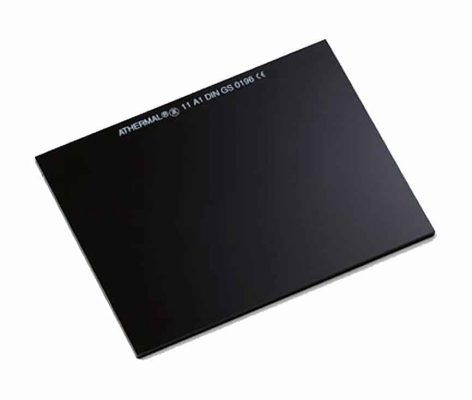
Personal protective equipment should be specified alongside production consumables, not ordered only when stocks run out. Welding gloves, helmet lenses, respiratory protection, hearing protection and suitable clothing are working items that degrade with use. The correct choice depends on the process and exposure. A worker grinding continuously has different eye, face and respiratory needs from a TIG welder carrying out short, clean runs at a bench.
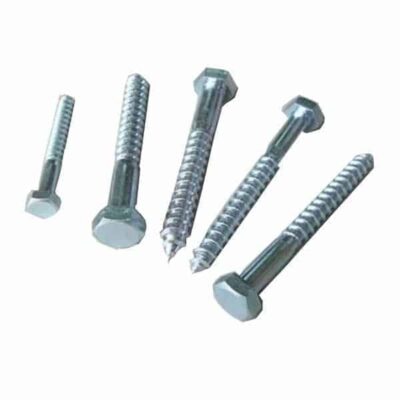
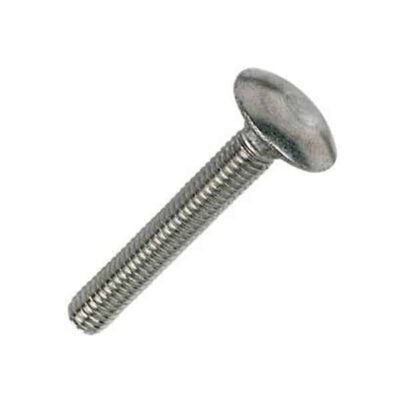
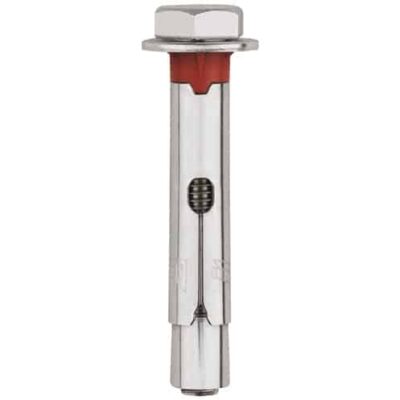
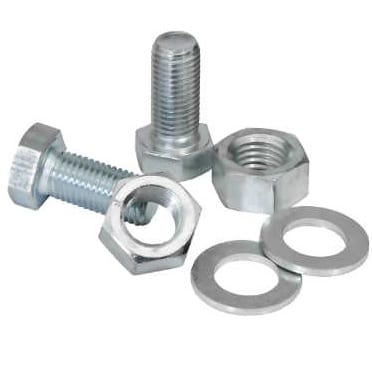
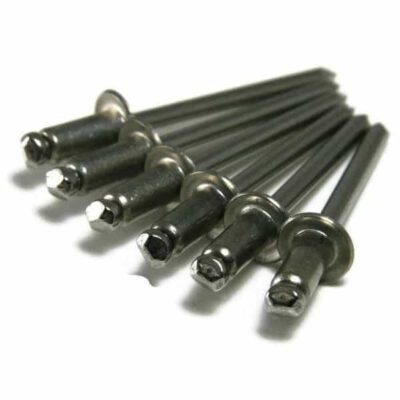
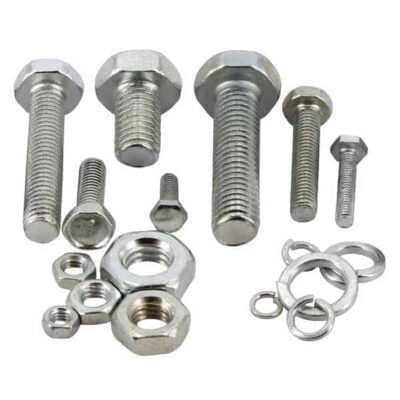
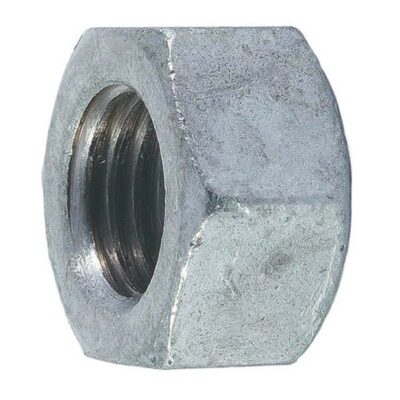
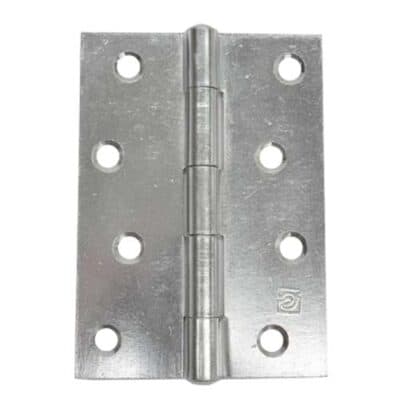
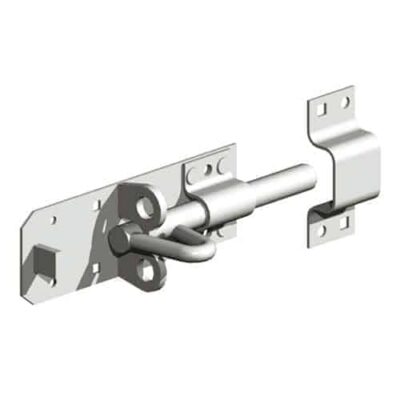
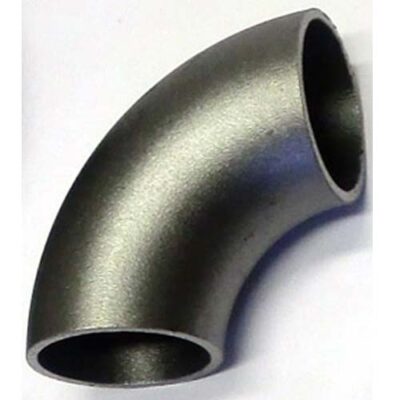
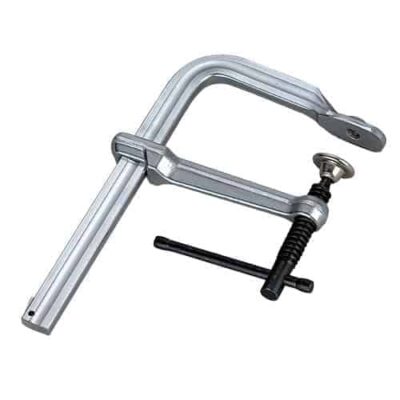
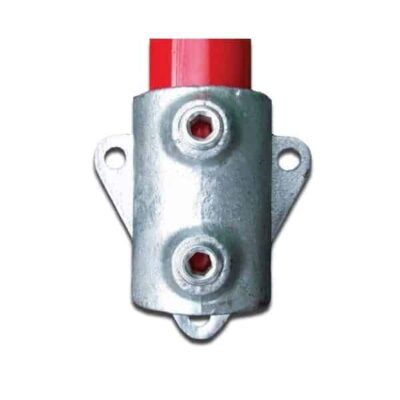
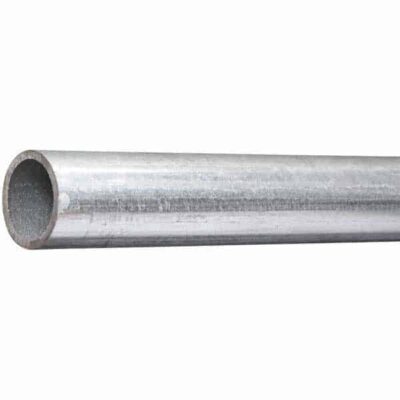
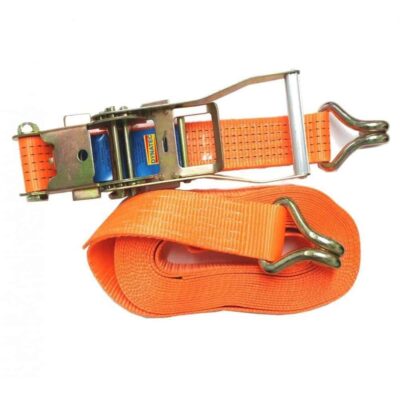
For sites handling sheet, tube and fabricated frames, do not overlook handling and assembly hardware. Weldable hinges, weldable elbows, key clamps, bolts, nuts and washers should be selected for load, material compatibility, corrosion exposure and required finish. Stocking the right fittings prevents improvised solutions that cost time and weaken the finished assembly.
Control stock without filling every shelf
A sensible consumables programme separates fast-moving standard items from project-specific materials. Keep reliable stock of the products used every week, then purchase unusual filler grades, specialist abrasives and uncommon hardware against confirmed work. This protects cash flow and reduces the risk of obsolete or deteriorated stock.
Record batch numbers where traceability is required, particularly for filler metals used on certified work. Apply first-in, first-out rotation, keep consumables dry and clean, and store them away from grinding dust and chemical contamination. Clear labelling matters: an unidentified spool or packet should not enter production simply because it appears to be the right item.
Review usage against output at regular intervals. A sudden increase in wire, gas or disc consumption can reveal poor parameters, leaks, excessive rework or a change in material condition. Procurement data is useful workshop data when it is compared with the jobs being produced.
The best buying decision is the one that gives the welder a consistent result, the supervisor predictable output and the business fewer interruptions. ProWeld can help workshops build a practical core range around their materials, processes and day-to-day fabrication demands.