
























Blog
Fabrication Technology Trends That Affect Output
A fabrication shop rarely loses time because one major machine fails. More often, output is reduced by small, repeated delays: parts arriving poorly prepared, a welder waiting for a drawing revision, inconsistent fit-up, rework discovered late, or consumables that do not match the job. The fabrication technology trends worth watching are the ones that remove those delays without creating unnecessary complexity.
For workshop owners, fabrication managers and maintenance teams, the question is not whether every new system is useful. It is whether it improves throughput, weld quality, traceability or labour utilisation on the type of work actually being produced. The best investments support sound fabrication practice. They do not compensate for poor preparation, weak procedures or unsuitable equipment.
Fabrication Technology Trends Changing Workshop Decisions
Automation is moving towards repeatable, high-volume work
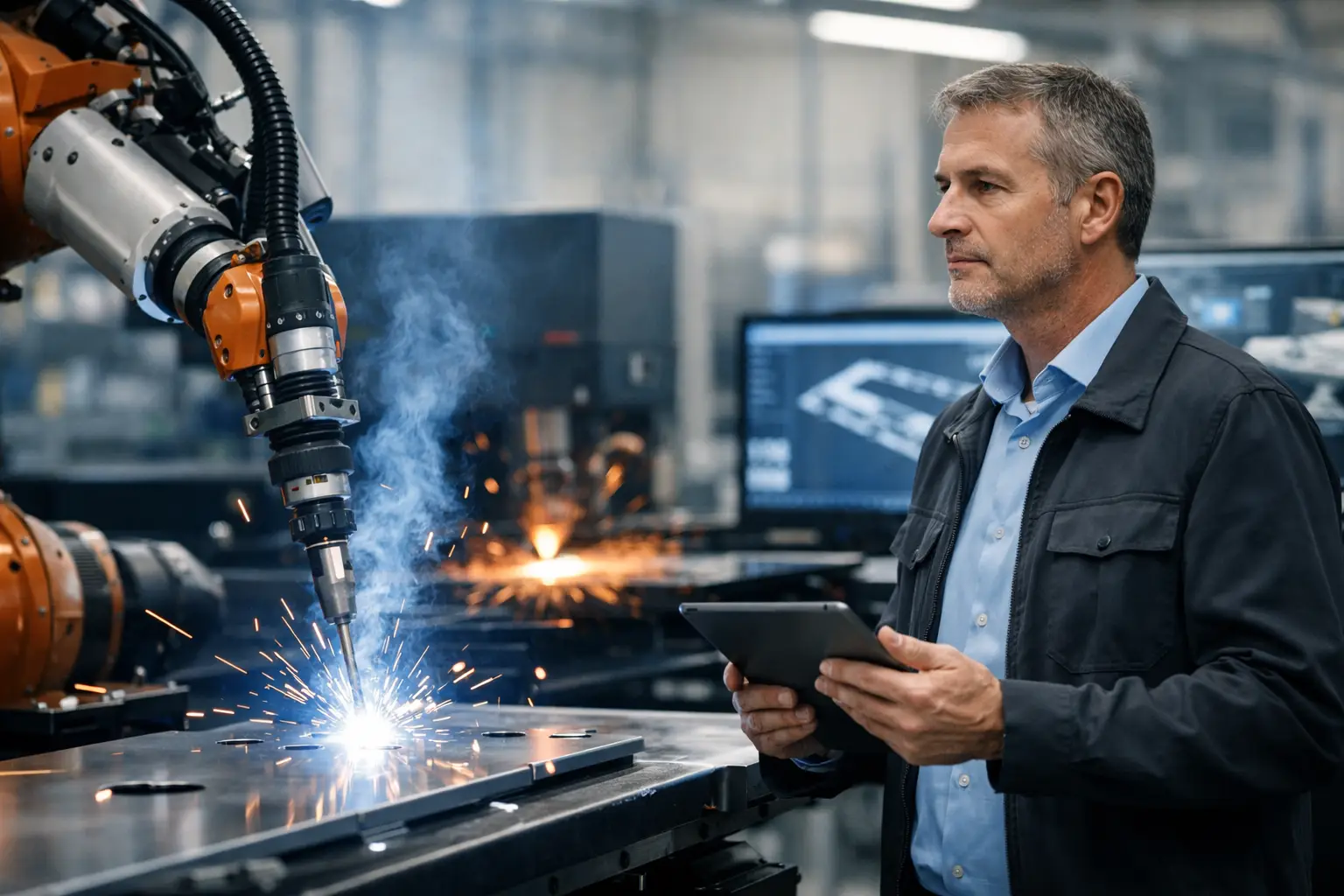
Automation is no longer limited to major production plants, but it is still not a universal answer. Robotic and collaborative welding cells are increasingly practical for repetitive assemblies, consistent joint positions and predictable batch sizes. Typical examples include brackets, frames, guards, handrail components and production fabrications with stable fixtures.
The main gain is consistency. A correctly set cell can maintain travel speed, torch angle and deposition parameters across a run far more reliably than manual welding over a long shift. It can also release skilled welders for fit-up, complex positional work, repairs and jobs where human judgement is the real bottleneck.
However, automation relies on disciplined upstream processes. If cut parts vary, holes are misplaced, material is distorted or fixtures are improvised, the cell will stop frequently. A robotic welder is not a solution for variable fit-up. Before committing to automation, assess part repeatability, fixture quality, programming time, batch frequency and the availability of an operator who can maintain the process.
For many small and medium fabrication businesses, semi-automation delivers a stronger return first. Rotary positioners, mechanised carriages, dedicated jigs and improved clamping can reduce handling and improve weld access without the capital cost or programming demands of a full cell.
Digital drawings must reach the workshop floor properly
Digital job management is becoming more valuable because fabrication work is increasingly controlled by revision accuracy. Drawings, cutting files, welding procedure information, material certificates and inspection records need to be accessible at the point of work, not held in a folder in the office or on one supervisor’s computer.
The practical benefit is fewer assumptions. A fabricator can verify the current revision before cutting or assembly. A supervisor can see where a job is held up. Quality teams can connect inspection records to the correct batch, material and procedure. This matters particularly for structural, architectural, pressure-related or customer-audited work, where traceability is part of the deliverable.
Digital systems do not need to mean a large enterprise platform. A controlled job pack, tablet-accessible drawings and a clear revision process can solve a great deal. The priority is that information is current, legible and governed. Poorly managed digital paperwork can create errors just as quickly as paper copies.
Data is becoming useful when it is tied to a decision
Connected welding equipment and production monitoring can record arc-on time, parameter ranges, downtime and consumable use. That data has value when it answers a specific production question. If a fabricated assembly is consistently overrunning, for example, recorded arc time may show whether welding is genuinely the issue or whether most labour is being lost in preparation and handling.
Managers should be cautious about collecting figures simply because a machine can provide them. Useful measures are usually straightforward: first-pass weld acceptance, rework hours, set-up time, material yield, on-time completion and consumable consumption per job. These figures support purchasing, quoting and training decisions far better than a dashboard full of unexplained readings.
Traceability is also becoming a competitive requirement rather than an administrative extra. Customers increasingly expect fabricators to demonstrate what material was used, which procedure applied and how critical work was checked. The required level depends on the sector. A one-off farm repair does not need the same records as controlled engineering work, but clear identification and orderly records protect both the supplier and customer.
Cutting, Preparation and Fit-Up Are Getting More Attention
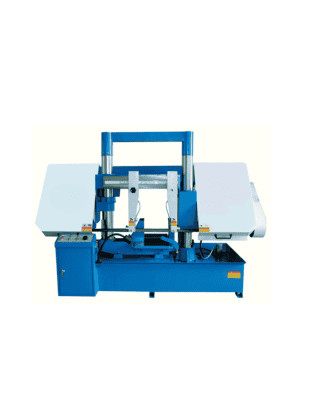
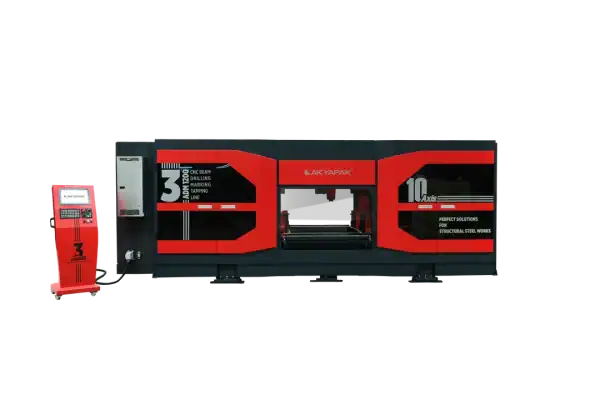
The industry has long focused on the weld itself. In practice, cutting accuracy, edge condition and joint preparation often determine whether welding is quick and reliable. Better nesting software, CNC cutting systems and marking capability are helping workshops reduce offcuts, identify parts and bring components to assembly with less manual sorting.
The trade-off is that faster cutting can expose weaknesses elsewhere. If material is cut quickly but parts are not labelled, inspected or staged properly, the assembly area can become more disorganised. The aim is a controlled flow from stock to cut part, fit-up and welding, not simply maximum cutting speed.
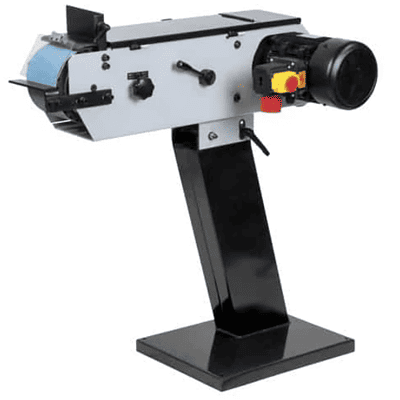
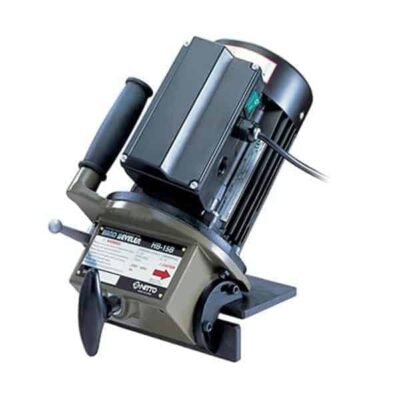
Bevel preparation is another area receiving closer attention. Consistent bevel angle, root face and root gap reduce variation in penetration and weld volume. On thicker material, accurate preparation can save significant welding time and reduce the risk of repair. The right approach depends on material grade, thickness, access, welding position and the approved procedure. A preparation that suits mild steel fabrication may not be appropriate for stainless or aluminium work.
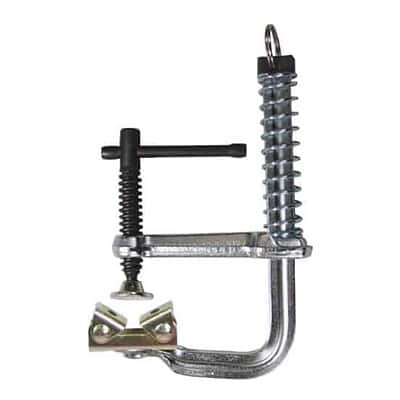
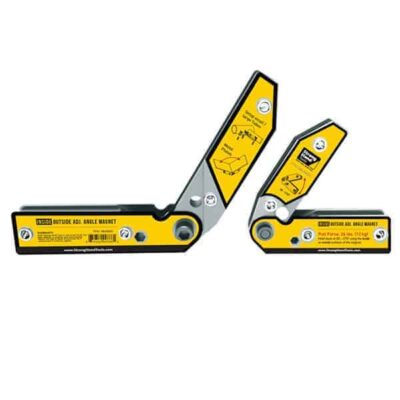
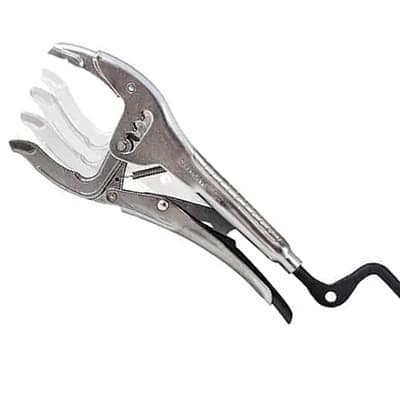
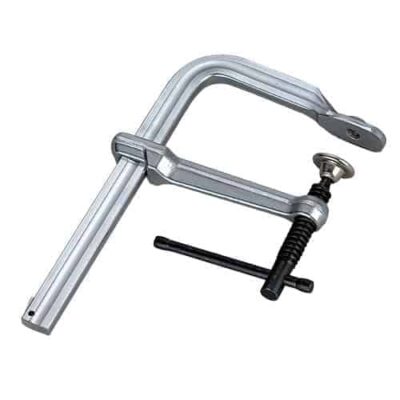
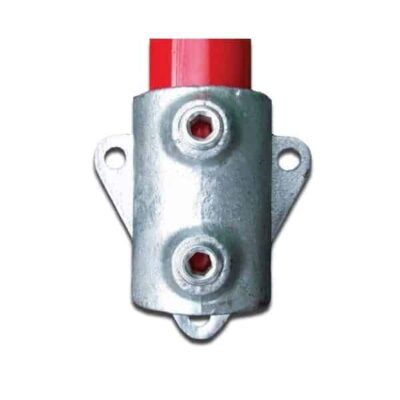
Fit-up equipment remains central to this trend. Quality clamps, magnetic aids used appropriately, fixture tables, locating pins, weldable hinges and correctly specified components all help make assemblies repeatable. These are modest purchases compared with automated machinery, but they often have an immediate effect on distortion control and labour time.
Consumable selection is becoming more application-specific
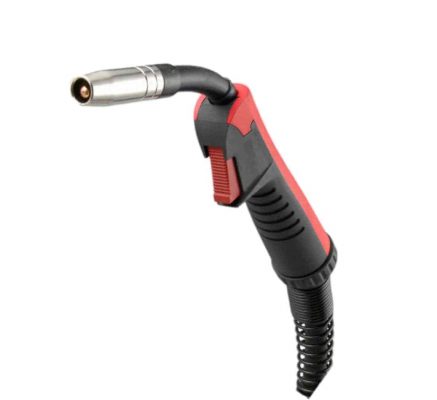
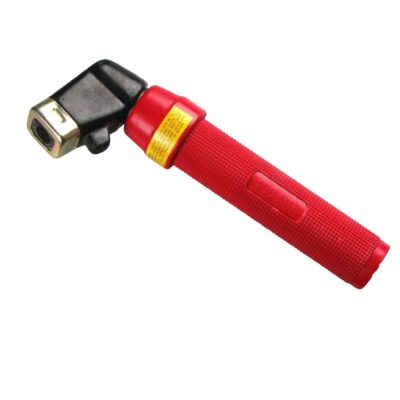
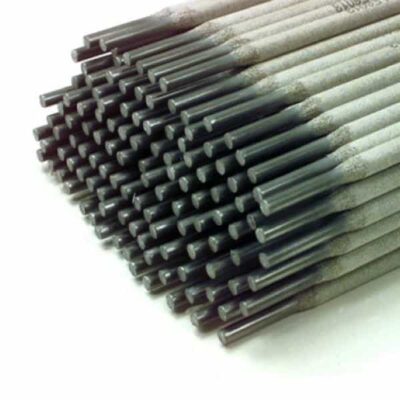
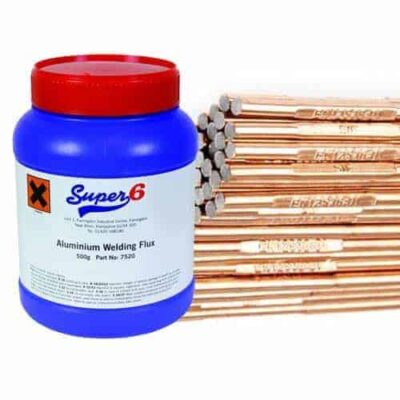
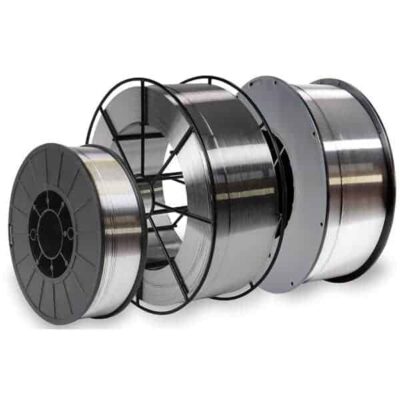
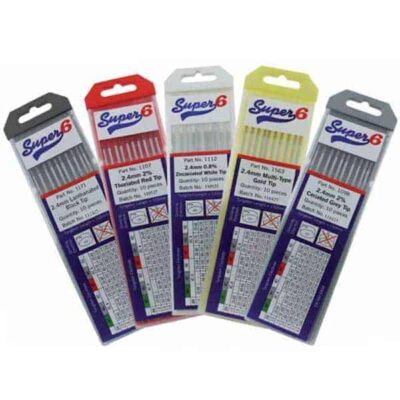
Fabricators are under pressure to improve output while maintaining weld quality, which has made consumable selection less of a routine purchase and more of a process decision. Wire, electrodes, shielding gas and abrasives should be selected for the material, joint, positional requirements, finish expectations and productivity target.
Using the lowest-priced consumable can be false economy if it causes unstable arc performance, excessive spatter, poor bead appearance or avoidable grinding. Equally, premium specification is not automatically justified for every job. The correct choice depends on the work. General fabrication, structural steel, thin sheet, repair work and corrosion-resistant material all place different demands on the process.
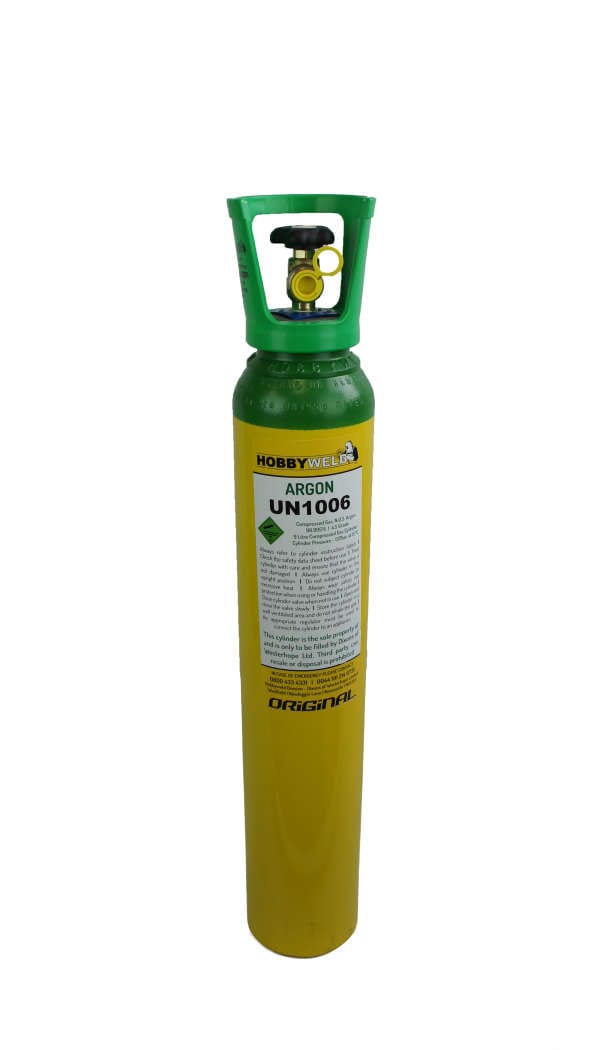
Stock control matters here. Poor wire storage, contaminated consumables, mixed material grades and empty gas cylinders in the middle of a run all create preventable downtime. Workshops are increasingly treating consumables as production-critical inventory, with agreed minimum stock levels and clearly identified storage areas.
Safer, Cleaner Fabrication Is Becoming a Production Issue
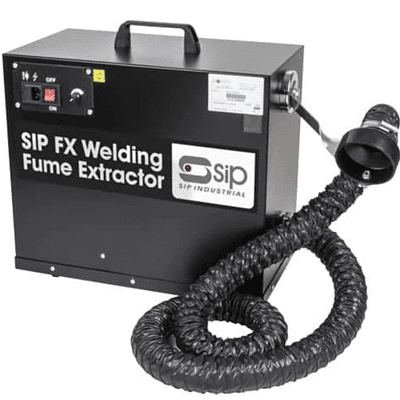
Fume control, noise reduction and improved ergonomics are not separate from productivity. A poorly arranged welding bay makes access harder, increases fatigue and encourages shortcuts. Effective extraction, sensible cable management, task lighting and properly positioned workpieces make it easier to produce sound work consistently.
The trend is towards local control of hazards rather than relying only on personal protective equipment. Extraction should be suitable for the welding process, material and workspace, with filters maintained as part of planned servicing. This is particularly important when working with coated materials, stainless steel or confined fabrication areas, where fume risks demand stronger controls.
Energy use is also becoming a purchasing consideration. Efficient inverter equipment, reduced idle time and planned cutting schedules can lower operating costs, but energy savings should not be viewed in isolation. Equipment must still provide the duty cycle, output stability and serviceability needed for commercial work.
The Skills Requirement Is Changing, Not Disappearing
Technology is raising the value of skilled fabricators rather than removing the need for them. A person still has to assess a drawing, control distortion, identify a poor fit-up, understand weld sequence and make safe decisions when a job differs from the plan. Automated equipment and digital records work best in the hands of people who understand the underlying process.
Training should therefore cover more than machine operation. Welders and supervisors benefit from understanding parameter control, material handling, visual inspection, basic fault finding and the effect of joint preparation on final quality. Cross-training is useful too. When cutting, fitting and welding teams understand each other’s constraints, handovers improve and rework falls.
The most productive workshops will not necessarily be those with the most technology. They will be the ones that pair suitable equipment with clear procedures, maintained fixtures, reliable consumables and people who can use all of them properly.
For buyers, the practical response is to start with the job that causes the most repeated delay. Measure the cause, improve the process around it, then specify the equipment or components that solve that exact problem. ProWeld can support that approach with trade-grade welding and fabrication supplies chosen for the realities of workshop production.