

























Blog
Magnetic Drill Review for Fabrication Teams
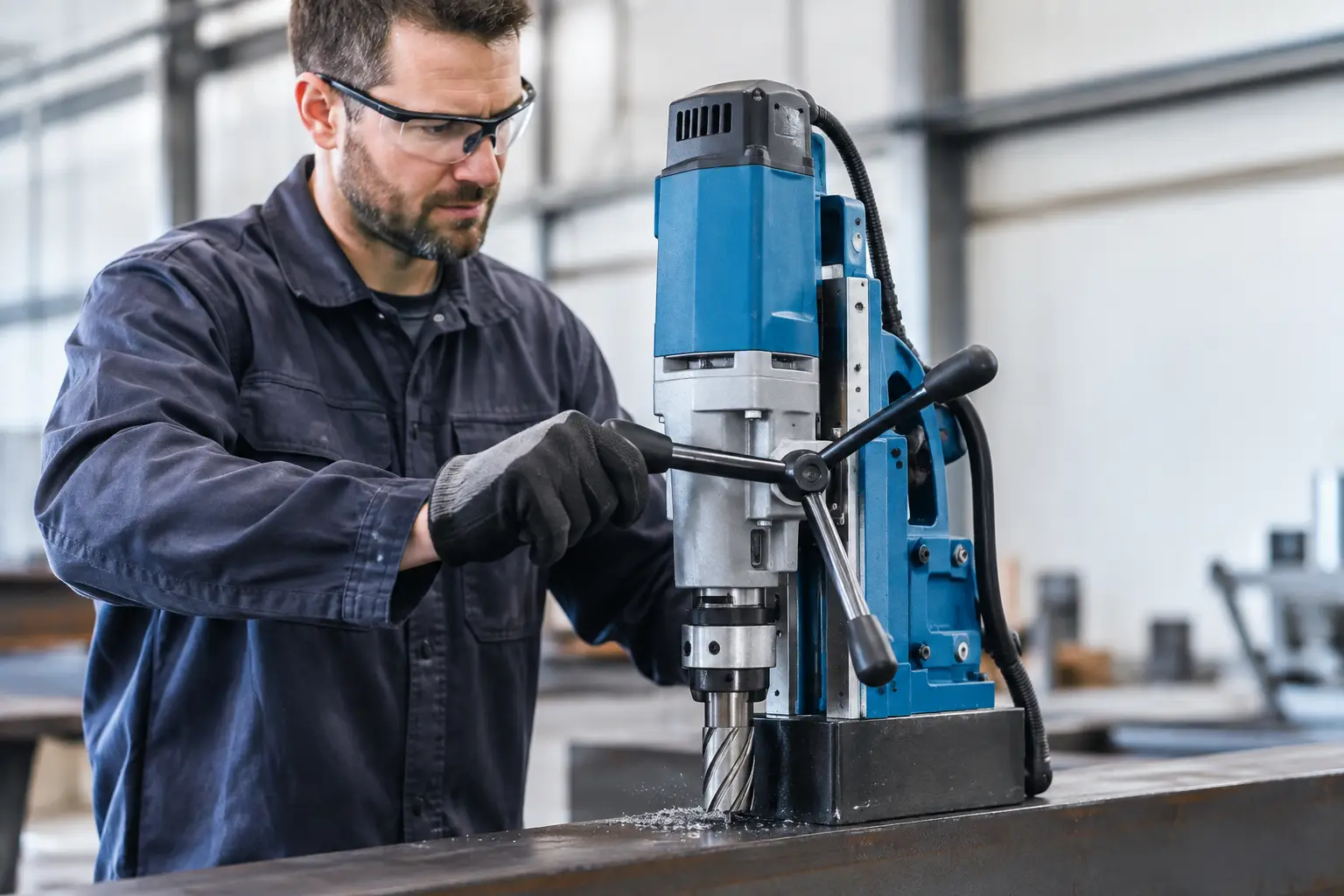
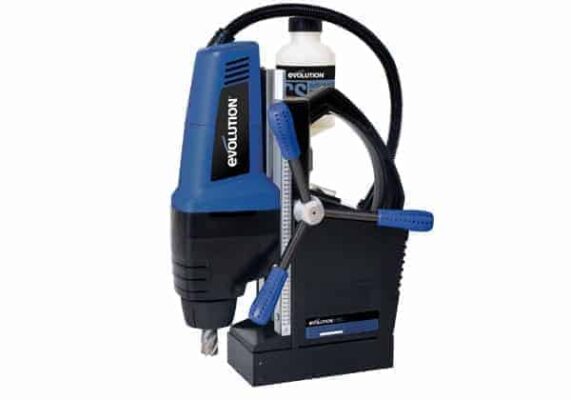
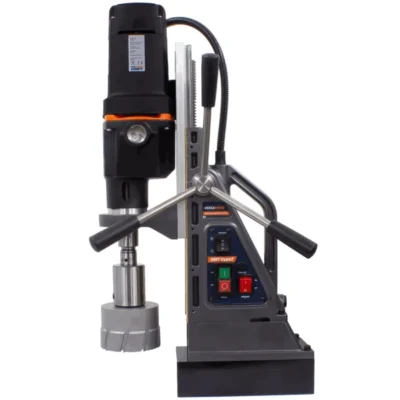
A magnetic drill that loses holding force halfway through a 26 mm hole is not merely inconvenient. It can damage the cutter, mark the workpiece and put the operator at risk. This magnetic drill review focuses on the points that matter on fabrication floors, maintenance shutdowns and structural steel jobs: drilling capacity, magnetic grip, cutter system, motor performance and practical site usability.
A mag drill is built for one job – producing accurate holes in ferrous steel where a pillar drill cannot reach or where moving the work to a machine is inefficient. The best unit is not automatically the one with the highest wattage or largest quoted capacity. It is the one that matches the steel thickness, hole range, access conditions and duty cycle of the work being carried out.
What a Magnetic Drill Must Deliver on Site
For professional use, hole quality and repeatability come before headline specifications. A drill should start cleanly, feed smoothly and leave a round, correctly sized hole with minimal burr. It must also remain stable when drilling vertical faces, horizontal beams or material with mill scale and surface contamination.
Magnetic holding force is central to this. Manufacturers usually quote a maximum pull in kilograms or newtons, but that figure is measured on clean, flat, sufficiently thick low-carbon steel. Real work is rarely so accommodating. Rust, paint, galvanising, weld spatter, uneven plate and thin section all reduce effective grip.
As a practical rule, inspect and clean the contact area before positioning the drill. The magnet needs full contact with the steel, and the machine must sit squarely without rocking. Do not assume a high pull-force figure makes a drill suitable for thin box section or heavily corroded structural members. In those situations, clamping arrangements, backing plates or a different drilling method may be required.
Magnetic Drill Review: The Specifications Worth Comparing
Annular cutter capacity and stroke
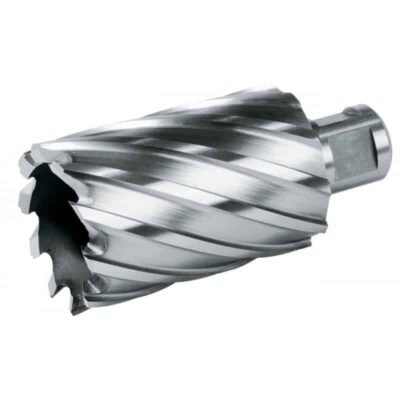
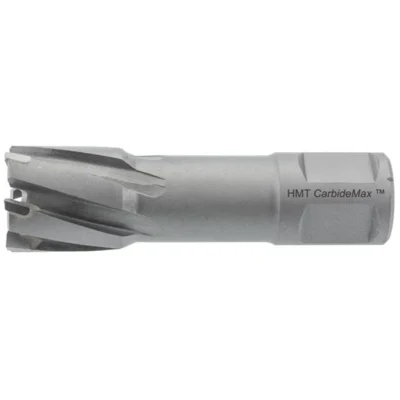
Annular cutters are the normal choice for larger holes because they remove a ring of material rather than drilling the entire diameter. This reduces cutting load and makes a magnetic drill considerably faster than using a large twist drill. Check both the maximum annular cutter diameter and the maximum cutting depth.
A machine rated for 35 mm cutters may be ideal for brackets, handrails and general workshop work. Fabricators producing base plates, machine guards or structural connections may need 50 mm, 65 mm or larger capacity. Cutter diameter alone does not tell the full story: the drill stroke must be long enough to complete the cut, allow for cutter length and provide clearance to remove the slug.
For work involving stacked steel, thick plate or deep channels, confirm that the cutter depth matches the material. Forcing an extension into a set-up that lacks rigidity can increase run-out and shorten cutter life.
Motor power, speed and gearbox arrangement
More motor power gives useful reserve, but it does not excuse poor feeding technique or unsuitable cutters. A machine with adequate torque at the correct cutting speed is generally more productive than a high-speed unit that stalls under load.
Single-speed drills suit regular work within a narrow cutter range. Two-speed or variable-speed machines offer greater flexibility where operators move between small twist drills, larger annular cutters and tapping operations. Lower speeds are especially useful for larger diameters and hard steels, while a faster setting can suit smaller holes.
Review the speed range against the tooling you will use. Excessive speed creates heat, work-hardens the cutting edge and can turn a good cutter into scrap after only a few holes. A controlled feed and reliable coolant supply matter just as much as motor output.
Arbor, coolant and cutter compatibility
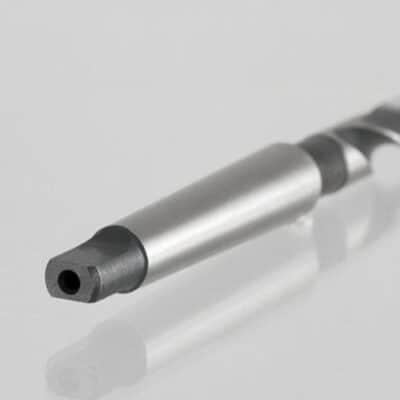
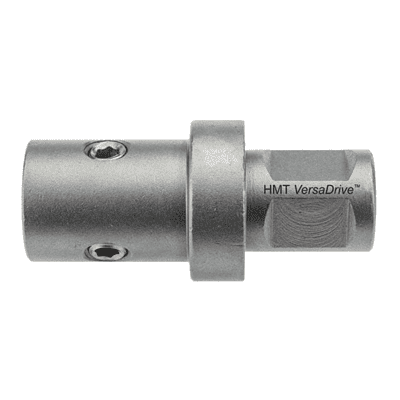
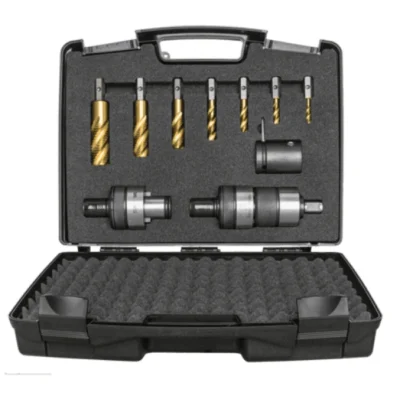
The arbor determines which cutters and pilot pins the drill accepts. A common shank system makes sourcing replacement cutters straightforward, but do not buy on assumption. Confirm the shank type, pilot pin length and whether the arbor supports internal coolant delivery.
Internal coolant is a practical advantage when drilling horizontal steel. It directs cutting fluid into the cut, aids chip evacuation and extends cutter life. On vertical work, gravity limits its effectiveness, so suitable cutting paste or spray may be the better option. Whichever method is used, the objective is consistent lubrication without allowing fluid or swarf to compromise the magnetic base.
A sound coolant system should be easy to fill, secure in transit and simple to isolate when working overhead or on vertical faces. Fragile bottles and loose hoses become a nuisance quickly in a working environment.
Twist drilling and tapping capability
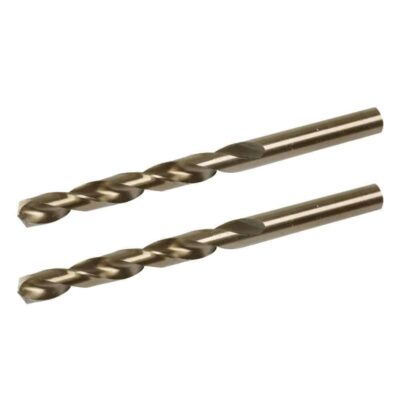
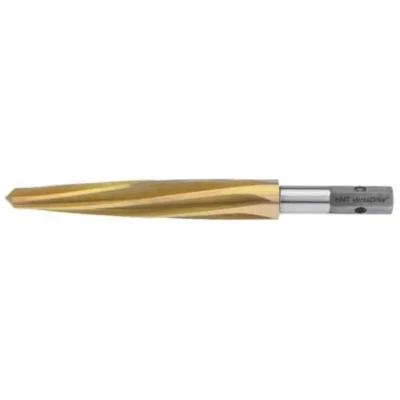
Many drills can accept a conventional drill chuck, usually through an adaptor, for smaller holes. This is useful for pilot holes, clearance holes and light reaming, but the maximum twist-drill diameter is often much lower than the annular cutter capacity. Check that specification separately.
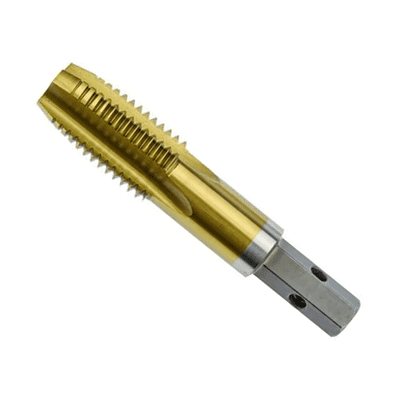
Where threaded holes are part of the job, a reversible motor and low-speed setting can make a magnetic drill a useful tapping machine. It still requires care. Tapping produces torque reaction, and the base must be firmly secured to suitable steel. Reversing capability, torque control and access around the workpiece determine whether this feature will save time or remain unused.
Build Quality Is a Productivity Issue
A magnetic drill spends its working life around steel chips, cutting fluid, cables, site dust and occasional knocks. The feed handles, slide mechanism, motor housing and control switches need to withstand that environment.
Check that the slide runs without excessive play. Movement in the slide can affect hole accuracy, particularly with larger cutters. It should also move freely enough that the operator can feel the cut rather than having to force the feed handle. Smooth feed gives better chip formation and reduces the chance of cutter tooth damage.
Cable routing deserves attention as well. A poorly positioned lead is easily snagged when working from steps, platforms or around fabricated assemblies. A long, durable cable and protected strain relief are practical details, not cosmetic extras.
Weight is another trade-off. A heavier drill often provides a more substantial frame and can feel steadier in use, but carrying it repeatedly up ladders or across a large site creates fatigue. For workshop use, weight is rarely decisive. For erection crews and mobile maintenance teams, a compact machine with sufficient capacity may be the more productive choice.
Safety Features Should Not Be Treated as Options
Magnetic drilling introduces a specific hazard: the tool is held to the work by magnetism, not by a fixed mechanical mounting. A safety chain or strap is essential when drilling vertical, angled or overhead surfaces. It protects against movement if power is interrupted or magnetic contact is lost.
Look for controls that prevent the motor running unless the magnet is energised. This magnetic base interlock is a sensible safeguard, though it does not replace correct preparation and secure positioning. An overload indicator can also help an operator recognise excessive feed pressure before the cutter overheats or the motor stalls.
Operators should wear suitable eye protection and manage swarf carefully. Annular cutters produce sharp, curled chips, and the expelled slug can be hot. Gloves are useful for handling material and clearing swarf only when the machine is stopped and isolated. They should not be used near rotating tooling.
Never rely on a magnetic drill on thin steel below the manufacturer’s minimum thickness, non-ferrous material or surfaces where the magnet cannot make full contact. For stainless steel, aluminium or irregular profiles, alternative fixing and drilling arrangements are normally required.
How to Assess a Drill Before Purchase
Start with the largest hole diameter and deepest material you drill regularly, rather than the largest hole you might encounter once a year. Then consider the working position. A fixed fabrication bench, a lorry chassis repair bay and a plant room all place different demands on the tool.
Ask whether the drill will mainly run annular cutters, twist drills or taps. Consider how often it will be moved, whether mains supply is available, and how quickly cutters, pilot pins and spare parts can be obtained. A lower-priced drill can become expensive if it has limited tool compatibility or spends too long out of service.
For a busy workshop, it is often sensible to standardise around a main production-capacity drill and retain a smaller portable unit for awkward access work. This reduces handling time without asking one machine to cover every possible task.
The right choice is the drill that holds securely on the steel you actually work with, accepts the cutters your jobs demand and can run reliably through a full shift. Specify it from the work backwards, keep the magnetic face clean, and it will earn its place in the fabrication bay.