





Blog
Metal Fabrication Fixings Guide for Trade Work

A failed fixing rarely announces itself at installation. The bolt that is too short, the washer omitted beneath a slotted hole, or the wrong material used outdoors can all create movement, corrosion and costly rework later. This metal fabrication fixings guide focuses on the practical decisions that determine whether a fabricated assembly stays aligned, secure and serviceable in trade use.
Metal fabrication fixings guide: start with the joint
Before selecting a bolt, hinge or clamp, define what the joint is expected to do. Is it holding two static steel plates together, carrying repeated vibration on plant, allowing a gate to swing, or fixing a handrail to a structure? The correct product follows the application, not the other way round.
A static bracket in a dry workshop may only need a standard zinc-plated bolt assembly. A vibrating machine guard needs suitable thread engagement, a locking method and enough clamping force to resist loosening. A gate hinge must deal with the leaf weight, opening frequency, alignment and exposure to weather. Treating all these jobs as a simple matter of fitting a bolt is how marginal assemblies are created.
The load path matters as much as the stated load. Look at where force enters the fabrication and where it is transferred. A bolt loaded in tension behaves differently from one carrying shear. A thin plate can deform around an otherwise adequate fastener. A hinge may have sufficient nominal capacity but still fail prematurely if poor positioning twists the pin or pulls the mounting area out of line.
Select bolts by diameter, grade and engagement
Bolt diameter is the obvious starting point, but it is not the whole specification. The bolt must have the appropriate strength grade, sufficient thread engagement and a suitable head style for the available access. Increasing diameter can improve capacity, but it also requires a larger hole and may reduce the remaining material around the edge of a plate.
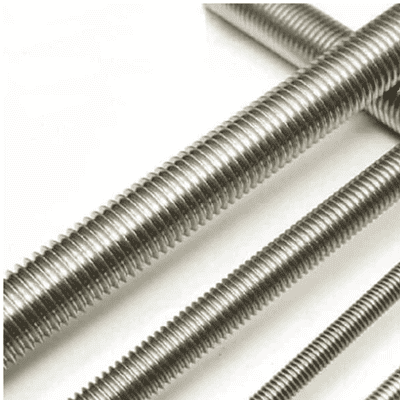
For steel-to-steel connections, make sure the unthreaded shank is positioned through the joint where possible. Threads sitting in a shear plane are less desirable than a plain shank, particularly on loaded or moving assemblies. Where a fully threaded bolt is necessary, confirm that it is appropriate for the load and joint design rather than relying on convenience.
Thread engagement is especially relevant where a bolt screws directly into tapped material. As a working rule, steel generally needs engagement around one bolt diameter to develop useful strength, although actual requirements depend on grade, loading and material thickness. Softer materials, including aluminium, often need greater engagement or an alternative arrangement such as a through-bolt with nut and washer.
High-tensile bolts are not automatically the right choice. They are useful where the design calls for higher clamp load or strength, but they must be matched with compatible nuts and installed correctly. Over-tightening can strip threads, distort thinner fabrications or place unnecessary stress into the joint. If torque is specified by the equipment manufacturer or drawing, follow it. If it is not, use a controlled approach based on bolt size, grade, lubrication and the materials being clamped.
Nuts and washers are part of the fixing system
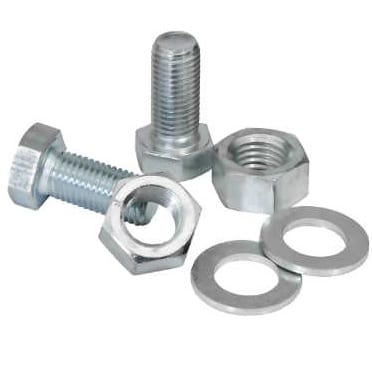
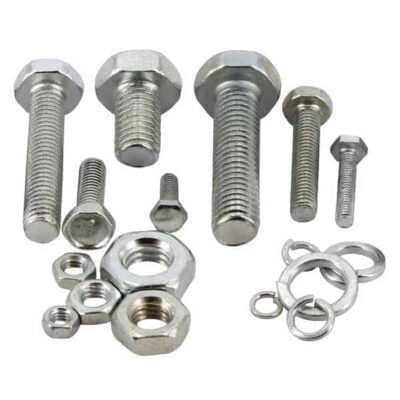
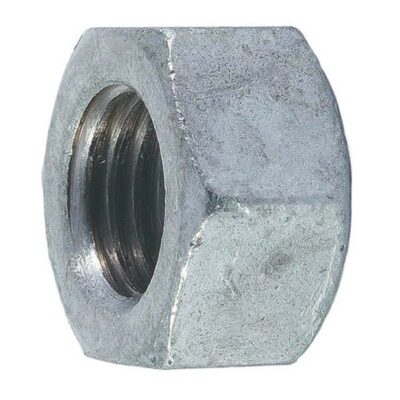
A nut is not just a matching thread. Standard hex nuts suit many general assemblies, while nyloc nuts, prevailing-torque nuts or a mechanical locking arrangement may be needed where vibration is present. A nyloc nut is practical for maintenance work, but it is not a cure for inadequate clamping force, poor joint fit-up or a bolt that is repeatedly worked loose by movement.
Washers spread load, protect the surface and support the nut or bolt head. On thinner steel, oversized washers can reduce the risk of local pull-through. On slotted holes, washers should fully bridge the slot. Spring washers are still encountered in general work, but they should not be assumed to provide dependable locking in every vibrating application. Where security matters, consider the complete arrangement: correct preload, locking nut or threadlocking compound where suitable, and a joint that does not move in service.
Avoid mixing materials without considering corrosion. Stainless steel fasteners in contact with carbon steel, aluminium or galvanised components can create issues in wet or coastal conditions. The severity depends on the environment, surface area ratio and whether moisture is retained at the joint. Isolation washers, coatings and sensible drainage can be as relevant as the fastener material itself.
Match the fixing finish to the environment
Indoor dry use is very different from external fabrication, agricultural equipment and washdown areas. Zinc-plated fixings offer general corrosion resistance, but the coating can be damaged during installation or by abrasion. For external steelwork, galvanised fixings may be the more appropriate choice, particularly where they are used with galvanised components.
Stainless steel is a sensible option in many damp, food-adjacent or corrosive environments, but grade selection still matters. Stainless can also gall, particularly on fine threads or when assembled dry at speed. Use a suitable anti-seize product where required, assemble carefully and avoid repeatedly running a nut on and off a bolt with an impact tool.
For painted fabrication, plan the fixing sequence. Drilling through a finished coating and installing a standard fastener can expose bare edges. Where corrosion protection is critical, treat cut edges correctly and select a finish that works with the coating system. A fixing that looks clean on the day of installation may become the first corrosion point on the job.
Use weldable fittings where adjustment is not required
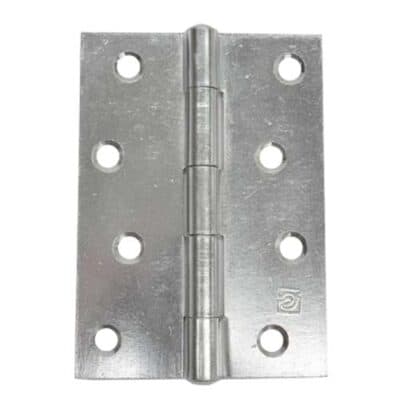
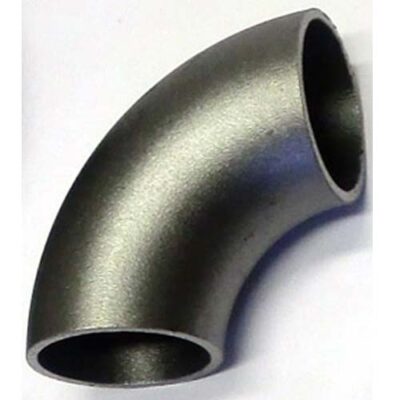
Weldable hinges, elbows and related fittings can simplify fabrication and produce a cleaner finished assembly than a bolted alternative. They are particularly useful on gates, frames, guards and tubular structures where permanent location and repeatable alignment matter.
A weldable hinge still needs careful set-up. Confirm the hinge centreline, clearance, swing direction and load distribution before tacking. On a heavy gate, use adequate hinge spacing and position the hinges to control sag. Keep the pin protected from weld spatter and excessive heat. Welding too close to the moving components can affect operation, while an assembly welded out of square will bind regardless of hinge quality.
For tubular handrails and framework, key clamps offer an alternative where site adjustment, future alteration or avoiding hot work is beneficial. They allow rails and posts to be assembled mechanically, which is useful during installation and maintenance. Their limitation is that they are not a substitute for a properly designed welded structural connection where the application requires one.
Check access, tolerances and future maintenance
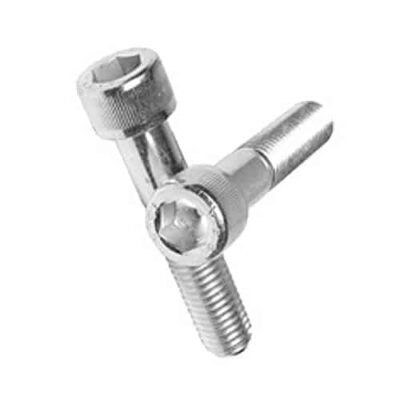
A technically suitable fixing is no use if it cannot be installed or serviced. Check spanner clearance around nuts, access for a socket, the direction in which bolts can be inserted and whether a nut can be held safely during tightening. In confined locations, a socket-head cap screw or stud arrangement may be more practical than a conventional hex bolt.
Hole size needs sensible control. An oversized clearance hole can make erection easier, but it can reduce positional accuracy and allow movement before the joint is tightened. Where adjustment is intentional, use slots in the correct direction and fit washers designed to cover them. Where alignment is critical, consider dowels, close-tolerance bolts or dedicated location features rather than expecting ordinary bolts to position the work accurately.
Also consider how the assembly will be inspected. If a guard, bracket or access panel needs periodic removal, specify fixings that can be accessed without dismantling adjacent work. Standardising common bolt sizes across a workshop or site fleet can reduce delays, simplify stockholding and make breakdown repairs more straightforward.
Common fixing mistakes in fabricated work
The most frequent problems are basic but expensive: selecting a bolt by appearance rather than grade, using a nut with insufficient engagement, omitting washers on thin material, and fitting plated fixings in conditions that demand greater corrosion resistance. Another common issue is tightening a distorted or poorly fitted joint until the bolt pulls the parts together. That can leave permanent stress in the fabrication and encourage loosening once the assembly is loaded.
Do not use a fixing to correct a fabrication error that should be addressed first. Ream or remake damaged holes where appropriate, bring mating faces into proper contact, and check that the joint is carrying load as intended. A well-selected fixing performs best when the fabrication around it is accurate.
For day-to-day buying, keep the specification visible: diameter, pitch, length, grade, finish, head type and matching nut or washer requirement. That discipline prevents near-matches entering production. ProWeld customers working across repair, fabrication and installation can then select parts on application rather than availability alone.
The best fixing choice is usually the one that remains unremarkable after years of service. Specify it for the real load, material, environment and maintenance access, then install it with the same care given to the welds around it.