





Blog
What PPE Is Needed for Welding in the Workshop?
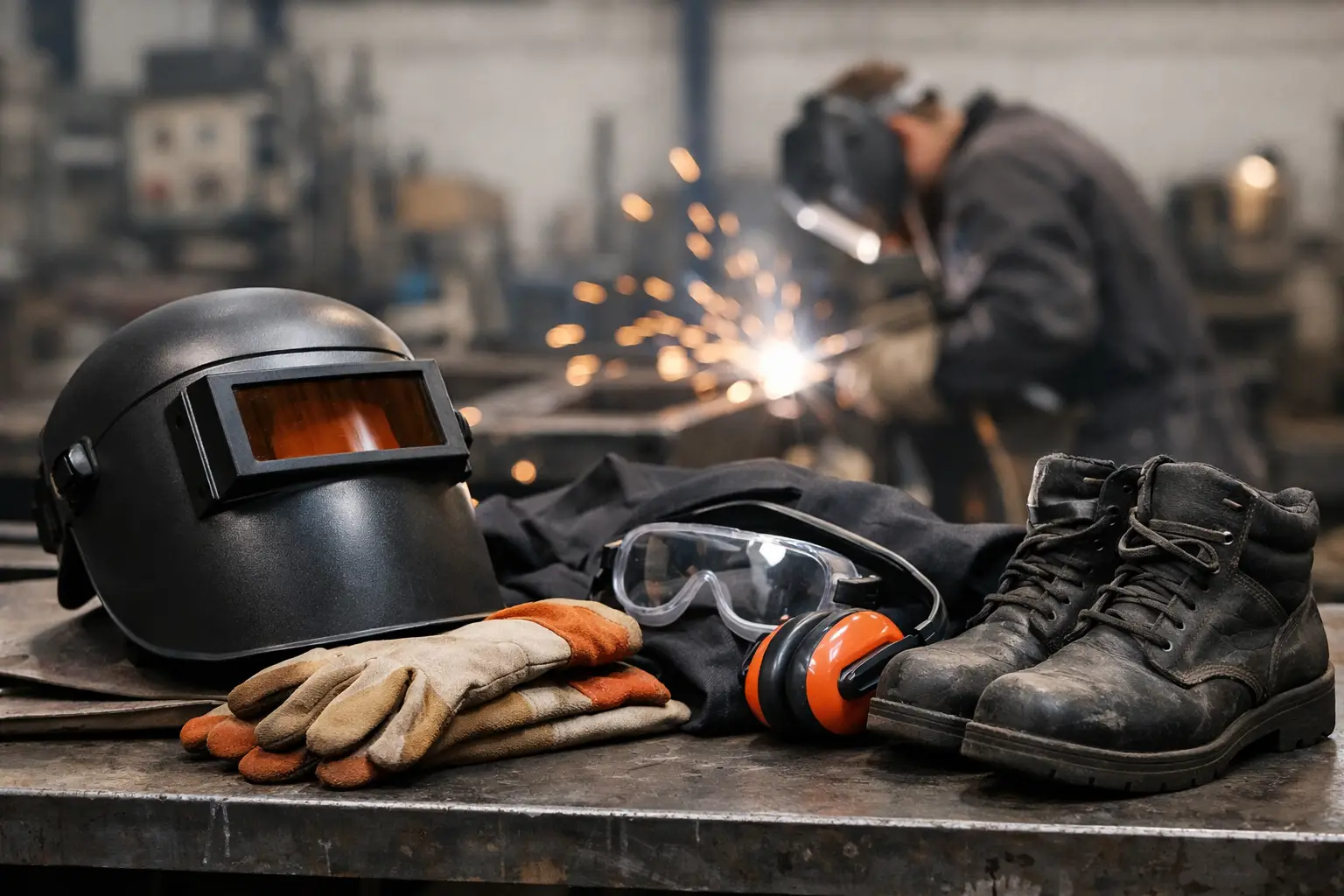
A welding arc can expose the operator to ultraviolet radiation, molten metal, hot surfaces, flying particles and hazardous fume within seconds. If you are asking what PPE is needed for welding, the practical answer is a properly specified combination of eye and face protection, flame-resistant clothing, welding gloves, safety footwear and, where the risk assessment requires it, respiratory and hearing protection.
The correct specification depends on the process, material, amperage, joint position and working environment. A light bench MIG job does not present the same risk as gouging, overhead MMA welding or cutting contaminated steel in a confined fabrication area. PPE must be selected alongside fume extraction, safe working procedures and suitable machine settings – not used as a substitute for them.
What PPE Is Needed for Welding? Start with Eye and Face Protection
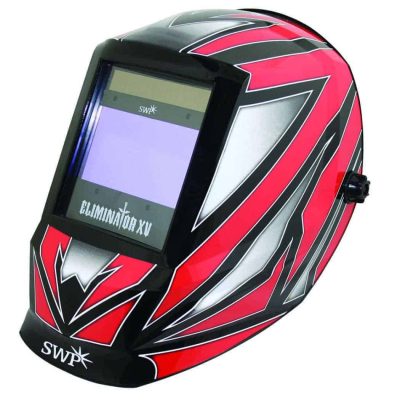
A welding helmet is the primary barrier against arc flash, ultraviolet and infrared radiation, sparks and spatter. It must provide full coverage of the face and neck area, fit securely and be suitable for the process being carried out. For production work, an auto-darkening helmet with a compliant welding filter gives the operator clearer visibility before and after the arc starts, which can improve positioning and reduce unnecessary lift-ups.
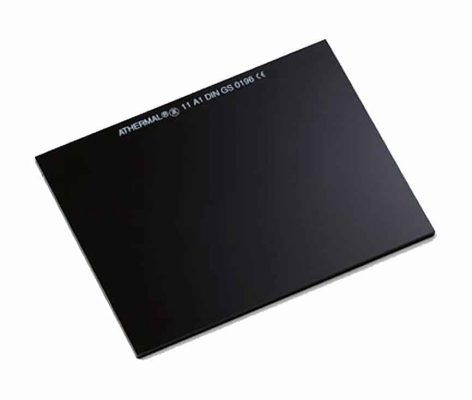
Select the filter shade for the welding current and process. A shade that is too light may not provide adequate protection; one that is too dark makes it harder to see the weld pool and joint line, encouraging poor body position and inconsistent work. Helmet and filter compliance should be checked against applicable standards, including EN 175 for welding face protection and EN 379 for automatic welding filters.
Safety spectacles should be worn beneath the helmet. They protect the eyes when the helmet is raised and during handling, set-up and cleaning. For grinding, use safety spectacles or goggles with a suitable face shield. A clear grinding visor is not a replacement for a welding helmet, and a welding helmet is not a substitute for impact-rated face protection during aggressive grinding.
Flame-Resistant Clothing for Arc and Spatter Exposure
Welding clothing must resist ignition and limit the effect of sparks and molten spatter. For regular fabrication work, use purpose-made welding jackets, trousers, sleeves or coveralls compliant with EN ISO 11611. The garment class should reflect the expected level of spatter and radiant heat. Class 1 is suited to lower-risk welding activities, while Class 2 is intended for heavier exposure and more demanding processes.
Fit matters as much as the label. Clothing should cover the arms, torso and legs without leaving exposed gaps at the waist, wrists or ankles. Cuffs and turn-ups can trap hot particles, so trousers should sit over safety boots and jackets should fasten fully. Pockets should be closed, and clothing contaminated with oil, grease or solvent must be removed from service. Contamination can make otherwise compliant garments burn more readily.
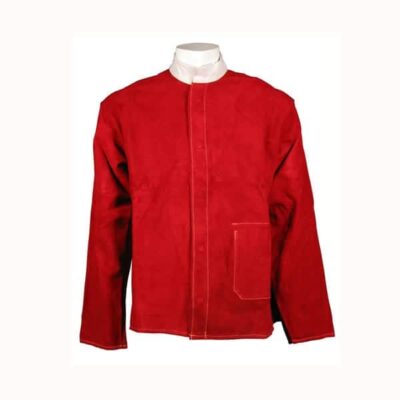
Leather is still a practical choice where spatter is frequent or intense. Leather welding jackets, aprons and sleeves provide durable protection for heavy MIG, MMA, gouging and positional work. The trade-off is reduced breathability. In hot workshops, that makes garment selection, rest arrangements and ventilation especially relevant. Do not respond to heat by rolling sleeves up or opening the front of protective clothing near the arc.
Welding Gloves Must Match the Process
Welding gloves protect against heat, spatter, sharp edges and electrical contact hazards associated with the workpiece. They should meet EN 12477 and be selected by task, rather than treating every glove as interchangeable.
Heavy-duty gauntlets offer stronger heat and spatter protection for MMA, high-amperage MIG and cutting work. They are durable but reduce feel at the torch. Thinner TIG gloves provide better dexterity for filler wire control and close work, but offer less insulation and should not be used for heavy spatter applications. A fabrication team carrying out several processes will often need both types available.
Gloves must be dry, intact and free from oil. Split seams, holes and hardened leather are reasons to replace them. Avoid synthetic knit gloves around active welding unless they are specifically designed and rated for the task. Many general handling gloves can melt or ignite when exposed to sparks.
Footwear and Lower-Leg Protection
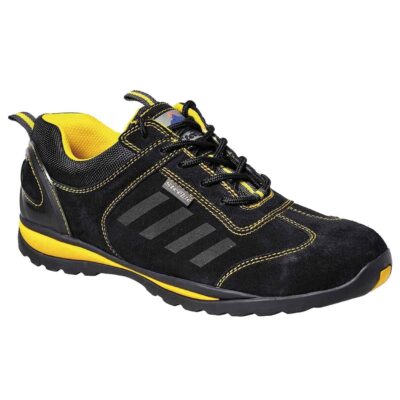
Safety footwear should provide toe protection, slip resistance and resistance to workplace hazards under EN ISO 20345. In fabrication environments, boots also need a secure fit, durable uppers and soles capable of coping with hot swarf, sharp offcuts and rough floors. Lace-up boots should be covered by trouser legs or fitted with leather spats where there is a credible risk of molten metal entering the boot.
For work involving larger fabrications, heavy assemblies or moving materials, midsole penetration protection can be as relevant as heat resistance. The footwear specification should follow the wider site risk assessment, particularly where lifting equipment, pallet movement and outdoor work are involved.
Respiratory Protection: Control Fume at Source First
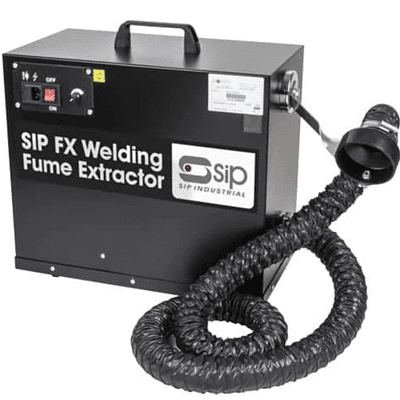
Welding fume is a serious occupational exposure. Local exhaust ventilation, such as on-torch extraction or correctly positioned extraction arms, should control fume at source wherever reasonably practicable. General workshop ventilation alone rarely provides a reliable answer, especially where several bays are operating at once.
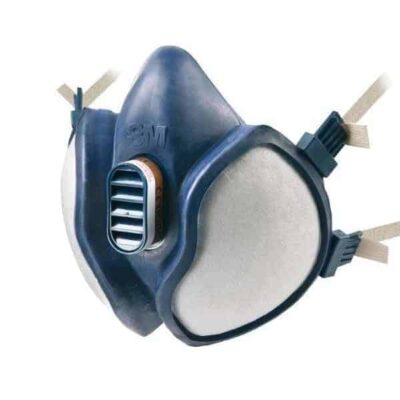
Respiratory protective equipment may still be required where exposure cannot be adequately controlled, during site work, inside vessels, or when the weld position prevents effective capture. The right RPE depends on the fume generated, the material coating, air monitoring results, facial hair, work duration and compatibility with the welding helmet.
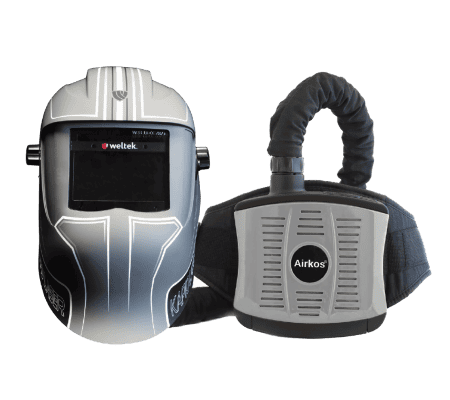
A disposable filtering facepiece may be suitable for short, lower-exposure tasks only where it has been selected through assessment and face-fit tested. For sustained welding, powered air respirators integrated with compatible head protection can offer a more practical option, particularly for operators who wear them for most of a shift. RPE must be face-fit tested where a tight-fitting seal is required. A beard or stubble prevents a dependable seal.
Special care is needed with galvanised steel, stainless steel, painted material and unknown coatings. The fume risks may be significantly greater than those from clean mild steel. Never assume a standard dust mask is adequate for a job simply because it is labelled as protective equipment.
Hearing Protection and Task-Specific PPE
Welding itself may not always exceed action values for noise, but associated work often does. Grinding, air arc gouging, needle scaling, cutting and fabrication in enclosed steel structures can create high noise exposure. Where the assessment identifies a hearing risk, use suitable earplugs or earmuffs meeting EN 352. Ensure the chosen protection works with the helmet and does not compromise its fit.
Other PPE may be necessary depending on the job. A hard hat may be required on construction or maintenance sites. Fall-arrest equipment is necessary for work at height, but must be planned so that lanyards and harness webbing are protected from heat and sparks. Knee pads, arm guards and leather bibs can be worthwhile for repetitive positional welding where standard workwear leaves areas exposed.
Specify PPE Around the Real Welding Task
A sound purchasing decision begins with the work being done, not with a generic PPE bundle. Consider the welding process, expected current range, spatter level, base metal, coatings, posture, duration and proximity to other operations. Then check that the individual items work together. A respirator should not force a helmet into an unstable position, and glove cuffs must overlap jacket sleeves without restricting movement.
For fabrication managers, standardising a limited number of approved PPE options can simplify stock control and improve compliance. It should not remove operator choice where fit and process demands differ. The best equipment is the equipment that provides the required protection and is comfortable enough to stay on for the whole task.
Inspection, Storage and Replacement
PPE deteriorates in workshop conditions. Helmets need regular checks for cracked shells, damaged lenses, failed sensors and worn headgear. Welding filters should be tested before use. Replace scratched cover lenses promptly, as poor visibility leads directly to poor weld starts and unnecessary exposure when operators lift their helmets.
Inspect gloves, clothing and boots before each shift. Retire garments with holes, tears, contaminated fabric or damaged fasteners. Store PPE dry and away from welding spatter, grinding dust and chemical contamination. Respiratory equipment needs a defined cleaning, filter-change and inspection routine, rather than being left in a welding bay between jobs.
Good PPE does not slow a competent welder down. Correctly specified, maintained equipment lets the operator see the joint, control the torch and stay protected throughout the job. That is the standard to work to when building a welding PPE issue list.